
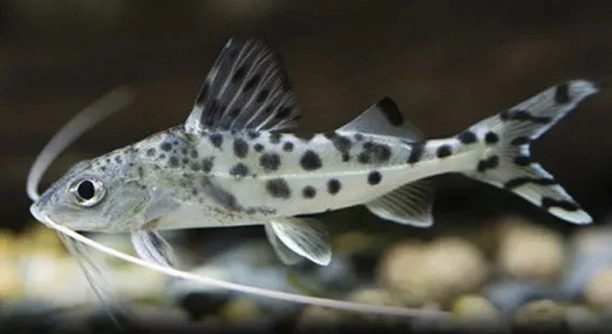
Pictus catfish are popular aquarium fish known for their peaceful nature and active swimming. Choosing the right tank mates is essential to maintain harmony and avoid stress in your aquarium environment. Proper compatibility ensures a balanced and healthy aquatic community.
The best tank mates for pictus catfish include peaceful, similarly sized species that share compatible water parameters. Avoid aggressive or overly territorial fish, as they may stress or harm the catfish. Suitable companions promote a stable and stress-free tank environment.
Selecting the right companions will enhance the well-being of your pictus catfish. Understanding which species to avoid helps prevent conflicts and supports a thriving aquarium community.
Best Tank Mates for Pictus Catfish
Pictus catfish do well with peaceful fish that occupy different parts of the tank. Good choices include small to medium-sized tetras, danios, and rasboras. These species are active swimmers but won’t compete aggressively for food or territory. Corydoras catfish also make excellent companions, as they share similar bottom-dwelling habits without causing conflict. Avoid slow-moving or long-finned fish, as pictus catfish can sometimes nip at them. Choosing fish that thrive in similar water conditions helps keep the tank stable. Maintaining good water quality and providing enough hiding spaces benefits all the fish in the tank. A mix of compatible species helps reduce stress and keeps the environment healthy. Always introduce new fish carefully and monitor behavior to catch any signs of aggression early. With the right companions, pictus catfish remain calm and active.
Peaceful and active fish that don’t share the exact same space work best with pictus catfish.
Providing adequate space and hiding places reduces stress for all tank inhabitants and promotes harmony.
Fish to Avoid with Pictus Catfish
Avoid keeping pictus catfish with large aggressive species like cichlids or bettas, as they can intimidate or injure them. Slow-moving fish with delicate fins, such as guppies or fancy goldfish, are also poor choices because pictus catfish may nip at their fins. Territorial fish that guard their space aggressively will stress pictus catfish, leading to hiding or health issues. Some bottom-dwellers may compete with pictus catfish for food or territory, causing conflicts. Choosing tank mates requires balancing temperament and habitat preferences to prevent bullying. Researching fish behavior and tank size before adding new species is important. Pictus catfish thrive best in peaceful community tanks where aggression is minimal. Monitoring fish interactions regularly helps ensure a peaceful aquarium environment. If problems arise, adjusting the species mix or tank setup may be necessary. Proper planning avoids common compatibility issues and supports long-term success.
Ideal Tank Conditions for Pictus Catfish
Pictus catfish prefer clean, well-oxygenated water with moderate flow. Maintaining stable water parameters is crucial for their health and activity.
Keeping the water temperature between 72°F and 79°F (22°C to 26°C) supports their well-being. pH should range from 6.5 to 7.5 with moderate hardness. Regular water changes prevent harmful buildup of nitrates and ammonia. A filter that provides good circulation is important, as pictus catfish enjoy swimming in gentle currents. Gravel or sand substrate suits their bottom-dwelling habits. Adding plants and hiding spots offers security and reduces stress. Monitoring water quality helps detect issues early, keeping the fish healthy and active.
Lighting should mimic natural daylight cycles but avoid overly bright setups, which can cause stress. A balance of open swimming space and shelter lets pictus catfish express natural behavior. Maintaining these conditions promotes a harmonious and thriving aquarium.
Feeding and Nutrition
Pictus catfish are omnivores that require a varied diet to stay healthy. They enjoy sinking pellets, live or frozen foods like bloodworms, and occasional vegetable matter. Feeding small amounts twice daily prevents overfeeding and keeps the tank clean. Their bottom-feeding nature means food should reach the substrate quickly.
Supplements such as brine shrimp or daphnia help provide protein and variety. Avoid feeding only flakes or floating food, as pictus catfish may miss meals. Observing feeding habits ensures all fish get enough nutrition. Uneaten food should be removed to prevent water pollution. Consistent feeding routines support growth, energy, and color vibrancy. Proper diet contributes significantly to their overall health and longevity in the aquarium.
Tank Setup Tips
Providing plenty of hiding spots helps pictus catfish feel secure. Use driftwood, rocks, and dense plants to create sheltered areas. These features also reduce stress and encourage natural behavior.
Keep open swimming areas free of clutter. Pictus catfish are active swimmers and need space to move freely. Avoid overcrowding to maintain water quality and reduce aggression.
Monitoring Fish Behavior
Regularly watch your fish for signs of stress or aggression. Healthy pictus catfish swim actively and interact peacefully with tank mates. Any sudden changes may indicate issues.
Cleaning and Maintenance
Maintain a consistent cleaning schedule to keep the tank healthy. Partial water changes of 20-30% weekly help control waste buildup. Cleaning filters and removing debris support water clarity and quality.
Common Health Issues
Pictus catfish are generally hardy but can suffer from infections like ich or fin rot if water quality drops. Early detection and treatment are essential to prevent serious problems.
FAQ
What size tank do pictus catfish need?
Pictus catfish are active swimmers and require plenty of space. A tank of at least 30 gallons is recommended for a small group. Larger tanks help reduce stress and allow natural behavior. Overcrowding can lead to aggression and poor water quality.
Can pictus catfish live with shrimp or snails?
Small shrimp or snails may be at risk in a tank with pictus catfish. These catfish are opportunistic feeders and might see shrimp as food. Larger snails with sturdy shells are usually safer. Monitor closely if you keep these species together.
How often should I feed my pictus catfish?
Feeding twice daily with small portions is ideal. Overfeeding can pollute the water and harm fish health. Remove uneaten food after 5 minutes to prevent decay. A varied diet including sinking pellets and frozen foods keeps them healthy.
Are pictus catfish nocturnal?
Pictus catfish are mostly nocturnal but also active during the day. They prefer dim lighting and tend to hide when the tank is too bright. Providing shaded areas helps mimic their natural environment and reduces stress.
What are signs of stress in pictus catfish?
Signs include hiding excessively, loss of appetite, erratic swimming, or faded colors. Stress often results from poor water quality, aggressive tank mates, or inadequate hiding spots. Addressing these issues promptly helps prevent illness.
Can pictus catfish jump out of the tank?
Yes, pictus catfish are known to jump, especially when startled. A secure tank lid is necessary to prevent escapes. Keeping the water quality stable and reducing sudden disturbances can minimize jumping behavior.
How long do pictus catfish live?
With proper care, pictus catfish live around 8 to 10 years. Maintaining good water quality, proper diet, and a stress-free environment contributes to their longevity. Regular health checks help catch problems early.
Do pictus catfish need to be kept in groups?
Pictus catfish are social fish and thrive in groups of at least five. Keeping them alone may cause stress and inactivity. Groups allow natural schooling behavior and reduce aggression. Ensure enough space to accommodate multiple fish comfortably.
What water parameters are best for pictus catfish?
Ideal conditions include temperatures between 72°F and 79°F, pH levels from 6.5 to 7.5, and moderate hardness. Stable parameters reduce stress and support health. Regular testing and water changes help maintain these levels.
How do I know if my tank mates are compatible?
Compatibility depends on temperament, size, and habitat preference. Peaceful, similar-sized fish that occupy different tank zones usually work well. Avoid aggressive or territorial species. Observe fish interactions closely to detect conflicts early.
Choosing the right tank mates for pictus catfish is important for a peaceful aquarium. These fish do best with companions that share similar water needs and calm behavior. Mixing aggressive or overly territorial fish can cause stress and harm to your pictus catfish. When you select compatible species, the tank stays balanced, and all fish can live comfortably. Providing enough space, hiding spots, and good water quality supports a healthy environment where pictus catfish can thrive. Careful planning before adding new fish helps avoid many common problems.
Maintaining proper tank conditions is just as crucial as choosing the right companions. Pictus catfish prefer clean, well-oxygenated water with stable temperature and pH levels. Regular water changes and a good filtration system keep the water healthy. A mix of open swimming areas and places to hide allows these catfish to behave naturally and reduces stress. Their diet should be varied, including sinking pellets and live or frozen foods. Feeding small amounts twice a day prevents leftover food that can pollute the tank. Attention to these details keeps pictus catfish active and healthy.
Observing your fish regularly helps identify any problems early. Signs of stress or illness often appear before serious damage occurs. Watch how your pictus catfish interact with tank mates, how they swim, and if their colors look vibrant. Acting quickly when you notice changes in behavior or health increases the chances of recovery. Overall, successful care for pictus catfish depends on understanding their needs and maintaining a stable, peaceful tank environment. With the right approach, these catfish make a lively and attractive addition to your aquarium.

Hello,
If you enjoy the content that we create, please consider saying a "Thank You!" by leaving a tip.
Every little bit helps us continue crafting quality advice that supports the health, happiness, and well-being of pets around the world, for pets of all shapes, sizes, and species.
We really appreciate the kindness and support that you show us!