
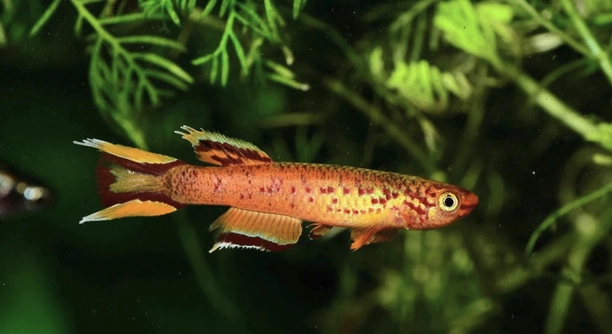
Killi fish are popular pets because of their vibrant colors and small size. Many owners enjoy caring for them but sometimes notice their fish die shortly after water changes. This article will explore some common reasons behind this unfortunate problem.
Killi fish often die after water changes due to sudden shifts in water parameters like temperature, pH, or hardness. These abrupt changes cause stress, weaken their immune systems, and make them vulnerable to illness and death. Proper water stability is crucial for their survival.
Understanding these reasons can help you create a safer environment for your killi fish. Knowing what to avoid will improve their health and prevent unnecessary losses in your aquarium.
Sudden Temperature Changes
Killi fish are sensitive to temperature fluctuations. When you change their water, the new water may be warmer or cooler than the tank water. Even small differences can stress the fish. This stress weakens their immune system, making them more likely to get sick or die. It’s important to match the temperature of the new water closely with the tank’s existing temperature. Using a reliable thermometer helps avoid surprises. Gradually adding new water instead of a full change at once can also reduce shock. Many people don’t realize how delicate these fish are when it comes to temperature, so taking extra care here makes a big difference.
Keeping water temperature steady gives killi fish a calm environment where they can thrive. Sudden changes disrupt their natural balance and lead to health problems.
Maintaining consistent temperature during water changes helps protect your killi fish and reduces unnecessary deaths. Taking time to adjust water temperature properly is an easy step that pays off.
Water Chemistry Differences
Killi fish need stable water chemistry to stay healthy. Changes in pH, hardness, or other chemicals during a water change can be harmful. Tap water often contains chlorine or other substances that stress fish. If these aren’t removed or balanced, the fish may die. Testing both the old tank water and the new water is a good practice. You can use conditioners to neutralize harmful chemicals. Also, matching the pH and hardness between old and new water helps avoid sudden changes. Inconsistent water chemistry causes stress and damages the fish’s internal systems over time. Paying close attention to these details during water changes creates a safer tank environment.
When water chemistry shifts suddenly, killi fish can become stressed or ill quickly. This is why water testing is essential.
Water chemistry stability is a key part of responsible fish care. Monitoring and adjusting water conditions prevent many health problems in killi fish. Using water conditioners and testing kits keeps water safe and consistent, reducing the risks that come with water changes. The more familiar you become with your tank’s water parameters, the easier it is to maintain a healthy habitat. Taking these simple precautions will help your fish live longer and happier lives.
Poor Acclimation Process
Many killi fish die after water changes because they are not properly acclimated. Sudden exposure to new water conditions shocks their system, leading to stress or death.
Slow acclimation helps fish adjust gradually. Float the fish in a bag or container to match temperature first. Then, slowly add small amounts of the new tank water over an hour or more. This allows their bodies to adapt to changes in pH, hardness, and other factors without sudden shock. Rushing this process can be harmful even if the water parameters seem similar. Taking the time to acclimate carefully prevents unnecessary stress and increases their chances of survival after water changes.
Skipping or rushing acclimation is a common mistake. It’s tempting to add fish quickly, but this often causes fatal stress. Giving your killi fish time to adjust is one of the simplest and most effective ways to keep them healthy during water changes.
Contaminants in Replacement Water
Replacement water sometimes contains contaminants like chlorine, chloramine, or heavy metals. These substances can harm killi fish if not treated before use. Always test your new water for harmful chemicals.
Water conditioners are necessary to neutralize chlorine and chloramine. Using untreated tap water can cause gill damage or poisoning in fish. Additionally, contaminants build up in new water from pipes or storage tanks. Even if water looks clear, it might still contain harmful elements. Taking these precautions prevents toxic exposure during water changes.
Testing and treating replacement water is an important step often overlooked. Proper preparation protects fish from chemical stress and keeps your tank environment safe. Using reliable water conditioners and filters reduces risk and promotes fish health, making water changes less stressful for your killi fish.
Stress from Handling
Handling killi fish roughly during water changes can cause serious stress. Even gentle movements can shock them if done too quickly.
Stress weakens their immune system and makes them prone to illness. Minimizing handling helps keep them safe and calm during tank maintenance.
Poor Water Quality Management
Neglecting regular water testing can lead to poor water quality, which harms killi fish. High levels of ammonia, nitrites, or nitrates build up quickly if water changes are not done correctly. These toxins damage fish gills and organs over time. Without proper monitoring, you might miss warning signs that water quality is declining. Testing your water regularly and making partial water changes prevents dangerous chemical buildup. Good water quality management is essential for healthy fish and a thriving aquarium environment.
Overfeeding During Water Changes
Overfeeding fish before or after water changes increases waste and pollutes the tank. This creates harmful conditions for killi fish.
FAQ
Why do killi fish die immediately after a water change?
Killi fish often die right after water changes due to sudden shifts in water temperature, pH, or hardness. These quick changes shock their systems, causing stress and weakening their immune defenses. Improper acclimation or exposure to untreated tap water with chlorine can also lead to death. Always match water conditions closely and acclimate fish slowly to prevent this.
How can I properly acclimate my killi fish during water changes?
To acclimate killi fish properly, float them in a container or bag in the tank for about 15–20 minutes to match temperature. Then, slowly add small amounts of new tank water to the container every 5–10 minutes for at least an hour. This helps the fish adjust to new water chemistry gradually, reducing stress and risk of shock.
Is partial water change better than a full water change for killi fish?
Yes, partial water changes are safer. Changing 20–30% of the water keeps the tank environment more stable and avoids drastic shifts in water parameters. Full water changes can create sudden changes in chemistry and temperature, which stress killi fish. Regular partial changes maintain water quality while protecting your fish.
How do I test water parameters before doing a water change?
You can use simple test kits available at pet stores to measure pH, ammonia, nitrites, nitrates, and hardness. Test both the tank water and the new water you plan to add. This helps you identify differences and know if adjustments or conditioning are necessary before adding new water to the tank.
What water conditioners should I use for killi fish?
Water conditioners that remove chlorine, chloramine, and heavy metals are essential. Choose a conditioner labeled safe for tropical fish or specifically for killi fish. These conditioners neutralize harmful chemicals commonly found in tap water, making it safe for your fish and preventing gill damage or poisoning.
How often should I change the water for killi fish?
Changing 20–30% of the water once a week is a good rule of thumb. This keeps water clean and reduces harmful chemical buildup without shocking your fish. However, frequency depends on tank size, fish load, and filtration. Monitor water quality and adjust your schedule if needed.
Can poor diet affect killi fish survival after water changes?
Yes, overfeeding or poor diet can increase waste, harming water quality and stressing fish. During water changes, extra waste may cause spikes in ammonia or nitrites. Feeding appropriate amounts and removing uneaten food helps maintain cleaner water and healthier fish.
What signs show my killi fish is stressed after a water change?
Signs include hiding, loss of color, rapid breathing, lethargy, or erratic swimming. If you notice these, check water parameters immediately. Stress can lead to illness, so acting quickly by stabilizing the environment is important.
Is it safe to add medication to the tank after water changes?
Medication should only be added if your fish show signs of illness and after confirming water quality is stable. Adding medicine unnecessarily can add stress or worsen water conditions. Always follow instructions carefully and consider consulting an expert before medicating.
Can sudden light or noise changes during water changes affect killi fish?
Yes, sudden loud noises or bright lights can increase stress in killi fish during water changes. Keeping the environment calm and quiet helps reduce their anxiety and supports their recovery from any changes made.
Final Thoughts
Killi fish are beautiful and interesting pets, but they need careful care to stay healthy. Water changes are an important part of keeping their tank clean, but they can also be risky if not done properly. Many killi fish die after water changes because of sudden changes in their environment that cause stress or harm. Understanding these risks helps you take better care of your fish and avoid common mistakes. Matching water temperature, keeping water chemistry stable, and properly acclimating the fish are all simple steps that make a big difference.
It is also important to prepare replacement water correctly. Tap water often contains chlorine, chloramine, or other chemicals that can be harmful to killi fish. Using water conditioners and testing the water before adding it to the tank protects your fish from these dangers. Regular partial water changes keep the water clean without causing too much disruption. Overfeeding or rough handling during water changes can also increase stress, so it’s good to be gentle and feed your fish the right amount. Paying attention to these details helps create a safer environment where your killi fish can thrive.
Taking care of killi fish requires patience and attention to their needs. They respond well to steady, calm water conditions and careful handling. By learning about the reasons behind their deaths after water changes, you can improve your fish-keeping routine and reduce stress for your pets. This will give your killi fish the best chance for a long and healthy life. With time and care, you can enjoy watching these vibrant little fish swim happily in their tank.

Hello,
If you enjoy the content that we create, please consider saying a "Thank You!" by leaving a tip.
Every little bit helps us continue crafting quality advice that supports the health, happiness, and well-being of pets around the world, for pets of all shapes, sizes, and species.
We really appreciate the kindness and support that you show us!