
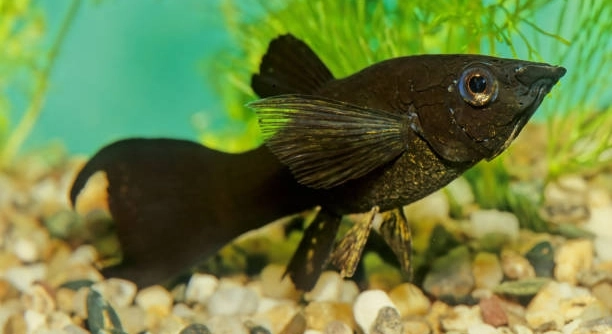
Are your Black Mollies acting differently than usual? Observing subtle changes in their swimming patterns or interactions can help you understand their health and behavior. Recognizing these signs early is important for their care and well-being.
Black Molly behavior changes can indicate stress, illness, or environmental issues. Common signs include altered swimming habits, changes in appetite, unusual hiding, aggression, or shifts in social interaction. Monitoring these behaviors is essential for maintaining a healthy aquarium environment.
Tracking these behavior changes can help you maintain a thriving tank and ensure your Black Mollies remain healthy and active. Paying attention to small details often prevents larger problems.
Changes in Swimming Patterns
Black Mollies usually swim gracefully around the tank, exploring and interacting with their environment. When you notice erratic movements, sudden darting, or sluggish behavior, it often signals stress or illness. Environmental factors, such as water temperature, pH levels, and tank cleanliness, play a big role in their comfort. Overcrowding or aggressive tank mates can also affect swimming patterns. Healthy Black Mollies maintain a steady rhythm, gliding through the water without hesitation. Observing when and where these changes happen helps pinpoint underlying problems. Nutrition also affects activity levels. A sudden loss of energy or unusual spinning near the surface could indicate poor water quality or infection. Frequent observation is key.
Monitoring their swimming closely gives insight into their overall health. Noticing patterns early helps prevent serious issues from developing.
Keeping your tank in optimal condition is essential. Regularly check water parameters and ensure proper filtration. Make sure the tank is not overcrowded and provide plants or hiding spaces for comfort. Adjust feeding schedules if energy levels drop, and separate aggressive fish if necessary. Combining these steps supports their natural swimming behavior and promotes a calm, healthy environment. By tracking changes consistently, you can act quickly to resolve minor issues before they escalate, ensuring your Black Mollies remain active and content.
Changes in Appetite
A decrease or sudden increase in feeding is often an early sign of trouble.
Appetite changes can indicate stress, illness, or environmental imbalance. Consistently monitor feeding habits.
Black Mollies are typically eager eaters, but variations in appetite can signal underlying problems. Illness, poor water quality, or inappropriate diet may reduce their interest in food. Conversely, overfeeding or competition in the tank can cause sudden aggressive feeding. Track what and when they eat to identify deviations from normal behavior. Adjusting diet and tank conditions promptly helps restore healthy eating patterns. Observing how each fish responds to feeding times and food types is critical. Offering balanced nutrition with occasional live or frozen foods supports health. Prompt attention to appetite changes prevents long-term issues, helping maintain energy, immunity, and social stability within the tank.
Hiding More Often
Frequent hiding is a clear signal of stress or discomfort. Changes in tank setup, aggressive tank mates, or illness can cause your Black Mollies to retreat more than usual. Observing where and when they hide helps identify the issue quickly.
Black Mollies typically explore their surroundings, but sudden withdrawal can indicate a problem. Poor water quality, inadequate hiding spots, or bullying from other fish can make them seek shelter constantly. Stress weakens immunity, making them more susceptible to disease. Adjusting the tank environment, such as adding plants or rearranging decorations, can provide security. Monitoring their behavior over several days helps determine if the hiding is situational or a persistent issue that needs attention.
Behavioral shifts like hiding often come with other signs, such as reduced feeding or slower swimming. Tracking these patterns helps you respond appropriately. Ensuring water parameters are stable and providing multiple hiding spots allows your Mollies to feel safe while maintaining normal activity. Regular observation helps distinguish temporary stress from long-term issues, keeping the fish healthy and reducing the risk of complications from prolonged anxiety.
Increased Aggression
Sudden aggression among Black Mollies can indicate stress, overcrowding, or competition for resources.
Aggression may present as chasing, nipping, or territorial behavior. Environmental stressors, including insufficient space, poor water quality, or dominant tank mates, trigger these actions. Feeding competition can intensify hostility, as Mollies fight over food or hiding spots. Observing interactions helps prevent injuries and maintain social balance.
Addressing aggression requires multiple adjustments. First, check the tank size and remove overcrowding to reduce competition. Add plants or decorations to create hiding areas and visual boundaries. Monitor water parameters to ensure a stable, healthy environment, as poor conditions can exacerbate irritability. Separating highly aggressive individuals may be necessary to protect more passive fish. Feeding smaller portions throughout the day helps reduce food-related conflicts. Keeping a consistent schedule and observing daily interactions allows you to detect early signs of aggression, ultimately fostering a calmer, healthier tank where all Black Mollies can coexist peacefully.
Color Fading
A noticeable loss of color often signals stress or poor health. Environmental changes, illness, or nutritional deficiencies can make your Black Mollies appear duller than usual. Regular observation helps catch these changes early.
Proper diet and stable water conditions usually restore their natural coloration. Avoid sudden temperature shifts or overcrowding, as these can worsen fading.
Clamped Fins
Clamped fins occur when a fish keeps its fins tight against its body, often indicating discomfort or disease. Stress, poor water quality, or infections can cause this behavior. Observing this sign alongside other changes helps identify the root cause.
Maintaining clean water, consistent temperature, and proper nutrition can help prevent clamped fins. Separating affected fish may reduce stress and promote recovery. Monitor tank mates for aggressive behavior, as it can trigger this response. Early attention ensures healthier, more comfortable Black Mollies and prevents further complications.
Lethargy
Lethargy is a sign of fatigue or illness. When Black Mollies spend excessive time at the bottom or hide without activity, it indicates a problem that needs immediate attention.
Rapid Gill Movement
Rapid gill movement can indicate poor oxygen levels or respiratory stress. Monitor water quality and tank conditions to address this issue promptly.
FAQ
Why are my Black Mollies hiding all the time?
Hiding is often a response to stress or discomfort. Common triggers include aggressive tank mates, overcrowding, or sudden changes in water parameters. Black Mollies may also hide if they feel insecure due to lack of plants or decorations. Observing their favorite hiding spots helps you identify patterns.
Providing ample hiding places, maintaining stable water conditions, and separating aggressive fish can reduce hiding. Mollies often return to normal behavior once they feel safe. Consistent feeding schedules and monitoring interactions also support a calm environment.
What does it mean when my Black Mollies’ fins are clamped?
Clamped fins indicate stress, illness, or poor water quality. Fish pull their fins close to the body when uncomfortable, often due to infections, parasites, or high ammonia levels. It can also appear during sudden temperature changes.
Check water parameters immediately and adjust as needed. Isolate affected fish if aggression or disease is suspected. Maintaining a clean, stable tank and offering high-quality food supports recovery. Observing for other symptoms, like lethargy or color fading, can help pinpoint the exact issue.
Why are my Black Mollies swimming erratically?
Erratic swimming often signals stress or illness. Rapid darting, spinning, or sudden stops can be caused by poor water quality, low oxygen levels, or parasites. Overcrowding or aggressive tank mates may also lead to unusual swimming patterns.
Ensure proper filtration, aeration, and tank size. Remove aggressive fish or create hiding areas to reduce stress. Regular observation and monitoring of water conditions are essential. Providing balanced nutrition and a stable environment often restores normal swimming behavior.
Why have my Black Mollies stopped eating?
Loss of appetite can result from illness, stress, or poor water conditions. Changes in water temperature, pH levels, or the presence of disease may make fish avoid food. Overcrowding or competition during feeding can also affect eating habits.
Observe for other symptoms like lethargy, color fading, or clamped fins. Adjust diet, water quality, and tank conditions as needed. Feeding smaller portions multiple times a day can help encourage eating. Quick attention prevents long-term health issues and ensures energy levels remain stable.
What causes my Black Mollies to become aggressive suddenly?
Aggression can appear due to stress, competition for food, or territorial disputes. Overcrowded tanks, dominant fish, or insufficient hiding spots increase conflict. Changes in water parameters may also trigger irritability.
Separating aggressive fish and providing visual barriers or plants can reduce tension. Ensure enough space and maintain consistent feeding schedules. Monitoring daily behavior helps detect early signs of aggression and allows adjustments before serious injuries occur.
Why is my Black Molly’s color fading?
Color fading is usually caused by stress, poor nutrition, or illness. Inconsistent water parameters, overcrowding, or low-quality food can contribute. Some fading is temporary, but persistent dullness indicates underlying problems that need addressing.
Ensure a balanced diet, maintain stable water conditions, and reduce stressors in the tank. Providing hiding spaces and minimizing aggression helps restore natural coloration. Observation over time allows you to distinguish between temporary fading and signs of chronic health issues.
What does rapid gill movement indicate?
Rapid gill movement often signals low oxygen or respiratory stress. Poor water quality, high ammonia, or overcrowding can make fish breathe faster. Diseases like gill parasites may also be the cause.
Improve aeration, check water quality, and reduce crowding immediately. Treat infections if necessary. Maintaining clean water and monitoring tank conditions consistently ensures your Black Mollies can breathe comfortably and remain healthy.
Why are my Black Mollies lethargic?
Lethargy is a sign of fatigue, stress, or illness. Fish may spend excessive time at the bottom or hide constantly when unwell. Causes include poor water quality, infections, or environmental changes.
Correct water parameters, isolate sick fish, and provide proper nutrition to restore energy levels. Monitoring for additional symptoms, like appetite loss or clamped fins, helps determine the exact cause. Consistent care keeps Mollies active and healthy.
How can I prevent behavior changes in Black Mollies?
Stable water conditions, proper tank size, and high-quality food reduce stress-related behavior changes. Regular observation helps detect issues early, and providing hiding spots minimizes conflict.
Avoid sudden changes in temperature or pH, and separate aggressive individuals if needed. A consistent routine, clean environment, and balanced diet support normal behavior and overall health.
Black Mollies are sensitive fish that respond quickly to changes in their environment. Observing their behavior regularly helps you notice signs of stress, illness, or discomfort early. Subtle changes, such as hiding more often, clamped fins, or fading color, can indicate that something in the tank needs attention. Maintaining clean water, stable temperature, and appropriate tank mates is essential for their well-being. Small adjustments, like adding plants or rearranging decorations, can make a big difference in how comfortable they feel. Paying attention to their swimming patterns and interactions with other fish allows you to address problems before they become serious.
Feeding plays a major role in their health and behavior. Providing a balanced diet that includes high-quality flakes, pellets, and occasional live or frozen foods ensures that they get the nutrients they need. Overfeeding or inconsistent feeding schedules can lead to aggression or stress among tank mates. Monitoring appetite changes is important, as a sudden loss of interest in food often indicates a health issue. By observing how they respond to different types of food and adjusting accordingly, you can prevent nutritional problems and maintain their energy levels. Regular feeding combined with careful observation supports both physical health and normal social behavior.
Behavior changes in Black Mollies often appear gradually, so consistent observation is key. Tracking patterns over days or weeks gives you a better understanding of what is normal and what signals a problem. Addressing issues early, whether they involve water quality, tank setup, or fish interactions, ensures a healthier environment and reduces the risk of disease. Simple measures like cleaning the tank regularly, checking water parameters, and separating aggressive fish help maintain stability. With careful attention, your Black Mollies can live healthy, active lives, displaying their natural behaviors and vibrant colors. Prioritizing observation, proper nutrition, and a stable environment creates a tank where your fish feel secure, thrive, and remain enjoyable to watch for years.

Hello,
If you enjoy the content that we create, please consider saying a "Thank You!" by leaving a tip.
Every little bit helps us continue crafting quality advice that supports the health, happiness, and well-being of pets around the world, for pets of all shapes, sizes, and species.
We really appreciate the kindness and support that you show us!