
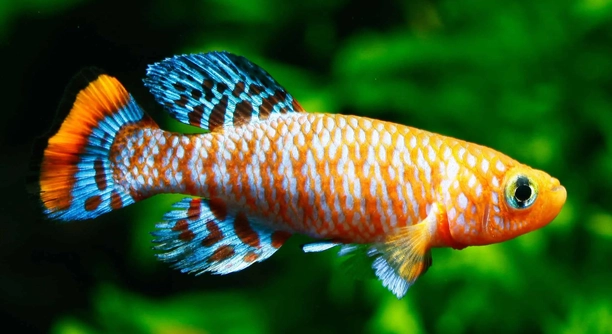
Have you ever noticed your killifish watching you closely and wondered if that attention might mean something more over time?
Killifish can develop a basic form of recognition toward their owners through repeated interactions, especially during feeding routines. While they do not form deep emotional bonds, they can associate their owners with food and routine care.
Understanding this behavior helps build a more mindful approach to keeping killifish, enhancing both their well-being and your experience as an aquarist.
How Killifish Perceive Their Environment
Killifish rely on their senses to navigate their surroundings, detect changes, and identify potential food sources. Their vision is quite developed for small fish, especially when it comes to spotting movement. Over time, they can become accustomed to the presence of a consistent figure—often their owner—who provides food or care. While they don’t recognize faces the way dogs or cats might, they do respond to familiar sights and patterns. The more consistent you are in your routine, the easier it becomes for them to associate you with positive experiences. This association can look like swimming near the glass when you enter the room or showing excitement at feeding time. These behaviors are a result of conditioning, not emotional bonding, but they still offer a rewarding interaction for the aquarist. Understanding how killifish interpret their space can help you create a more suitable and responsive environment for them.
Repeated exposure builds familiarity. When routines are consistent, killifish begin to respond predictably, especially when food is involved.
Though small and simple in behavior, killifish are observant and responsive to change. They rely heavily on their senses to interact with their environment. By minimizing sudden changes and providing steady interaction, you encourage behavior that looks like recognition.
Feeding and Routine-Based Recognition
Killifish begin to associate specific cues with feeding. These cues include hand movement, light changes, and even the vibrations of a lid being lifted.
Over time, this consistent pattern creates a learned behavior. Your killifish may swim toward the glass or water surface the moment you approach. This isn’t affection—it’s recognition tied to positive reinforcement. Since their memory is short-term, these associations must be maintained through routine. A sudden break in pattern might reset this learned response. It’s not personal, but simply how their brain processes interaction. Still, this behavior can feel like a connection. For those who enjoy observing their fish, these moments of recognition provide a unique sense of interaction. It’s important to understand that killifish operate on instinct and conditioning, not emotional attachment. However, your presence and actions do influence their behavior. The more regularly you care for them, the more likely they are to display signs of learned recognition, making your time with them more engaging.
Environmental Consistency and Behavioral Response
Killifish are sensitive to routine and changes in their surroundings. When their environment remains stable, their behavior tends to stay predictable. Sudden changes in lighting, water flow, or feeding times can disrupt their sense of familiarity.
Stable environments help killifish feel secure. When conditions such as water temperature, light exposure, and tank layout stay the same, they are more likely to display relaxed and responsive behavior. This security allows them to form stronger associations with patterns they experience regularly. If feeding or interaction happens at the same time each day, they learn to expect it. Even subtle environmental shifts—like a new decoration or a change in lighting—can make them more cautious or reserved. It’s best to introduce changes gradually. Consistency helps reinforce the recognition they may form toward you, especially during feeding routines. It also keeps stress levels low, which is important for their overall health.
Repeated exposure to consistent surroundings encourages behavior that appears familiar and predictable. The more stable the environment, the easier it is for killifish to form associations with specific patterns. Over time, they may start reacting to your presence or actions with anticipation, especially if you are the one feeding or caring for them.
Observing Behavior Changes Over Time
Small behavioral changes are easy to miss, but they can indicate growing familiarity. Some killifish start swimming to the front of the tank when they see you, especially near feeding time.
Over time, patterns become more noticeable. A killifish that once hid in plants might gradually begin coming out when you approach the tank. It may not be showing affection, but it is showing recognition based on routine. Repetition strengthens these responses. For example, feeding your fish at the same time daily reinforces their expectations. Behavior may also change if another person begins feeding them instead of you. Killifish can learn to respond to whoever they associate with food. Watching for these changes—however small—helps you adjust your care methods. With time and patience, it’s possible to shape their behavior in a way that supports trust and reduces stress. Consistency, gentle interaction, and observation help deepen these learned responses.
Recognizing Movement and Repetition
Killifish react strongly to repeated motion. When your movements are predictable—like opening the tank lid or approaching slowly—they begin to respond with curiosity or anticipation rather than fear.
They rely more on movement patterns than facial recognition. Repetition helps them understand what to expect, especially during feeding or maintenance routines.
Conditioning Through Routine
Killifish behavior is shaped through conditioning. If you feed them at the same time and in the same way, they begin to associate your presence with food. Over time, this creates consistent responses. They may swim to the front of the tank or become more active when they sense your approach. These behaviors reflect learned expectations rather than emotional attachment. However, it still shows they’ve made a connection between your actions and a result they value. Conditioning works best when the routine is steady and stress-free. Even small breaks in that pattern can reset their behavior, so consistency remains essential for maintaining these interactions.
Short-Term Memory and Recognition
Killifish have short-term memory, so recognition is limited. However, frequent and consistent interaction helps reinforce patterns that lead to behavior that looks like recognition.
FAQ
Do killifish actually recognize their owners?
Killifish don’t recognize owners the way mammals do, but they can learn to associate your presence with food and care. Through repeated routines, they begin to react to you in specific ways—like swimming to the surface when you approach. This behavior is not emotional bonding, but a conditioned response built through repetition. Their memory is short-term, so the recognition isn’t deep, but if you stay consistent, they will respond in familiar ways over time. It’s not the same as how dogs or cats interact, but it still shows they’re learning from experience.
Can killifish form bonds with people?
Killifish do not form emotional bonds with people. Their behavior is driven by instinct, not attachment. They respond to environmental cues and develop patterns based on repetition. You may notice them reacting positively to your presence, but it’s a result of conditioning, not affection. These responses are still meaningful for keepers, especially when you’ve built a strong and regular routine. While the connection is not emotional, the trust they show by coming forward instead of hiding can still feel rewarding. Maintaining a stable, calm environment helps reinforce this behavior over time.
How long does it take for a killifish to recognize its owner?
It varies depending on the fish and the routine, but most killifish can start responding to your presence within a couple of weeks if your actions are consistent. Feeding time plays a major role in this. If you approach the tank the same way at the same time each day, they begin to associate you with food. This encourages them to respond more openly. Sudden changes, missed feedings, or new caretakers can interrupt this pattern, so it’s important to stay consistent. The more stable your care, the faster they respond to you.
Will a killifish respond differently to strangers?
Yes, some killifish show hesitation around unfamiliar people. They might hide, swim away, or remain still when someone new approaches. This is a natural response to unfamiliar motion or presence. If the same stranger begins feeding them regularly, they may eventually show the same learned responses. Killifish react to repetition, not personal identity, so their behavior will shift based on who provides food and interacts with them the most. Changes in lighting, movement, and even voice vibrations near the tank can all influence how they react to new people.
Can you train a killifish to respond to certain actions?
Yes, you can train them to react to specific movements, sounds, or times of day. For example, tapping gently on the tank at feeding time or opening the same lid consistently helps create a pattern they begin to expect. These small actions build a routine. Over time, they react predictably. Keep in mind, training is limited by their simple behavior and short memory span, so the results won’t be complex. However, predictable responses—like swimming to the surface or approaching the glass—are common outcomes of simple conditioning.
Is it stressful for killifish to be around people often?
It depends on how interactions are handled. If your presence is calm, steady, and associated with care or feeding, they will likely respond well. Loud noises, quick motions, or unpredictable lighting changes can cause stress. Keeping a routine helps reduce this. Killifish tend to feel safest in consistent environments with little disruption. Avoid tapping loudly, shifting tank decorations too often, or creating sudden changes. A peaceful and steady environment allows them to recognize routine and behave more confidently around people. This balance is important for their well-being and behavior.
Why do some killifish hide even after weeks of care?
Some killifish are naturally shy. Even with consistent routines, they may still prefer hiding. Factors like tank setup, lighting, and nearby movement affect their comfort level. Adding more plants or hiding spots may help them feel safer and encourage more visibility. Avoid bright lighting and keep the tank in a calm area. Over time, even shy killifish may start appearing more often during feeding. Patience is key. Each fish has a slightly different response rate, and some may never become as interactive as others, even with regular care.
Final Thoughts
Killifish may not form strong emotional connections like dogs or cats, but they are still capable of showing patterns that feel familiar and personal. With consistent care, they can learn to respond to your presence in simple but noticeable ways. These responses, like swimming to the front of the tank or becoming more active when you approach, are signs of learned behavior. They are built through repetition and positive experiences. This form of recognition doesn’t mean your fish knows you as a person, but it does show they’re paying attention to what happens around them.
What makes this behavior special is how it grows over time. The more stable your routine is, the more likely your killifish is to act in familiar ways when you’re near. Feeding schedules, movement patterns, and calm interactions all help build these responses. Even small details—like how you open the lid or the sound of your steps—can become part of what they recognize. While their memory isn’t long, short-term repetition makes a difference. Over time, your fish might come out more quickly, swim with more ease, or stay near the glass longer. These are small signs, but they reflect trust and routine.
Caring for killifish isn’t just about water quality and food. It’s also about building a quiet, consistent environment where your presence becomes something they expect, not fear. When that happens, the interaction becomes more enjoyable for both you and the fish. While they may not “know” you in the way people often hope, their behavior still responds to your care and consistency. These small connections make the experience more rewarding. Whether you’re feeding them each day or simply watching them swim, knowing that they recognize your routine adds meaning to the time you spend with them.

Hello,
If you enjoy the content that we create, please consider saying a "Thank You!" by leaving a tip.
Every little bit helps us continue crafting quality advice that supports the health, happiness, and well-being of pets around the world, for pets of all shapes, sizes, and species.
We really appreciate the kindness and support that you show us!