
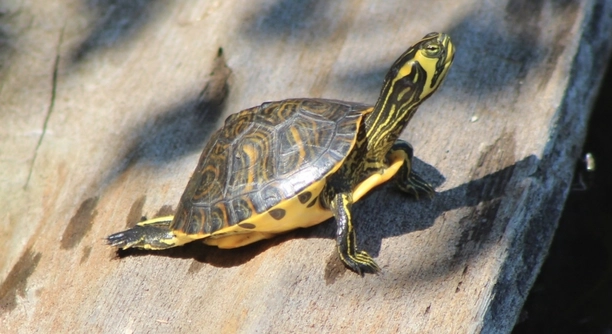
Transitioning a Yellow-Bellied Slider from a tank to a pond requires careful planning. This process is important to ensure the turtle’s health and comfort. There are several key steps to follow to make the transition smooth.
The key to a successful transition involves gradually acclimating the turtle to the outdoor pond environment. Ensure the pond is safe, provides proper UVB light, and has adequate water quality for your turtle’s needs. Start by introducing the turtle to the new habitat slowly.
Properly managing this process will allow your turtle to thrive in its new pond home. Follow these steps to ensure a smooth transition.
Preparing the Pond for Your Yellow-Bellied Slider
Before transitioning your Yellow-Bellied Slider to a pond, ensure the pond is safe and suitable for its needs. The pond should have shallow areas for basking and deeper areas for swimming. The water quality is crucial—check for proper filtration and ensure the water is free from harmful chemicals. Make sure the pond provides a variety of habitats, including places where your turtle can hide and rest. A well-maintained pond with natural plants and some rocks will give your turtle plenty of opportunities for enrichment.
Start by thoroughly cleaning the pond and testing the water quality. A proper filtration system is essential to remove excess waste and debris. Introduce plants and rocks to help replicate natural conditions. Consider adding a heat source or basking platform for the turtle to soak up UVB light. Over time, your turtle will feel more comfortable in the new space.
Remember that the transition takes time. Gradual adjustments are key to reducing stress.
Gradually Acclimating Your Turtle
When introducing your Yellow-Bellied Slider to the pond, start with short sessions.
Place your turtle in the pond for 15-30 minutes a day for the first few days. Gradually increase the time it spends in the pond as it adjusts. During these short sessions, observe how the turtle interacts with the new environment. Look for signs of stress, like excessive swimming or hiding. If the turtle shows signs of distress, reduce the time spent in the pond and reintroduce it slowly over a longer period. This helps avoid overwhelming your pet with too much change too quickly.
By gradually increasing the time spent in the pond, your turtle will begin to adapt to the new space. Once it feels comfortable, it can stay in the pond for longer periods.
Ensuring Proper Water Quality
Check the pond’s water quality frequently to keep it safe for your Yellow-Bellied Slider. Use a water testing kit to monitor pH, ammonia, nitrite, and nitrate levels.
Good water quality is essential for the turtle’s health. A properly filtered pond will help maintain clean water and prevent harmful bacteria buildup. If needed, change the water regularly. Ensure the pond is large enough to avoid overcrowding, which can lead to poor water quality. Install a filtration system that can handle the pond’s size, removing debris and waste efficiently. Healthy water supports the turtle’s immune system, reducing stress.
Regularly test the water and perform necessary adjustments to maintain ideal conditions. The right water quality encourages your turtle to be active and healthy. Always keep an eye out for changes in water color or odor, which may signal a problem.
Setting Up a Basking Area
Your Yellow-Bellied Slider will need a spot to bask and absorb UVB light. A dry basking area is essential.
The basking spot should be large enough for the turtle to fully stretch out. Use smooth rocks or a floating platform to create a stable surface. Position the basking area near a heat source to keep it warm. Proper warmth is crucial for digestion, metabolism, and overall health. Ensure that the area is elevated above the water to allow your turtle to climb easily.
This basking spot is essential for your turtle’s wellbeing. Along with UVB lighting, which is vital for calcium metabolism, the basking area ensures that your turtle remains healthy and active.
Providing Proper UVB Lighting
UVB lighting is crucial for your turtle’s health, especially if it’s transitioning to an outdoor pond.
If natural sunlight is limited, consider adding UVB bulbs to the pond area. This lighting is necessary for vitamin D3 production, which helps absorb calcium. Make sure the UVB source is within the turtle’s basking area and positioned correctly to allow adequate exposure.
If you’re using natural sunlight, ensure the turtle gets access to direct sun for a few hours each day. Too little UVB exposure can lead to shell deformities and metabolic bone disease.
Pond Depth and Design
Your pond needs both shallow and deeper areas for your turtle’s comfort and safety.
Shallow zones allow your turtle to bask and warm up, while deeper zones provide a safe area for swimming. Ensure that the deepest section of the pond is at least 18-24 inches. These varying depths allow your turtle to regulate its temperature and feel secure in the water. Adding rocks or submerged platforms gives your turtle spots to rest.
This type of setup mimics a natural environment, making it easier for the turtle to adapt and feel at ease. The right design promotes both physical and mental health.
Monitoring Temperature
Proper temperature management is key for your Yellow-Bellied Slider’s transition.
The water temperature should be kept between 70°F and 75°F, while the basking area needs to stay between 85°F and 90°F. Monitor the water temperature daily to ensure it stays within the safe range. Sudden changes can stress your turtle, so be cautious when adjusting the temperature.
A consistent, comfortable environment is essential for the turtle’s overall health.
FAQ
How long does it take for a Yellow-Bellied Slider to adjust to the pond?
The adjustment period can take several weeks. During this time, your turtle will slowly become familiar with its new environment. Start with short sessions and gradually increase the duration to allow the turtle to feel comfortable. Observe its behavior closely for signs of stress, such as excessive hiding or erratic swimming, and adjust the transition time if needed.
Can my Yellow-Bellied Slider live in the pond year-round?
In many climates, a Yellow-Bellied Slider can live in a pond year-round, but it depends on the weather. In cooler climates, the water temperature may drop too low in winter, which could harm your turtle. If you live in an area with cold winters, consider bringing your turtle inside or setting up a heated area in the pond to keep the temperature stable. In warmer regions, your turtle can thrive in the pond year-round.
What should I feed my Yellow-Bellied Slider in the pond?
In the pond, your Yellow-Bellied Slider can forage for natural foods such as aquatic plants, insects, and small fish. However, you should still supplement its diet with turtle pellets or other commercial foods designed for aquatic turtles. Ensure the turtle gets a balanced diet with sufficient calcium and protein to maintain a healthy shell and overall well-being.
How do I keep the pond water clean?
To keep the pond water clean, you’ll need a reliable filtration system that removes debris and waste. Regularly check the filter and clean it as needed. In addition, removing fallen leaves, uneaten food, and any other debris will help maintain good water quality. If the pond is heavily planted, it will help absorb excess nutrients and keep the water clearer.
Is it necessary to provide a basking area for my Yellow-Bellied Slider in the pond?
Yes, a basking area is necessary for your Yellow-Bellied Slider to regulate its body temperature and absorb UVB light. This area should be dry and positioned in a spot that gets sunlight. If sunlight is limited, consider using a UVB bulb to provide adequate lighting. Without a proper basking area, your turtle could suffer from health issues like metabolic bone disease.
How deep should the pond be for a Yellow-Bellied Slider?
The pond should have a depth of at least 18 to 24 inches, with deeper areas for swimming. Shallow sections should also be available for basking and warming up. Having varied depths allows your turtle to regulate its temperature by moving between warmer and cooler areas. A pond that is too shallow may not provide enough space for your turtle to swim or hide.
What is the ideal water temperature for a Yellow-Bellied Slider in the pond?
The ideal water temperature for a Yellow-Bellied Slider is between 70°F and 75°F. The basking area should be warmer, ideally between 85°F and 90°F. Keep the temperature consistent to ensure your turtle is comfortable and active. You can monitor the temperature with a thermometer to avoid sudden drops or spikes that may stress the turtle.
Should I add plants to the pond?
Yes, adding plants to the pond is beneficial for your Yellow-Bellied Slider. Plants provide hiding spots, help improve water quality by absorbing excess nutrients, and can give your turtle a more natural environment. Aquatic plants like water lilies and duckweed are great options, as they offer shade and food. Just be sure to remove any plants that may die or rot, as this can affect water quality.
How often should I change the water in the pond?
Changing the water in the pond should be done regularly to maintain proper water quality. While a good filtration system can help reduce the need for frequent water changes, a partial water change every few weeks is recommended. If you notice cloudy water or an increase in waste, it’s a good idea to change a larger portion of the water to keep it clean and safe for your turtle.
Can I keep more than one Yellow-Bellied Slider in the same pond?
Yes, you can keep more than one Yellow-Bellied Slider in the same pond, but you should consider the space and the potential for territorial behavior. Turtles are generally solitary creatures and may become aggressive toward each other, especially if the pond is small. Make sure there is enough space for each turtle to bask and swim without conflict. If you observe fighting or stress, it might be necessary to separate them.
Is it safe to have other animals in the pond with my Yellow-Bellied Slider?
It depends on the species of animals you’re considering. Smaller fish, snails, and amphibians can generally coexist with Yellow-Bellied Sliders, but be cautious with any animals that might become prey or compete for resources. Avoid adding species that could harm your turtle or cause stress, such as aggressive fish or larger predators.
What should I do if my Yellow-Bellied Slider isn’t eating in the pond?
If your turtle isn’t eating, it may be due to stress from the transition or environmental factors such as water temperature or quality. Ensure that the pond setup is appropriate, and give your turtle time to adjust. If the issue persists, check for signs of illness or consult a veterinarian to rule out any health problems. Keep an eye on its behavior and food intake to ensure it’s adapting well.
Final Thoughts
Transitioning your Yellow-Bellied Slider from a tank to a pond is a process that requires careful planning and attention to detail. While it may seem like a simple step, the changes in the environment can be quite significant for your turtle. By considering its needs for space, temperature, lighting, and diet, you ensure that the turtle can adjust smoothly and thrive in its new outdoor home. Having the right pond setup, complete with basking areas and water filtration, can make all the difference in providing a comfortable and safe habitat.
Monitoring your turtle’s behavior during the transition is important. Some turtles may adapt more quickly than others, but all turtles need time to adjust to their new environment. Be patient and observant, checking for signs of stress such as lack of appetite or excessive hiding. It’s also essential to keep an eye on the water temperature and quality, as poor conditions can lead to health issues. Regularly cleaning the pond and maintaining proper filtration will keep the water fresh and safe, helping to prevent any problems.
In the long run, providing a pond for your Yellow-Bellied Slider can benefit its health and well-being. A pond allows for natural behaviors, such as foraging for food, basking, and swimming. With the right care and attention, your turtle will adapt and enjoy the freedom that an outdoor pond offers. Following the steps mentioned will not only help with the transition but will also create an ideal environment for your turtle’s long-term happiness.

Hello,
If you enjoy the content that we create, please consider saying a "Thank You!" by leaving a tip.
Every little bit helps us continue crafting quality advice that supports the health, happiness, and well-being of pets around the world, for pets of all shapes, sizes, and species.
We really appreciate the kindness and support that you show us!