
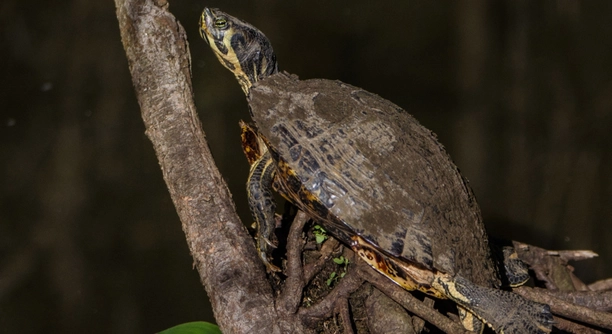
Yellow-bellied sliders are popular pets known for their calm nature and bright yellow markings. If you have one, you might be curious about what foods they can eat. Carrots are often considered healthy for humans, but what about turtles?
Yes, yellow-bellied sliders can eat carrots, but only in moderation. While carrots provide some beneficial nutrients like vitamin A, they should not be the main part of their diet. It is best to offer carrots as an occasional treat.
Learning the best ways to feed your yellow-bellied slider can help keep it healthy and happy. Let’s explore what other foods can benefit your turtle.
Can Carrots Be Part of Their Regular Diet?
Carrots are a nutritious food for humans, but when it comes to yellow-bellied sliders, they should be treated as an occasional snack rather than a main dish. These turtles primarily need a balanced diet of both plant and animal matter. While carrots offer some benefits, including vitamin A, they are not nutritionally complete enough to form the bulk of their diet. Offering too many carrots can lead to imbalances, especially because they are low in calcium and other essential nutrients that turtles need to thrive. It’s important to feed them a variety of foods to ensure they get the right balance of vitamins and minerals.
Offering carrots in small, chopped pieces is the best approach when adding them to your slider’s diet. It can help prevent choking and ensure that the turtle enjoys them safely. When you feed carrots occasionally, it gives your turtle a chance to enjoy a different flavor and texture without compromising its health.
In addition to carrots, yellow-bellied sliders benefit from leafy greens, aquatic plants, and occasional protein sources such as insects and fish. Providing a wide variety of foods will keep them healthy and active.
Are There Any Risks with Feeding Carrots?
While carrots can be safe in moderation, they do carry some risks if overfed. Over-reliance on carrots can lead to nutritional gaps in your turtle’s diet.
Carrots are high in sugar, which can cause digestive issues in turtles if consumed in excess. These sugary vegetables can also cause weight gain, which is a concern for your turtle’s long-term health. Carrots do not provide adequate amounts of calcium or other essential minerals, so they should never replace more nutrient-dense foods in their diet. If you overfeed carrots, your slider could develop shell deformities or other health issues that stem from improper nutrition.
To avoid problems, consider offering carrots as a treat once a week instead of daily. This will allow your turtle to enjoy them without risking any adverse effects. Other healthier alternatives, like dark leafy greens and aquatic plants, should be the focus of their diet to maintain good health.
How to Prepare Carrots for Your Turtle
Before feeding carrots to your yellow-bellied slider, it’s important to prepare them properly. Start by washing the carrot thoroughly to remove any dirt or chemicals that may be harmful.
Once cleaned, cut the carrot into small, manageable pieces. This is key to preventing choking and ensuring your turtle can eat the carrot without any issues. You can slice it into thin rounds or small chunks depending on what is easier for your slider to eat.
Avoid feeding whole carrots as they might be difficult for your turtle to bite and swallow. Chopping the carrot will also allow your turtle to digest it more easily. Carrots should only be given occasionally, ensuring that they remain a treat rather than a regular part of their diet.
Other Vegetables to Feed Yellow-Bellied Sliders
If you’re looking to add more variety to your turtle’s diet, several vegetables can complement carrots. Dark leafy greens like kale, collard greens, and dandelion greens are excellent choices. These vegetables are rich in calcium and other essential vitamins that your slider needs to stay healthy.
Aquatic plants such as water lettuce or water hyacinth are also great additions. They are naturally found in their habitat, making them a familiar and healthy option. You can also offer a mix of vegetables, which ensures your turtle is getting a wide range of nutrients.
In addition to vegetables, don’t forget to provide protein-rich foods like insects or fish to ensure a balanced diet. This helps meet the animal protein needs of your slider and ensures they grow and stay healthy.
Can Carrots Be Harmful?
Carrots, while healthy in small amounts, can become problematic if fed too frequently. They are high in sugar, which can lead to obesity and other health issues in yellow-bellied sliders. Excess sugar can also cause digestive problems.
Feeding too many carrots can lead to nutritional imbalances. Since carrots are low in calcium, they should not replace calcium-rich foods, which are crucial for a turtle’s shell development and overall health. Always make sure carrots are just an occasional treat in a varied diet.
The Right Balance of Foods for Yellow-Bellied Sliders
Yellow-bellied sliders need a balanced diet that includes both plant matter and animal protein. It’s important to offer them a combination of leafy greens, aquatic plants, and occasional protein sources like fish or insects. A diet that includes variety ensures they get the proper nutrition for growth and energy.
In addition to vegetables and protein, make sure they have access to calcium-rich foods, such as cuttlefish bone or calcium supplements. Without enough calcium, your slider may experience shell deformities or other health issues. A balanced, well-rounded diet is key to maintaining your turtle’s health.
FAQ
Can yellow-bellied sliders eat raw carrots?
Yes, yellow-bellied sliders can eat raw carrots. However, it is important to prepare them properly by washing and cutting them into small, bite-sized pieces. This makes it easier for your turtle to eat and digest the carrot. Make sure not to overfeed carrots, as they should only be offered occasionally to avoid any nutritional imbalances.
How often can I feed carrots to my yellow-bellied slider?
Carrots should be fed to your yellow-bellied slider sparingly. Ideally, offer carrots as a treat once or twice a week. This will give your turtle the occasional variety it enjoys, but it won’t overrun their diet with sugar or cause imbalances in their nutritional intake. A diverse diet is key.
Are carrots good for my yellow-bellied slider?
Carrots can be a good occasional snack for your yellow-bellied slider as they provide vitamin A and other nutrients. However, they lack essential minerals like calcium and are low in protein. So while carrots offer some benefits, they shouldn’t be a major part of your turtle’s regular diet.
Can yellow-bellied sliders eat cooked carrots?
While raw carrots are preferable, yellow-bellied sliders can eat cooked carrots in small amounts. However, avoid seasoning or using oil, as these can be harmful to your turtle. Cooking carrots can soften them, making them easier to digest, but it’s best to limit cooked veggies and focus on a varied, raw diet.
Can my yellow-bellied slider eat baby carrots?
Yes, baby carrots are safe for yellow-bellied sliders to eat. Since they are smaller, they may be easier for your turtle to manage compared to regular-sized carrots. However, as with larger carrots, they should only be offered occasionally and cut into smaller pieces to avoid choking.
Are carrots the only vegetable my turtle can eat?
No, carrots are not the only vegetable suitable for yellow-bellied sliders. There are many other vegetables that you can feed them, such as kale, dandelion greens, collard greens, and water plants like water lettuce. A variety of vegetables helps ensure that your turtle receives a broad range of nutrients.
Can carrots help with my turtle’s vision?
Yes, carrots can benefit your turtle’s vision. They are a source of beta-carotene, which is a precursor to vitamin A. This vitamin is important for healthy vision and immune system function. However, carrots should still be given in moderation to avoid other health issues related to overfeeding.
Should I peel carrots before feeding them to my turtle?
It is not necessary to peel carrots before feeding them to your yellow-bellied slider. The skin contains fiber and nutrients that can benefit your turtle. However, make sure to wash the carrot thoroughly to remove any dirt or pesticides. If you prefer, you can peel the carrot, but it is not required.
Can yellow-bellied sliders eat carrot tops?
Yes, yellow-bellied sliders can eat carrot tops. Carrot greens are a healthy option and provide additional fiber and nutrients. Just ensure that they are cleaned well before offering them to your turtle. These tops can be an interesting addition to their diet when fed occasionally.
Can I feed my turtle only vegetables?
While yellow-bellied sliders do need vegetables as part of their diet, they should not eat only vegetables. These turtles are omnivores and require animal protein for balanced nutrition. Protein sources such as insects, fish, or even small amounts of lean meat should be included in their meals alongside vegetables.
Do carrots help with shell growth in yellow-bellied sliders?
Carrots alone will not directly contribute to shell growth in yellow-bellied sliders. Proper shell growth requires a balanced diet that includes adequate amounts of calcium. While carrots provide beneficial vitamins, they lack the necessary minerals for healthy shell development. Be sure to include calcium-rich foods and supplements in their diet.
Can my turtle eat carrot juice?
It is not advisable to feed carrot juice to your yellow-bellied slider. Carrot juice lacks the fiber that is present in whole carrots, and turtles need fiber for proper digestion. Additionally, carrot juice can be high in sugar, which should be limited in your turtle’s diet. Stick to feeding them whole vegetables instead.
Are carrots a good source of fiber for turtles?
Carrots do provide some fiber, which is good for digestion, but they should not be the primary source of fiber in your turtle’s diet. Leafy greens like kale, collard greens, and dandelion greens are better fiber sources and should make up the bulk of their plant intake.
Can I feed my yellow-bellied slider carrots if it has shell issues?
If your yellow-bellied slider is dealing with shell problems, it’s important to focus on a calcium-rich diet. Carrots, while healthy in moderation, should not be relied on to address shell issues. A calcium supplement or calcium-rich foods such as cuttlefish bone should be prioritized to support shell recovery.
What is the best vegetable for yellow-bellied sliders?
The best vegetables for yellow-bellied sliders are dark, leafy greens such as kale, collard greens, and dandelion greens. These provide essential nutrients like calcium and vitamin A, which are important for their overall health. Aquatic plants like water lettuce are also a great choice to mimic their natural diet.
Can carrots be part of a baby yellow-bellied slider’s diet?
Baby yellow-bellied sliders can eat carrots, but they should be introduced gradually and only in small amounts. Their diet should focus on easily digestible protein sources like insects and aquatic plants. Too many carrots at this stage could cause digestive issues or hinder their growth. Always ensure they get a balanced, varied diet.
Final Thoughts
Feeding carrots to yellow-bellied sliders can be a fun and healthy way to offer variety in their diet, but they should only be given in moderation. Carrots are rich in vitamin A and other beneficial nutrients, which can support your turtle’s vision and immune health. However, because they are low in calcium and high in sugar, carrots should not be the main component of your slider’s meals. A well-balanced diet with a mix of vegetables, aquatic plants, and animal protein will help keep your turtle healthy and thriving.
It’s important to remember that yellow-bellied sliders are omnivores, and they need both plant-based and animal-based foods. While carrots can be a tasty treat, they should never replace more essential foods like leafy greens and calcium-rich options. Offer a variety of vegetables such as kale, collard greens, and water plants to ensure your slider is getting the nutrition it needs. Animal protein like insects or fish should also be part of their regular diet. This combination of food types will support your turtle’s growth, shell health, and overall well-being.
When feeding carrots to your yellow-bellied slider, always make sure to prepare them properly. Clean the carrots well, cut them into small pieces, and offer them only occasionally. Too many carrots can lead to nutritional imbalances and digestive problems. By treating carrots as an occasional snack and sticking to a varied, balanced diet, you’ll help your turtle live a long, healthy life.

Hello,
If you enjoy the content that we create, please consider saying a "Thank You!" by leaving a tip.
Every little bit helps us continue crafting quality advice that supports the health, happiness, and well-being of pets around the world, for pets of all shapes, sizes, and species.
We really appreciate the kindness and support that you show us!