
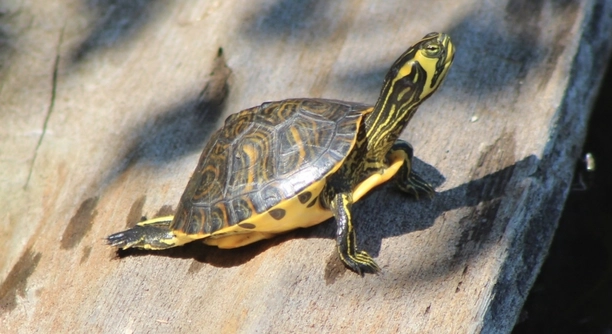
Yellow-bellied sliders are a popular type of turtle kept as pets, but they require careful attention to their environment. As reptiles, they are sensitive to temperature changes, and understanding how to identify when they are overheating is crucial to their health.
The most common signs of overheating in yellow-bellied sliders include rapid breathing, lethargy, and avoiding the basking area. Ensuring they have access to cooler water and a proper temperature gradient will help prevent overheating and maintain their well-being.
Knowing how to spot the signs of overheating in your turtle can help you prevent serious health issues. Let’s take a closer look at how to keep your slider comfortable and healthy.
Common Causes of Overheating in Yellow-Bellied Sliders
Overheating in yellow-bellied sliders typically occurs due to high ambient temperatures or improper basking conditions. These turtles need a temperature gradient in their tank, with cooler water and a warm basking area. When temperatures get too high, they may struggle to regulate their body temperature, leading to stress. If the water temperature is above 80°F, it can cause them to overheat. Similarly, if their basking area is too hot, they can become lethargic and avoid basking altogether. Exposure to direct sunlight for long periods without access to cooler areas can also contribute to overheating.
Overheating is a serious issue and can lead to dehydration, fatigue, or worse, long-term health complications.
Maintaining a proper tank setup is key to keeping your slider healthy. Be sure to regularly check both water and basking temperatures to ensure they fall within the appropriate range. Providing hiding spots and areas of cool water can also help your turtle maintain its comfort and avoid overheating.
Signs Your Yellow-Bellied Slider Is Overheating
When your yellow-bellied slider is overheating, certain behaviors and physical signs will be visible. They may start to breathe rapidly, as if they’re gasping for air. This is a sign that they are trying to cool themselves down. They may also become more lethargic than usual, spending more time submerged in water or hiding. Another clear sign is that they may avoid basking or bask for only short periods. Their normal behavior may change drastically, and they may appear sluggish or weak.
Recognizing these signs early on can prevent further stress to your turtle.
If your slider is displaying any of these symptoms, it’s essential to act quickly. Move them to a cooler environment, ensure the water temperature is within the correct range (usually 75-80°F), and provide access to shade or cooler areas. Taking these steps can help your turtle recover and avoid prolonged exposure to harmful temperatures.
How to Keep Your Yellow-Bellied Slider Cool
To prevent overheating, it’s important to maintain a proper tank environment. The water temperature should stay between 75-80°F, and the basking area should be around 85-90°F. This temperature gradient allows your turtle to move between cooler and warmer areas as needed.
You can achieve this by using a reliable water heater with a thermometer to monitor the temperature. Regularly check the basking light to ensure it isn’t too hot. If it’s summer or particularly hot in your home, you might need to adjust your turtle’s setup or use fans or air conditioning to keep the room cool.
Consider adding some natural elements to the tank. For example, floating plants or rocks can provide shade and give your turtle options for cooler spaces. Changing the water more frequently during hot months can help maintain a comfortable environment. Always keep an eye on how your turtle is responding to temperature changes.
What to Do When Your Slider Is Overheating
If you notice signs of overheating, take action quickly to cool down your turtle. Move them to a cooler spot away from direct heat sources and give them access to cooler water. You can also turn off the basking light if it feels too hot.
Allowing your turtle to acclimate to a lower temperature helps their body recover. You can place them in a shallow tub of cool water (not too cold) for a short period to lower their body temperature. Make sure the water doesn’t have sudden temperature drops, as this could cause stress.
If your slider continues to show signs of distress, consider visiting a veterinarian who specializes in reptiles. Overheating can lead to serious issues if not addressed. A professional can help assess whether further care is needed.
Importance of Hydration
Keeping your yellow-bellied slider well-hydrated is essential in preventing overheating. Dehydration can exacerbate the effects of high temperatures and make it harder for your turtle to regulate its body temperature.
Ensure there is always fresh water available in the tank. You can also mist the turtle or provide water dishes that encourage them to drink. This extra hydration helps support their overall health, especially when temperatures rise.
Proper Tank Setup for Heat Control
A tank with a well-maintained temperature gradient is crucial for your slider’s well-being. It’s important to have areas with both cooler water and a basking spot to allow them to regulate their body temperature.
Adding a thermometer to the tank lets you monitor water and air temperature regularly. You can also use a UVB light for proper basking, but be mindful not to overheat the tank. Creating this balanced environment helps prevent overheating and supports their natural behavior.
How to Spot Stress Indicators
When your turtle is stressed from overheating, it may show signs like excessive basking, lethargy, or a lack of appetite. These are common indicators of discomfort that can stem from high temperatures.
Pay attention to how they behave when they are in their tank. If they are staying submerged more often or seem to avoid basking, these could be signs that they need a cooler environment. Keep a close eye on any change in their routine or habits.
FAQ
How can I tell if my yellow-bellied slider is overheating?
If your yellow-bellied slider is overheating, you may notice behaviors like rapid breathing, lethargy, or avoiding basking. They may stay submerged for longer periods or hide more often. You might also see them gasping for air. Check the tank temperature regularly to ensure it falls within the safe range. If your turtle is too hot, it will try to cool itself, which often leads to unusual behaviors.
What temperature should my yellow-bellied slider’s water be?
The water temperature should be between 75-80°F. If the water gets too warm, your turtle may struggle to regulate its body temperature, leading to overheating. Keeping the water cool helps your slider stay comfortable and active. Use a thermometer to monitor the water temperature daily and adjust the heater as needed.
How can I keep my yellow-bellied slider cool during hot weather?
During hot weather, make sure your turtle’s tank is in a cool, shaded area away from direct sunlight. You can also use fans to help lower the temperature in the room or provide extra air circulation. Changing the water more frequently can also help to maintain a comfortable temperature for your slider.
What signs indicate my turtle is dehydrated?
Signs of dehydration in yellow-bellied sliders include dry or sunken eyes, lethargy, and reduced appetite. If your turtle isn’t drinking water, it can lead to dehydration, especially in hot conditions. Ensure fresh water is always available and that your slider is drinking enough. Providing water for soaking can also help with hydration.
How often should I change the water in my slider’s tank?
You should change the water in your slider’s tank at least once a week to maintain a clean and healthy environment. If it’s very hot outside or your turtle is more active, you might need to change the water more often. This helps prevent the buildup of waste and toxins that can affect your turtle’s health.
What should I do if my turtle is too hot?
If your yellow-bellied slider is too hot, move it to a cooler area immediately. Ensure the tank’s temperature is within the correct range by adjusting the heater or moving the tank out of direct sunlight. You can also give your turtle access to cooler water by placing it in a shallow tub for a short time.
Can a yellow-bellied slider overheat in the wild?
Yes, yellow-bellied sliders can overheat in the wild, especially if they bask for too long in direct sunlight without access to cooler water. In nature, they have the freedom to move between water and land to regulate their body temperature. However, if environmental factors change too quickly, they may overheat, just as they can in captivity.
Do yellow-bellied sliders need a basking light?
Yes, yellow-bellied sliders need a basking light to help them regulate their body temperature and provide essential UVB rays. However, make sure the basking light isn’t too hot. Keep the basking area temperature between 85-90°F, allowing your turtle to move to cooler water when needed. Too much heat in the basking area can cause overheating.
What should I do if my slider is refusing to bask?
If your slider is refusing to bask, it could be a sign that the basking area is too hot or too cold. Check the temperature of the basking spot and adjust it accordingly. If the water temperature is too warm, your turtle may avoid basking. Ensure there’s a proper temperature gradient and that your turtle has access to both warmer and cooler areas in its tank.
Is it normal for my yellow-bellied slider to stay in the water all the time?
It’s normal for your yellow-bellied slider to spend a lot of time in the water, but it should also come out to bask regularly. If your turtle is avoiding the basking area or staying submerged for too long, it could be a sign that it is too hot or too cold in the tank. Ensure that both the water and basking areas are within the appropriate temperature range. If the behavior persists, there could be an underlying health issue.
Can I use a fan to cool down my turtle’s tank?
Yes, using a fan can help lower the temperature in your turtle’s tank. A fan can promote air circulation, which helps cool the tank down, especially if the room is getting too warm. Just be careful not to place the fan too close to the tank, as it can dry out the environment and affect humidity levels.
How often should I monitor the temperature of my turtle’s tank?
You should check the temperature of your turtle’s tank daily to ensure the water and basking areas are within the proper range. Keeping a thermometer in both the water and the air helps you maintain an ideal temperature gradient. Frequent monitoring will help you catch any temperature issues before they become a problem.
What should I do if my slider shows signs of heatstroke?
If your slider shows signs of heatstroke, such as rapid breathing, weakness, or lethargy, immediately move them to a cooler environment. Place them in shallow, cool water (not too cold) to help bring down their body temperature. If symptoms persist or worsen, contact a vet who specializes in reptiles for further care.
Can I use a heat lamp for my yellow-bellied slider?
Yes, a heat lamp is essential for providing your yellow-bellied slider with warmth and UVB rays. Ensure the lamp is set up correctly to avoid overheating the basking area. The basking spot should be around 85-90°F. If the lamp is too hot, it could cause your slider to overheat, so monitor the temperature regularly.
Final Thoughts
Maintaining a proper environment for your yellow-bellied slider is crucial to their overall health. Overheating can lead to serious issues, and understanding the signs of it is the first step in preventing harm. Regularly monitoring the temperature in your turtle’s tank and ensuring that both the water and basking areas are within the correct range is essential. A consistent temperature gradient will allow your turtle to move between areas of warmth and coolness, helping them regulate their body temperature naturally.
Along with temperature control, hydration is key to keeping your slider comfortable. Dehydration can worsen the effects of overheating and stress your turtle’s system. Be sure to offer fresh, clean water at all times and provide opportunities for your turtle to soak when needed. Regularly checking on their behavior, including how often they bask and how much time they spend in the water, will give you important clues about their comfort level. If you notice any unusual signs, it’s best to address them quickly before the situation worsens.
By being proactive with their environment and paying attention to their behavior, you can avoid the risks associated with overheating. If you notice any signs of distress, such as excessive lethargy or rapid breathing, take immediate action to cool them down. Moving them to a cooler environment, adjusting their tank setup, and ensuring they stay hydrated are important steps in helping your slider recover. Keeping your yellow-bellied slider healthy involves regular care and a keen eye for any signs of stress.

Hello,
If you enjoy the content that we create, please consider saying a "Thank You!" by leaving a tip.
Every little bit helps us continue crafting quality advice that supports the health, happiness, and well-being of pets around the world, for pets of all shapes, sizes, and species.
We really appreciate the kindness and support that you show us!