
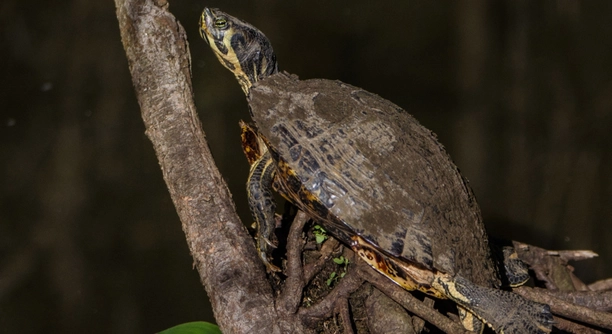
Yellow-bellied sliders, like all pets, can get stressed, which affects their health and happiness. It’s important to recognize the signs and know how to help them feel safe and calm.
To reduce stress in yellow-bellied sliders, create a comfortable and stable environment with proper lighting, temperature, and water quality. Provide hiding spots, regular feeding routines, and minimize loud noises or sudden movements that could upset them.
By following simple steps, you can help your yellow-bellied slider thrive in a less stressful environment, ensuring they stay healthy and happy.
1. Creating a Comfortable Habitat
A comfortable habitat is essential for reducing stress in yellow-bellied sliders. They need a proper balance of light, heat, and water quality. If the tank is too warm or cold, it can make your turtle uncomfortable. Make sure the water temperature is kept between 75 and 85°F (24-29°C). Provide a basking area with a heat lamp so they can warm up when needed.
Aside from temperature, having clean, clear water is crucial. Sliders can be sensitive to poor water quality, so regular water changes and proper filtration are a must. Dirty water can cause skin and shell issues, adding unnecessary stress.
Lastly, offering a few hiding spots in their tank can make them feel more secure. Places to retreat help reduce feelings of vulnerability. Adding some aquatic plants or small caves can be both functional and visually appealing, making the habitat feel more natural for them.
2. Establishing a Feeding Routine
A consistent feeding schedule can go a long way in reducing stress. When they know when and what to expect, it brings a sense of security. This routine helps them feel more relaxed, reducing any anxiety related to food.
Yellow-bellied sliders thrive on a balanced diet of both animal and plant-based foods. Offering high-quality pellets along with fresh vegetables will meet their nutritional needs. Additionally, providing occasional live food, like insects or fish, can enrich their diet. The key is variety, which mimics their natural eating habits.
It’s also important to avoid overfeeding. This can cause stress by overloading their digestive system, leading to health problems like shell rot. Allowing them time to digest their meals properly before offering the next feeding helps keep them calm. Avoid sudden changes in their diet, as this can cause confusion and unease.
3. Minimizing Loud Noises
Loud noises can be unsettling for yellow-bellied sliders. These turtles are sensitive to their surroundings, and sudden sounds can cause them to feel threatened. This can lead to stress and even health problems. Try to keep their environment as quiet as possible.
A peaceful setting is essential for their well-being. Avoid placing their tank near areas with frequent loud sounds, like televisions, stereos, or noisy appliances. If possible, keep them in a quiet room away from high-traffic areas. Creating a calm space will help your slider feel secure and more at ease.
You should also be mindful of how you interact with them. Sliders may startle when you move suddenly or approach too quickly. By keeping your movements slow and gentle, you help prevent unnecessary stress. This also helps them learn to trust you, which is key in keeping them relaxed.
4. Ensuring Proper Tank Size
A tank that’s too small can cause stress for your yellow-bellied slider. They need enough space to swim and explore comfortably. A cramped tank may cause them to feel confined, leading to frustration and anxiety.
The minimum recommended tank size for a single yellow-bellied slider is 40 gallons. The larger the tank, the better, as it provides room for them to roam. Along with space for swimming, include areas for basking and hiding. A well-sized tank not only supports their physical health but their mental well-being too.
Having enough room to move around helps reduce boredom, which can be another source of stress. If they feel restricted, they may become lethargic or even develop health issues. Regularly check that the tank is still appropriately sized as they grow. Adjustments may be necessary to ensure they always have the space they need to thrive.
5. Maintaining Clean Water
Dirty water can stress yellow-bellied sliders and lead to health problems. Make sure to clean the tank regularly, replacing part of the water and checking the filter. Clean water supports healthy skin and shell, reducing stress.
Water changes should be done every two weeks, but you may need to do it more often if the water gets dirty quicker. Make sure to monitor the water’s pH, ammonia, and nitrate levels. Proper filtration will help keep water clean and balanced, making it easier for your slider to feel at ease.
You should also remove any leftover food daily to prevent it from decaying and affecting the water quality. A clean environment helps prevent illness and allows your turtle to thrive.
6. Limiting Stress from Handling
While yellow-bellied sliders can enjoy gentle interaction, too much handling can cause stress. Keep handling to a minimum to avoid making your turtle feel threatened. They prefer observing rather than being touched frequently.
When you do handle them, be calm and slow. Avoid picking them up too high or for too long. Allow them to crawl on their own, and don’t force them into unfamiliar situations. This will help them feel more comfortable and less stressed when interacting with you. Respect their space and pace to build trust.
7. Proper Lighting for Health
Yellow-bellied sliders need proper lighting for their well-being. UVB light is essential for their shell and bone health, as it helps them process calcium. Place a UVB light above their basking area for around 10 to 12 hours a day.
A heat lamp is also necessary to ensure your turtle can regulate its body temperature. The basking area should reach 90-95°F (32-35°C), while the water should remain cooler. Balanced lighting helps mimic their natural habitat and supports their overall health. Make sure to replace bulbs regularly for consistent results.
FAQ
How can I tell if my yellow-bellied slider is stressed?
Stress in yellow-bellied sliders can show in different ways. If your turtle is frequently hiding, not eating, or becoming lethargic, these could be signs of stress. You might also notice aggressive behavior or excessive basking. Shell problems, like discoloration or soft spots, can also indicate stress or poor health.
What are the main causes of stress for yellow-bellied sliders?
The most common causes of stress include improper water conditions, poor tank size, sudden temperature changes, loud noises, and inconsistent feeding routines. Lack of hiding spots or excessive handling can also make them feel unsafe. These factors can lead to both physical and behavioral issues.
Can yellow-bellied sliders get stressed if they are alone?
Yellow-bellied sliders are solitary animals by nature, so they can be perfectly content living alone. However, they may experience stress if their environment is not suitable. Ensure that their tank is large enough, clean, and provides adequate lighting and basking areas.
How often should I feed my yellow-bellied slider?
Young yellow-bellied sliders need to be fed every day, while adults can be fed every other day. It’s important to establish a feeding routine to help reduce stress. Make sure to provide a balanced diet of pellets, vegetables, and occasional live food. Avoid overfeeding, as this can cause digestive issues.
What temperature should the water be for my yellow-bellied slider?
Water temperature should be kept between 75°F and 85°F (24°C to 29°C) for optimal health. If the water is too cold, it can make your slider sluggish and stressed. Too warm, and it may cause overheating. A submersible water heater can help maintain a consistent temperature.
How can I make my yellow-bellied slider feel more secure?
Adding hiding spots, such as aquatic plants or small caves, can help your turtle feel safer. They need places where they can retreat when they feel threatened. This is especially important if there are other pets or constant movement around the tank.
Is it okay to handle my yellow-bellied slider?
Handling your slider occasionally is fine, but excessive handling can stress them out. Keep interactions calm and limited. Let them crawl at their own pace instead of picking them up too often. Over-handling can cause them to feel vulnerable or threatened.
How long do yellow-bellied sliders live?
Yellow-bellied sliders can live anywhere from 20 to 30 years in captivity, sometimes even longer with proper care. They need a consistent, well-maintained environment throughout their life to thrive.
Can stress affect the health of my yellow-bellied slider?
Yes, chronic stress can lead to serious health problems, such as shell rot, poor appetite, and weakened immune systems. Stress weakens their ability to fight off infections, making them more susceptible to illness. Reducing stress helps maintain their health and quality of life.
What should I do if my yellow-bellied slider isn’t eating?
If your slider isn’t eating, check the water conditions, tank temperature, and lighting. Stress or poor habitat conditions may cause them to lose interest in food. Ensure their diet is varied and fresh, offering both plant and animal matter. If the problem persists, consult a vet.
How do I keep the tank water clean?
To keep the water clean, use a good filtration system that can handle the waste produced by your slider. Perform regular water changes, typically every two weeks, and clean the tank accessories. Remove any uneaten food daily to prevent water contamination.
Do yellow-bellied sliders need UVB lighting?
Yes, UVB lighting is essential for your slider’s health. It helps them synthesize vitamin D3, which is necessary for calcium absorption. Without UVB light, they can develop shell deformities or metabolic bone disease. A proper UVB light source should be on for about 10 to 12 hours a day.
What is the best tank size for a yellow-bellied slider?
A single yellow-bellied slider requires a tank of at least 40 gallons. If you have more than one, the tank size should be larger to accommodate each turtle comfortably. The bigger the tank, the better, as it provides more room for swimming and basking.
How do I prevent shell rot in my yellow-bellied slider?
Shell rot is often caused by poor water quality or injury to the shell. Regularly clean the tank and maintain proper water conditions. If you notice any soft spots or discoloration on the shell, consult a vet immediately. Preventing stress and keeping the habitat clean helps avoid shell rot.
What kind of plants are safe for yellow-bellied sliders?
Live aquatic plants can be beneficial for yellow-bellied sliders. Some safe options include Anubias, water lettuce, and Java fern. These plants provide hiding spots and help maintain water quality. Avoid plants with sharp edges or toxic properties that could harm your turtle.
Can my yellow-bellied slider live with other pets?
Yellow-bellied sliders are territorial and may not always get along with other pets in the tank, especially other turtles. If you do house them with others, make sure there’s enough space for each to have its own area. Avoid keeping them with aggressive fish or animals that might cause stress.
Final Thoughts
Caring for a yellow-bellied slider requires attention to their environment, feeding, and overall well-being. By keeping their habitat clean, providing proper lighting, and maintaining a consistent routine, you can reduce stress and create a peaceful home for your turtle. Small adjustments to their care routine can have a big impact on their health and happiness.
A well-maintained tank with the right temperature, clean water, and sufficient space is essential. Yellow-bellied sliders feel safest when they have hiding spots and areas to bask. Providing variety in their diet also helps keep them happy and stress-free. Avoid overhandling them, as it can make them feel threatened or uncomfortable. Remember that while these turtles are independent, they still need a stable, calm environment to thrive.
Lastly, observing their behavior is important. If your slider shows signs of stress, such as hiding too much, not eating, or becoming aggressive, it could be a sign that something needs to be adjusted in their care. By making these changes and being patient, you can ensure that your yellow-bellied slider remains healthy, calm, and well-adjusted in their environment.

Hello,
If you enjoy the content that we create, please consider saying a "Thank You!" by leaving a tip.
Every little bit helps us continue crafting quality advice that supports the health, happiness, and well-being of pets around the world, for pets of all shapes, sizes, and species.
We really appreciate the kindness and support that you show us!