
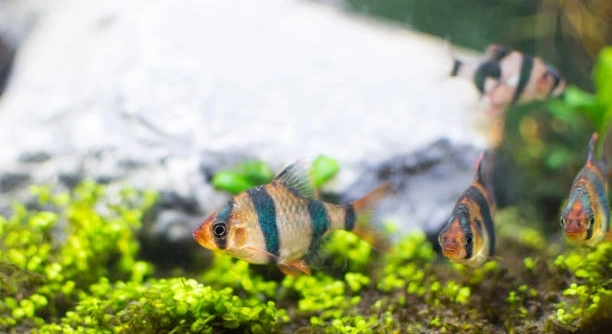
Do you ever find yourself needing to move your tiger barbs but worry how the change might affect their behavior or health? Short-term tank changes can be stressful for any fish, especially in small home setups.
Tiger barbs can generally tolerate short-term moves, provided water conditions remain stable and they are properly acclimated. However, repeated or poorly managed transitions can increase stress, lower immunity, and affect social behavior, especially in smaller groups.
Whether it’s a temporary relocation or a quick clean, understanding how these changes impact tiger barbs can help you manage their care more effectively.
Understanding How Short-Term Moves Affect Tiger Barbs
Short-term moves can disrupt tiger barbs’ sense of stability. These fish are active, social, and sensitive to environmental changes. When moved to a different tank, even briefly, they may show signs of stress such as pale coloring, fast breathing, or aggression toward tankmates. If the new tank’s water temperature, pH, or hardness is very different from their original tank, the stress increases. A stressed tiger barb might skip meals or swim in a frantic or erratic way. These reactions may seem minor, but they can impact overall health if not addressed quickly. That’s why it’s important to keep conditions similar and reduce handling. Use a slow acclimation method like drip acclimation if the water parameters are different. Even though the move is short, their system still reacts strongly. A quiet and dimly lit space also helps them settle during the transition, which can make a big difference.
Some tiger barbs recover quickly after a move, while others take longer to adjust. Their response depends on their environment and how well the move is managed.
If your tiger barbs live in a well-established tank with stable water, they may not appreciate even a short absence. Once moved, they’ll likely explore, hide, or react to the new setup in different ways. Give them time and keep lighting low to ease the transition. Watch for unusual behaviors like clamped fins or lack of movement. These signs may mean they’re still adjusting. Keep their diet consistent and try not to change other things in their routine while they settle in. A few hours or even a day might be enough for them to bounce back. But if the move was stressful, it can take several days for them to fully regain comfort and resume normal behaviors. Observing their body language will help you spot when they’re truly back to themselves.
Tips to Keep Moves Less Stressful
Acclimation is the most important part of any tank transfer, even if it’s only temporary. Rushing this step can make the move harder on the fish.
Give your tiger barbs time to adjust by matching water conditions as closely as possible between the tanks. Use water from their home tank in the temporary container if you can. This keeps the bacterial balance familiar and reduces sudden changes. If that’s not possible, test the new tank’s water for pH, ammonia, and nitrite to make sure it’s safe. Keep them in groups of at least five to reduce aggressive behavior. Avoid loud noises or sudden movements during the move. These fish are very aware of their surroundings. After the move, keep the tank lights low and limit feeding for the first few hours. Once they start swimming calmly, you can resume normal feeding. Avoid handling them more than necessary, and always use a soft net or cup. All these small steps help them feel safe and calm.
Recognizing Signs of Stress in Tiger Barbs
Stress can show up quickly after a move. Common signs include clamped fins, rapid gill movement, and hiding more than usual. They may also become more aggressive or stop eating for a short time.
If your tiger barbs are swimming up and down the glass, it may mean they’re trying to adjust or escape. They might also chase each other more, especially if they feel unsafe in the new space. Some fish stay near the bottom and avoid interaction altogether. You may notice their colors fading slightly—that’s another stress signal. If these behaviors last more than a day or two, check water quality and reduce light or noise around the tank. Try not to feed them right away unless they seem calm. Their appetite usually returns once they feel settled again. Keep things quiet and allow them space to adjust at their own pace.
Stress doesn’t always show up in obvious ways, so it helps to observe your fish closely. Look for subtle changes like slower swimming, lack of response during feeding, or one fish separating from the group. These signs might be easy to miss but can signal early stress. In some cases, tiger barbs may start nipping each other more than usual, especially if the group is too small or the tank lacks hiding spots. Adding plants or small decorations can give them some comfort during the transition. If they continue to act off, test the water again and compare it to their original tank. Small differences in temperature or pH can still affect them. Give them time, and avoid making more changes while they’re still adjusting.
How Long is Too Long for a Temporary Move?
Tiger barbs can usually handle short moves lasting a few hours, especially if the water conditions are similar. Anything longer than a day starts to increase stress and may weaken their immune system.
If you need to keep them in a temporary setup for more than a few hours, make sure the space is cycled and has filtration. A small, bare container with just an airstone or heater isn’t ideal for more than a quick hold. Without biological filtration, ammonia builds up quickly, which can harm your fish even in less than 24 hours. If you must keep them in this kind of setup, do frequent water changes and avoid feeding to reduce waste. For temporary tanks lasting a day or more, include a sponge filter and some hiding spots like plastic plants. Keep the light low and monitor their behavior closely. If possible, return them to their original tank as soon as you can.
What to Avoid During a Move
Avoid using water that hasn’t been treated or tested. Even short exposure to poor-quality water can stress tiger barbs. Sudden shifts in temperature, pH, or hardness are hard on their system and may lead to illness later.
Don’t overcrowd the temporary tank. These fish need space to swim and maintain social order. Too many fish in a small container will trigger aggression and fast buildup of waste. Keep things quiet and avoid tapping the glass or moving things around them too much.
The Role of Tank Mates During Short-Term Moves
If your tiger barbs are used to living with other species, separating them during a move can add stress. While it may seem easier to move them alone, removing tank mates they’re used to might make them feel unsafe. If possible, move small compatible groups together to help them feel more secure. However, avoid mixing them with unfamiliar fish during this time, especially if the space is limited. That can cause tension or even fighting. During a move, familiar surroundings and companions can help tiger barbs feel calm and recover faster. Just be sure the setup is spacious and balanced.
Keep Monitoring After the Move
After returning your tiger barbs to their main tank, watch them for a few days. Signs of lingering stress or illness may appear later, even if they seemed fine at first.
FAQ
Can tiger barbs handle being moved more than once in a short time?
Tiger barbs can handle occasional moves, but frequent relocations in a short span can cause long-term stress. Each move disrupts their routine, which can lead to aggression, loss of appetite, or weakened immunity. If you must move them multiple times, try to give them time to rest in between, and always maintain consistent water parameters. Use water conditioners and avoid sudden temperature shifts. Monitor them closely for signs of stress like pale colors or clamped fins. Limiting the number of changes is the best way to help them stay healthy and stable.
How can I tell if a short-term tank is safe for them?
The temporary tank should have clean, dechlorinated water that matches the temperature and pH of their original tank. Use a heater if needed, and include an airstone or sponge filter to maintain oxygen. Test the water before placing the fish inside. Make sure ammonia and nitrites are at zero. If you’re using a small container, perform partial water changes every few hours for longer stays. Avoid feeding unless you’re sure the water quality can support it. Clean water, gentle filtration, and low stress levels are key signs that the space is safe, even if it’s only for a few hours.
What’s the safest way to transport tiger barbs for a short distance?
Use a clean, fish-safe container or plastic bag filled with tank water. Leave some air space at the top. Avoid using tap water, as sudden chemical changes can shock the fish. Keep the container out of direct sunlight and avoid shaking it during transport. For longer trips, consider using a battery-powered air pump. If the move takes more than an hour, try to maintain water temperature using an insulated bag or foam box. Once they arrive, acclimate them slowly to the new water using the drip method or by gradually adding small amounts of the new tank water.
Should tiger barbs be fed right after a move?
Not right away. Give them a few hours to calm down and settle in before offering food. Watch their behavior first—if they’re swimming normally and showing interest, you can feed a small amount. If they’re hiding or look agitated, skip feeding until the next day. Feeding too soon can add waste to the water and raise ammonia, especially in smaller or unfiltered setups. Once they seem settled, go back to their usual feeding schedule. Always remove uneaten food quickly to avoid poor water quality, which can stress them further.
Can moving affect their social behavior?
Yes, moving can temporarily affect their social behavior. Tiger barbs are very active and rely on group structure. After a move, they may become more aggressive or isolate themselves. They might chase more often or show signs of establishing a new pecking order. These changes are often temporary and will settle once they feel secure again. Keeping them in groups of at least five helps reduce aggression. Giving them space to swim and a few hiding spots also supports better behavior after a move. Watch for consistent aggression, as it might mean the group is too small or the space too cramped.
How long does it take them to fully recover from a short-term move?
It depends on the fish and the conditions of the move. Some tiger barbs bounce back within a few hours, while others may take a couple of days. If the water quality was maintained and the stress was minimal, recovery is usually quick. However, if they were exposed to poor conditions or handled roughly, they may take longer to settle. You’ll know they’ve recovered when their colors return, they eat regularly, and their swimming becomes calm and social again. Continue to monitor them for about a week to be sure there are no delayed effects.
Final Thoughts
Tiger barbs are strong, active fish, but short-term moves can still affect them in big ways. Even if the move only lasts a few hours, the sudden change in environment may stress them out. These fish rely on routine and stable water conditions to feel safe. Moving them too quickly or without enough care can lead to health problems, aggression, or behavioral changes. While they often recover from minor moves, frequent or poorly managed transfers make it harder for them to bounce back. It’s important to treat every move, no matter how short, as a serious event in their care.
Keeping the water temperature, pH, and other conditions steady helps tiger barbs adjust more smoothly. Always match the temporary tank to their usual environment as closely as possible. Try to keep them in small groups during the move, especially if they are already part of a social group. This helps reduce fear and tension. Don’t overcrowd the space, and limit handling. Use soft nets or cups, and keep outside noise and movement to a minimum. After the move, avoid feeding right away. Let them settle in, and watch for signs of stress like hiding, clamped fins, or fast breathing. These signs usually fade once they feel safe again.
In the end, planning ahead makes a big difference. Whether you’re moving tiger barbs for cleaning, travel, or other short-term reasons, taking a few simple steps helps protect their health. Give them time to recover after each move and avoid changing too many things at once. If possible, use the same tank water during transport or transition. Always test the water in both tanks before and after the move. The more consistent you keep things, the better they’ll cope. With a little care and attention, your tiger barbs can handle a short-term move without too much trouble. They just need a calm space, familiar surroundings, and a bit of patience to feel secure again.

Hello,
If you enjoy the content that we create, please consider saying a "Thank You!" by leaving a tip.
Every little bit helps us continue crafting quality advice that supports the health, happiness, and well-being of pets around the world, for pets of all shapes, sizes, and species.
We really appreciate the kindness and support that you show us!