
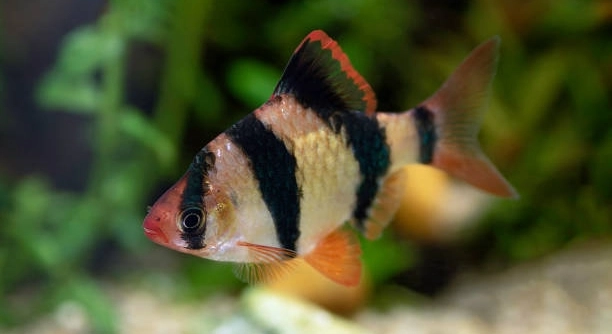
Barbing between pets can create tension and harm their well-being. Many owners struggle to keep peace when their barbs start to harass each other. Managing this behavior is important for a calm and healthy environment.
Stopping barbs from harassing each other requires consistent monitoring, providing adequate space, and ensuring they have enough enrichment. Separating aggressive individuals and maintaining a calm setting are essential steps to reduce conflict and promote positive interactions.
Understanding effective ways to manage these behaviors can help maintain harmony among your barbs and improve their quality of life. This article offers practical steps to address common issues calmly and effectively.
Provide Enough Space for Each Barb
Barbs need enough room to swim and establish their own territories. When they are cramped in a small tank, aggression can increase because they feel stressed and trapped. Giving each barb space helps reduce conflicts and allows them to avoid each other when needed. A tank that is too small can cause constant chasing and harassment, which leads to injury or stress-related health problems. It is important to research the recommended tank size for the number of barbs you have. Adding plants, rocks, and hiding spots also gives them places to retreat, making the environment less tense. Observing their behavior regularly can help spot signs of stress early. When barbs have enough space and safe areas, they tend to be calmer and more tolerant of each other.
Having a larger tank with hiding places lowers stress and reduces bullying among barbs. This helps them live healthier lives.
Proper tank size and structure create a peaceful environment. Avoid overcrowding and provide multiple hiding spots to encourage natural behaviors. Spreading out resources like food and clean water also prevents competition. When barbs feel secure in their territory, they are less likely to harass one another. Barbs are territorial by nature, so respect for their space is critical. Make sure to clean the tank regularly to keep water conditions stable, as poor water quality can increase stress and aggression. Providing a tank that meets these conditions supports healthier social behavior and reduces harassment.
Separate Aggressive Barbs Immediately
Separating aggressive barbs stops fights before they worsen.
If you notice one barb constantly chasing or biting another, isolating the aggressive fish is necessary to prevent injury. Temporary separation with a divider or moving the aggressive barb to another tank can calm the situation. Once calm, slowly reintroduce them under supervision. Sometimes aggressive behavior results from stress, overcrowding, or lack of stimulation, so addressing these factors also helps. Keeping aggressive fish apart ensures all barbs remain safe and stress-free. This practice protects weaker fish and maintains peace in the tank. Separation should be done quickly and without delay to avoid harm.
Separation is a key step to protect your barbs. It stops immediate harm and gives you time to adjust the environment.
Enrich Their Environment
Providing toys, plants, and hiding spots helps keep barbs mentally and physically active. Boredom often leads to aggression.
Adding live or artificial plants gives barbs places to hide and explore. Floating plants can reduce light and create shaded areas, which barbs appreciate. Introducing decorations like rocks and tunnels offers hiding spots and breaks line of sight between aggressive individuals. Varying the tank layout occasionally also stimulates their curiosity and reduces repetitive behavior. Providing enrichment mimics natural conditions and can significantly decrease harassment by keeping barbs busy.
Incorporate a variety of items such as smooth stones, caves, and plants to encourage natural behavior. Avoid overcrowding decorations to maintain swimming space. Rotating or rearranging items every few weeks can renew their interest. Enrichment is important for reducing stress and aggression, and it makes the tank environment more interesting for your barbs.
Maintain Consistent Feeding Times
Regular feeding helps reduce competition and stress among barbs.
Feed your barbs at the same times daily to create a predictable routine. Inconsistent feeding can cause anxiety and increase aggression during meal times. Distributing food evenly across the tank prevents dominant fish from bullying others away from the food source. Use sinking pellets or flakes and avoid overfeeding, which can harm water quality.
Establishing a steady feeding schedule builds trust and lowers tension during meals. It is helpful to observe how much food your barbs consume and adjust portions accordingly. Consistent feeding reduces fights and supports overall health by ensuring all barbs get enough nutrition without causing water issues.
Choose Compatible Tank Mates
Selecting peaceful tank mates reduces stress and aggression among barbs.
Avoid adding aggressive or territorial fish that may provoke fights. Compatibility helps maintain a calm environment for all inhabitants.
Monitor Water Quality Closely
Clean, stable water conditions reduce stress and prevent aggression. Poor water quality can irritate barbs, leading to more conflicts. Regular testing and water changes help keep the tank healthy. Proper filtration and temperature control are essential to maintain a safe habitat.
Avoid Overcrowding
Too many fish increase stress and competition. Overcrowding limits space and resources, leading to more bullying. Keep the number of barbs appropriate for the tank size to ensure each fish has enough room to thrive.
FAQ
How can I tell if my barbs are stressed or being harassed?
Signs of stress or harassment include constant chasing, nipped fins, faded colors, and hiding more than usual. Stressed barbs may also eat less and swim erratically. Observing their daily behavior closely helps spot problems early and prevent injuries.
What should I do if one barb is more aggressive than others?
Isolate the aggressive barb temporarily to stop fights. Check for environmental stressors like overcrowding or poor water quality. Ensure enough space and hiding places. After calming, slowly reintroduce the fish while monitoring closely for further aggression.
Can barbs live peacefully without separating aggressive individuals?
It depends on tank size, number of fish, and environment enrichment. Some barbs live well together if conditions are optimal. However, separating aggressive fish is often necessary to protect weaker ones and maintain peace in the tank.
How often should I clean the tank to reduce aggression?
Perform partial water changes weekly or biweekly, depending on tank size and fish load. Clean filters regularly and remove uneaten food. Good water quality lowers stress and aggression by providing a healthy environment.
Are there specific plants or decorations that help reduce bullying?
Yes, dense plants like java fern or hornwort provide hiding spots. Decorations like caves and tunnels break sight lines between aggressive fish. These additions reduce tension by giving barbs places to retreat when feeling threatened.
What feeding practices minimize competition and fights?
Feed small amounts multiple times a day rather than one large feeding. Spread food evenly across the tank to prevent dominant fish from blocking others. Use sinking pellets to reach shy fish. Avoid overfeeding to maintain water quality.
Is tank size really that important for reducing harassment?
Yes, barbs need enough room to establish territories and avoid each other when stressed. Crowded tanks increase aggression and injuries. Follow species-specific guidelines for tank size to ensure a peaceful environment.
Can adding more barbs help reduce bullying?
Adding more barbs can spread out aggression, but only if the tank is large enough. Overcrowding causes more stress and fighting. It’s better to maintain a balanced number of fish based on tank capacity.
What should I do if aggression persists despite changes?
Consider permanent separation of aggressive fish. Reevaluate tank setup, water quality, and feeding. If problems continue, consulting a fish specialist or veterinarian may be necessary to address health or behavioral issues.
Are certain barb species more aggressive than others?
Yes, some barb species are naturally more aggressive. Tiger barbs tend to be more nippy, while cherry barbs are generally peaceful. Researching species behavior before purchase helps avoid mixing aggressive and calm fish.
Final Thoughts
Keeping barbs from harassing each other requires attention to their environment and behavior. Providing enough space and hiding places helps reduce stress and aggression. Barbs naturally establish territories, so a properly sized tank allows them to move away from each other when needed. Enrichment, such as plants and decorations, keeps them mentally stimulated and less likely to pick on one another. Consistent feeding routines also lower competition and tension during mealtimes. All these factors contribute to a more peaceful tank.
Separating aggressive individuals quickly is important to prevent injuries and reduce stress in the group. Sometimes a single fish can cause trouble, and isolating it helps calm the situation. After some time apart, reintroducing fish slowly can improve tolerance. However, if aggression continues, permanent separation might be necessary for the safety of all barbs. Monitoring water quality is equally important since poor conditions increase fish stress, which can lead to more fighting. Regular cleaning and water changes create a healthier environment where barbs feel secure.
Ultimately, managing barbs’ behavior takes patience and care. Each tank is different, so observing your fish regularly will help you notice signs of trouble early. Adjusting tank size, layout, feeding, and fish combinations based on their needs can greatly reduce harassment. While barbs may show some natural aggression, it should not threaten their health or well-being. Creating a balanced and calm habitat helps your barbs live happier and healthier lives. Following these steps will improve their interactions and make your aquarium a better place for everyone.

Hello,
If you enjoy the content that we create, please consider saying a "Thank You!" by leaving a tip.
Every little bit helps us continue crafting quality advice that supports the health, happiness, and well-being of pets around the world, for pets of all shapes, sizes, and species.
We really appreciate the kindness and support that you show us!