
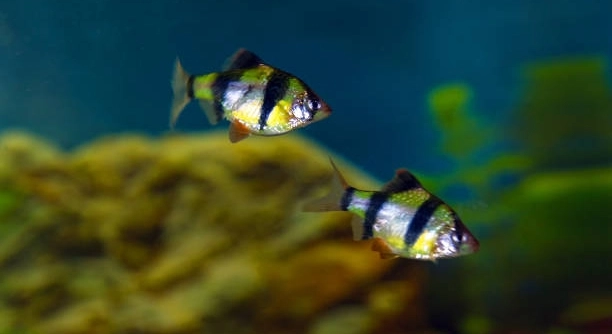
Do your tiger barbs seem picky when it comes to food, spitting things out after only one bite? You’re not alone in noticing this quirky feeding behavior. Many fishkeepers experience the same confusion and frustration during feeding time.
Tiger barbs typically refuse to eat certain foods more than once due to taste, texture, or poor nutritional value. Foods that are too dry, hard, or unfamiliar often get rejected after the first attempt.
Feeding fish is more than dropping food in the tank—it’s about understanding what works and what doesn’t. Let’s take a closer look at the foods your tiger barbs simply won’t bother with again.
Freeze-Dried Foods That Turn Them Away
Many fishkeepers try freeze-dried foods thinking they’re a clean and easy option. But tiger barbs often lose interest quickly. These foods can be too dry and lack the texture they prefer. Freeze-dried bloodworms or brine shrimp might seem appealing at first, but after one bite, tiger barbs often ignore them. Their natural diet leans toward live or soft foods that mimic movement and texture found in the wild. Freeze-dried foods can also float too long, making it hard for mid-level swimmers like tiger barbs to catch them. Over time, uneaten bits foul the water, leading to extra cleaning. Fish rely heavily on smell and taste, and if something doesn’t meet their expectations, they won’t try it again. Even if they seem interested once, it’s rarely consistent. Some keepers try soaking the food first, but it doesn’t always solve the problem. Texture really does matter for these energetic fish.
Tiger barbs are active and instinct-driven. They chase moving foods and enjoy things they can bite easily. Freeze-dried options just don’t satisfy these feeding behaviors.
You may notice excitement the first time, but after that, they lose interest. It’s better to offer soft, sinking alternatives that keep them engaged and healthy during feedings.
Hard Pellets That Don’t Soften Fast
Hard pellets often miss the mark with tiger barbs. They’re not built to chew tough pieces, and many pellets take too long to soften in water. This leads to rejection after the first try.
These fish tend to favor foods that soften quickly or are already soft. Hard pellets can sink before they’re edible, leaving them untouched at the bottom. Not only is this wasteful, but it can also lead to tank issues. Some pellets are labeled as “universal,” but that doesn’t mean they work well for every species. Tiger barbs are mid-level swimmers with fast-paced feeding habits. If food doesn’t match their behavior, they ignore it. Also, hard pellets don’t release scent immediately. Since tiger barbs rely on smell and motion to locate food, they may not even recognize hard pellets as something edible. It’s worth trying micro pellets or soaked flakes instead. These adapt better to their feeding needs, allowing for more consistent nutrition and less waste in the tank. Some keepers even crush hard pellets to make them more manageable. But in general, soft and quick-sinking foods are a much better match.
Vegetables That Sink and Rot Quickly
Most tiger barbs won’t bother with soft vegetables like zucchini or spinach after the first taste. These tend to break apart, sink fast, and cloud the water, which makes the tank messy and unappealing to them during feeding.
Tiger barbs usually prefer food that moves or floats in the middle of the tank. When vegetables sink and settle, they get ignored. Even if you blanch or soften them, tiger barbs might peck once and move on. These foods don’t smell strong or mimic anything natural in their diet. Once they associate the food with a bad experience or no reward, they tend to avoid it completely. Over time, rotting bits at the bottom can impact water quality. Some tankmates like bottom feeders might eat these leftovers, but tiger barbs simply won’t give them a second chance. Their instincts push them toward more protein-rich, active foods.
Even if a tiger barb tries vegetables once, it usually doesn’t happen again. These fish are fast, alert, and always looking for movement or scent. Vegetables just don’t register as food after the first test. You might see one nibble out of curiosity, but they often spit it out. Blanched greens and soft slices lose texture quickly in the tank, and barbs don’t return to them. They need foods that excite their senses. Over time, uneaten vegetables only become waste and maintenance work. It’s better to skip this food group unless you’re feeding a mix of fish that includes herbivores or bottom feeders. Tiger barbs aren’t drawn to still or sinking plant matter and likely never will be.
Fatty Meats Meant for Larger Fish
Tiger barbs will often ignore fatty meats like beef heart or pork after the first attempt. These foods are too rich and dense for their digestion, and they usually can’t handle the oily residue left behind in the tank.
Some hobbyists offer small bits of meat meant for carnivorous fish, thinking it might provide extra protein. But tiger barbs have smaller digestive systems and faster metabolisms. Fatty meats slow them down and can cause bloating or water pollution. These dense foods don’t break up well and often sink quickly. Once tiger barbs get a taste and feel discomfort or sluggishness, they avoid them moving forward. The heavy scent might attract them initially, but the texture and after-effects are a turn-off. You might see one nip at it out of curiosity, but that’s usually it. Stick to cleaner, lighter protein options like thawed brine shrimp or daphnia. Tiger barbs thrive on small, quick, easy-to-digest foods that keep their energy high.
Flavored Wafers for Bottom Feeders
Tiger barbs are not bottom dwellers, so they rarely show interest in flavored sinking wafers. These foods often stay untouched, especially after the first time they fall out of reach or dissolve too slowly.
The scent might catch their attention once, but the location and shape don’t appeal to their feeding habits.
Human Food Leftovers
Feeding tiger barbs bits of cooked rice, bread, or egg might seem harmless, but they often reject these after one try. These items lack proper nutrition and can swell in water, creating waste and confusion. Tiger barbs aren’t drawn to soft, bland textures or flavors that don’t match their instinctual needs. Even the tiniest piece may get mouthed and then spat out. These foods break apart quickly, cloud the tank, and throw off water balance. While some fish may pick at leftovers, tiger barbs prefer cleaner, purpose-made options. Human food isn’t worth the mess or risk to their health.
Overly Large Flakes
Oversized flakes frustrate tiger barbs. They might take one bite, then leave the rest to sink or float away. These flakes are hard to break apart and don’t match their bite size or fast feeding behavior.
FAQ
Why do tiger barbs refuse to eat certain foods more than once?
Tiger barbs are quick eaters, but also selective. They learn fast and often avoid foods that didn’t feel right the first time. This could be due to poor texture, lack of scent, or an uncomfortable reaction afterward. If the food sinks too fast, floats too long, or crumbles easily, they may not return to it. Instinct also plays a role—tiger barbs are naturally drawn to foods that mimic live movement or have strong, familiar smells. Once they reject something, they rarely change their minds unless the food is prepared differently or hidden in a mix they already enjoy.
What type of foods do tiger barbs prefer the most?
Tiger barbs tend to favor small, soft, and protein-rich foods. Live or frozen options like bloodworms, brine shrimp, daphnia, and mosquito larvae are usually well received. These foods mimic what they might find in nature and are easy for them to grab, bite, and digest. Flakes and pellets can work too, as long as they are appropriately sized and soften quickly in water. Some keepers soak dry food for a few seconds before feeding to make it easier for the fish to eat. Variety helps, but it’s best to stick with foods that match their quick, mid-water feeding style.
Is it dangerous for tiger barbs to eat rejected foods again?
It’s not usually dangerous if a tiger barb samples something once and moves on, but repeated feeding of inappropriate foods can lead to problems. Hard pellets, fatty meats, or human leftovers can cause bloating, poor digestion, or excess waste in the tank. If uneaten food is left in the water, it can break down and affect water quality, leading to stress or illness. It’s always better to remove rejected foods quickly and avoid offering them again. Sticking to clean, properly sized, and nutritionally balanced foods reduces the risk of health issues and keeps feeding sessions stress-free.
Can tiger barbs eventually accept new foods if introduced slowly?
Sometimes they can, especially if the food is similar in smell or texture to something they already like. Mixing a new food with a familiar one can help. Soaking or crushing the food to adjust its consistency may also increase acceptance. However, tiger barbs are creatures of habit and often stick to what they know. If a food was strongly rejected the first time, chances are slim they’ll change their opinion. You can experiment, but it’s best to monitor their reaction and avoid overfeeding. If the food is still ignored after a few tries, it’s better to move on.
Should I worry if one tiger barb refuses food while others eat it?
Yes, but only if it becomes a pattern. Tiger barbs are social and usually competitive at feeding time. If one isn’t eating, it could mean the food isn’t appealing, or the fish is sick or stressed. Start by trying a different food. If the same fish keeps avoiding meals, watch for other signs like unusual swimming or hiding. Isolating that fish briefly for observation can help you figure out the issue. Sometimes, dominant fish also outcompete others, so spreading food in different areas can give slower fish a better chance. In general, most tiger barbs should eat quickly and eagerly.
How can I make feeding time more effective for my tiger barbs?
Keep feeding simple and consistent. Offer small portions two to three times a day. Use a variety of foods that match their natural feeding behavior—mid-level swimming, quick movements, and small bites. Turn off the filter for a minute during feeding so food doesn’t get pushed away too fast. Avoid overfeeding, as uneaten food will only pollute the tank. Observe them during each feeding. This helps you notice what they enjoy and what they ignore. If a food doesn’t get eaten after two or three tries, skip it. Feeding should be active, clean, and stress-free for both you and your fish.
Final Thoughts
Feeding tiger barbs can seem simple at first, but their behavior often shows they are more selective than expected. Just because a food is made for fish doesn’t mean they will eat it more than once. Texture, smell, and how the food moves in the water all play a big role. Tiger barbs like to stay in the middle of the tank and chase after small, soft food that floats or sinks slowly. When something sinks too fast, is too hard, or doesn’t have a strong smell, they may try it once and ignore it after that. Over time, you learn what works best for them and what just causes waste.
Choosing the right foods can help your tiger barbs stay healthy and active. Foods like freeze-dried worms, hard pellets, or fatty meats often don’t match their needs. Even common things like vegetables or oversized flakes may not get a second chance once rejected. These foods may seem fine on the surface, but they usually don’t match the feeding habits or digestion of tiger barbs. Offering the wrong type of food repeatedly may lead to more uneaten waste, cloudy water, or even stress. Observing how your tiger barbs respond to each food will help you avoid that. Feeding them doesn’t have to be complicated, but it does need a little attention and adjustment.
In the end, it’s about paying attention to what your tiger barbs actually enjoy and eat. Sticking with a variety of small, soft, and protein-rich options is usually the safest choice. Frozen or live foods are almost always accepted, and certain flakes or micro pellets work well too, as long as they are easy to bite and digest. If they ignore a food more than once, it’s best to stop offering it. Feeding time should be active and enjoyable for them, not stressful or messy. When you match their needs, you’ll see better behavior, brighter colors, and a cleaner tank. Keeping things simple and consistent will help your tiger barbs thrive.

Hello,
If you enjoy the content that we create, please consider saying a "Thank You!" by leaving a tip.
Every little bit helps us continue crafting quality advice that supports the health, happiness, and well-being of pets around the world, for pets of all shapes, sizes, and species.
We really appreciate the kindness and support that you show us!