
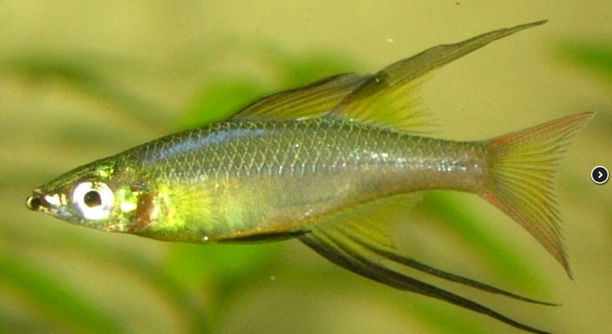
Are your tank’s threadfin barbs showing more aggression than usual, making it difficult to maintain a peaceful aquarium environment? Managing their behavior is crucial for the overall health of your aquatic community and your enjoyment.
Several tank upgrades can significantly reduce threadfin aggression by improving territory, hiding spaces, and water conditions. Adding plants, proper decorations, and adjusting tank size or flow can create a calmer environment, decreasing stress-induced aggression among these fish.
Implementing these changes can make your tank more harmonious, ensuring all fish thrive while reducing unnecessary conflicts in your aquatic setup.
Increase Tank Size
A larger tank gives threadfin barbs more room to swim and reduces territorial disputes. When fish have limited space, they tend to compete for the same spots, leading to aggression. Expanding the tank allows for separate territories and more swimming paths, which naturally decreases confrontations. It’s also easier to maintain water quality in a larger tank since waste is distributed over a greater volume. Adding more room doesn’t just calm aggressive behavior—it also encourages natural activity and exercise. This can improve overall fish health and make the aquarium visually appealing with more open swimming areas. When planning an upgrade, consider both the length and width of the tank, not just the height, as threadfin barbs move horizontally more than vertically. A well-measured increase can make a noticeable difference in interactions, helping your fish feel less confined and more secure.
Increasing the tank size helps reduce stress and gives all fish space to coexist peacefully without constant competition.
Expanding a tank requires careful planning. Measure the available area and ensure it supports the weight of a larger tank. Adjust filtration to handle increased water volume. Rearrange decorations and plants to create multiple hiding spots while maintaining open swimming areas. Slowly introduce your fish to prevent sudden stress.
Add Hiding Spots
Providing hiding spots allows threadfin barbs to escape when feeling threatened, reducing aggressive encounters.
Rocks, caves, and dense plant areas can create natural retreats. These spots give fish security and reduce stress, improving behavior and overall tank harmony.
Hiding spots also encourage exploration and reduce boredom. Varying the size and placement of these areas ensures all fish can claim a safe space. Overcrowding a single spot may lead to more disputes, so spread decorations evenly. Artificial caves and driftwood work well alongside live plants. Introducing new hiding areas gradually lets fish adjust without heightened aggression. Additionally, these structures break up sightlines, limiting constant chasing. Observing how fish interact with these spaces helps in rearranging them for optimal comfort. Consistent maintenance of these areas, such as cleaning and checking for sharp edges, ensures safety. By thoughtfully incorporating hiding spots, your tank can balance activity and calm, keeping threadfin barbs less aggressive while maintaining a dynamic, natural-looking environment.
Adjust Water Flow
Threadfin barbs respond well to moderate water currents that mimic their natural habitat. Proper flow keeps fish active without causing stress, which reduces aggressive behavior.
Creating a balanced current involves placing filters and pumps strategically. Too strong a flow can tire fish and increase irritability, while too weak allows stagnant zones where conflicts arise. Aim for consistent movement throughout the tank. Experiment with different filter outputs until fish swim comfortably without constant struggling. Observe daily interactions; calmer, evenly spaced swimming patterns indicate success. Regularly check equipment to maintain a steady flow and avoid sudden surges that might trigger aggression. Adjusting flow can also improve oxygenation and overall water quality, benefiting all inhabitants.
Flow adjustments should complement other upgrades like hiding spots or increased tank size. Combining these elements creates a balanced environment where threadfin barbs feel secure, active, and less likely to fight.
Rearrange Decorations
Changing the layout of decorations disrupts established territories and limits aggression.
Redistributing rocks, plants, and ornaments breaks up familiar zones where dominant fish might chase others. Threadfin barbs adjust to new layouts gradually, reducing repeated confrontations. Mixing tall and low structures provides multiple vantage points and hiding areas, which can calm stressed fish. Avoid overcrowding any single section, as it can cause bottlenecks and increased tension.
Regular rearrangement keeps the tank stimulating and encourages natural swimming patterns. This practice prevents monotony and allows less dominant fish to explore freely without being constantly pursued. Observe behavior after changes and tweak placements to maintain harmony. Combining rearrangement with other upgrades ensures a well-balanced environment that reduces aggression and promotes overall tank health.
Add Live Plants
Live plants create natural barriers that reduce line-of-sight conflicts between threadfin barbs. They also offer additional hiding places, helping fish feel secure.
Plants improve water quality by absorbing nitrates and producing oxygen. A well-planted tank can lower stress levels and limit aggressive encounters effectively.
Maintain Stable Water Parameters
Consistent temperature, pH, and hardness are crucial for calm fish behavior. Sudden fluctuations can trigger stress and aggression.
Regular testing and gradual adjustments prevent shock. Using reliable heaters, filters, and conditioners keeps water stable and fish healthier. Monitoring weekly ensures the environment remains optimal for all tank inhabitants.
Introduce Tank Mates Carefully
Choose species that are compatible with threadfin barbs in temperament and size. Avoid overcrowding and overly aggressive fish.
Slow introductions and observing interactions help maintain harmony. Balanced communities reduce stress, making threadfin barbs less likely to display aggression.
FAQ
How can I tell if threadfin aggression is due to space or stress?
Aggression often appears as chasing, nipping, or hiding. If fish constantly compete for the same area or avoid each other, limited space or stressful conditions are likely causes. Observing patterns over time helps identify whether it’s environmental or behavioral.
Will adding more plants always reduce aggression?
Not always. While live plants provide hiding spots and visual barriers, overcrowding the tank with dense vegetation can create bottlenecks and increase conflicts. Balance open swimming areas with planted sections to allow movement and retreat.
Can adjusting water flow completely stop aggression?
Moderate water flow helps reduce stress but won’t eliminate aggression entirely. Threadfin barbs may still chase occasionally, but a stable current encourages natural swimming and prevents fatigue, indirectly calming interactions. Flow adjustments work best when combined with tank size expansion and hiding spaces.
Are certain tank decorations better than others?
Rocks, caves, and driftwood are effective because they create territory boundaries and hiding areas. Avoid sharp or unstable decorations that could injure fish. Mixing decoration types allows varied retreat spaces and encourages exploration without increasing tension.
How often should I rearrange the tank?
Occasional rearrangement is beneficial, ideally every few months or when aggression spikes. Gradual changes prevent sudden stress. Rearranging decorations forces fish to adapt and can break up dominant territories, reducing repetitive chasing behaviors.
Do threadfin barbs prefer specific tank sizes?
They thrive in tanks that provide ample horizontal swimming space. Tanks that are too small increase territorial disputes and stress. Consider both length and width to give fish enough room to establish separate zones without constant confrontation.
Will stable water parameters really impact aggression?
Yes. Sudden changes in temperature, pH, or hardness can cause stress, triggering aggression. Maintaining consistent conditions helps fish feel secure, reducing chasing and nipping. Regular monitoring and slow adjustments keep water parameters ideal.
Is it safe to introduce new tank mates?
Careful selection is key. Choose species similar in temperament and size to minimize competition. Introduce new fish slowly and observe interactions. Avoid overcrowding, which can increase stress and aggressive behavior among threadfin barbs.
How can I know if hiding spots are enough?
If all fish can access a secure retreat without being chased, the number and placement are sufficient. Multiple small and large areas spread throughout the tank ensure less dominant fish have space to escape.
Do these upgrades affect overall fish health?
Yes. Larger tanks, hiding spots, plants, and stable water conditions reduce stress, improve activity, and lower disease risk. A calm environment helps fish grow stronger, interact naturally, and coexist peacefully with minimal aggression.
Can threadfin barbs outgrow their aggression naturally?
Aggression often decreases as fish establish territories or mature, but environmental upgrades accelerate this process. Providing space, flow, and hiding spots supports natural behaviors, making aggression less frequent over time while promoting a balanced tank community.
How long before I see results from these upgrades?
Calm behavior can appear within days to weeks, depending on the extent of changes and fish adaptation. Gradual implementation allows fish to adjust without additional stress, making improvements more consistent and long-lasting.
Are there any behaviors that indicate lingering stress?
Signs include constant hiding, rapid gill movement, erratic swimming, or repeated chasing. Even with upgrades, monitoring behavior ensures fish remain comfortable. Adjusting tank layout, flow, or companions can further reduce stress levels.
Is professional advice necessary for extreme aggression?
If aggression persists despite proper upgrades, consulting a specialist or experienced aquarist is recommended. They can suggest tailored solutions, such as dietary adjustments, behavioral interventions, or specific tank modifications.
Do all threadfin barbs respond the same to these upgrades?
Individual temperament varies. Some may calm quickly, while others need more space or hiding areas. Observing interactions and adjusting tank features accordingly ensures a peaceful environment for all fish.
Can I combine multiple strategies effectively?
Yes. Using larger tanks, added plants, hiding spots, rearranged decorations, and stable water parameters together provides the best results. A holistic approach addresses multiple causes of aggression simultaneously, creating a calmer, healthier tank overall.
Will these upgrades require frequent maintenance?
Maintenance increases slightly, especially with plants and rearranged decorations. Regular cleaning, trimming, and checking water flow ensure the upgrades remain effective and safe. Consistent care maximizes the benefits of each modification.
Do tank upgrades change the feeding routine?
Not significantly, but placement of food might need adjustment. Ensure all fish can access food without competition near hiding spots. Spreading feeding locations helps reduce stress and maintains harmony during mealtime.
Can aggressive behavior return after initial improvements?
It’s possible if conditions change, such as introducing new fish, altering water parameters, or overcrowding. Ongoing monitoring and minor adjustments help maintain long-term peace. Upgrades provide a strong foundation, but vigilance ensures sustained calm.
How do I track progress effectively?
Documenting daily behavior, observing interactions, and noting stress signs help measure success. Gradual improvements indicate that the upgrades are working, while persistent aggression signals the need for further adjustments.
Will tank aesthetics be affected by these changes?
Properly planned upgrades can enhance both function and appearance. Balanced decoration, healthy plants, and thoughtful layout make the tank visually appealing while promoting peaceful behavior. Fish activity becomes more natural and enjoyable to watch.
Are these strategies suitable for all community tanks?
Yes, but adjustments may vary depending on species compatibility. Consider temperament, swimming patterns, and territorial needs of all inhabitants to maintain harmony. Tailoring the approach ensures success in diverse community setups.
How can I prevent future aggression as the tank matures?
Continued observation, periodic rearrangement, stable water parameters, and careful introduction of new fish help prevent spikes in aggression. Maintaining a balanced environment ensures threadfin barbs and other species coexist peacefully over time.
Do upgrades improve overall tank longevity?
Yes. Stress reduction, healthier fish, and improved water quality contribute to long-term tank stability. Thoughtful upgrades support a thriving ecosystem, making your aquarium easier to maintain and more enjoyable for years.
Is it worth investing in multiple upgrades at once?
Combining strategies is often more effective than single changes. Larger tanks, plants, decorations, and stable conditions together provide comprehensive support, creating a calm and balanced environment for threadfin barbs and other tank inhabitants.
How do I prioritize which upgrades to start with?
Start with the most impactful changes: tank size, hiding spots, and stable water parameters. Once these foundations are established, add plants, rearrange decorations, and adjust flow to fine-tune the environment for optimal results.
Will fish interactions improve immediately after upgrades?
Some improvements are visible quickly, but full behavioral changes may take days or weeks. Patience is key, as fish need time to explore new spaces, adapt to flow adjustments, and settle into updated territories.
Can dietary adjustments complement these upgrades?
Yes. Providing a balanced diet reduces stress and energy-related aggression. Feeding high-quality food at consistent intervals supports calm, healthy behavior while reinforcing the positive effects of environmental upgrades.
Are smaller tanks ever sufficient for threadfin barbs?
Smaller tanks are generally less effective for aggressive individuals. Limited space increases conflict, even with plants and hiding spots. If constrained, frequent observation, partial water changes, and careful decoration placement can partially mitigate aggression.
How important is observation during the adaptation period?
Critical. Close monitoring allows you to notice stress, bullying, or hiding patterns. Adjustments based on these observations ensure all fish are comfortable, helping upgrades achieve the intended results.
Will upgrades affect breeding behavior?
Yes, calmer fish in stable environments are more likely to display natural breeding behaviors. Providing space, plants, and secure territories encourages courtship while minimizing stress-related aggression.
Can I combine artificial and live plants effectively?
Absolutely. Artificial plants offer durability and easy maintenance, while live plants improve water quality and natural hiding spots. Using both provides a practical balance for aesthetics and functionality.
Is it better to upgrade gradually or all at once?
Gradual upgrades reduce stress and allow fish to adjust. Sudden changes can trigger aggression or hiding. Introduce modifications step by step while monitoring behavior to ensure long-term success.
What is the most overlooked factor in reducing aggression?
Visual barriers and hiding spots are often underestimated. Without these, even a large tank may see persistent chasing. Providing multiple retreats and breaking lines of sight significantly lowers stress and aggressive encounters.
Do seasonal changes impact aggression?
Yes. Temperature fluctuations or changes in lighting can affect behavior. Maintaining consistent conditions year-round helps prevent spikes in aggression and ensures threadfin barbs remain calm.
Can I achieve peace without all upgrades?
Partial improvements help but may not fully eliminate aggression. A combination of tank size, hiding spots, and stable water parameters provides the most reliable results for a harmonious environment.
How do I balance aesthetics with functional upgrades?
Choose decorations that serve as hiding spots and visual barriers while complementing the tank’s look. Placement, spacing, and variety of materials can maintain beauty and functionality simultaneously.
Are upgrades different for single-species tanks versus community tanks?
Yes. Single-species tanks focus on reducing intraspecific aggression, while community tanks must consider compatibility and territory overlap with other species. Adjustments may vary in density, decoration placement, and plant selection.
How often should I reassess tank behavior?
Weekly observation is sufficient for most tanks. Keep notes on chasing, hiding, and feeding patterns. Reassess after any major change, such as adding new fish or rearranging decorations.
Do threadfin barbs react differently to male and female companions?
Aggression can vary based on gender ratios, especially during breeding periods. Providing ample space and hiding spots mitigates tension regardless of gender mix.
Are there any quick fixes for sudden aggression outbreaks?
Temporarily separating the most aggressive fish or rearranging hiding spots can reduce immediate conflicts. Long-term solutions involve a combination of space, flow, decorations, and monitoring.
Do upgrades impact filtration needs?
Yes. Larger tanks and dense plant arrangements may require stronger or additional filtration. Ensuring proper water movement and cleanliness supports both calm behavior and fish health.
Can behavior regress after initial improvement?
Yes, changes in tank conditions, new fish, or stressors can lead to aggression returning. Continuous monitoring and minor adjustments help maintain a peaceful environment.
How do I handle persistent bullying despite upgrades?
Isolate aggressive fish temporarily or add more hiding spaces. Sometimes rearranging decorations or adjusting tank flow resolves conflicts. Persistent issues may require professional guidance.
Is it better to plan upgrades before or after acquiring threadfin barbs?
Planning beforehand ensures adequate space, decorations, and flow from the start. Retrofitting later works, but fish may experience temporary stress during adjustments.
Do tank upgrades improve long-term fish behavior?
Yes. Well-planned upgrades create a stable, secure environment, reducing stress, encouraging natural activity, and fostering coexistence. Calm behavior is maintained over time when the habitat supports their needs.
Are there any risks with too many plants or decorations?
Overcrowding limits swimming space, creating stress and bottlenecks. Balance is essential to maintain open areas while providing adequate hiding spots and visual barriers.
Will multiple fish species respond differently to the same upgrades?
Yes. Each species has unique territory needs and stress thresholds. Observe interactions and adjust space, flow, and hiding spots accordingly to maintain harmony across the tank.
Do upgrades impact water chemistry significantly?
Live plants can slightly alter pH and oxygen levels. Regular testing ensures parameters remain stable and suitable for threadfin barbs and other tank inhabitants.
Can stress reduction improve fish coloration?
Yes. Calmer fish often display brighter, more vibrant colors. Reducing aggression and environmental stress enhances overall health and visual appeal in the tank.
Are upgrades expensive to implement?
Costs vary depending on tank size, plants, decorations, and equipment. Thoughtful planning can prioritize the most effective upgrades first, spreading expenses over time while improving fish welfare.
Is patience as important as physical upgrades?
Absolutely. Fish need time to adapt to new spaces, flow, and hiding spots. Gradual improvement ensures sustainable calm behavior rather than short-term fixes.
Do these upgrades work for juvenile and adult fish equally?
Yes, but juveniles may adapt faster, while adults may need more time to adjust territories. Providing hiding spots and ample space benefits all life stages.
Can I combine these upgrades with behavioral enrichment?
Yes. Adding floating objects, feeding variations, or safe exploration areas complements environmental upgrades, keeping fish active, reducing boredom, and lowering aggressive tendencies.
How do I monitor long-term effectiveness?
Track daily interactions, stress signs, and feeding behaviors. Gradual reduction in chasing and hiding indicates success. Adjustments may be needed if aggression resurfaces.
Are tank upgrades permanent solutions?
They provide a strong foundation but require ongoing maintenance. Stable water parameters, cleaned decorations, and occasional rearrangement keep aggression under control long-term.
Do these upgrades also benefit other species in the tank?
Yes. A calm, well-structured environment benefits all inhabitants by reducing stress, providing hiding spots, and encouraging natural behavior patterns.
Can I implement upgrades in a fully stocked tank?
Yes, but make changes gradually. Introduce plants, rearrange decorations, and adjust flow in stages to avoid shocking fish and causing temporary aggression spikes.
How does lighting affect aggression?
Stable, moderate lighting reduces stress. Sudden changes or overly bright lights can trigger hiding or chasing behaviors. Using timers helps maintain consistency.
Are there signs that upgrades are working?
Fewer chases, calmer swimming, and reduced hiding indicate positive results. Fish appear healthier and interact naturally, showing adaptation to improved conditions.
Do upgrades help with feeding competition?
Yes. Hiding spots and spread-out feeding areas allow fish to eat without constant chasing, reducing stress and promoting equitable food access.
How long should I maintain these upgrades before expecting full results?
Behavioral improvements often appear within weeks, but consistent application and observation are necessary to achieve lasting calm and balanced interactions.
Can combining environmental and dietary changes maximize results?
Absolutely. Proper nutrition complements environmental upgrades, lowering stress and energy-driven aggression while supporting healthy growth and activity levels.
Do tank upgrades influence reproductive behavior?
Yes. Secure spaces, calm conditions, and ample territory encourage natural courtship and breeding behaviors, while reducing stress-related aggression that could disrupt mating.
Is continuous observation required even after upgrades?
Yes. Monitoring ensures fish remain comfortable, aggression stays low, and environmental conditions remain optimal for all tank inhabitants.
Can stress indicators vary between individual fish?
Yes. Some may hide more, chase less, or appear restless. Tailoring upgrades to individual behaviors ensures all fish benefit equally.
Do these strategies work in both freshwater and slightly brackish setups?
Primarily freshwater, though some threadfin species tolerate light brackish conditions. Adjustments to water chemistry and decorations may be needed to maintain harmony.
Are there any long-term health benefits besides reduced aggression?
Yes. Calmer environments improve immunity, growth, activity, and coloration, contributing to overall longevity and vitality of threadfin barbs and other tank inhabitants.
Is it worth documenting changes during upgrades?
Definitely. Keeping notes on layout, flow, and behavior helps track effectiveness and identify patterns, making adjustments more precise and successful.
Can I reuse decorations and plants when upgrading other tanks?
Yes, after cleaning and checking for damage. Reusing items saves cost and maintains a familiar environment for fish if applied carefully.
Do seasonal maintenance routines change after upgrades?
Yes. Dense plants and rearranged decorations may require more frequent trimming and cleaning, while stable water monitoring remains essential year-round.
Are upgrades effective even for older, established tanks?
Yes. Thoughtful changes like additional hiding spots, rearrangements, and flow adjustments can reduce aggression and refresh fish behavior regardless of tank age.
How do I prevent aggression from returning after introducing new fish?
Introduce new fish slowly, monitor interactions, and ensure hiding spots and open swimming areas are sufficient. Gradual adaptation prevents spikes in territorial disputes.
Do these upgrades affect algae growth?
Live plants can compete with algae for nutrients, reducing outbreaks. Regular cleaning and balanced lighting also help maintain a healthy, visually appealing tank.
Can I combine multiple hiding strategies for maximum effect?
Yes. Mixing caves, plants, and driftwood provides varied retreats, breaking lines of sight and accommodating all personality types in the tank.
Are upgrades compatible with automated systems?
Yes. Timers, pumps, and automated feeders complement environmental upgrades, maintaining stability, consistent flow, and feeding schedules while supporting calmer behavior.
Do tank upgrades require professional consultation?
Not always, but complex setups or persistent aggression may benefit from advice. Professionals can provide tailored solutions for long-term success.
Can upgrades improve social interactions among fish?
Yes. Calm conditions, hiding spots, and balanced territories encourage natural schooling, exploration, and coexistence, improving overall community dynamics.
How do I ensure upgrades remain effective long-term?
Regular observation, maintenance, and minor adjustments to plants, decorations, and flow keep aggression low. Consistency ensures a stable, harmonious environment for all tank inhabitants.
Will threadfin barbs ever stop showing aggression completely?
Aggression may never disappear entirely, but proper environmental management significantly reduces it, creating a calmer, more balanced tank where fish can coexist peacefully.
Can these upgrades make daily tank maintenance easier?
Yes. Stable water, organized decorations, and reduced stress lead to healthier fish, fewer health issues, and less frequent interventions, making routine maintenance smoother and more predictable.
Are there additional subtle benefits to these upgrades?
Yes. Improved water circulation, natural behaviors, visual appeal, and lower stress all contribute to a more engaging and sustainable aquarium experience.
Is it possible to scale these upgrades for larger aquariums?
Absolutely. Principles of space, hiding spots, flow, and stable parameters apply at any size. Larger tanks may require additional equipment but offer even more opportunities to reduce aggression effectively.
Do upgrades affect nighttime behavior?
Yes. Adequate hiding spots and consistent lighting cycles help fish rest, reducing nocturnal stress or chasing incidents. This supports overall health and daily activity patterns.
Can minor adjustments make a big difference?
Yes. Small changes in decoration placement, flow, or plant density can noticeably reduce chasing and nipping, especially when combined with broader tank upgrades.
Are these strategies suitable for breeding setups?
Yes. Calm, structured environments with secure hiding spaces encourage natural breeding behaviors and reduce stress-related aggression, supporting successful reproduction.
Do these upgrades influence feeding hierarchy?
Yes. Balanced territory, hiding spots, and dispersed feeding locations help reduce dominance-based competition, ensuring all fish access food fairly and safely.
Can upgrading a tank prevent future aggression problems?
Yes. Proactive measures like increased space, hiding spots, and stable conditions reduce stress and create an environment where aggression is less likely to develop over time.
**Will
Threadfin barbs are beautiful, active fish, but their aggressive tendencies can make tank management challenging. Creating a calm and balanced environment is essential for both the health of the fish and the enjoyment of the aquarium. By focusing on key upgrades such as increasing tank size, adding hiding spots, and maintaining stable water parameters, you provide your fish with a sense of security. A larger tank allows threadfin barbs to establish their own territories without constant confrontation, reducing chasing and nipping. Hiding spots, whether in the form of live plants, driftwood, or decorative caves, give fish places to retreat when stressed, which further limits aggressive interactions. Even small adjustments, like rearranging decorations or improving water flow, can have a noticeable effect on behavior. These upgrades collectively create a more harmonious environment, allowing all fish to swim, explore, and feed without fear or stress.
Consistency is another important factor in reducing aggression. Threadfin barbs are sensitive to sudden changes in water temperature, pH, or hardness, which can trigger stress and heightened aggression. Regular monitoring and gradual adjustments keep water parameters stable and ensure fish feel secure. In addition, routine observation of behavior is crucial for identifying early signs of stress or conflict. By noting patterns such as frequent chasing, hiding, or nipping, you can make small, timely modifications that prevent escalation. This careful attention complements the physical upgrades in the tank, creating a balanced system that supports natural behaviors. Over time, calmer interactions become more noticeable, and aggressive displays tend to decrease. Maintaining a steady and predictable environment, combined with thoughtful upgrades, not only benefits threadfin barbs but also enhances the overall health and longevity of the entire aquarium community.
Patience and observation go hand in hand with these improvements. While some changes may produce quick results, others require weeks for fish to fully adjust. Each threadfin barb has a slightly different temperament, so monitoring individual behaviors is important. Combining larger tanks, hiding spots, stable water, flow adjustments, and careful tank rearrangements provides a comprehensive approach to managing aggression. Additionally, feeding practices and compatible tank mates further support calm interactions. The goal is not to eliminate natural behaviors entirely but to reduce harmful aggression that can stress or injure fish. With consistent care and thoughtful upgrades, threadfin barbs can thrive in a peaceful, visually appealing aquarium. By creating a structured and secure environment, you allow your fish to exhibit their natural activity, grow stronger, and coexist more harmoniously. This approach ensures a more enjoyable experience for both you and your aquatic community, fostering long-term health, balance, and visual appeal in the tank.

Hello,
If you enjoy the content that we create, please consider saying a "Thank You!" by leaving a tip.
Every little bit helps us continue crafting quality advice that supports the health, happiness, and well-being of pets around the world, for pets of all shapes, sizes, and species.
We really appreciate the kindness and support that you show us!