
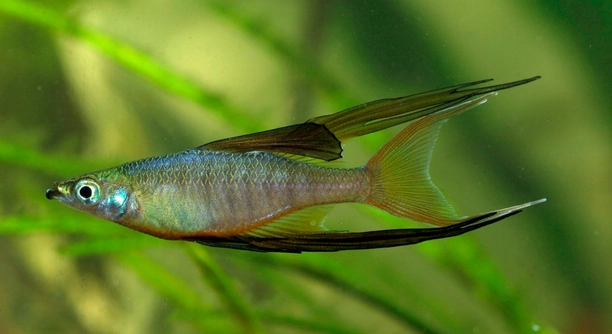
Threadfin are gentle fish that enjoy calm spaces with plenty of cover. Their movements are delicate, and they prefer environments that allow them to explore without stress or disturbance. Creating the right habitat is important for their wellbeing.
The best plant types for matching threadfin behavior are those that offer shelter, reduce water flow, and provide visual boundaries. Plants like Java fern, Amazon sword, and Anubias support natural swimming patterns and encourage calm, exploratory activity.
Choosing the right plants ensures a healthy, stress-free environment for threadfin while enhancing the aquarium’s natural beauty and balance.
Java Fern: A Calm Retreat
Java fern is a hardy plant that thrives in low light and requires minimal care. Its broad leaves create gentle hiding spots where threadfin can feel safe while exploring the aquarium. Because it attaches to rocks and driftwood rather than requiring planting in substrate, it is ideal for creating a natural, low-maintenance layout. Java fern grows slowly, so it won’t quickly overtake the tank, keeping swimming space open. Its roots help stabilize water conditions by absorbing excess nutrients, which supports the health of both plants and fish. Placing Java fern in clusters allows threadfin to weave through leaves comfortably, mimicking their natural environment. This plant also reduces stress for timid or newly introduced threadfin, giving them time to adjust. The soft leaves won’t injure delicate fins, making it suitable for peaceful community tanks. Overall, Java fern offers a combination of shelter, ease of care, and water stability that complements threadfin behavior perfectly.
Java fern creates a low-stress environment, helping threadfin remain active while providing gentle cover to reduce anxiety and encourage natural movement.
Its versatility makes it easy to position in different tank areas. It can be anchored to driftwood near mid-levels or along the substrate edges. Threadfin enjoy hovering around the fern leaves while feeding or resting. Pairing Java fern with slow-growing plants maintains balance, ensuring open swimming paths. Regular pruning prevents dead leaves from affecting water quality, keeping the aquarium clean. Its resilience to varying water parameters makes it a reliable choice for both beginners and experienced aquarists. Over time, Java fern becomes a stable, calming presence that supports the natural behavior of threadfin.
Amazon Sword: Spacious Cover
Amazon swords offer broad foliage that gives threadfin ample space to navigate. They grow upright, creating natural vertical boundaries that mimic riverine environments.
These plants thrive in nutrient-rich substrate, producing dense clusters where threadfin can explore or rest. Their tall, sturdy leaves reduce strong water currents, which aligns with threadfin preference for calm swimming areas. Amazon swords also provide partial shade, moderating light exposure and creating a balanced environment that reduces stress. Positioning them in the back or corners enhances tank depth, allowing threadfin to establish swimming territories. Unlike delicate plants, Amazon swords withstand occasional nibbling and gentle currents, making them highly durable.
To maintain optimal growth, use a substrate rich in iron and supplement with liquid fertilizers when necessary. Regular trimming removes older leaves and encourages new shoots, maintaining dense coverage without overcrowding the tank. By planting Amazon swords in clusters with open swimming paths, aquarists can replicate slow-moving river habitats that threadfin naturally prefer. Their broad leaves create visual boundaries, reducing territorial stress and promoting calm interactions. Combining Amazon swords with mid-height plants like Java fern or Anubias offers layers of shelter, enhancing both aesthetic appeal and functional habitat. Overall, these plants support a natural, peaceful aquarium dynamic tailored to threadfin behavior.
Anubias: Sturdy and Low-Maintenance
Anubias is tough and slow-growing, making it ideal for threadfin tanks. Its thick leaves provide secure hiding spaces, and it can attach to rocks or driftwood without requiring substrate.
Anubias thrives in low to moderate light and tolerates a wide range of water conditions. Its robust structure prevents damage from curious fish or light currents. By planting clusters near mid-levels or edges, threadfin can weave through the leaves freely, reducing stress. This plant’s slow growth ensures it won’t overcrowd swimming space, maintaining balance in the tank. Regular pruning removes dead leaves, keeping the water clean and healthy. Its durability and minimal care needs make it a practical choice for creating natural, safe habitats.
Threadfin respond well to Anubias because its broad leaves act as both shelter and visual boundaries. Anchoring it to driftwood or rocks allows flexible placement, and pairing with smaller plants enhances cover without reducing open swimming paths. The plant supports peaceful behavior by reducing competition and stress, letting threadfin explore at their own pace. Its resilience also makes it forgiving for aquarists adjusting to plant care.
Hornwort: Floating Shelter
Hornwort grows quickly and can float or be anchored, offering versatile coverage for threadfin. Its fine, feathery leaves provide natural hiding spots.
This plant absorbs excess nutrients efficiently, helping maintain water quality. Its dense foliage reduces strong currents, creating calm zones for threadfin. Placing Hornwort in mid-water levels allows threadfin to swim around and beneath it, mimicking slow-moving rivers. It also shades lower areas, keeping light moderate and reducing stress. Regular trimming is needed to prevent overcrowding and maintain open swimming space. Combining Hornwort with rooted plants like Amazon sword or Java fern creates layered habitats that balance cover with mobility, supporting natural exploration and social behavior.
Threadfin use Hornwort both for shelter and foraging. Its floating structure gives them mid-water territory, while its delicate leaves prevent injury. The plant’s fast growth allows easy replenishment of cover, ensuring stable, stress-free conditions. It also filters water naturally, supporting healthier tank environments. Anchored or free-floating, Hornwort adapts to tank setups, offering flexible design without sacrificing comfort. Layering it with other plants enhances visual depth and creates gentle hiding spots, which promote calm activity. Its ability to absorb nutrients while providing functional cover makes it a practical choice for maintaining a thriving threadfin aquarium.
Java Moss: Soft Ground Cover
Java moss grows densely and spreads across surfaces, creating low-level shelter for threadfin. Its soft texture offers protection and resting spots without obstructing swimming paths.
It attaches easily to rocks, driftwood, or substrate, forming natural hiding areas. Threadfin enjoy weaving through the moss, which encourages gentle, exploratory behavior and reduces stress in the tank.
Vallisneria: Vertical Movement
Vallisneria grows tall, creating vertical layers in the aquarium. Threadfin use these long leaves to navigate mid- and upper-level waters, simulating natural river habitats. Its linear structure reduces strong currents and provides visual boundaries that calm fish. Regular trimming maintains open swimming areas and prevents overcrowding.
Cryptocoryne: Dense Pockets
Cryptocoryne forms dense clusters near the substrate, giving threadfin low-level shelter. Its thick leaves create cozy areas for resting while still leaving room for open swimming.
FAQ
What type of plants do threadfin prefer?
Threadfin prefer plants that provide both shelter and open swimming space. Broad-leafed plants like Amazon sword and Anubias create visual boundaries while soft, feathery plants such as Hornwort allow gentle exploration. Floating plants or moss can also offer resting spots without crowding the tank. Placement near mid- or lower levels gives threadfin areas to hide and swim freely, reducing stress and encouraging natural behavior.
Can threadfin damage plants?
Threadfin are generally peaceful and rarely harm plants. They may nibble occasionally, but tough and slow-growing plants like Anubias, Java fern, and Amazon sword usually withstand any minor interaction. Fast-growing plants such as Hornwort may need regular trimming to prevent overcrowding, but overall, threadfin are compatible with most aquatic plants.
How do plants benefit threadfin behavior?
Plants create natural shelter and reduce stress by giving threadfin areas to explore and hide. Dense clusters mimic river habitats, letting fish feel secure. Plants also slow water flow, helping threadfin swim calmly. Soft leaves prevent injury, while vertical and mid-level plants encourage movement and natural exploration, supporting overall health and activity.
Do floating plants help threadfin?
Yes, floating plants offer mid-water cover and shade, reducing light intensity and stress. They also create visual barriers that calm fish. Threadfin can swim under or around floating plants, which encourages natural movement and resting patterns. Pairing floating plants with rooted species enhances habitat variety and maintains a balanced tank layout.
How often should I trim plants in a threadfin tank?
Trimming frequency depends on plant type. Fast-growing species like Hornwort may require weekly trimming to prevent overcrowding. Slow-growing plants like Java fern or Anubias only need occasional pruning to remove dead or damaged leaves. Maintaining proper trimming keeps swimming space open, preserves water quality, and ensures threadfin can move freely.
Are certain plants better for breeding threadfin?
Yes, plants that provide dense coverage near the substrate or mid-level areas support breeding behavior. Species like Cryptocoryne and Java moss offer protection for fry and reduce stress for adults. Vertical plants like Vallisneria create territorial boundaries, giving fish confidence to spawn while feeling secure in their environment.
Can threadfin live without plants?
Threadfin can survive without plants, but their behavior may be affected. Lack of cover increases stress, reduces natural exploratory activity, and may make them more prone to illness. Plants replicate their natural habitat, supporting calm swimming, resting, and social interaction, which contributes to their long-term wellbeing.
Do threadfin prefer certain lighting with plants?
Moderate to low lighting is ideal for threadfin tanks. Bright light can increase stress and cause plants to grow too quickly, potentially crowding swimming areas. Soft, diffused lighting enhances plant growth while maintaining calm conditions, letting threadfin move naturally through leaves and shaded areas without feeling exposed.
Is substrate important for planted threadfin tanks?
Yes, substrate affects plant stability and growth. Nutrient-rich substrate supports rooted plants like Amazon sword and Cryptocoryne, helping them develop dense coverage for hiding spots. Proper substrate also maintains water quality, supports root systems, and ensures plants stay anchored, which contributes to a stable and stress-free environment for threadfin.
Can I mix plant types in a threadfin tank?
Mixing plant types is highly beneficial. Combining slow-growing, sturdy plants like Anubias with fast-growing, soft plants like Hornwort creates layered habitats. Floating and mid-level plants provide shade and shelter, while rooted species maintain bottom coverage. A diverse setup encourages natural behavior, reduces stress, and keeps swimming space open for threadfin.
How do I maintain plant health in a threadfin aquarium?
Regular pruning, moderate lighting, and nutrient-rich substrate are key. Remove dead leaves promptly, trim fast-growing plants, and supplement with liquid fertilizers if needed. Monitor water parameters to prevent algae growth. Healthy plants maintain water quality, reduce stress for threadfin, and create a stable, natural habitat that supports both plant and fish wellbeing.
Can plants help reduce aggression among threadfin?
Yes, plants act as visual barriers and provide multiple hiding spots, which reduce competition and stress. Dense clusters allow shy or smaller fish to find refuge, while tall or vertical plants create boundaries that prevent conflicts. Layered plant arrangements help maintain calm interactions and support natural social behavior.
Are there any plants to avoid with threadfin?
Very delicate or highly ornamental plants with thin, easily damaged leaves may not be ideal. Threadfin can brush against these leaves, causing tearing. Additionally, plants requiring extreme care or high-intensity lighting may be difficult to maintain. Choosing hardy, slow- or moderate-growing species ensures both plant and fish thrive together.
How do I introduce plants to an existing threadfin tank?
Introduce plants gradually to avoid stressing fish. Rinse new plants thoroughly to remove debris or pests. Place sturdy plants first, followed by floating or soft species. Observing fish behavior during introduction helps ensure they adapt to the new cover without disturbance. Regular maintenance keeps both plants and threadfin healthy.
Can plants improve water quality for threadfin?
Yes, live plants absorb excess nutrients, reduce nitrates, and help oxygenate the water. This creates a stable environment that supports fish health and reduces stress. Fast-growing species like Hornwort are particularly effective at nutrient uptake, while slow-growing plants maintain consistent shelter and habitat structure for threadfin.
Do threadfin use plants for feeding?
Threadfin may forage around plants for small food particles or microfauna that accumulate on leaves and substrate. Dense clusters create areas where food can settle naturally, encouraging natural foraging behavior. Soft-leaved plants allow safe exploration while supporting healthy feeding patterns without increasing stress or injury risk.
Can aquarium plants survive threadfin activity long-term?
Yes, with careful selection and placement. Hardy, slow-growing plants like Anubias and Java fern withstand brushing and mild interaction. Regular trimming, proper lighting, and nutrient-rich substrate help maintain plant health. Layering fast- and slow-growing plants ensures both coverage and open swimming space, supporting long-term compatibility with threadfin.
How do I balance open swimming space with plant coverage?
Plan the tank layout with mid- and low-level plants for shelter while leaving clear swimming paths. Use vertical or floating plants to create boundaries without blocking movement. Trim fast-growing species to prevent overcrowding. Balancing cover and open space allows threadfin to explore naturally while remaining stress-free and active.
Are there benefits to using mosses in a threadfin tank?
Yes, mosses like Java moss create soft, low-level cover and resting spots. They encourage natural foraging behavior and provide protection for shy fish. Moss can attach to driftwood or substrate, forming dense patches without reducing swimming space. Its low-maintenance nature supports both plant and fish health in a threadfin aquarium.
Can plants help acclimate new threadfin to a tank?
Absolutely. Introducing dense plants or floating cover gives new threadfin hiding spots and reduces stress while they adjust to water parameters. Mid- and lower-level plants help them explore gradually, encouraging calm behavior and reducing the risk of injury or illness during the acclimation period.
Do threadfin interact differently with different plant types?
Yes, threadfin show preference for broad-leafed and soft-feathered plants. Dense clusters or vertical leaves provide security and exploration zones. Floating plants allow mid-water hovering, while mosses create resting areas. Layering various plant types promotes balanced activity, reduces stress, and supports natural movement throughout the tank.
What combination of plants works best for threadfin?
A mix of slow-growing, sturdy plants like Anubias and Java fern, tall vertical species like Vallisneria, dense substrate plants like Cryptocoryne, and fast-growing soft plants like Hornwort creates layered habitats. Adding floating plants and moss provides mid-water cover. This combination ensures shelter, open swimming space, and a natural environment conducive to threadfin behavior.
How does plant density affect threadfin behavior?
High density can reduce open swimming areas, potentially causing stress or restricted movement. Low density may leave fish exposed and increase anxiety. Moderate density, using layered plant arrangements, provides hiding spots, boundaries, and open areas for exploration, promoting natural activity while maintaining calm and secure conditions.
Are there seasonal considerations for plant care in threadfin tanks?
Yes, seasonal changes may affect lighting, temperature, and plant growth. Adjust trimming, fertilizer, and lighting to maintain consistent conditions. Ensuring stable plant health across seasons prevents overcrowding, supports water quality, and keeps threadfin behavior natural, calm, and stress-free year-round.
How can I monitor the effectiveness of plants in a threadfin tank?
Observe fish activity, stress levels, and resting patterns. Healthy, active threadfin exploring plants and using cover indicates proper plant placement and density. Monitor water quality and plant growth. Adjust trimming, placement, or plant variety as needed to maintain balance and support optimal behavior for threadfin.
Can live plants prevent algae growth in a threadfin tank?
Yes, live plants compete for nutrients, reducing excess that algae use to grow. Dense plant coverage, proper trimming, and balanced lighting limit algae proliferation. This helps maintain a cleaner tank environment, improves water quality, and supports healthier, calmer threadfin behavior.
Do threadfin prefer certain plant textures?
Threadfin respond well to soft leaves and feathery structures, which allow safe weaving and resting. Broad, sturdy leaves provide shelter and visual boundaries without risk of injury. Combining textures, such as fine Hornwort and thick Anubias leaves, creates an enriched habitat that encourages natural exploration.
Are artificial plants suitable for threadfin?
Artificial plants can provide visual cover but lack nutrient absorption and natural water filtration. They also don’t mimic soft textures that threadfin prefer. If used, pair with real plants to maintain natural behavior, swimming space, and water quality. Proper placement ensures threadfin still benefit from shelter and reduced stress.
How do I choose plants based on tank size for threadfin?
Smaller tanks benefit from slow-growing, compact plants like Anubias or Java fern to prevent overcrowding. Larger tanks allow a mix of tall, vertical plants like Vallisneria and floating species. Ensure open swimming areas remain, and place dense clusters strategically to create zones of shelter without limiting mobility.
Can plants influence breeding behavior in threadfin?
Yes, dense clusters and mosses provide secure areas for spawning. Plants reduce stress and create visual boundaries, giving fish confidence to breed. Layered setups with tall and low-level plants help separate territories, support fry protection, and promote natural reproductive behavior within the aquarium environment.
How important is plant placement for threadfin comfort?
Placement is crucial. Low and mid-level plants offer shelter and resting spots, while tall and floating plants create boundaries and shade. Avoid overcrowding open swimming areas. Thoughtful layering ensures threadfin can explore safely, reduces stress, and encourages natural social and swimming behaviors.
Do threadfin need hiding spots even in peaceful tanks?
Yes, even in calm community tanks, threadfin benefit from shelter. Dense plants or moss provide refuge from perceived threats and resting areas. Hiding spots reduce stress, support natural movement, and allow fish to feel secure, ensuring healthier behavior regardless of tank mates.
Can plant density affect water circulation for threadfin?
Yes, dense plants can slow currents, which threadfin prefer. However, overcrowding may restrict swimming. Proper balance of dense clusters and open paths ensures adequate circulation for oxygenation while maintaining calm areas for exploration. Monitoring flow ensures optimal comfort and natural behavior for threadfin.
How do I introduce multiple plant types at once?
Introduce in stages to prevent shocking the ecosystem. Start with sturdy plants like Anubias or Java fern, then add fast-growing or floating species. Observe fish behavior and water quality. Adjust placement as needed to maintain open swimming space, shelter, and calm conditions for threadfin.
Can plant care mistakes affect threadfin health?
Yes, over-fertilizing, poor pruning, or improper lighting can harm plants, leading to water quality issues. Algae growth or decaying leaves increase stress for threadfin. Regular maintenance, proper trimming, and monitoring substrate and lighting ensure both plant and fish health are preserved.
Are certain plant colors more attractive to threadfin?
Threadfin do not have strong color preferences but may respond to shapes and textures. Broad, green leaves or feathery textures encourage natural exploration and hiding. Using a mix of shapes and heights creates an environment that promotes calm, active behavior without overstimulating fish.
Do threadfin interact differently in planted vs. bare tanks?
Yes, planted tanks encourage exploration, resting, and natural hiding behaviors. Bare tanks increase exposure and stress, reducing activity and making fish more prone to illness. Layered plants, varied textures, and moderate density create secure zones that support healthier, more active, and natural behavior patterns.
How long does it take for plants to affect threadfin behavior?
Behavior improvements can be seen within days if proper shelter, density, and open swimming paths are provided. Full adaptation may take weeks as fish explore and establish territories. Consistent plant care ensures long-term comfort, reduces stress, and encourages natural movement and activity.
Can adding new plants disrupt established threadfin behavior?
New plants can initially cause curiosity or stress. Gradual introduction and proper placement reduce disruption. Threadfin adapt quickly to added shelter and coverage, often using new plants for hiding, exploration, or resting. Observation ensures fish maintain calm behavior while integrating changes.
Is it better to anchor plants or let them float?
Both methods work depending on the plant type. Anchored plants like Anubias and Amazon sword create stable shelter, while floating species like Hornwort provide mid-water cover. Combining anchored and floating plants maximizes hiding spots, swimming paths, and stress reduction for threadfin.
Can plants improve overall tank aesthetics for threadfin?
Yes, well-chosen plants create natural layers, visual depth, and a calming environment. They enhance tank design while serving functional purposes like shelter, boundaries, and water filtration. A balanced layout supports threadfin health, behavior, and provides a visually pleasing aquarium.
How do I prevent plants from overtaking the tank?
Trim fast-growing species regularly and monitor placement to maintain open swimming paths. Balance slow-growing, hardy plants with faster-growing ones to avoid overcrowding. Layering mid- and low-level plants ensures shelter without sacrificing mobility, keeping threadfin comfortable and free to explore.
Are there any special care tips for moss in threadfin tanks?
Rinse moss before introduction and attach it to driftwood or substrate. Trim lightly to prevent overgrowth. Moss provides low-level cover, resting spots, and encourages natural foraging behavior. Its maintenance is simple, making it ideal for supporting threadfin comfort and activity.
Can plants reduce stress during water changes?
Yes, dense plants provide hiding spots during water changes, allowing threadfin to feel secure. Mid- and low-level coverage minimizes exposure to strong currents or movement, reducing stress. Maintaining consistent plant placement ensures fish remain comfortable throughout routine maintenance.
Do all threadfin species behave the same with plants?
Most threadfin species respond similarly to shelter, open swimming paths, and layered plant arrangements. Some variations may exist depending on size or temperament, but generally, broad leaves, mid-level cover, and soft textures are universally calming and encourage natural exploration.
How do I balance fast-growing and slow-growing plants?
Use slow-growing, hardy plants as a stable base, then layer fast-growing species strategically for additional coverage. Regular trimming prevents overcrowding, while maintaining open swimming paths. This balance ensures threadfin have shelter, calm zones, and space to swim freely without stress or territorial disputes.
Can plants influence social behavior among threadfin?
Yes, plants create zones and hiding spots that reduce conflicts. Dense clusters give shy fish refuge, while open areas allow active swimming. Layered habitats encourage calm interactions, reduce territorial disputes, and promote natural social behavior, ensuring threadfin remain peaceful and active in the tank.
Are there maintenance differences for planted threadfin tanks versus bare tanks?
Planted tanks require pruning, monitoring water quality, and occasional fertilization. Bare tanks focus on cleaning and filtration without the need for plant care. While planted tanks take slightly more effort, they provide benefits in shelter, water quality, and stress reduction, directly supporting healthier threadfin behavior.
Do plants affect feeding patterns of threadfin?
Yes, plants create areas where food naturally settles, encouraging foraging and exploration. Dense leaves provide safe spots to search without feeling exposed. Open swimming areas combined with plant clusters allow threadfin to feed comfortably, reducing stress and promoting natural feeding behavior.
Can adding plants after tank establishment disrupt water parameters?
Adding live plants may temporarily alter nutrient levels, oxygen, and pH. Rinse plants thoroughly, monitor water parameters, and introduce gradually. Healthy, established plants can stabilize water over time, improving conditions and creating a more secure habitat for threadfin.
How does plant height affect threadfin behavior?
Tall plants like Vallisneria create vertical boundaries, allowing threadfin to navigate mid- and upper-level waters. Shorter plants like Cryptocoryne and moss provide low-level cover. Combining heights creates layered habitats that reduce stress, encourage exploration, and maintain natural swimming patterns.
Are there specific plant combinations that prevent boredom?
Yes, layering fast- and slow-growing plants, combining tall, mid-level, and low-level species, and adding floating plants or moss creates varied terrain. This encourages threadfin to explore different areas, reduces stress, and supports natural, active behavior in a stimulating yet safe environment.
Can plants influence water chemistry long-term for threadfin?
Healthy plants absorb nitrates, stabilize pH, and reduce harmful compounds, creating a stable environment. Regular maintenance ensures continued benefits. A balanced plant setup improves water quality, reduces stress, and supports long-term wellbeing and natural behavior of threadfin in the aquarium.
Do threadfin use plants as landmarks in the tank?
Yes, plants serve as visual markers that help threadfin navigate and establish territories. Dense clusters, tall leaves, and moss patches create recognizable zones. This reduces stress, encourages natural movement, and allows fish to interact confidently with their environment.
Can plants reduce disease risk in threadfin tanks?
Healthy plants support cleaner water by absorbing excess nutrients, which helps prevent algae overgrowth and bacterial spikes. Reduced stress from adequate shelter also strengthens immune responses, lowering the likelihood of illness. Proper maintenance of both plants and fish ensures a healthier, more stable aquarium environment.
How do I introduce fast-growing plants without affecting slow-growing ones?
Plant fast-growing species in separate areas or in floating positions to prevent shading slow-growing plants. Regular trimming keeps balance, ensuring all species receive sufficient light and space. This approach maintains open swimming areas and layered habitats, supporting threadfin behavior and overall tank health.
Do plants affect breeding success in threadfin?
Yes, dense and layered plants create safe spawning zones, reduce stress, and provide cover for fry. They mimic natural habitats, giving fish confidence to breed while protecting offspring. Choosing a mix of mosses, tall, and low-level plants supports reproductive behavior effectively.
Can plants support natural resting behavior for threadfin?
Yes, low-level and dense plants provide areas where threadfin can rest while feeling secure. Floating and mid-level plants create
Final Thoughts
Creating a well-planted aquarium for threadfin is about more than just decoration. Plants play a key role in shaping the environment where these fish feel safe and comfortable. By choosing species that offer shelter, reduce strong water currents, and leave open swimming paths, aquarists can create a habitat that supports natural behavior. Broad-leafed plants such as Anubias and Amazon sword provide visual boundaries and resting spaces, while soft, feathery plants like Hornwort and Java moss offer gentle cover that encourages exploration. Layering plants at different levels—from low ground cover to tall vertical species—gives threadfin multiple options for hiding, swimming, and resting. This variety not only enhances the look of the tank but also supports calm, healthy fish that are less stressed and more active. Proper placement of plants is essential. Dense clusters in certain areas provide security, while open spaces allow free movement. Maintaining a balance ensures the tank does not become overcrowded, which can restrict swimming or create stress among the fish.
Careful plant selection also affects water quality, which is directly linked to threadfin health. Live plants absorb nutrients and reduce the risk of algae growth, helping maintain stable water conditions. Fast-growing plants such as Hornwort are particularly effective at nutrient uptake, while slow-growing, hardy plants like Java fern or Anubias provide long-term stability without rapid overgrowth. Regular maintenance, including pruning dead leaves and trimming fast-growing species, keeps water clear and prevents overcrowding. The substrate also matters. Nutrient-rich substrate supports rooted plants, allowing them to grow dense clusters that threadfin can use as shelter and resting areas. Even floating plants contribute by shading lower levels and creating mid-water cover, which helps fish feel secure while swimming. Overall, a combination of plant types, proper placement, and consistent maintenance creates a healthy, stable, and visually appealing environment for threadfin.
The behavioral benefits of plants in a threadfin aquarium are significant. Fish feel more confident exploring the tank when they have adequate shelter and clearly defined zones created by plant placement. Plants encourage natural behaviors such as gentle swimming, resting among leaves, and foraging near substrates. Even peaceful species can show signs of stress in bare tanks, but the presence of diverse plant cover reduces anxiety and promotes active, healthy living. Layered habitats allow shy individuals to find refuge while more active fish can move freely without interference. Over time, aquarists will notice that threadfin interact with the tank environment more naturally, making the aquarium both functional and visually pleasing. Investing effort in selecting suitable plant species and arranging them thoughtfully pays off in healthier, happier fish. Combining low-maintenance, hardy plants with fast-growing, soft-leafed species creates a balanced, dynamic environment that supports the long-term wellbeing of threadfin. With careful attention to plant care, layout, and density, an aquarium can mimic natural habitats and provide a peaceful, thriving home for these delicate, graceful fish.

Hello,
If you enjoy the content that we create, please consider saying a "Thank You!" by leaving a tip.
Every little bit helps us continue crafting quality advice that supports the health, happiness, and well-being of pets around the world, for pets of all shapes, sizes, and species.
We really appreciate the kindness and support that you show us!