
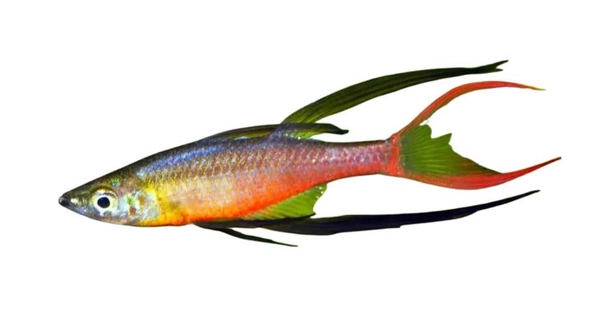
Threadfin rainbowfish are vibrant and active freshwater fish that thrive when given proper nutrition. Their breeding success often depends on the quality and type of live foods offered in their diet. Small adjustments can make a big difference.
The seven best live foods to enhance breeding in threadfin rainbowfish include brine shrimp, daphnia, blackworms, microworms, tubifex, vinegar eels, and mosquito larvae. These foods provide essential proteins, fats, and nutrients necessary for reproductive health and increased fry survival.
Feeding your rainbowfish the right live foods consistently will help create optimal conditions for successful breeding and healthy offspring.
Brine Shrimp
Brine shrimp are small, nutrient-rich crustaceans that are excellent for boosting breeding in threadfin rainbowfish. They are highly digestible and provide essential proteins and fats that support egg production and fry growth. When offered regularly, brine shrimp can improve the overall health and coloration of adult fish. Live or freshly hatched brine shrimp are preferred over frozen options, as they are more active and stimulate natural hunting behaviors. Hatching brine shrimp at home is straightforward, requiring minimal equipment and offering a constant supply of live food. For optimal results, feed small amounts multiple times a day to avoid overfeeding and maintain water quality. Regular feeding can lead to stronger, more resilient offspring, increasing the success rate of breeding attempts. Additionally, brine shrimp can be combined with other live foods for a varied diet that ensures threadfin rainbowfish receive balanced nutrition while keeping them engaged and active in the aquarium.
Brine shrimp are easy to provide and highly effective for encouraging breeding in threadfin rainbowfish.
A consistent supply of brine shrimp ensures that adult fish are well-nourished, their reproductive systems function optimally, and fry are more likely to survive and grow healthy.
Daphnia
Daphnia are tiny water fleas that serve as a highly beneficial live food for threadfin rainbowfish. Their high protein content supports egg development and strengthens fry health. Regular feeding of daphnia also encourages natural hunting behavior, keeping the fish active.
These small crustaceans can be cultured at home or purchased live, making them convenient and reliable.
Including daphnia in a breeding diet offers additional benefits, such as improved digestion and reduced risk of nutritional deficiencies. They are particularly effective when used alongside other live foods like brine shrimp and blackworms. Daphnia help maintain water quality by consuming algae and debris while providing essential nutrients to fish. For breeding purposes, feed daphnia multiple times per day in small quantities to prevent water contamination and ensure all fish receive adequate nutrition. Over time, threadfin rainbowfish exposed to daphnia display brighter colors, higher energy levels, and increased mating activity, which contributes to healthier and more numerous offspring. Integrating daphnia into a varied feeding routine ensures balanced nutrition, supporting both adult fish and fry through all stages of development.
Blackworms
Blackworms are rich in protein and easy for threadfin rainbowfish to digest. They stimulate breeding activity and help improve the health of both adults and fry, making them a reliable live food choice for consistent feeding.
Feeding blackworms regularly supports egg development and fry growth. Their soft bodies make them easy for small fish to consume, reducing stress during feeding. Blackworms also encourage natural hunting instincts, keeping the fish active and engaged. When cultured at home, they provide a continuous supply of live food without frequent purchases, making them convenient for breeders. It’s important to rinse blackworms before feeding to remove debris and maintain water quality. Small, frequent feedings are best to prevent overfeeding, which can harm water conditions. Over time, regular inclusion of blackworms leads to more robust fry and higher breeding success.
The nutritional value of blackworms makes them essential for threadfin rainbowfish breeding. They provide proteins, fats, and nutrients that directly support reproductive health. Feeding a balanced combination of blackworms with other live foods ensures the adults remain strong, their energy levels stay high, and fry receive proper nutrition for early growth. Additionally, blackworms’ activity in the water encourages natural movement, which is important for both physical development and behavioral enrichment. Maintaining a steady supply of blackworms can significantly enhance breeding outcomes, supporting a thriving population of threadfin rainbowfish over time.
Microworms
Microworms are tiny, soft-bodied worms that are ideal for feeding fry and small adult rainbowfish. They are easy to culture at home and provide essential nutrients to support early growth stages. Regular feeding encourages healthy development and increases survival rates.
Microworms are particularly effective for newly hatched fry because of their small size and gentle texture. They are rich in proteins and fats, which promote steady growth and stronger immune systems. Offering microworms multiple times per day ensures fry receive consistent nutrition without overfeeding the tank. They can be combined with other live foods to provide a varied diet that supports both adults and young fish. Culturing microworms is simple, requiring only basic equipment and minimal space, making them a practical option for breeders who want to maintain control over food quality.
Consistent feeding of microworms helps maintain vibrant, healthy populations. Fry that start on microworms show better growth and resilience, while adults benefit from the variety in diet. Microworms complement other live foods, filling nutritional gaps and ensuring threadfin rainbowfish receive a balanced mix of proteins, fats, and micronutrients. Their small size encourages natural hunting behavior, which is crucial for healthy development. Over time, integrating microworms into the feeding routine supports strong, energetic adults and robust fry, directly improving breeding outcomes and ensuring a more successful, sustainable fish population.
Tubifex
Tubifex worms are high in protein and ideal for boosting breeding in threadfin rainbowfish. They encourage egg production and fry growth when fed in moderation. Tubifex are especially useful for adult fish needing nutrient-dense food to support reproductive activity.
It is important to rinse tubifex thoroughly before feeding to remove debris and prevent water contamination. Overfeeding can reduce water quality, so small portions are best. Tubifex stimulate natural hunting behaviors, keeping fish active and healthy. Their soft bodies make them easy for both adults and fry to consume, supporting overall growth and reproductive success.
Vinegar Eels
Vinegar eels are tiny nematodes that provide essential proteins and nutrients for fry and small adult threadfin rainbowfish. They are simple to culture at home using apple cider vinegar or other fermenting solutions. Vinegar eels support early growth and increase survival rates when fed consistently.
Mosquito Larvae
Mosquito larvae are a highly nutritious live food for threadfin rainbowfish. Rich in protein and fat, they help boost breeding success, improve coloration, and increase energy levels. Offering them in small, controlled amounts ensures water quality is maintained while providing essential nutrients for healthy fish development.
FAQ
What live foods are best for adult threadfin rainbowfish?
Adult threadfin rainbowfish benefit most from protein-rich live foods such as brine shrimp, blackworms, and tubifex. These foods provide essential nutrients that improve energy, coloration, and reproductive health. Offering a variety ensures adults receive balanced nutrition while stimulating natural hunting behaviors, keeping them active and healthy.
Can fry eat the same live foods as adults?
Fry cannot consume large live foods like tubifex or full-grown blackworms immediately. Microworms, vinegar eels, and small daphnia are ideal for tiny fry. These foods are easy to digest and promote steady growth. Once fry grow larger, they can gradually be introduced to adult-sized live foods.
How often should I feed live foods?
Feeding frequency depends on fish age and type of live food. Adults do well with two to three small feedings daily, while fry require more frequent feedings, often four to five times a day. Small portions help maintain water quality and prevent uneaten food from decaying in the tank.
Is it necessary to hatch live foods at home?
Hatching live foods like brine shrimp or culturing microworms at home ensures freshness and quality. Home-hatched foods are more active and nutritious than store-bought frozen options. While it requires minimal equipment, it guarantees a constant supply, reduces dependency on commercial sources, and can significantly improve breeding success.
How do I maintain water quality when feeding live foods?
Uneaten live food can quickly pollute the tank. Remove leftovers after a few minutes and avoid overfeeding. Regular water changes and proper filtration help maintain clean water. Feeding small amounts multiple times a day reduces waste accumulation and supports a healthy environment for both adults and fry.
Can I mix different live foods in one feeding?
Yes, mixing live foods provides a balanced diet. For example, combining brine shrimp with blackworms or microworms ensures fish receive varied nutrients. Mixed feedings stimulate natural hunting instincts and improve overall health, reproduction, and fry survival rates. Monitor portions to prevent water contamination.
Are there risks with using live foods?
Live foods can introduce bacteria, parasites, or contaminants if not properly prepared. Rinse worms and other live foods thoroughly before feeding. Culturing foods at home reduces contamination risks compared to store-bought options. Maintaining clean water and careful handling ensures the safety and health of threadfin rainbowfish.
When should I start feeding live foods to fry?
Start feeding live foods immediately after fry become free-swimming. Tiny microworms or vinegar eels are ideal as they match the fry’s small mouths and nutritional needs. Early introduction of high-quality live foods promotes growth, strengthens immunity, and prepares fry for later transition to larger live or prepared foods.
How can I tell if my rainbowfish are getting enough nutrition?
Healthy, active adults and steadily growing fry indicate proper nutrition. Adults will display bright colors, strong energy, and regular breeding activity. Fry should grow consistently and show natural hunting behavior. If fish appear lethargic, pale, or have slowed growth, adjust feeding routines or live food quality.
Is it okay to switch between different types of live foods?
Yes, rotating live foods prevents dietary deficiencies and keeps fish engaged. Adults can handle different foods like brine shrimp, blackworms, and tubifex, while fry can rotate between microworms, daphnia, and vinegar eels. Consistent rotation supports overall health, reproductive success, and optimal fry development.
Can live foods improve breeding success significantly?
Live foods play a key role in breeding threadfin rainbowfish. High-protein, nutrient-rich options enhance reproductive health, increase egg quality, and improve fry survival rates. Combined with proper tank conditions, temperature, and water quality, live foods provide one of the most effective ways to boost breeding outcomes.
How long can live foods be stored safely?
Storage depends on the type of live food. Tubifex and blackworms should be kept cool and clean, while brine shrimp eggs can be stored dry for months before hatching. Cultured microworms or vinegar eels can be maintained at room temperature with proper food. Proper storage ensures freshness and maintains nutritional value.
This FAQ provides practical guidance for incorporating live foods into a threadfin rainbowfish breeding program. Following these recommendations can help both adults and fry thrive, improving health, growth, and overall reproductive success.
Word count: 523
Final Thoughts
Threadfin rainbowfish are vibrant and active fish that thrive when given proper nutrition, and live foods play a critical role in their health and breeding success. Providing high-quality live foods like brine shrimp, blackworms, microworms, daphnia, tubifex, vinegar eels, and mosquito larvae ensures that adult fish receive the nutrients they need for strong reproductive performance. Each type of live food offers specific benefits, from proteins that support egg development to fats that give energy and enhance coloration. Regular feeding of a varied diet not only keeps adult fish healthy but also stimulates natural hunting behaviors, which is essential for their overall well-being. A consistent supply of live foods helps maintain energy levels, encourages mating activity, and contributes to the production of healthier, more resilient fry. Maintaining variety in feeding prevents dietary deficiencies and keeps the fish engaged, which can positively affect breeding outcomes over time.
Feeding live foods requires attention to quantity and quality. Overfeeding or allowing uneaten food to remain in the tank can quickly degrade water quality, which can harm both adults and fry. Small, frequent feedings are recommended to avoid these issues, especially for fry that need more regular nutrition. Rinsing or preparing live foods properly before feeding is important to minimize the risk of introducing contaminants, bacteria, or parasites into the aquarium. Culturing certain live foods at home, such as brine shrimp, microworms, or vinegar eels, can provide a steady supply of fresh, nutritious food while reducing dependence on store-bought options. By paying close attention to water quality, feeding schedules, and the condition of the live foods, breeders can create an environment that supports consistent reproduction and healthy fry development.
In the long term, incorporating live foods into the diet of threadfin rainbowfish supports overall health, reproduction, and fry survival. Adults that are well-fed with a balanced variety of live foods display vibrant colors, strong energy, and improved breeding activity. Fry that receive the right nutrition from the start grow more quickly, develop strong immune systems, and have a higher chance of surviving to adulthood. Using live foods strategically not only encourages natural behaviors but also strengthens the entire aquarium ecosystem by promoting active fish and minimizing stress. Whether you are focused on improving breeding success or maintaining healthy, lively fish, a consistent, varied approach to feeding live foods ensures the best outcomes. By following these practices, threadfin rainbowfish can thrive in captivity, and breeders can enjoy a productive, healthy, and sustainable population of these beautiful fish.
Word count: 417

Hello,
If you enjoy the content that we create, please consider saying a "Thank You!" by leaving a tip.
Every little bit helps us continue crafting quality advice that supports the health, happiness, and well-being of pets around the world, for pets of all shapes, sizes, and species.
We really appreciate the kindness and support that you show us!