
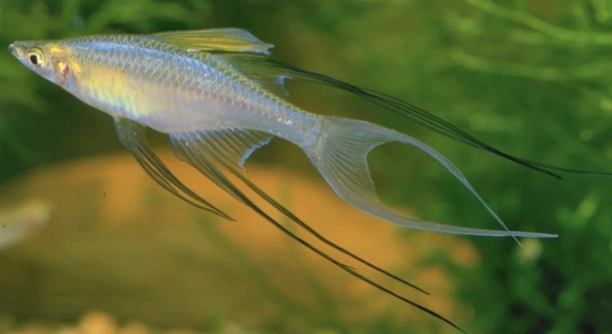
Have you ever noticed your threadfin tank looking slightly off, with your fish behaving differently or your plants losing their spark? Sometimes, even a well-maintained setup needs another look to keep everything balanced.
The right time to reevaluate your threadfin tank setup often arises when environmental stability changes, water quality fluctuates, or fish behavior shifts noticeably. Regular reassessment ensures optimal health conditions, prevents stress-related issues, and maintains the overall harmony of the aquarium ecosystem.
Recognizing these moments will help you maintain a thriving tank and keep your threadfins as vibrant and graceful as ever.
1. When Water Quality Starts to Decline
Water quality is one of the first things that can shift without notice. Even small changes can affect your threadfins’ color, energy, and appetite. Over time, waste buildup and uneaten food can disrupt the tank’s balance, leading to higher ammonia or nitrate levels. You might notice cloudy water, strange smells, or algae appearing faster than usual. These are all signs that your filtration system might need cleaning or upgrading. Testing the water weekly can help you catch problems early before they harm your fish. A stable, clean tank environment ensures your threadfins stay active, healthy, and comfortable.
If your threadfins start breathing heavily, hovering near the surface, or losing color, poor water quality may be to blame. A partial water change, proper filtration, and consistent testing can bring things back under control and help your tank stay stable.
Regular maintenance not only protects your threadfins but also prevents long-term issues. Adjusting your cleaning routine, filter media, or feeding habits can make a big difference. A healthy aquarium depends on balance, and keeping your water conditions in check creates a safe and peaceful space where your fish can thrive without stress or sudden health problems.
2. When Tank Space Becomes Too Tight
Overcrowding often happens gradually, especially as your threadfins grow or new fish are added. When space becomes limited, fish may act aggressively or hide more often. This can lead to stress and weaker immune systems.
A cramped tank can also cause waste buildup and limit oxygen circulation. If your threadfins seem restless, bump into decor, or gather near one area, it might be time to upgrade their space. A larger tank allows for better movement, healthier filtration, and a more natural environment. Aim for plenty of open swimming areas, hiding spots, and gentle water flow. Adjusting your setup can prevent stress, reduce disease risk, and restore harmony to the tank. Ensuring enough room for each fish promotes better behavior, color, and health, keeping your aquarium balanced and enjoyable to watch.
3. When Algae Growth Gets Out of Hand
Excess algae can quickly turn your tank from clear to cloudy green. It often appears when light exposure is too long, nutrients are unbalanced, or water changes are delayed. Addressing it early prevents long-term harm to your threadfins’ environment.
Cut back on lighting hours and move your tank away from direct sunlight. Clean the glass and decorations regularly, and add live plants to compete with algae for nutrients. Test the water to check nitrate and phosphate levels, as these are key algae triggers. Maintaining a balanced feeding routine also helps keep growth under control without stressing your fish.
Avoid using strong chemicals to remove algae, as these can harm your threadfins. Instead, focus on small but consistent changes in maintenance and lighting habits. Over time, you’ll notice clearer water and healthier fish. Regular upkeep will keep algae manageable and your tank looking calm and natural.
4. When Fish Behavior Changes Suddenly
A sudden shift in your threadfins’ behavior often signals something off in their environment. Hiding, aggression, or loss of appetite may point to water imbalance, overcrowding, or stress from incompatible tank mates. Observing these changes early can help you act before problems worsen.
Check your water parameters and temperature first, as even small fluctuations can unsettle your fish. Review any recent changes—new decor, lighting, or added species. If aggression appears, consider rearranging the tank or providing extra plants and shelters. Threadfins are peaceful by nature, so ongoing tension means something in the setup needs adjusting. Restoring balance often brings calm behavior back. A little attention to their signals helps keep your tank peaceful and your fish feeling secure.
5. When Equipment Starts Failing
Faulty heaters, weak filters, or dim lights can silently affect your tank’s stability. Even minor equipment issues may lead to temperature drops, poor water circulation, or reduced oxygen levels, all of which can stress your threadfins and impact their overall health.
Regularly inspect and clean your equipment to ensure everything functions properly. Replace aging parts before they fail, and keep a backup heater or filter if possible. A reliable setup helps maintain consistent conditions and prevents sudden changes that could harm your fish or upset the tank’s balance.
6. When Plant Growth Slows Down
Slow or discolored plant growth often means something is missing—light, nutrients, or proper water conditions. Threadfins rely on healthy plants for cover and balance, so poor plant health can disturb the tank’s ecosystem. Check your lighting schedule, test water parameters, and consider adding fertilizers or root tabs. Trim dying leaves to encourage new growth. Consistent care keeps plants lush and supports your fish’s well-being.
7. When the Tank Looks Unbalanced
A tank that feels cluttered, dull, or uneven often signals it’s time for a refresh. Small layout adjustments can restore harmony and keep your threadfins comfortable and stress-free in their environment.
FAQ
How often should I test my threadfin tank water?
Water testing should happen at least once a week. Regular checks of ammonia, nitrite, nitrate, and pH levels help catch issues early. Keeping consistent records lets you spot trends, prevent sudden changes, and maintain a stable environment for your threadfins.
What is the best way to clean a tank without stressing fish?
Perform partial water changes of 20–30% weekly, using a siphon to remove debris from the substrate. Avoid full water changes unless absolutely necessary, as sudden shifts in water parameters can stress threadfins. Always treat new water to remove chlorine and match temperature before adding it.
How can I tell if my threadfins are stressed?
Stress signs include hiding often, reduced appetite, faded colors, or erratic swimming. Early detection is key. Stress can result from poor water quality, overcrowding, aggressive tank mates, or sudden environmental changes. Addressing these factors promptly helps prevent illness and keeps your fish healthy.
What should I do if algae keeps returning?
Focus on controlling light exposure, maintaining balanced nutrients, and keeping up with water changes. Introducing live plants can compete with algae for nutrients. Remove visible algae manually with a scraper or soft brush. Avoid chemical treatments unless absolutely necessary, as they can harm threadfins and disrupt the tank’s balance.
Can I add more fish to my tank safely?
Yes, but only after evaluating space, filtration, and current population. Gradually introduce new threadfins or compatible species. Quarantine new fish first to avoid introducing disease. Monitor behavior closely to ensure all fish adjust well, and make sure each has enough swimming space and hiding spots to reduce stress.
How often should I trim or maintain live plants?
Trim dead or overgrown leaves weekly to prevent decay and maintain water quality. Proper plant care encourages healthy growth, provides hiding places, and supports oxygen levels in the tank. Avoid removing too many leaves at once, as this can shock the plants and disturb the tank’s balance.
What’s the best way to deal with sudden behavior changes in my fish?
Check water quality, temperature, and tank conditions immediately. Review recent changes like new decorations or added fish. Adjustments to environment, layout, or lighting often calm stressed fish. Observing your threadfins closely over a few days can help identify the root cause and guide corrective action.
How important is tank layout for threadfins?
Tank layout is very important. Open swimming areas, hiding spots, and varied decorations reduce stress and allow natural behavior. Rearranging the tank occasionally can stimulate exploration and reduce aggression, but changes should be gradual to avoid startling your fish. A balanced layout contributes to both fish health and visual appeal.
Can diet affect tank stability?
Yes, overfeeding can increase waste, raising ammonia and nitrate levels. Feed small amounts two to three times daily, removing uneaten food promptly. A balanced diet supports growth and health, while careful feeding helps maintain cleaner water and reduces the risk of algae or bacterial blooms.
What’s the best way to handle sudden plant die-off?
Remove dead plants quickly to prevent water contamination. Test water parameters and adjust light, nutrients, or CO2 as needed. Consider replanting with hardy species that thrive under your tank conditions. Healthy plants support oxygen levels, provide shelter, and help maintain the aquarium’s balance, keeping your threadfins safe and comfortable.
How can I prevent equipment failure from affecting my tank?
Inspect heaters, filters, and pumps regularly. Clean filters and replace worn parts before they fail. Keep a backup heater or filter on hand for emergencies. Monitoring equipment performance ensures consistent conditions, reduces stress for your fish, and maintains a stable and healthy environment in your tank.
What should I do if my fish start showing signs of disease?
Isolate affected fish in a quarantine tank if possible. Test water quality, maintain clean conditions, and research the specific symptoms. Early intervention often prevents spread. Consult reliable sources or a veterinarian for guidance on treatment options. Keeping stress low and water stable helps fish recover more quickly.
How do I know when it’s time to upgrade my tank?
Signs include overcrowding, frequent water quality issues, or rapid fish growth. Threadfins need space to swim and thrive. Upgrading provides better filtration, more room, and improved water stability. A larger tank reduces stress, supports healthier fish, and allows you to maintain a balanced and visually appealing environment without constant corrections.
What daily tasks help keep a threadfin tank healthy?
Observe your fish for unusual behavior, check water temperature, and remove leftover food. Small daily actions prevent larger problems. Regular observation helps you notice subtle changes early, ensuring your threadfins remain healthy and the tank stays stable without sudden surprises.
How can I reduce stress during maintenance?
Move slowly, avoid sudden light changes, and perform water changes gently. Keep decorations and plants mostly in place to maintain familiar territories. Stress reduction during maintenance prevents behavior changes, preserves appetite, and supports overall health, keeping your threadfins calm and comfortable while you care for their home.
Final Thoughts
Maintaining a threadfin tank requires attention, patience, and consistency. Even small changes in water quality, fish behavior, or plant health can signal that your setup needs reevaluation. Threadfins are sensitive to their environment, and what may seem like minor fluctuations can quickly affect their health and comfort. By keeping a close eye on water parameters, monitoring how your fish act, and observing plant growth, you can prevent many common problems before they become serious. Regular water testing, partial water changes, and careful cleaning routines are essential. These actions create a stable environment that supports both the fish and the plants, keeping the tank balanced and visually appealing. Over time, these consistent practices build a strong foundation for long-term aquarium health.
A well-maintained tank also means understanding the space and layout your threadfins need. Fish grow, and as they do, their environment may need adjustments to avoid overcrowding. Providing enough open swimming areas, hiding spots, and appropriate decorations allows threadfins to exhibit natural behaviors, reduces stress, and prevents aggression. Even small changes, like trimming plants or rearranging decorations, can have a noticeable impact on the overall atmosphere of the tank. Likewise, equipment such as filters, heaters, and lighting systems must be checked and maintained regularly. Functional equipment ensures consistent water circulation, proper temperature, and adequate oxygen levels, which are crucial for your fish’s well-being. Paying attention to these factors can make the difference between a struggling tank and one that thrives.
Finally, keeping an aquarium is about observing and responding thoughtfully. Threadfins give subtle cues when something is off, whether it’s unusual swimming patterns, hiding, or changes in appetite. Acting promptly when these signs appear protects their health and minimizes stress. Maintaining balance also extends to algae control, plant care, and feeding routines. Overfeeding, poor lighting, or skipped water changes can upset the ecosystem, while consistent care promotes stability and harmony. The goal is a tank where the water is clear, the plants are healthy, and your threadfins move gracefully and actively. Attentive care, regular observation, and small adjustments make the tank a safe and enjoyable home for your fish. By following these practices, you ensure that your threadfins remain healthy, happy, and vibrant, while the tank stays a pleasing and manageable environment.

Hello,
If you enjoy the content that we create, please consider saying a "Thank You!" by leaving a tip.
Every little bit helps us continue crafting quality advice that supports the health, happiness, and well-being of pets around the world, for pets of all shapes, sizes, and species.
We really appreciate the kindness and support that you show us!