
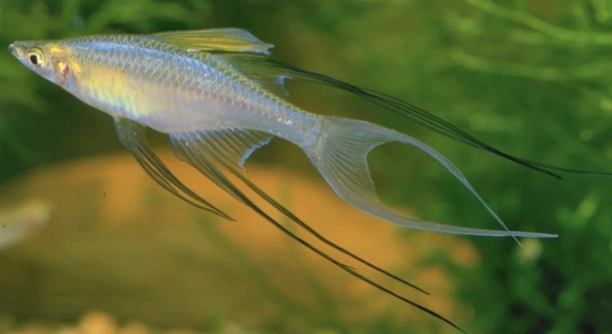
Do you ever find yourself watching your Threadfin Rainbowfish swim gracefully and wondering if they are truly healthy? Observing them closely can reveal subtle signs of well-being or distress in their daily behavior and appearance.
Maintaining the health of Threadfin Rainbowfish requires consistent visual monitoring of their body condition, coloration, fin integrity, swimming behavior, gill movement, eyes, and overall activity. Regular checks allow for early detection of illness and timely corrective actions.
Keeping your fish healthy is simpler than it seems. Small, consistent observations can prevent major problems and ensure your aquarium thrives for years.
Observing Body Condition
Threadfin Rainbowfish should appear full-bodied and symmetrical. A thin or sunken body may indicate poor nutrition or illness. Gently observing their sides and belly can help identify weight loss or bloating early. Overfeeding can lead to digestive issues, while underfeeding can weaken their immune system. Consistency in portion size is key. Healthy fish maintain a smooth, firm body without noticeable dips or swelling. Stress from overcrowding or water quality problems can also affect their body condition. A regular feeding schedule paired with balanced nutrition ensures their growth and vitality. Look for slight changes over time rather than isolated incidents, as fish may temporarily appear thinner after spawning or during minor stress periods. Early detection of body changes allows for intervention before serious illness develops. Simple visual checks are effective for monitoring health without needing invasive procedures. Observing multiple fish together can also help distinguish normal variations from warning signs.
Regularly checking body condition reduces the risk of disease and helps maintain a thriving aquarium.
Keeping fish at a healthy weight requires careful attention to diet, tank conditions, and observation. Monitoring their body shape daily helps catch problems early. Healthy Threadfin Rainbowfish are firm and symmetrical, with no unusual swelling or dents. Avoid abrupt changes in diet, and maintain consistent feeding to prevent digestive issues. Tank cleanliness, water quality, and proper temperature contribute to physical well-being. Overcrowded or stressed fish are more likely to show weight changes, so ensure sufficient space. Observing the group collectively can reveal subtle differences, helping you act before minor issues escalate. Regular checks also build familiarity with each fish’s natural appearance, making deviations easier to spot. Even small adjustments in feeding, water parameters, or tank layout can restore optimal health. Consistency and attentiveness are the most reliable tools to maintain healthy Threadfin Rainbowfish in a home aquarium.
Checking Coloration
Healthy Threadfin Rainbowfish display vibrant, consistent colors. Faded or patchy colors may signal stress, illness, or poor water quality.
Color intensity reflects overall well-being, diet quality, and environmental comfort. Fish with dull or uneven coloration may require water changes, dietary improvements, or reduced stress. Observing daily allows early intervention. Consistent monitoring helps track recovery and maintain peak vibrancy.
Threadfin Rainbowfish coloration is influenced by genetics, nutrition, and environmental conditions. Vibrant colors indicate good health, while fading can signal underlying issues. Stress from sudden water parameter changes, aggressive tank mates, or poor lighting can dull their appearance. A diet rich in carotenoids and high-quality proteins supports pigmentation. Proper water temperature, pH balance, and regular filtration also contribute to bright, uniform colors. Observing patterns and subtle changes over time allows for adjustments before serious problems arise. Color checks are simple, non-invasive ways to gauge overall fish health. Keeping a consistent feeding and maintenance routine enhances their natural coloration. Fish that maintain vivid hues tend to be more active, display natural behaviors, and are better equipped to resist disease. Regular attention to color helps ensure long-term vitality in your aquarium.
Inspecting Fin Health
Torn, clamped, or frayed fins are signs of stress, injury, or disease. Healthy Threadfin Rainbowfish have fully extended, smooth fins without ragged edges. Regular observation can catch issues before they worsen.
Fin damage can result from aggressive tank mates, sharp decorations, or poor water conditions. Observe fin movement and ensure fins are open while swimming. Clamped fins may indicate stress, bacterial infection, or poor water quality. Maintaining clean water, avoiding overcrowding, and providing hiding spots reduces the risk of fin injury. Occasional trimming or snipping is unnecessary; natural recovery is typical if conditions improve. A balanced diet also supports tissue regeneration. Avoid sudden changes in lighting or water parameters, as these can trigger stress-related fin issues. Regular inspection ensures early detection and allows timely treatment. Monitoring fins alongside body condition gives a more complete picture of overall fish health.
Healthy fins contribute to swimming efficiency and display. Fully extended, intact fins show that fish are comfortable and thriving. Watch for changes in fin shape or behavior, which can indicate health concerns. Maintain proper water quality, space, and gentle tank interactions to prevent fin damage. Recovery is possible with attentive care.
Monitoring Swimming Behavior
Erratic, sluggish, or uncoordinated swimming often signals illness or environmental stress. Normal Threadfin Rainbowfish swim steadily in midwater, maintaining smooth movement patterns.
Abnormal swimming can result from poor water quality, low oxygen, or internal parasites. Observe patterns over time to distinguish occasional fatigue from persistent problems. Sudden changes may require water testing, temperature adjustments, or isolation of affected fish. A varied diet and clean tank environment support natural swimming behavior. Maintaining consistent water flow and avoiding overcrowding reduces stress and promotes smooth movement. Pay attention to balance, buoyancy, and directional changes, as these indicate nervous system or swim bladder health. Recording observations helps track improvement during treatment or after environmental adjustments.
Swimming behavior reflects overall health and comfort. Active, coordinated swimming indicates a thriving fish, while sluggish or erratic movement can highlight underlying issues. Maintaining stable water conditions, adequate oxygenation, and minimal stress ensures consistent swimming performance. Providing space, hiding spots, and gentle tankmates encourages natural movement. Monitor for floating near the surface, sinking to the bottom, or spinning, which may signal swim bladder or neurological problems. Timely adjustments to environment and diet can restore normal swimming. Regular observation of activity levels and patterns gives insight into fish well-being and readiness to respond to subtle health changes.
Observing Gill Movement
Rapid or labored gill movement can indicate low oxygen levels, poor water quality, or illness. Healthy Threadfin Rainbowfish maintain a steady, calm breathing pattern that matches their activity.
Pale, swollen, or discolored gills may suggest ammonia stress, parasites, or infection. Regular observation ensures prompt action and treatment.
Checking Eye Clarity
Cloudy, bulging, or sunken eyes often point to infections, nutritional deficiencies, or poor water conditions. Healthy Threadfin Rainbowfish have clear, bright eyes that reflect overall well-being. Monitoring eye clarity helps identify problems early.
Assessing Activity Levels
Active and responsive fish indicate good health. Lethargy, hiding, or reduced movement may signal stress, disease, or unsuitable tank conditions. Consistent observation allows early intervention and corrective measures to maintain vitality.
FAQ
How often should I check my Threadfin Rainbowfish?
Daily observation is ideal to catch subtle changes early. Even brief checks while feeding or cleaning the tank can reveal shifts in color, body condition, or behavior. Frequent monitoring helps identify problems before they worsen, allowing timely adjustments to water quality, diet, or tank setup.
What signs indicate stress in my fish?
Stress is often shown through clamped fins, rapid gill movement, erratic swimming, or faded coloration. Fish may also hide excessively or stop eating. Causes include overcrowding, sudden water changes, poor water quality, or aggressive tankmates. Monitoring their environment and behavior can help reduce stress.
Can diet affect my Threadfin Rainbowfish’s health?
Yes, diet has a direct impact on body condition, coloration, and energy levels. Providing a balanced mix of high-quality flakes, pellets, and occasional live or frozen food supports growth and immune function. Overfeeding can lead to bloating or poor water quality.
Why is my fish losing color?
Fading colors often result from stress, poor diet, or unsuitable water conditions. Low light or high nitrate levels can also contribute. Improving diet with pigment-rich foods and maintaining stable water parameters typically restores vibrant coloration over time.
What should I do if my fish has torn fins?
Torn fins are usually caused by minor injuries, fin rot, or aggressive tankmates. Maintain clean water and provide a stress-free environment to allow natural healing. Severe cases may require antibacterial treatments or isolation. Avoid sharp decorations to reduce risk of injury.
How do I know if my fish is sick?
Illness signs include lethargy, loss of appetite, unusual swimming, clamped fins, pale gills, or visible spots and lesions. Early detection through daily observation is crucial. Testing water quality and checking for parasites or infections can prevent worsening of the condition.
Is water quality really that important?
Absolutely. Poor water quality can cause stress, illness, and fin deterioration. Regular water testing for ammonia, nitrite, nitrate, and pH ensures a safe environment. Frequent partial water changes and proper filtration maintain consistent conditions for optimal health.
How much space do Threadfin Rainbowfish need?
These fish are active swimmers and do best in spacious tanks with at least 20 gallons for a small group. Crowding increases stress and can lead to aggression or health problems. Providing open swimming areas and plants for hiding improves comfort.
Can I keep them with other fish?
Yes, but choose peaceful, similarly sized species. Avoid aggressive or fin-nipping fish. Proper tankmates reduce stress and allow natural schooling behavior. Observing interactions regularly ensures compatibility and prevents injuries.
How long should I quarantine new fish?
Quarantine new fish for at least two weeks before introducing them to the main tank. This prevents disease transmission and allows observation for any signs of illness. A separate tank with stable conditions is ideal for monitoring.
What are the common diseases to watch for?
Common issues include fin rot, ich, bacterial infections, and parasitic infestations. Symptoms can be subtle at first, so consistent visual checks are essential. Maintaining water quality, diet, and minimal stress reduces the likelihood of disease outbreaks.
How can I encourage natural behavior?
Providing plants, hiding spots, and gentle water flow encourages natural swimming, resting, and foraging behaviors. Observing interactions within the group helps ensure they are comfortable and active. A stimulating environment promotes both health and well-being.
How do I maintain their long-term health?
Consistent feeding, water quality management, visual monitoring, and proper tank setup are key. Addressing minor issues early prevents serious illness. Keeping records of observations and changes in behavior or appearance helps track overall health and ensures a thriving aquarium environment.
Can I treat minor health issues at home?
Yes, some minor concerns like mild fin tears, slight color fading, or low activity can often be corrected with water changes, diet improvement, or environmental adjustments. Persistent or worsening symptoms require targeted treatments or professional advice.
What’s the best way to monitor multiple fish?
Observe the group collectively and individually to detect subtle changes. Compare body condition, coloration, and behavior. Taking notes or photos over time helps identify trends and makes early intervention easier. Consistency is key to maintaining a healthy school of Threadfin Rainbowfish.
How do temperature changes affect them?
Sudden temperature fluctuations can stress fish and compromise their immune system. Maintain a stable range appropriate for Threadfin Rainbowfish, usually between 24–28°C (75–82°F). Using a reliable heater and thermometer ensures consistent conditions.
Can I rely solely on appearance to gauge health?
While visual checks are effective, they should be combined with monitoring behavior, feeding, and water parameters. A holistic approach allows accurate assessment and timely action to prevent disease and maintain overall well-being.
How do I prevent recurring health issues?
Regular maintenance, balanced diet, proper stocking, and monitoring water quality reduce recurring problems. Early detection and swift response to minor concerns prevent escalation. Consistency in care ensures long-term health and vibrant appearance for your Threadfin Rainbowfish.
Is schooling important for their health?
Yes, Threadfin Rainbowfish are social and thrive in groups. Schooling reduces stress, encourages natural behavior, and improves overall activity. Maintaining at least 5–6 individuals promotes comfort and stability within the tank.
How can I track subtle changes over time?
Keep a journal or take weekly photos to monitor color, body shape, and behavior. Comparing observations over time helps detect slow-developing issues and allows prompt corrective action before serious health problems develop.
What role does lighting play in their health?
Proper lighting enhances coloration, encourages natural activity, and supports plant growth in the aquarium. Avoid sudden changes and provide a consistent day-night cycle to reduce stress and maintain overall well-being.
How important is water movement in the tank?
Moderate water flow simulates natural conditions, supports oxygenation, and encourages swimming. Avoid overly strong currents that may stress fish. Observing their swimming patterns ensures the flow is comfortable and promotes health.
When should I seek professional help?
If symptoms persist despite corrective measures or worsen quickly, consult a veterinarian or experienced aquarist. Severe infections, persistent lethargy, or unexplained injuries require expert evaluation and treatment.
How do I know if my aquarium setup is adequate?
Regular checks of space, decorations, hiding spots, water quality, and tankmates ensure suitability. Observing behavior, growth, and coloration provides practical feedback on whether the environment supports long-term health.
Can minor injuries heal naturally?
Yes, small scrapes, fin tears, or minor gill irritation often heal with clean water, reduced stress, and proper nutrition. Persistent injuries may indicate infection or environmental hazards requiring attention.
Is it necessary to rotate foods?
Rotating foods ensures a balanced diet and provides essential nutrients. Offering varied high-quality flakes, pellets, and occasional live or frozen options improves growth, coloration, and immune function, preventing nutritional deficiencies.
What habits indicate peak health?
Bright coloration, smooth swimming, active schooling, steady appetite, and clear eyes all signal healthy Threadfin Rainbowfish. Observing these habits regularly helps maintain optimal conditions and catch deviations early.
How can I reduce the risk of disease spreading?
Quarantine new fish, avoid overcrowding, maintain clean water, and monitor tankmates closely. Promptly isolating sick individuals prevents transmission and ensures the rest of the group stays healthy.
How do I recognize subtle signs of illness?
Small changes like slight fin clamping, reduced activity, color fading, or minor appetite loss can signal early illness. Daily observation allows detection before symptoms worsen, enabling quicker treatment and recovery.
What daily care routines are most effective?
Feeding consistent portions, checking water parameters, observing behavior, and scanning for physical changes are the most effective daily routines. These actions prevent stress, maintain health, and support thriving fish.
How long do Threadfin Rainbowfish typically live?
With proper care, they can live up to 5–8 years. Lifespan depends on diet, water quality, tank conditions, and early detection of health issues. Attentive care maximizes longevity and ensures a vibrant, active school.
Can environmental enrichment improve health?
Yes, plants, hiding spots, and gentle water currents encourage natural behavior, reduce stress, and enhance overall well-being. Enrichment promotes activity, reduces aggression, and supports long-term vitality.
What is the most important factor for overall health?
Consistent monitoring, stable water conditions, balanced diet, and attention to behavior are the most critical factors. Early detection of issues and proactive care ensure Threadfin Rainbowfish remain healthy and active for years.
Are visual checks alone sufficient for long-term monitoring?
Visual checks are essential but should be combined with behavioral observation, diet management, and water parameter monitoring. A comprehensive approach provides accurate assessment and supports sustained health and vitality.
How can I tell if a fish is adapting well to a new tank?
Smooth swimming, bright colors, regular feeding, and active schooling indicate good adaptation. Stress signs like clamped fins, hiding, or erratic movement suggest adjustment difficulties or environmental issues that need correction.
How do I prevent stress during tank maintenance?
Perform water changes gently, avoid sudden lighting changes, and minimize handling. Observing fish reactions during maintenance helps reduce stress and maintains overall health.
What records should I keep for my fish?
Track water parameters, feeding schedules, observations of behavior, and any health issues. Regular notes help detect patterns, monitor recovery, and maintain consistent care.
How can I encourage schooling behavior?
Keep at least 5–6 Threadfin Rainbowfish together and provide open swimming space. Regular observation ensures the group remains cohesive, reducing stress and promoting natural behavior.
Is it normal for fish to show minor injuries?
Small scrapes or fin nicks can occur from interactions or decorations. Monitor healing closely, maintain clean water, and reduce stressors to allow natural recovery. Persistent injuries require treatment.
How often should I perform partial water changes?
Weekly or bi-weekly partial water changes of 20–30% help maintain water quality, remove toxins, and support fish health. Consistency prevents sudden environmental shifts that stress the fish.
Can stress affect reproduction?
Yes, stressed fish may reduce spawning or show poor breeding behavior. Stable water conditions, proper nutrition, and minimal disturbance encourage healthy reproductive activity.
Are there seasonal considerations for care?
Maintaining consistent temperature and light cycles year-round prevents stress. Seasonal changes in room temperature may require adjustments to heaters or lighting to maintain stable conditions.
How can I improve the immune system of my fish?
A varied, nutrient-rich diet, clean water, low-stress environment, and consistent observation all contribute to a strong immune system. Healthy fish are better equipped to resist disease and recover from minor injuries.
How do I know when to upgrade my tank?
Signs include overcrowding, lack of swimming space, or frequent water quality issues. Upgrading provides adequate space, reduces stress, and supports long-term health and vitality.
What is the simplest way to monitor multiple health indicators?
Combine daily visual checks with brief notes on body condition, coloration, swimming, gills, and eyes. Tracking trends over time ensures early detection and effective care.
Can small changes in behavior indicate serious problems?
Yes, subtle shifts in activity, feeding, or social interaction may precede illness. Prompt attention to these changes can prevent escalation and support recovery.
Is it necessary to provide hiding spots?
Yes, hiding spots reduce stress, encourage natural behavior, and protect weaker fish. Plants, caves, or decorations create a comfortable environment for Threadfin Rainbowfish.
How do I know if water temperature is optimal?
Consistent swimming patterns, steady appetite, and bright coloration indicate proper temperature. Sudden lethargy, hiding, or clamped fins suggest adjustments may be needed.
Can poor water quality cause long-term health issues?
Yes, persistent high ammonia, nitrite, or nitrate levels lead to chronic stress, disease susceptibility, and fin deterioration. Regular testing and partial water changes prevent these issues.
How can I prevent aggression among tankmates?
Provide ample space, avoid incompatible species, and maintain a balanced group size. Observing interactions helps manage conflicts and prevents injuries.
What are common mistakes in care?
Overfeeding, poor water quality, overcrowding, neglecting observation, and sudden environmental changes are frequent errors. Consistent monitoring and maintenance prevent these issues.
How do I safely introduce new fish?
Quarantine for two weeks, monitor for illness, and acclimate slowly to the main tank to reduce stress and disease risk.
Can lighting affect coloration long-term?
Yes, consistent and appropriate lighting enhances natural colors. Sudden or prolonged changes can dull pigmentation. Proper cycles support vibrant appearance and healthy behavior.
Is it normal for fish to hide sometimes?
Occasional hiding is natural, especially after feeding or during rest periods. Persistent hiding may indicate stress or environmental issues that need attention.
How can I track gradual changes in behavior?
Daily observation and record-keeping, including notes or photos, reveal slow-developing issues. Patterns help identify early signs of stress or illness for timely intervention.
What is the most reliable indicator of overall health?
A combination of body condition, coloration, swimming behavior, gill movement, eye clarity, and activity level provides the most accurate assessment of health and well-being.
How do I respond to minor environmental stressors?
Adjust lighting, water flow, or temperature gently. Ensure clean water, provide hiding spots, and monitor fish response to minimize stress and maintain health.
Are supplements necessary for Threadfin Rainbowfish?
A balanced diet usually provides sufficient nutrients. Occasional high-quality supplements may enhance coloration and support immune function, but routine feeding is the priority.
Can observation alone prevent disease?
Observation allows early detection, but preventing disease also requires proper water quality, nutrition, and stress management. Combined care measures are essential for long-term health.
How can I tell if behavior changes are temporary?
Brief fluctuations during feeding, minor water changes, or temporary stress may cause short-term changes. Persistent deviations indicate underlying problems requiring attention.
What is the best way to maintain consistent care routines?
Set a daily schedule for feeding, water checks, and visual observation. Routine minimizes stress, supports health, and allows early intervention for any issues.
How do I know if a fish is ready to eat?
Active swimming toward food, quick response, and bright coloration indicate readiness. Reduced appetite may signal stress, illness, or environmental concerns.
How do I balance schooling and individual observation?
Observe the group as a whole, then focus on individual fish to detect subtle changes. Combining both perspectives ensures comprehensive monitoring.
How can I encourage natural foraging behavior?
Scatter food across the tank or provide live/frozen options to stimulate searching and reduce boredom. This supports activity, digestion, and overall well-being.
Can minor fin clamping resolve on its own?
Yes, if caused by temporary stress or minor irritation. Improving water quality, reducing disturbances, and maintaining diet usually restores normal fin position.
How often should I test water parameters?
Weekly testing is recommended for ammonia, nitrite, nitrate, pH, and temperature. Frequent monitoring prevents sudden changes that could stress or harm fish.
What role does tank cleanliness play in health?
Clean tanks reduce toxins, minimize disease risk, and support natural behavior. Regular substrate cleaning, water changes, and filter maintenance are essential for thriving fish.
How can I detect early signs of fin rot?
Look for frayed, ragged, or discolored edges on fins. Early detection allows prompt treatment and prevents severe tissue loss. Maintaining water quality is critical.
How do I manage occasional minor injuries?
Ensure clean water, reduce stress, and allow natural healing. Severe or persistent injuries may require isolation or medical treatment. Observation ensures recovery.
Is it necessary to separate sick fish immediately?
Yes, isolating affected individuals prevents disease spread and reduces stress on healthy fish. Use a quarantine tank with proper care until recovery.
How do I balance feeding multiple fish?
Provide consistent portions, distribute food evenly, and observe consumption to ensure all fish receive adequate nutrition without overfeeding.
What is the impact of overcrowding?
Overcrowding increases stress, aggression, and disease risk. Adequate space is essential for swimming, schooling, and maintaining physical and behavioral health.
How do I maintain water parameters during seasonal changes?
Monitor temperature and pH closely, adjust heaters or filtration as needed, and maintain consistent lighting to minimize stress from environmental fluctuations.
Can minor behavioral changes indicate water quality issues?
Yes, slight lethargy, reduced feeding, or unusual swimming may signal ammonia, nitrite, nitrate, or pH imbalances. Prompt testing and correction are crucial.
How do I ensure my fish remain active?
Provide open swimming space, gentle water flow, varied diet, and environmental enrichment. Regular observation encourages natural movement and overall vitality.
What should I record during daily checks?
Note body shape, coloration, fin condition, gill movement, swimming behavior, appetite, and interactions. Consistent records help track health trends and detect issues early.
Are occasional hiding and resting normal?
Yes, short periods of hiding or resting are natural. Persistent or extreme hiding may indicate stress, illness, or environmental problems needing intervention.
How can I reduce stress from tank maintenance?
Perform changes gradually, avoid sudden lighting or temperature shifts, and minimize disturbance to fish. Observing their reaction ensures maintenance is low-stress and safe.
Can tank decorations affect fin health?
Yes, sharp edges or crowded layouts may tear fins. Choose smooth decorations, provide swimming space, and monitor interactions to prevent injuries.
Is monitoring one fish enough to gauge overall health?
No, observe the group collectively and individually. Comparing behavior and appearance ensures early detection of issues affecting multiple fish.
How can I ensure consistent growth in Threadfin Rainbowfish?
Maintain balanced nutrition, proper tank conditions, regular observation, and low-stress environment. Monitoring body condition and adjusting diet supports steady growth and vitality.
What is the simplest way to spot disease early?
Daily visual checks of fins, gills, eyes, coloration, swimming, and appetite allow detection of subtle changes before serious illness develops. Early intervention improves outcomes.
How important is consistency in care?
Consistency in feeding, water quality, and observation reduces stress, prevents disease, and supports long-term health. Routine care is more effective than occasional interventions.
Can minor environmental stressors affect coloration?
Yes, temporary stress, lighting changes, or water fluctuations can dull color. Stable conditions and proper diet restore natural vibrancy over time.
How do I know if a fish is comfortable in its tank?
Bright coloration, active swimming, regular schooling, and steady feeding indicate comfort. Persistent stress signs suggest environmental adjustments are needed.
What daily habits support longevity?
Consistent feeding, observation, water quality maintenance, and minimizing stress
Final Thoughts
Caring for Threadfin Rainbowfish is a rewarding experience when approached with consistent observation and careful maintenance. These fish thrive in clean, stable environments with adequate space, balanced nutrition, and appropriate tankmates. Paying attention to their daily behavior, coloration, body condition, fin health, and activity levels provides a reliable picture of their overall well-being. Even small, regular visual checks can prevent minor issues from becoming serious problems. Over time, observing subtle changes in behavior and appearance becomes easier, allowing for early detection of stress or illness. Establishing a routine for feeding, water quality monitoring, and tank maintenance ensures that fish remain healthy and active, contributing to a vibrant and dynamic aquarium.
Maintaining optimal water conditions is fundamental to the long-term health of Threadfin Rainbowfish. Ammonia, nitrite, nitrate, pH, and temperature should be checked consistently, and partial water changes performed as needed. Clean tanks with appropriate filtration reduce stress and limit the risk of disease. Environmental factors, including lighting, decorations, and water flow, should be carefully managed to provide comfort and encourage natural behaviors. Providing a variety of high-quality foods, including flakes, pellets, and occasional live or frozen options, supports immune function, coloration, and overall vitality. By combining attentive care with a stable environment, these fish can exhibit natural swimming, schooling, and foraging behaviors, which are key indicators of their well-being.
Observation and attention to detail remain the most effective tools in maintaining healthy Threadfin Rainbowfish. Recognizing early signs of stress, illness, or nutritional deficiency allows timely intervention, whether through dietary adjustments, water changes, or minor environmental modifications. Patience and consistency in care are essential, as improvements in health or behavior may occur gradually. Focusing on the fundamental aspects—water quality, diet, tank setup, and visual monitoring—creates a foundation for long-term health and longevity. Regular attention to these elements ensures that Threadfin Rainbowfish can thrive in a safe, stable, and supportive environment, allowing them to display their natural colors, active swimming patterns, and lively social interactions over time.

Hello,
If you enjoy the content that we create, please consider saying a "Thank You!" by leaving a tip.
Every little bit helps us continue crafting quality advice that supports the health, happiness, and well-being of pets around the world, for pets of all shapes, sizes, and species.
We really appreciate the kindness and support that you show us!