
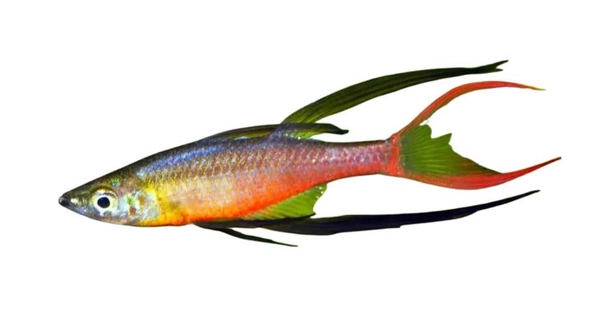
Threadfins are known for their silvery bodies and quick movements in shallow coastal waters. Observing them, you might notice they sometimes avoid certain areas even when food appears abundant. These behaviors can seem puzzling to casual observers.
Threadfins may avoid specific areas due to environmental factors, predation risk, water quality, temperature fluctuations, food scarcity, human disturbances, and habitat structure. Each of these influences affects their movement patterns and habitat selection in measurable ways.
Understanding these factors can improve how we manage coastal habitats and support threadfin populations for long-term sustainability. Knowing the reasons behind their avoidance is crucial for conservation efforts.
Environmental Conditions
Threadfins are highly sensitive to their surroundings. Water temperature, salinity, and clarity all play a major role in their movement. If the water becomes too warm or too cold, threadfins will often leave the area to find more suitable conditions. Sudden changes in salinity from rainfall or freshwater runoff can also push them away. Additionally, low oxygen levels or murky water make it harder for them to feed and navigate, prompting avoidance. Shifts in currents and tides can influence their swimming patterns, as they prefer calmer waters for feeding and resting. These fish are not reckless; they move strategically to conserve energy and remain safe. Even minor environmental changes can be enough to make threadfins seek alternative areas, especially if they detect conditions that may stress their bodies. Monitoring these changes helps explain why threadfins are absent in places they might otherwise seem comfortable.
Environmental shifts such as temperature changes, salinity variation, and low oxygen levels drive threadfins to relocate to more suitable habitats.
Being aware of these conditions allows for better observation and planning when fishing or studying threadfins. Adjustments in water quality can influence their presence significantly.
Predation Risk
Threadfins are cautious swimmers, constantly aware of predators. Their feeding and schooling habits are influenced by the presence of larger fish or birds. If they sense danger, they quickly move to areas with more cover or fewer threats.
Avoiding predators is a critical survival strategy. Threadfins rely on speed, schooling, and shallow waters to reduce the risk of being eaten. Predatory fish, such as snappers or barracudas, actively hunt them, making exposed areas risky. Birds like herons and ospreys also target threadfins near the surface. Even human activity, such as boats or fishing pressure, can trigger avoidance behaviors, as threadfins interpret disturbances as potential threats. They tend to favor regions with vegetation, sandbars, or mangroves that offer hiding spots. This instinctive caution ensures the population remains healthy by keeping individuals safe from predation. By understanding predation patterns, anglers and researchers can better predict where threadfins are likely to be found. In essence, their careful navigation of the habitat reflects an intricate balance between feeding opportunities and safety.
Food Availability
Threadfins move where food is abundant. Low prey levels push them to search elsewhere, even if the area seems otherwise suitable.
Food scarcity affects threadfin behavior in noticeable ways. They primarily feed on small crustaceans, shrimp, and fish larvae, so an area lacking these items will not hold them long. Seasonal changes can influence prey abundance, and overfished or disturbed areas often have fewer options for feeding. Threadfins adjust their movements to follow food sources, sometimes traveling significant distances. Their feeding efficiency depends on both prey density and ease of capture, making them selective about where they spend time. Areas that once seemed ideal can quickly become less attractive if the food supply diminishes.
Even when food appears present, competition can reduce access. Threadfins will avoid crowded spots where other fish dominate feeding grounds. This behavior ensures they get enough to eat without unnecessary energy expenditure. Avoiding these areas is part of their natural strategy to maintain health and growth over time.
Water Quality
Poor water quality forces threadfins to relocate. Pollutants, excessive nutrients, or sediment can make an area uninhabitable for them.
Threadfins are sensitive to chemical changes and contamination in their environment. Runoff from agriculture, industrial activity, or sewage can introduce toxins and disrupt their ability to breathe or feed properly. Elevated nutrient levels can cause algal blooms, reducing oxygen and making survival difficult. Sediment buildup can cloud the water, affecting visibility and prey capture. Even small-scale changes can prompt threadfins to leave areas they previously occupied. Maintaining balanced water conditions is crucial for keeping these fish in place. Proper monitoring helps identify areas at risk and ensures threadfins have safe, suitable habitats.
Areas with clean, oxygen-rich water encourage threadfins to stay longer. Shifts in pH or temperature caused by pollution can trigger movement to safer waters. Understanding these water quality impacts is essential for habitat management and supporting healthy populations.
Temperature Fluctuations
Threadfins prefer stable water temperatures. Rapid changes, especially extremes, drive them to seek more comfortable areas.
Even moderate shifts in temperature can affect metabolism and feeding patterns. Threadfins move to maintain optimal body function, avoiding areas that could stress them or reduce growth.
Human Disturbances
Boating, fishing, and coastal development often cause threadfins to leave their usual habitats. Noise and movement signal potential danger.
Human activity disrupts feeding and schooling behavior. Threadfins avoid areas with frequent disturbances, preferring quieter waters. Sustained disruption can permanently alter their distribution, making some once-popular locations less suitable over time.
Habitat Structure
Threadfins rely on specific structures for protection and feeding. Areas lacking cover or proper substrate are less attractive.
Salinity Changes
Sudden shifts in salinity from rainfall, freshwater influx, or tides can push threadfins to relocate quickly. They remain in areas that match their preferred salinity range.
FAQ
Why do threadfins avoid areas with sudden temperature changes?
Threadfins are sensitive to water temperature. Sudden increases or decreases can stress their bodies, slow metabolism, and reduce feeding efficiency. They move to areas with stable temperatures to maintain proper growth and energy levels. Avoiding extreme fluctuations helps them survive seasonal or weather-related changes.
How does water clarity affect threadfin movement?
Threadfins rely on clear water to locate prey efficiently. Murky or sediment-filled water makes hunting difficult and increases vulnerability to predators. When visibility drops, they move to areas with better clarity, ensuring they can feed and avoid threats safely.
Can human activity really make threadfins leave an area?
Yes. Frequent boating, fishing, or construction near the shoreline can disturb threadfins. Noise, vibrations, and water turbulence signal potential danger, causing them to move to quieter areas where they can feed and school without interruption.
What role does food availability play in their movement?
Threadfins follow their prey. If crustaceans, small fish, or larvae are scarce, they relocate to areas with higher abundance. Even a slight drop in prey density can cause threadfins to move, ensuring they get enough nutrition to maintain energy and growth.
Why is predation risk important for threadfins’ habitat choices?
Predators influence where threadfins go. Larger fish, birds, or even humans increase the risk of attack. Threadfins avoid exposed areas, preferring shallow waters or regions with cover. This behavior balances feeding opportunities with safety, helping maintain healthy populations.
How do salinity changes affect threadfin behavior?
Threadfins prefer a stable salinity range. Sudden freshwater influx or strong tidal changes can push them to relocate. Maintaining proper osmotic balance is crucial for survival, so they avoid areas where salinity fluctuates too much.
Do threadfins stay in one area long-term?
Not usually. Their movement depends on environmental stability, food availability, and predation pressure. Even areas that seem ideal can become less attractive if conditions change. Threadfins remain in locations that consistently meet their biological needs.
Can pollution impact threadfin distribution?
Absolutely. Contaminants, chemical runoff, or algal blooms reduce water quality, affecting oxygen levels and prey populations. Threadfins detect these changes and move to cleaner waters, avoiding areas that could harm their health or limit feeding.
How does habitat structure influence their presence?
Threadfins seek areas with appropriate cover, such as vegetation, sandbars, or mangroves. These structures provide hiding spots from predators and resting areas between feeding. Open, featureless areas are often avoided because they offer less protection and fewer feeding opportunities.
Are threadfins affected by seasonal changes?
Yes. Seasonal shifts influence temperature, salinity, and prey availability. Threadfins adjust their movements accordingly, relocating to areas that support optimal feeding, safety, and overall well-being. Their seasonal patterns are predictable when environmental changes are consistent.
Can multiple factors combine to influence threadfin avoidance?
Often, yes. Temperature, salinity, food availability, predation risk, and human activity can interact. A single factor may not cause relocation, but combined stressors make areas less desirable. Threadfins respond holistically, moving to habitats that meet most or all of their needs simultaneously.
What can be done to encourage threadfins to stay in a certain area?
Maintaining stable water quality, minimizing disturbances, and ensuring abundant food sources can encourage threadfins to remain. Habitat restoration, such as adding cover or reducing pollution, also helps create attractive, sustainable environments for them to thrive.
How quickly do threadfins respond to changes?
Threadfins can respond rapidly to environmental stressors. Sudden temperature shifts, pollution events, or increased predator activity can trigger almost immediate movement. Their sensitivity ensures survival but also makes them unpredictable in areas prone to frequent changes.
Are juvenile threadfins more sensitive than adults?
Yes. Juveniles are smaller, less experienced, and more vulnerable. They avoid risky areas sooner and rely heavily on sheltered habitats. Adult threadfins may tolerate slight variations better but will also relocate if conditions deteriorate significantly.
Do threadfins return to areas they previously avoided?
They can. Once conditions improve—such as stabilized temperature, higher prey availability, or reduced disturbance—threadfins may return. Their movements are flexible, reflecting a continuous assessment of environmental suitability.
How does schooling behavior affect their avoidance patterns?
Threadfins often move in groups. If a few detect danger or unfavorable conditions, the entire school may relocate. This collective behavior enhances survival, as individuals follow experienced or cautious members to safer or more productive areas.
Can artificial habitats attract threadfins?
Yes. Structures like artificial reefs or planted vegetation can provide cover and feeding opportunities. These additions mimic natural habitats and can encourage threadfins to occupy areas they might otherwise avoid, especially if environmental conditions are stable.
How important is oxygen concentration for threadfins?
High oxygen levels are critical for metabolism and overall health. Areas with low oxygen, often caused by pollution or algal blooms, are quickly avoided. Threadfins move to maintain sufficient oxygen intake for growth, feeding, and survival.
Do threadfins exhibit long-term site fidelity?
Only if conditions remain ideal. They return to reliable habitats but will leave if environmental or biological factors deteriorate. Their movement is a balance between exploiting favorable conditions and avoiding risk.
Are there signs that indicate threadfins are about to leave an area?
Changes in feeding patterns, decreased schooling activity, and increased movement toward safer or deeper waters often signal impending relocation. Observing these behaviors helps predict their avoidance responses accurately.
Threadfins are remarkable fish that respond quickly to changes in their environment. They are not random in their movements but rather strategic, avoiding areas that no longer meet their basic needs. Environmental conditions such as temperature, water quality, and salinity play a major role in their decisions. Sudden shifts in these factors can make an area unsuitable, prompting threadfins to move elsewhere. Even when food seems abundant, other elements such as predation risk, human disturbances, or lack of proper habitat structure can lead them to leave. These behaviors demonstrate the fish’s instinctive drive to survive, conserve energy, and maintain overall health. Observing threadfins in their natural habitats shows that their movements are deliberate, often reflecting a balance between safety, feeding opportunities, and environmental comfort.
Human activity has a notable impact on threadfin distribution. Boats, fishing pressure, and coastal development create disturbances that threadfins interpret as threats. This avoidance behavior is protective but can alter their natural patterns. Maintaining clean, quiet, and stable water environments encourages threadfins to remain in a location longer. Similarly, ensuring adequate prey availability and proper habitat structure allows them to feed effectively and find shelter. Seasonal changes also influence their movements, but threadfins are adaptable and will relocate to optimize their survival. By understanding these factors, it becomes easier to predict where threadfins are likely to be found and how environmental or human-related changes can influence their presence in certain areas.
Ultimately, observing threadfins teaches us the importance of balance in aquatic ecosystems. They avoid areas that no longer provide the conditions necessary for feeding, safety, and comfort, highlighting how sensitive fish are to changes in their surroundings. Providing suitable habitats, maintaining water quality, and reducing disturbances can help threadfins thrive. Recognizing the factors that influence their avoidance patterns not only supports conservation efforts but also improves our ability to manage coastal environments responsibly. Their selective behavior underscores the complex interactions between fish, their environment, and human influence, reminding us that even small changes in an ecosystem can have a significant effect on the species that inhabit it. By paying attention to these patterns, it is possible to create conditions that support healthy, sustainable threadfin populations over the long term.

Hello,
If you enjoy the content that we create, please consider saying a "Thank You!" by leaving a tip.
Every little bit helps us continue crafting quality advice that supports the health, happiness, and well-being of pets around the world, for pets of all shapes, sizes, and species.
We really appreciate the kindness and support that you show us!