
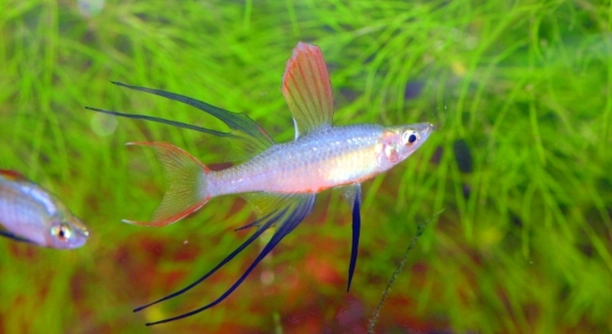
Threadfin Rainbowfish are small, colorful freshwater fish popular in home aquariums. Their shimmering scales and active swimming patterns make them a joy to watch. Many enthusiasts notice changes in their behavior before weather shifts.
Research indicates that Threadfin Rainbowfish exhibit sensitivity to changes in barometric pressure. These fish can detect subtle environmental shifts, which may influence their swimming activity and feeding patterns. This responsiveness is likely an adaptive trait for survival in fluctuating aquatic conditions.
Observing these fish can reveal subtle hints about environmental changes. Understanding their behavior helps maintain a healthier aquarium and a more natural habitat.
How Threadfin Rainbowfish Detect Environmental Changes
Threadfin Rainbowfish are sensitive to subtle changes in their surroundings. They can perceive shifts in barometric pressure, which often happen before storms or rainy weather. This sensitivity affects their swimming patterns, sometimes making them more active or more cautious depending on the pressure changes. In aquariums, these behaviors may seem unusual but are natural responses. Water temperature and light levels can also influence their movements, making it important to maintain consistent conditions. Observing these fish over time allows owners to notice patterns that align with weather fluctuations. Their heightened awareness helps them react quickly to potential threats, such as predators or sudden changes in water conditions. Feeding times may be adjusted based on their activity levels, as calmer periods often follow intense movement. Maintaining clean water and stable conditions ensures that these natural behaviors are expressed without added stress, promoting healthier, more active fish.
Their responsiveness is a remarkable adaptation, allowing them to navigate changing environments safely and efficiently.
Understanding these reactions helps in replicating natural conditions in aquariums. Consistent care and observation provide insight into how Threadfin Rainbowfish manage environmental cues, enhancing their overall well-being.
Practical Tips for Aquarium Observation
Noticing changes in swimming behavior can indicate environmental shifts. Simple adjustments help maintain their comfort and stability.
Regular observation of Threadfin Rainbowfish can reveal how they respond to pressure changes or approaching storms. Noting patterns in swimming, schooling, or feeding helps in predicting their comfort levels and potential stress triggers. Adjusting water temperature, keeping light consistent, and maintaining clean filtration reduce unnecessary stress, allowing the fish to exhibit natural behaviors without interruption. This attentiveness ensures they remain healthy while also providing insight into their natural instincts. Maintaining a routine in feeding and water changes helps reinforce stability, minimizing abrupt reactions to minor environmental shifts. Over time, this approach allows caretakers to create a more natural and supportive environment, closely matching the fish’s preferences and needs while reducing stress-related behaviors. Observing these cues carefully allows for better decision-making in daily care and long-term maintenance.
Barometric Pressure and Fish Behavior
Changes in barometric pressure can trigger noticeable shifts in Threadfin Rainbowfish activity. Rising or falling pressure often alters their swimming patterns and feeding habits. These fish instinctively respond to environmental cues to protect themselves from potential threats, adjusting behavior according to perceived changes in water conditions.
The ability to sense pressure fluctuations is linked to specialized sensory organs in Threadfin Rainbowfish. These organs detect subtle changes in water density and movement, prompting responses such as tighter schooling, increased activity, or brief periods of rest. In a controlled aquarium, this behavior may appear exaggerated, but it is a natural survival mechanism. Consistent monitoring allows owners to correlate behavior with weather changes.
Understanding these responses helps create a stable aquarium environment. Observing activity during pressure shifts offers insight into their natural instincts. Adjusting feeding and water conditions accordingly ensures they remain healthy, active, and comfortable while maintaining a stress-free habitat. This awareness strengthens care practices and enhances appreciation for their adaptability.
Preparing Your Aquarium for Weather Shifts
Maintaining stable water conditions is crucial when barometric pressure changes occur. Minor adjustments in temperature and lighting help minimize stress for Threadfin Rainbowfish.
Anticipating environmental changes allows for better aquarium management. Fish may become more active or stressed during sudden drops in pressure. Ensuring that filters operate efficiently, water quality is high, and temperature remains consistent helps reduce stress. Using stable lighting and avoiding sudden disturbances promotes calm behavior. Observing these patterns over time helps caretakers identify specific reactions to different conditions. Small, proactive measures make a significant difference in maintaining the fish’s health and natural activity levels.
Proper care during weather shifts also involves monitoring feeding schedules and fish interactions. When pressure changes are detected, adjusting feeding times to match activity levels ensures that fish receive adequate nutrition without overfeeding. Maintaining a clean, well-oxygenated tank supports their overall health, while consistent observation allows timely responses to any signs of stress. By noting behavioral cues, it becomes easier to create a balanced environment that supports both natural instincts and long-term well-being, ensuring Threadfin Rainbowfish thrive even as external conditions fluctuate.
Recognizing Storm-Related Behavior
Threadfin Rainbowfish often show subtle changes before storms. Their swimming may become more erratic, and they may cluster together in tighter groups. These behaviors reflect natural instincts responding to environmental cues.
Changes in feeding patterns are also common. Fish may eat less or pause briefly. Observing these adjustments helps identify when external conditions are shifting, allowing caretakers to maintain stable tank environments and reduce stress.
Sensory Mechanisms Behind Pressure Detection
Threadfin Rainbowfish rely on specialized sensory systems to detect water pressure changes. The lateral line system allows them to sense vibrations and subtle shifts in water density. This system helps the fish adjust movements and respond to potential threats efficiently. By detecting these changes, they can alter swimming patterns and feeding behavior in anticipation of environmental shifts. Consistent observation of these cues helps caretakers understand normal versus stress-induced behavior, ensuring proper care. Maintaining a stable aquarium with minimal sudden disturbances supports the fish’s ability to use these natural mechanisms effectively, keeping them healthy and active over time.
Adjusting Tank Conditions
Small adjustments in water temperature and light can help Threadfin Rainbowfish stay comfortable. Stable conditions reduce stress and promote natural behavior.
FAQ
Can Threadfin Rainbowfish really sense storms before they happen?
Yes, Threadfin Rainbowfish can detect changes in barometric pressure that often occur before storms. Their lateral line system allows them to sense subtle water movement and pressure shifts, which can trigger changes in swimming patterns and schooling behavior. These responses are natural survival instincts, helping them react to potential environmental threats. In aquariums, this might appear as sudden bursts of activity or tighter clustering. Observing these behaviors over time helps caretakers recognize normal patterns and differentiate them from stress caused by other factors. Providing a stable tank environment ensures that the fish can safely respond to pressure changes without additional stressors interfering.
How does barometric pressure affect their feeding habits?
Barometric pressure changes can influence Threadfin Rainbowfish appetite and feeding schedules. When pressure drops, signaling potential storms, fish may reduce feeding or become more selective with food. Conversely, rising pressure can increase activity and feeding interest. These changes are instinctive, linked to the fish’s need to conserve energy or prepare for environmental fluctuations. In a controlled aquarium, it is helpful to observe feeding patterns daily and adjust portions if the fish seem less active or stressed. Consistent observation ensures fish remain healthy while allowing natural behaviors to be expressed. Feeding during calm periods also reduces waste and maintains water quality.
What signs indicate stress during pressure changes?
Signs of stress include erratic swimming, hiding for extended periods, loss of appetite, or clamped fins. Some fish may isolate themselves from the group or swim near the water surface. Identifying these behaviors early allows for adjustments in tank conditions. Stress can be minimized by maintaining stable water temperature, consistent lighting, and clean water. Gradual changes in feeding routines or environmental adjustments help the fish remain calm. Monitoring these cues ensures that stress does not lead to illness or long-term behavioral issues. Creating a consistent environment supports the fish’s natural ability to handle minor pressure fluctuations safely.
Are there ways to make them more comfortable during storms?
Yes, creating a stable, predictable environment helps Threadfin Rainbowfish cope with approaching storms. Keeping water temperature steady, reducing sudden disturbances, and ensuring proper filtration promotes calm behavior. Adding plants or hiding spaces provides refuge during periods of heightened activity. Observing their behavior before and during storms allows caretakers to make minor adjustments, such as temporarily reducing lighting or adjusting feeding schedules. These steps help the fish feel secure while still allowing natural behaviors. Consistency in tank maintenance and daily routines reduces unnecessary stress, supporting long-term health and activity patterns for the fish.
Do other fish react similarly to barometric pressure changes?
Many freshwater species have similar responses, though sensitivity varies. Fish with well-developed lateral line systems, like Threadfin Rainbowfish, often show noticeable behavioral changes. Schooling fish may cluster tighter, while solitary species may hide or reduce movement. Observing multiple species together in a tank can reveal differences in response to the same environmental cues. Understanding these patterns helps in creating harmonious aquariums, where each species’ needs are respected. Providing stable water conditions and predictable routines benefits all fish, reducing stress caused by sudden pressure or weather shifts.
Can aquarium conditions simulate natural responses to weather?
To some extent, yes. Maintaining consistent water temperature, lighting, and clean filtration allows Threadfin Rainbowfish to display natural responses to minor pressure changes without undue stress. Sudden artificial disturbances, such as tapping the glass or abrupt lighting shifts, can confuse them and trigger stress behaviors. Providing adequate hiding spaces, plants, and proper water circulation allows fish to move naturally and exhibit instinctive behaviors safely. Observing these responses helps caretakers understand their normal activity and feeding patterns. While aquariums cannot replicate every environmental cue, stable conditions enable Threadfin Rainbowfish to respond naturally and remain healthy.
Is it necessary to adjust feeding during storms or pressure changes?
Adjusting feeding is not always required but can be beneficial. During drops in pressure, fish may eat less or pause feeding. Offering smaller portions or waiting until activity levels normalize ensures that food is consumed and reduces waste buildup. Rising pressure often coincides with increased activity and appetite, so monitoring behavior helps determine the right feeding schedule. Regular observation allows caretakers to balance nutrition with natural behavioral changes. Feeding practices that respect these patterns contribute to overall fish health, water quality, and the ability of the fish to respond safely to environmental fluctuations.
How long do pressure-related behavioral changes last?
Behavioral changes related to barometric pressure usually last a few hours to a day, depending on the intensity of the shift. Once pressure stabilizes, fish typically return to normal swimming and feeding patterns. Prolonged stress may indicate other issues, such as poor water quality or illness, rather than pressure alone. Continuous observation helps distinguish normal, temporary responses from longer-term stress. Ensuring consistent environmental conditions, adequate hiding spaces, and proper nutrition supports recovery after short-term pressure-induced changes. Recognizing the natural duration of these behaviors aids caretakers in providing timely adjustments while avoiding unnecessary interventions.
Can these behaviors be used to predict storms at home?
While Threadfin Rainbowfish can show sensitivity to pressure changes, using them to predict storms is imprecise. Their responses indicate fluctuations in the immediate environment rather than exact weather forecasts. Observing patterns can provide a general sense of approaching pressure shifts, but relying solely on fish behavior is not accurate for storm prediction. These behaviors are best used to understand natural instincts and ensure aquarium conditions remain stable. Noticing their activity patterns helps maintain their health and comfort while giving insight into how fish respond to environmental changes safely.
Final Thoughts
Threadfin Rainbowfish are fascinating creatures that respond to their environment in ways that can be surprisingly noticeable. Their sensitivity to barometric pressure is a natural adaptation that allows them to react to potential threats, such as approaching storms. Changes in swimming patterns, clustering behavior, and feeding habits are all part of how these fish manage shifts in their surroundings. In an aquarium setting, these behaviors can seem unusual, but they are a reflection of instincts that developed over thousands of years. Recognizing and understanding these patterns helps caretakers provide a stable environment, supporting the fish’s health and natural activity levels. Regular observation allows owners to distinguish between normal responses to environmental changes and behaviors caused by stress or illness. Paying attention to subtle cues, like reduced appetite or tighter schooling, gives insight into how these fish experience and adapt to their environment. This understanding can improve care practices and ensure that the fish thrive under artificial conditions while still expressing natural instincts.
Maintaining a stable and consistent aquarium environment is essential when keeping Threadfin Rainbowfish. Sudden changes in water temperature, lighting, or feeding schedules can cause stress, making the fish more sensitive to even minor barometric fluctuations. Providing a balanced habitat with proper filtration, clean water, and hiding spaces allows the fish to exhibit natural behaviors safely. Observing activity levels during changes in barometric pressure can help caretakers adjust routines appropriately, such as modifying feeding times or monitoring water quality more closely. These small, proactive steps reduce unnecessary stress and help maintain a calm and healthy environment. By ensuring the tank remains consistent and predictable, the fish can use their natural sensory abilities effectively, responding to environmental cues without experiencing prolonged discomfort. Over time, attentive care and careful observation enhance the fish’s well-being and create a more natural and engaging experience for both the fish and the caretaker.
Understanding Threadfin Rainbowfish behavior offers insight into how fish interact with their environment and how humans can support them in artificial settings. Their sensitivity to pressure changes is not only a fascinating aspect of their biology but also an important consideration for proper aquarium management. Observing behavioral shifts before storms or pressure fluctuations allows caretakers to anticipate needs and create a more stable living space. Adjusting feeding schedules, maintaining water quality, and providing consistent lighting all contribute to reducing stress and promoting natural activity. By learning to read these subtle cues, owners can better understand the instincts of Threadfin Rainbowfish and provide care that respects their natural tendencies. This knowledge ensures that the fish remain healthy, active, and comfortable, even when external environmental changes occur. Proper observation, patience, and consistent care form the foundation of a successful aquarium, allowing these vibrant and sensitive fish to thrive while giving caretakers a deeper appreciation for their unique behaviors.
Word count: 414

Hello,
If you enjoy the content that we create, please consider saying a "Thank You!" by leaving a tip.
Every little bit helps us continue crafting quality advice that supports the health, happiness, and well-being of pets around the world, for pets of all shapes, sizes, and species.
We really appreciate the kindness and support that you show us!