
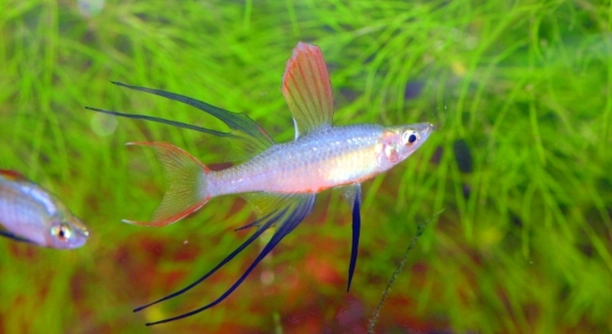
Do you ever find yourself watching your threadfin rainbowfish display unusual behaviors that seem both fascinating and slightly confusing in your aquarium?
Threadfin rainbowfish often display unusual behaviors that serve important purposes. These behaviors are linked to communication, health, feeding, and environmental changes. Understanding what they mean provides insight into their well-being and helps maintain a balanced aquarium environment.
Each small action reveals more about their needs, from subtle signals of comfort to responses shaped by their surroundings and social interactions.
Fin Flicking and Quick Darts
Fin flicking and sudden darts across the tank are common behaviors in threadfin rainbowfish. These movements can look random, but they often signal a response to changes in their environment. Fin flicking may occur when fish feel irritation from water conditions or external parasites. Quick darts, on the other hand, are usually triggered by sudden shifts in light, movement near the tank, or competition for food. Observing when these behaviors happen most often helps identify their cause. Clean water, stable lighting, and balanced feeding schedules usually reduce these actions. While they may appear unusual, they are generally harmless and part of natural fish instincts.
When darting becomes frequent or intense, it may indicate stress from overcrowding, poor water quality, or excessive noise around the tank.
Providing consistent tank conditions, limiting stress factors, and ensuring proper maintenance helps keep fin flicking and darting under control while supporting the rainbowfish’s natural instincts.
Group Synchronization
Threadfin rainbowfish often swim in synchronized groups, creating coordinated movements that appear graceful and precise. This behavior helps reduce stress and allows them to feel more secure in their environment. Group swimming is also a way of establishing social structure.
Swimming in synchronized groups provides protection and comfort while reinforcing their natural schooling tendencies. It reduces the chance of aggression and allows individuals to feel less vulnerable. This behavior also signals healthy social interactions within the group. Keeping at least six rainbowfish together encourages natural synchronization, helping them thrive in captivity. Tanks with adequate space and hiding areas further support this behavior, as fish feel safer and more willing to engage in group swimming. If rainbowfish are kept alone or in too small a group, they may show signs of stress, including hiding, reduced activity, or aggression. Maintaining proper group size ensures their need for schooling is met and promotes both physical and emotional well-being.
Surface Skimming
Surface skimming is a frequent behavior where threadfin rainbowfish move along the top of the tank. This usually signals feeding habits, oxygen needs, or curiosity toward surface movement.
When rainbowfish skim the surface, it often means they are searching for small food particles that float. In tanks, this can happen when flake foods or tiny insects rest on the water. Sometimes, it may also indicate that oxygen levels are lower in deeper areas. Keeping water circulation strong and offering balanced feeding ensures this behavior remains healthy and not linked to stress.
Another reason rainbowfish skim the surface is their natural instinct to explore. In the wild, these fish feed on insects and microorganisms that gather near the waterline. Replicating this through live or floating foods can enrich their diet and mimic their environment. However, frequent surface skimming without feeding may signal an issue with water oxygen levels.
Flashing Against Objects
Flashing is when rainbowfish rub or slide against rocks, plants, or tank decorations. This behavior can indicate mild irritation, often caused by poor water quality or parasites.
Consistent flashing should be taken seriously. Occasional rubbing may simply mean the fish is interacting with its surroundings, but frequent flashing usually points to discomfort. Water testing should be the first step, as poor quality can lead to irritation of the gills or skin. If the water is balanced, checking for parasites or fungal issues is necessary. Addressing the cause early ensures better health for the entire group.
In some cases, flashing is also linked to breeding behavior. Males may display this to attract attention, creating small bursts of activity around objects in the tank. While harmless in short bursts, consistent rubbing should not be ignored. Proper tank care, regular water changes, and parasite prevention treatments are essential to keep flashing from becoming a health concern.
Hiding in Plants
Hiding among plants is a common behavior for threadfin rainbowfish, often signaling stress or a need for security. Dense foliage provides a sense of safety and reduces exposure to perceived threats.
This behavior is normal in a well-planted tank. Providing plenty of plants or decorations allows the fish to retreat when they feel insecure, helping reduce stress and maintain overall health.
Chasing and Nipping
Threadfin rainbowfish sometimes chase or nip at each other, which is a way of establishing social hierarchy. This behavior is more frequent in males or when space is limited. It is usually brief and rarely causes serious harm if the tank is sufficiently sized.
Gulping Air
Gulping air at the surface occurs when oxygen levels are low or water circulation is insufficient. Ensuring proper filtration and aeration helps reduce this behavior.
FAQ
Why do threadfin rainbowfish dart around the tank suddenly?
Sudden darting is a natural response to changes in the environment. It can be triggered by sudden movements outside the tank, bright lights, or new additions to the aquarium. This behavior is generally harmless but can increase stress if frequent or intense. Maintaining stable conditions and avoiding sudden disturbances reduces these episodes.
What does it mean when my rainbowfish flick their fins constantly?
Fin flicking usually signals mild irritation or alertness. Poor water quality, tiny parasites, or aggressive tank mates can cause this behavior. Observing the water parameters and monitoring for signs of disease helps identify the underlying cause. In healthy conditions, occasional flicking is normal and part of natural behavior.
Why do they skim the surface so often?
Surface skimming is linked to feeding and oxygen needs. Floating foods attract this behavior, while low oxygen in the lower tank levels may also encourage it. Ensuring proper aeration, water circulation, and a balanced diet keeps surface skimming normal without stress.
Why do my rainbowfish flash against objects?
Flashing is a rubbing motion against tank surfaces and decorations. It can indicate irritation from parasites, fungal infections, or skin discomfort. Occasional rubbing is normal, but frequent flashing requires checking water quality and examining the fish for external issues. Proper tank care helps reduce unnecessary flashing.
Why are my rainbowfish hiding more than usual?
Increased hiding often signals stress or discomfort. Changes in lighting, overcrowding, or aggressive tank mates can lead to more time spent in plants or decorations. Providing plenty of hiding spaces and maintaining a stable environment encourages comfort and reduces stress behaviors.
Why do they chase or nip each other?
Chasing and nipping are social behaviors to establish hierarchy, particularly among males. Limited space or insufficient group size can increase these interactions. Ensuring a proper tank size and enough companions allows natural social structure without causing injury.
Why do some rainbowfish gulp air at the surface?
Gulping air often indicates low oxygen levels or poor water circulation. While brief surface breathing can occur normally, frequent gulping signals a need for better aeration. Installing a good filter, adjusting water flow, and monitoring oxygen levels keeps fish healthy.
Are unusual behaviors always a sign of illness?
Not always. Many behaviors, like darting, fin flicking, or surface skimming, are part of natural instincts. Persistent, extreme, or combined symptoms may indicate stress or disease. Observing patterns alongside tank conditions helps differentiate normal actions from health concerns.
Can stress cause multiple unusual behaviors at once?
Yes. Overcrowding, poor water quality, or sudden environmental changes can trigger several behaviors simultaneously. Stress manifests through hiding, flashing, chasing, or increased surface activity. Identifying and correcting stressors quickly is key to preventing long-term health issues.
How can I reduce unusual behaviors in my rainbowfish?
Maintaining clean water, proper tank size, stable lighting, balanced feeding, and adequate companions reduces stress and unusual actions. Observing fish daily ensures early detection of potential problems. A well-planned, calm environment allows rainbowfish to display natural behaviors without unnecessary worry.
Do all threadfin rainbowfish exhibit the same unusual behaviors?
Behavior varies between individuals. Some fish are more active or social, while others may be shy or prone to hiding. Differences in age, sex, and past experiences influence behavior. Providing a supportive environment ensures all fish can thrive according to their natural tendencies.
How often should I check water conditions to prevent unusual behaviors?
Water testing should be regular, ideally once a week. Key parameters include temperature, pH, ammonia, nitrite, and nitrate levels. Keeping these stable prevents stress-related behaviors, supports health, and promotes natural activity patterns in rainbowfish.
Is it normal for rainbowfish to change behaviors over time?
Yes. Changes in age, growth, social dynamics, or environmental conditions can alter behavior. Young fish may dart more, while older fish might hide more frequently. Monitoring changes and adjusting care accordingly helps maintain their well-being and reduces stress.
What is the best way to interpret multiple behaviors together?
Observe patterns over time rather than isolated incidents. Multiple unusual behaviors often point to environmental or social factors. Documenting frequency, triggers, and combinations helps identify causes and implement effective solutions. Consistent care and observation allow accurate interpretation of rainbowfish behavior.
Final Thoughts
Threadfin rainbowfish are fascinating creatures that display a wide range of behaviors, each with its own meaning. Observing their actions carefully can provide insight into their health, comfort, and social interactions. Behaviors such as darting, fin flicking, surface skimming, or hiding are often normal and part of their natural instincts. At the same time, frequent or intense occurrences of these actions can signal stress or environmental issues that need attention. By paying close attention to these behaviors, you can better understand what your rainbowfish are experiencing and respond appropriately.
Providing a stable and supportive environment is key to maintaining the well-being of threadfin rainbowfish. Clean water, proper filtration, and good circulation reduce stress and prevent common issues that trigger unusual behaviors. A well-planted tank with hiding spaces and enough swimming room allows the fish to feel secure while displaying natural actions like synchronized schooling or playful darting. Maintaining a balanced diet and monitoring water parameters regularly helps minimize health concerns that might lead to flashing or excessive surface skimming. Creating this consistent environment ensures that most behaviors observed are natural rather than signs of distress.
Understanding these behaviors also strengthens your connection with your rainbowfish and improves tank management. Recognizing subtle cues such as hiding patterns, group synchronization, or chasing behaviors can help you adjust tank conditions, social groupings, or feeding practices. While some behaviors may seem unusual or unpredictable, they often reflect instinctual responses rather than problems. By observing carefully and maintaining proper care routines, you can ensure your threadfin rainbowfish remain healthy, active, and stress-free. Over time, this attention will make it easier to notice changes, address issues early, and enjoy the full range of natural behaviors these fish display in a safe and balanced environment.

Hello,
If you enjoy the content that we create, please consider saying a "Thank You!" by leaving a tip.
Every little bit helps us continue crafting quality advice that supports the health, happiness, and well-being of pets around the world, for pets of all shapes, sizes, and species.
We really appreciate the kindness and support that you show us!