
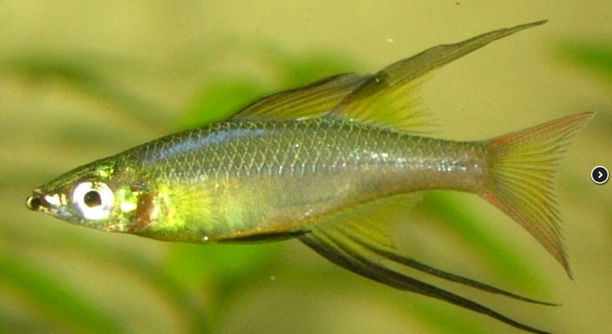
Have you ever arranged an aquarium and wondered which plants will let your threadfins swim freely without getting trapped? Creating a safe environment is important for their movement and comfort. Choosing the right plants can make a big difference.
Threadfins thrive in aquariums with plants that are non-dense and flexible, allowing unobstructed movement. Species such as Java fern, hornwort, and anubias provide safe passage while maintaining water quality and simulating natural habitats essential for healthy fish behavior.
Knowing which plants support free swimming will help you create a safer, more enjoyable home for your threadfins. Proper plant selection ensures both beauty and functionality in the tank.
Java Fern
Java fern is one of my favorite choices for a threadfin aquarium. Its long, thin leaves sway gently in the current, creating movement without blocking swimming paths. These plants attach to rocks or driftwood rather than being planted in substrate, which makes them easy to reposition. Their hardy nature means they require minimal care and tolerate a wide range of water conditions, including varying temperatures and light levels. Threadfins can glide past the fronds without getting tangled, making them feel more comfortable and active. I appreciate how Java fern adds a natural aesthetic to the tank without demanding constant maintenance. Over time, the leaves may develop small brown spots, but trimming old leaves encourages new growth and keeps the plant healthy. Many aquarists also use Java fern to create shaded areas for shy fish, which can help reduce stress and mimic the fish’s natural environment. Its resilience and flexibility make it an ideal addition to almost any freshwater setup.
Java fern grows slowly but steadily, creating a safe swimming area for threadfins while enhancing tank aesthetics with minimal effort.
In my experience, using Java fern has improved the overall behavior of threadfins. They swim more confidently and explore the tank rather than hiding in corners. The plant’s structure also allows for natural filtration, as its leaves can trap floating debris and provide surfaces for beneficial bacteria. Over time, the tank feels balanced, with both open swimming space and gentle cover. Because the plant doesn’t require substrate planting, it’s easy to rearrange if the layout needs refreshing. Pairing Java fern with other soft-leaved plants enhances both safety and beauty, giving the fish room to move while keeping the tank visually interesting. Overall, Java fern is a reliable, low-maintenance plant that benefits both the fish and the aquarist by combining safety, aesthetics, and practicality.
Hornwort
Hornwort has thin, feathery stems that threadfins can swim through easily without risk of entanglement. Its rapid growth makes it excellent for filling vertical space in the aquarium, creating natural corridors.
Hornwort’s adaptability to various water conditions makes it a practical plant for threadfin tanks. It can float freely or be anchored in substrate, giving flexibility in tank design. Fast-growing stems provide hiding spots for shy fish and reduce excess nutrients in the water, which helps prevent algae blooms. Regular trimming keeps the plant manageable and maintains open swimming paths. Its soft leaves ensure that delicate fins aren’t damaged, and the plant’s oxygenating properties improve overall water quality. Many aquarists use hornwort to create layers in the tank, which supports both visual appeal and fish well-being. Because it requires minimal care, it’s suitable for beginners and experienced fish keepers alike. Integrating hornwort into your aquarium design adds both functional space for fish movement and a lush, green look that complements other plant species.
Anubias
Anubias plants have thick, broad leaves and grow slowly, making them ideal for safe swimming areas. They attach to rocks or driftwood and do not require planting in substrate. Threadfins can glide around them without risk, and their hardy nature makes them low-maintenance.
I like using anubias because it adds structure without crowding the tank. Its tough leaves resist damage from curious fish, and the plant thrives in low to moderate light. Threadfins swim confidently through open spaces between leaves, and the plant’s slow growth reduces the need for constant trimming. Anubias also creates shaded spots, which give shy fish a sense of security. Its versatility allows me to place it in corners or mid-tank without worrying about overgrowth, maintaining balance between safe swimming paths and natural decoration.
In my tanks, anubias has proven resilient and reliable. I’ve seen threadfins interact more naturally when these plants are present. The leaves provide a gentle obstacle course that encourages movement without stress. The plant’s attachment to surfaces like driftwood keeps the substrate clear for other species, making tank maintenance simpler. Over time, combining anubias with floating or fast-growing plants creates layers of vegetation, enhancing the tank’s appearance while maintaining open swimming lanes. Its durability, ease of care, and positive influence on fish behavior make anubias a consistent choice for safe aquascaping.
Water Wisteria
Water wisteria grows quickly and provides plenty of vertical cover while keeping swimming lanes open. Its finely divided leaves prevent entanglement and give threadfins space to explore freely.
I appreciate water wisteria because it adapts well to different conditions, from soft to moderately hard water. The plant can be rooted in substrate or left floating, giving flexibility in design. Threadfins move comfortably through the fronds, and regular trimming prevents overgrowth, keeping paths clear. Its fast growth also helps absorb excess nutrients, improving water quality naturally. I often pair it with slow-growing plants to balance visual density and swimming space.
Using water wisteria in my tanks has transformed the layout. The vertical stems create a natural sense of depth, allowing threadfins to navigate open areas while enjoying the security of cover. Its light green color adds brightness and contrast, complementing darker driftwood and stones. Because it grows quickly, I can experiment with placement and prune as needed without disrupting the fish. Over time, the plant encourages natural behavior, like weaving between stems, while maintaining a healthy aquatic environment. Its adaptability, growth rate, and safe structure make it a reliable choice for both practical and aesthetic purposes.
Amazon Sword
Amazon sword plants have broad, long leaves that stay upright, giving threadfins clear swimming lanes. Their roots anchor firmly in the substrate, preventing movement while still offering gentle cover.
These plants are low-maintenance and grow steadily under moderate light. They create natural boundaries without crowding the tank, letting fish move freely and explore safely.
Vallisneria
Vallisneria produces tall, ribbon-like leaves that sway with the current, offering both vertical cover and open space. Threadfins can swim around these plants easily, and their rapid growth helps maintain water quality by absorbing nutrients. Their flexible leaves prevent entanglement while enhancing the tank’s natural feel.
Cabomba
Cabomba grows quickly and provides fine, feathery foliage. Threadfins glide through the stems without risk, and the plant’s dense clusters offer hiding spots. Its adaptability to different water conditions makes it a practical choice, combining aesthetics with a safe swimming environment.
FAQ
What plants are safest for threadfins in a freshwater aquarium?
The safest plants are those with flexible or sturdy leaves that won’t trap fins. Java fern, hornwort, anubias, water wisteria, Amazon sword, Vallisneria, and Cabomba are excellent options. They allow threadfins to swim freely while offering natural cover and maintaining water quality.
How do I arrange plants to give threadfins enough swimming space?
Place taller plants like Vallisneria and Amazon sword toward the back or sides of the tank to create vertical cover. Use shorter plants such as Java fern and anubias in mid-tank areas. Keep open spaces in the center for unobstructed swimming lanes. Floating plants can also create gentle shade without blocking movement.
Do fast-growing plants cause any problems for threadfins?
Fast-growing plants like hornwort and water wisteria can quickly fill the tank, potentially crowding swimming paths. Regular trimming is necessary to prevent overgrowth. When maintained properly, these plants provide hiding spots and help absorb excess nutrients, improving water quality while remaining safe for fish.
Can threadfins damage delicate plants?
Threadfins are generally gentle swimmers, but they may disturb soft-leaved plants if the leaves are very thin. Using hardier plants like anubias or Java fern reduces the risk. Anchoring plants securely and providing floating options can also prevent damage from curious or active fish.
How often should I trim plants in a threadfin tank?
Trimming depends on growth rate and tank size. Fast-growing species may need weekly maintenance, while slow growers like anubias may require trimming every few months. Regular pruning ensures swimming paths remain open and prevents debris buildup, keeping both the plants and fish healthy.
Is substrate necessary for all safe water plants?
Not all plants need substrate. Java fern and anubias attach to driftwood or rocks, while floating species like hornwort and water wisteria can float freely. Using a mix of anchored and floating plants creates variety and keeps swimming areas safe without overcrowding the tank.
Do these plants help maintain water quality?
Yes. Most aquatic plants absorb nitrates and other nutrients, reducing algae growth. Fast-growing species like hornwort and water wisteria are especially effective. Even slow-growing plants like Amazon sword contribute to a stable environment by providing surfaces for beneficial bacteria. Healthy plants directly support healthier, more active threadfins.
Can I mix different plant species in the same tank?
Mixing species is highly recommended. Combining slow and fast growers creates balance between open swimming areas and natural cover. Threadfins benefit from varied textures and heights, which mimic their natural habitat. Mixing also enhances the visual appeal of the tank while ensuring a safe environment for movement.
What lighting is best for threadfin-safe plants?
Moderate lighting suits most safe plants, including Java fern, anubias, and Amazon sword. Fast growers like water wisteria and hornwort benefit from slightly higher light but should not be overexposed. Avoid harsh lighting that encourages excessive algae while keeping the plants healthy and vibrant for the fish.
Are there floating plants that are safe for threadfins?
Yes. Hornwort and water wisteria can float or be anchored, providing shade and cover without blocking swimming paths. Floating plants create gentle shelter for shy fish while maintaining open areas below, giving threadfins freedom to explore safely throughout the tank.
How do I introduce new plants without stressing threadfins?
Rinse plants thoroughly before adding them to remove debris or chemicals. Introduce one or two at a time to avoid sudden changes in environment. Observe fish behavior to ensure they adapt well, then gradually add more. This approach reduces stress and maintains stable water conditions.
Can threadfins tolerate planted tanks with dense foliage?
Dense foliage can be tolerated if open swimming paths are maintained. Mixing tall and low plants while trimming regularly allows threadfins to navigate without entanglement. Plants with flexible leaves prevent injury, and providing vertical layers adds natural complexity without restricting movement.
Do plants need fertilization in a threadfin tank?
Yes, some plants benefit from occasional fertilization, especially slow growers like anubias or Amazon sword. Liquid fertilizers or root tabs can be used sparingly. Fast-growing plants often absorb nutrients from fish waste, but fertilization ensures healthy growth and maintains a safe, vibrant environment for threadfins.
How can I prevent algae when using safe water plants?
Maintain balanced lighting and nutrient levels. Avoid overfeeding fish, as excess food encourages algae. Fast-growing plants like hornwort and water wisteria outcompete algae for nutrients. Regular pruning and occasional water changes keep algae in check while preserving healthy, safe swimming areas for threadfins.
Can I keep these plants with other fish species?
Yes. Most safe water plants are compatible with peaceful community fish. Avoid species that dig excessively or nip leaves, as they can damage delicate plants. Proper placement and trimming maintain open swimming paths, ensuring both threadfins and other tank mates coexist comfortably.
How long does it take for planted areas to stabilize in a new tank?
Depending on the species, planted areas may stabilize within a few weeks to a couple of months. Fast growers establish quickly, while slow growers take longer. During this time, open swimming lanes for threadfins should be maintained, and regular observation ensures plants remain healthy.
Are there signs that plants are unsafe for threadfins?
Yes. Plants with very fine, stiff, or thorny leaves can injure fins or trap fish. Signs include threadfins getting caught, torn fins, or constant hesitation near certain plants. Choosing flexible or broad-leaved species prevents injury and ensures a safe, active environment.
Can I use artificial plants instead of live plants?
Artificial plants can provide safe swimming lanes if they have smooth edges and flexible stems. They do not improve water quality like live plants, but they require minimal maintenance and can be strategically placed to create secure spaces for threadfins without risk of fin damage.
Do safe plants affect threadfin behavior?
Yes. Properly chosen plants encourage natural swimming patterns, exploration, and activity. Threadfins feel more secure when they have both open areas and gentle cover. This reduces stress, promotes healthy feeding, and contributes to a more balanced, lively aquarium environment overall.
Is it necessary to quarantine new plants before adding them?
Quarantining new plants is recommended to prevent pests, algae, or pathogens from entering the tank. Rinse them thoroughly and observe for snails or fungus. A brief quarantine period ensures both threadfins and existing plants remain healthy, keeping the aquarium safe and stable.
How do I balance plant density and open space in the tank?
Start with a mix of tall and short plants, leaving open areas in the center for free swimming. Prune fast growers regularly and adjust plant placement as needed. This approach maintains a safe, visually appealing tank while ensuring threadfins can move freely.
Are there low-light plants safe for threadfins?
Yes. Java fern, anubias, and certain varieties of Cabomba thrive in low-light conditions. These plants provide safe swimming areas, require less maintenance, and create shaded zones that help reduce stress for threadfins without limiting movement or tank aesthetics.
What maintenance tips help keep plants safe for threadfins?
Regular trimming, monitoring growth, rinsing debris, and balancing lighting and nutrients are key. Ensure plants are anchored securely and maintain open swimming paths. Observing fish behavior helps detect any hazards early, keeping both the plants and threadfins healthy and active.
Can I combine floating and rooted plants safely?
Yes. Floating plants provide surface cover and light shading, while rooted plants offer structure and vertical elements. Combining both types maintains swimming lanes, encourages natural behavior, and enhances visual appeal, giving threadfins a safe and dynamic environment to explore.
Do safe plants help reduce stress in threadfins?
Absolutely. Plants provide shelter, shade, and gentle obstacles that mimic natural habitats. This reduces hiding behaviors, encourages swimming, and promotes overall well-being. Proper plant selection supports both mental and physical health, creating a more active and comfortable tank environment for threadfins.
Can these plants survive in varying water conditions?
Most safe plants, such as Java fern, anubias, hornwort, and Vallisneria, are highly adaptable. They tolerate moderate fluctuations in temperature, pH, and hardness, making them suitable for diverse freshwater setups. Choosing resilient species ensures long-term survival and consistent safety for threadfins.
How do I introduce multiple plant species together safely?
Add plants gradually, spacing them to maintain swimming lanes. Observe fish interaction with each species, and trim as needed. Mixing slow and fast growers creates a balanced tank, providing both cover and open space while keeping threadfins safe and active.
Are there any seasonal care changes for these plants?
Seasonal changes in light or temperature can affect growth rates. Adjust lighting and monitor water conditions to prevent stress. Fast growers may need more frequent trimming in warmer months, while slow growers may grow slower in cooler months. Regular observation ensures threadfins remain safe year-round.
Do threadfins prefer certain plants over others?
Threadfins often prefer plants that allow clear swimming paths and gentle movement, like Java fern, anubias, and hornwort. They tend to avoid dense or stiff plants that restrict movement. Choosing flexible, broad-leaved, or feathery species ensures threadfins feel comfortable and active.
Can I propagate these plants safely in a tank with threadfins?
Yes. Many plants, including hornwort, water wisteria, and Cabomba, can be trimmed and replanted without risk. Slow growers like anubias or Java fern propagate from rhizome division. Proper placement maintains safe swimming areas while expanding plant coverage naturally.
Do live plants impact feeding behavior in threadfins?
Live plants encourage exploration and natural foraging. Threadfins use plants for cover while searching for food, reducing stress during feeding. Open swimming lanes ensure they can move freely while interacting with plants, supporting balanced activity and healthy eating habits.
How do I deal with plants that outgrow the tank?
Trim fast-growing species regularly to maintain open swimming lanes. Relocate or divide plants if necessary. Balancing plant density prevents overcrowding, keeps water quality stable, and ensures threadfins have sufficient room to move freely without injury.
Can I use fertilizers safely with threadfins present?
Yes, but use them sparingly and follow dosing instructions. Liquid fertilizers or root tabs designed for aquarium plants are generally safe. Monitor fish behavior for signs of stress. Proper fertilization promotes healthy plant growth while keeping threadfins safe.
Are there any plants to avoid for threadfins?
Avoid plants with very stiff, sharp, or fine-threaded leaves, as these can injure fins or entangle fish. Some fast-rooting plants may also create dense mats that block movement. Choosing flexible, broad-leaved, or feathery plants ensures safety and freedom of movement for threadfins.
Do these plants require CO2 supplementation?
Most safe plants for threadfins, like Java fern, anubias, hornwort, and Vallisneria, do not require additional CO2. They thrive in well-lit, nutrient-balanced water. CO2 can enhance growth but is not necessary for maintaining healthy, safe swimming environments for threadfins.
Can safe plants reduce aggression in a community tank with threadfins?
Yes. Plants create visual barriers and sheltered zones, which can reduce stress and territorial behavior. Open swimming paths combined with gentle cover allow fish to interact naturally without crowding, helping maintain a peaceful community tank.
Do plants affect water circulation in a threadfin tank?
Yes. Dense plants can slow water flow, while tall or feathery plants like Vallisneria and hornwort allow gentle current movement. Proper placement ensures threadfins can swim comfortably, while circulation remains sufficient for oxygenation and nutrient distribution.
How long will these plants last in a properly maintained tank?
With correct lighting, nutrients, and water conditions, hardy plants like Java fern, anubias, and Vallisneria can last years. Fast growers like hornwort or water wisteria may need frequent trimming but also remain long-term additions. Healthy plants ensure threadfins enjoy safe swimming spaces over time.
Can I use these plants in a small tank?
Yes. Choose slow-growing or compact species like anubias or Java fern for smaller tanks. Prune fast growers regularly to prevent overcrowding. Maintaining open swimming lanes is crucial, and even small tanks can provide a safe, plant-rich environment for threadfins.
Are there any tips for cleaning plants without stressing threadfins?
Gently rinse plants with tank water or soft brush debris from leaves. Avoid harsh chemicals or cold water. Remove only a few plants at a time if necessary. This method keeps threadfins safe, reduces stress, and maintains healthy plant growth.
Can I combine live and artificial plants for threadfins?
Yes. Artificial plants with smooth edges can supplement live plants to create additional cover without obstructing movement. Combining both types maintains aesthetics, open swimming lanes, and safety, while reducing maintenance for fast-growing or delicate species.
Do safe plants help stabilize water parameters?
Yes. Live plants absorb nitrates, phosphorus, and other nutrients, reducing the risk of algae and stabilizing pH. Fast-growing plants are particularly effective. Healthy plants create a more stable, safe environment that benefits both threadfins and overall tank health.
What’s the best way to start a planted tank for threadfins?
Begin with hardy, slow-growing plants to establish a foundation. Add fast-growing species gradually, trimming as needed. Provide open swimming lanes and observe fish behavior. This approach balances aesthetics, plant growth, and fish safety, ensuring threadfins thrive from the start.
How do I handle plant debris in the tank?
Remove decaying leaves promptly to prevent water quality issues. Use a net or siphon to collect fallen plant material. Keeping the tank clean preserves healthy swimming lanes and reduces stress for threadfins. Regular maintenance supports both plants and fish.
Can plants support breeding behavior in threadfins?
Yes. Plants provide cover and subtle boundaries that can encourage natural breeding behaviors. Threadfins feel safer with gentle cover, which can increase activity, courtship, and spawning success. Selecting flexible, non-entangling plants ensures safety while supporting reproductive behavior.
Do seasonal changes affect plant growth for threadfins?
Yes. Seasonal light variations can slow or accelerate growth. Adjust artificial lighting, trimming, and nutrient supply accordingly. Maintaining stable water conditions and open swimming lanes ensures threadfins remain comfortable despite plant growth fluctuations.
Are there plants suitable for beginners with threadfins?
Yes. Java fern, anubias, hornwort, and Vallisneria are low-maintenance, adaptable, and safe for threadfins. They tolerate variable conditions and require minimal pruning, making them ideal for new aquarists aiming to provide a healthy, secure environment for their fish.
Can I use plant fertilizers without harming threadfins?
Yes, but apply them carefully according to manufacturer instructions. Liquid fertilizers or root tabs designed for aquarium plants are generally safe. Monitor water parameters to ensure fish remain unaffected. Proper fertilization helps plants thrive, indirectly supporting a safe and balanced environment for threadfins.
Do plants improve the overall behavior of threadfins?
Absolutely. Plants encourage exploration, reduce hiding, and allow natural swimming patterns. Threadfins interact more actively with their environment, and the combination of open lanes and gentle cover supports mental and physical health, creating a lively, balanced aquarium.
Are floating plants better than rooted plants for threadfins?
Both have advantages. Floating plants provide shade and surface cover without obstructing movement, while rooted plants offer vertical structure and gentle barriers. Combining both types ensures threadfins can swim safely while enjoying natural areas for exploration and resting.
How do I prevent plants from overtaking the tank?
Regular trimming, spacing, and monitoring growth prevent overcrowding. Fast-growing species may require weekly pruning, while slow growers need less frequent attention. Maintaining open lanes ensures threadfins continue to move freely and reduces stress.
What are the long-term benefits of using safe plants for threadfins?
Safe plants create secure swimming lanes, improve water quality, reduce stress, encourage natural behavior, and enhance tank aesthetics. Over time, they establish a balanced ecosystem that supports the health and activity of threadfins while minimizing maintenance and creating a visually pleasing environment.
Can I mix tropical and hardy plants safely?
Yes. Many hardy plants like Java fern and anubias coexist well with tropical species if water conditions are compatible. Mixing creates variety in texture, height, and density while maintaining swimming lanes, ensuring threadfins remain safe and comfortable in a diverse planted environment.
How do I know if plants are thriving in my tank?
Healthy leaves, steady growth, and vibrant color indicate thriving plants. Minimal debris and absence of algae on leaves also show good health. Thriving plants provide safe lanes and natural cover, supporting active, confident threadfins throughout the tank.
Are there low-maintenance plants suitable for busy aquarists?
Yes. Anubias, Java fern, and Vallisneria require minimal care, low light, and slow growth. They provide safe swimming areas and gentle cover while needing occasional trimming. These species are ideal for busy aquarists who want a healthy, low-stress environment for threadfins.
Do safe plants require special water parameters?
Most safe plants tolerate a wide range of conditions, including moderate pH, temperature, and hardness. Ensuring stable water conditions supports plant health and provides a safe environment for threadfins without demanding extensive monitoring or adjustments.
Can I use driftwood or rocks with these plants?
Yes. Many plants, such as anubias and Java fern, attach to driftwood or rocks. This adds structure, creates gentle swimming barriers, and provides natural aesthetics while keeping open lanes clear for threadfins. Anchoring plants securely prevents accidental movement.
Do live plants help reduce stress for newly introduced threadfins?
Yes. Plants offer cover, shade, and safe hiding spots, helping new threadfins acclimate. Open lanes allow free movement while providing security, which reduces stress, encourages natural exploration, and promotes healthy adaptation to the tank environment.
How do I balance plant growth with fish activity?
Trim fast-growing plants regularly, monitor density, and ensure open swimming paths. Place taller plants at the back and sides, with shorter species in mid-tank. Balancing growth with swimming lanes keeps threadfins active and prevents overcrowding while maintaining a visually appealing layout.
Are there any seasonal adjustments for plant care?
Yes. Adjust lighting, fertilization, and trimming according to seasonal changes in growth rate. Monitor water parameters and maintain swimming lanes. Seasonal adjustments ensure plants remain healthy and threadfins continue to enjoy safe, stress-free movement in the tank.
What plants provide the best combination of safety and aesthetics?
Java fern, anubias, hornwort, water wisteria, Amazon sword, Vallisneria,
Final Thoughts
Creating a safe and healthy environment for threadfins is easier when the right plants are chosen. The plants discussed, such as Java fern, anubias, hornwort, water wisteria, Amazon sword, Vallisneria, and Cabomba, all offer spaces for swimming without causing injury. They provide both vertical and horizontal cover, allowing threadfins to move freely while feeling secure. Using these plants in combination can help simulate a natural habitat, giving the fish areas to explore, hide, or rest. The balance between open swimming lanes and gentle cover is important, as it encourages natural behavior while preventing stress. Over time, properly selected plants also contribute to a more stable tank environment by helping maintain water quality and supporting the growth of beneficial bacteria.
Maintenance is a key part of keeping a planted tank safe for threadfins. Fast-growing plants like hornwort and water wisteria need regular trimming to prevent overcrowding, while slow-growing species such as anubias and Java fern require less frequent attention. Observing plant health and growth patterns ensures that swimming paths remain open and the fish have room to move freely. Floating plants and anchored species can be combined to create multiple layers of vegetation without compromising safety. Paying attention to lighting, water parameters, and nutrient levels is also important to keep the plants thriving. Healthy plants not only improve the look of the aquarium but also reduce stress for the fish, creating an environment where threadfins can swim actively and interact naturally with their surroundings.
Choosing the right plants is a long-term investment in the well-being of the fish and the overall aquarium. By prioritizing species that are durable, non-entangling, and adaptable to a range of water conditions, aquarists can minimize risk and effort. The plants listed provide flexibility for different tank sizes and layouts, allowing aquarists to design spaces that are visually appealing and functional. Over time, a well-planted tank supports healthier and more confident threadfins, creating a balanced ecosystem where both plants and fish thrive. Consistent care, observation, and adjustments help maintain this balance, ensuring a safe, attractive, and stress-free environment for the fish for years to come.

Hello,
If you enjoy the content that we create, please consider saying a "Thank You!" by leaving a tip.
Every little bit helps us continue crafting quality advice that supports the health, happiness, and well-being of pets around the world, for pets of all shapes, sizes, and species.
We really appreciate the kindness and support that you show us!