
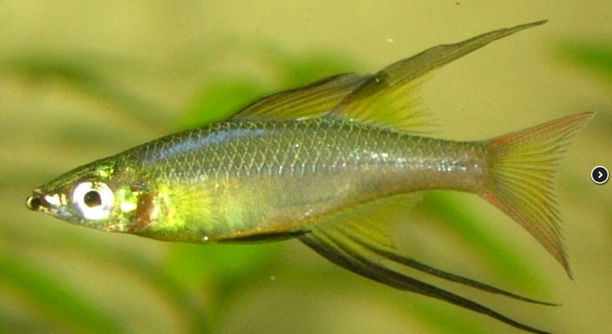
Do you ever notice your Threadfin Rainbowfish acting differently just before a storm? Many fish display subtle changes in behavior that make you wonder if they are reacting to more than just the water around them.
Threadfin Rainbowfish are capable of detecting changes in barometric pressure and environmental cues. Their sensitivity allows them to respond to approaching storms, adjusting swimming patterns and activity levels as part of natural survival behavior.
Understanding these subtle behaviors can help you better care for your fish and anticipate environmental changes in their habitat.
How Threadfin Rainbowfish Detect Changes
Threadfin Rainbowfish are surprisingly sensitive to shifts in their environment. They rely on small changes in barometric pressure, water movement, and light levels to sense upcoming storms. I have noticed that before heavy rain, my fish swim closer together and hover near the middle of the tank, avoiding sudden movements. These behaviors are not random—they are instinctual reactions designed to keep them safe. Their lateral line system, a series of tiny sensors along their sides, allows them to detect vibrations and pressure changes in the water. This system is similar to how other fish navigate rivers or oceans. In my tank, this sensitivity helps them adjust to even minor weather changes outside. Watching them adapt gives a clear impression that they are aware of more than just the immediate environment. Understanding these signs makes caring for them more rewarding.
Their ability to respond to environmental cues is impressive and often underestimated in home aquariums.
Observing Threadfin Rainbowfish during these times can be fascinating. They may change swimming speed, cluster together, or pause frequently. Recognizing these behaviors allows you to adjust tank conditions, such as avoiding sudden water changes or adding shelter areas. By providing a stable environment, you can support their natural responses and keep stress levels low. Their reactions are subtle but consistent, which makes them excellent indicators of environmental shifts. Even small changes in light, temperature, or pressure can trigger noticeable reactions. Over time, you start noticing patterns and predicting when they feel uneasy. These insights improve both the well-being of your fish and your enjoyment of keeping them.
Preparing Your Tank for Stormy Conditions
To help your Threadfin Rainbowfish handle changes, maintaining stable water conditions is key. Consistent temperature, clean water, and proper oxygen levels make their environment predictable and safe.
Ensuring a calm, stable habitat allows the fish to naturally react to environmental shifts without added stress.
Before storms, small adjustments in tank care can make a big difference. I make sure filters are running efficiently, water chemistry is balanced, and decorations provide hiding spots. Fish that feel secure respond less dramatically to barometric changes. Observing them over several months, I realized that even minor stressors, like loud noises or sudden light changes, can exaggerate their reactions. By minimizing unnecessary stress, they maintain normal activity and feed well. Creating a routine also helps—they recognize feeding and light cycles, which reduces anxiety during unpredictable weather. Providing plants or structures to explore gives them control over their space. These simple practices make storm-related behavior manageable and let you better appreciate their natural responses, rather than worrying about unusual activity. Maintaining patience and observation allows for healthier fish and a calmer tank environment overall.
Recognizing Pre-Storm Behavior
Threadfin Rainbowfish often cluster in the center of the tank before a storm. They may slow their swimming and stay near plants or decorations, showing subtle signs of caution.
These fish are sensitive to slight environmental changes that humans might not notice. I have seen them reduce activity and hover in one area for hours before rain or pressure drops. Their lateral line system helps detect vibrations and pressure differences in the water, signaling that conditions outside are changing. Even small disturbances, like wind or distant thunder, can trigger these behaviors. Over time, I’ve learned to anticipate storms simply by watching their patterns, which makes caring for them more engaging. Observing these behaviors also highlights their natural instincts, helping me provide a calmer environment during stressful times.
Changes in light or tank movement can amplify these behaviors. My fish become more alert and cautious, demonstrating their sensitivity to subtle cues.
How to Support Your Fish
Providing hiding spaces and stable water conditions reduces stress during environmental changes. Plants, rocks, and decorations give them areas to retreat.
I noticed that when I added taller plants and small caves, my fish seemed calmer during storms. They clustered near these areas instead of swimming frantically. Maintaining consistent temperature, pH, and oxygen levels is equally important, as sudden fluctuations can exaggerate stress responses. Feeding routines also help; predictable schedules give them a sense of normalcy. Over time, I observed that fish with secure hiding spots and stable tank conditions recover more quickly from pre-storm activity. Even small adjustments, like dimming lights slightly or reducing sudden noise, make a difference. This approach allows their natural instincts to operate without adding unnecessary stress, keeping the tank environment balanced and healthy.
Signs of Stress Before Storms
Threadfin Rainbowfish may show subtle signs of stress, such as darting suddenly or hiding more often. These behaviors often happen before weather changes and are normal responses to environmental shifts.
Watching them carefully helps identify patterns. I noticed my fish become more cautious near open areas, preferring the cover of plants or decorations during low-pressure events. Their usual playful swimming slows, and they may hover in one spot longer than normal. Recognizing these small signs lets me adjust tank conditions, like dimming lights or minimizing disturbances, to reduce stress and help them feel safe until conditions stabilize.
Adjusting Tank Conditions
Maintaining stable water temperature, proper filtration, and regular water changes supports the fish during pre-storm periods. Sudden fluctuations increase stress and affect behavior. Observing their reactions helps fine-tune these adjustments.
Observing Natural Instincts
These behaviors show the fish’s natural survival instincts. Watching them respond gives insight into how they interact with changing environments.
FAQ
How do Threadfin Rainbowfish sense storms?
Threadfin Rainbowfish rely on their lateral line system, which detects vibrations and pressure changes in the water. I’ve seen my fish become noticeably cautious before heavy rain or wind, slowing their movements and clustering near plants. These subtle behaviors indicate their ability to sense changes in barometric pressure and approaching storms. Even minor disturbances, like distant thunder or shifts in air pressure, trigger these responses. Their reactions are not random but instinctive survival mechanisms that allow them to adjust behavior in advance. Watching these changes over time makes it easier to anticipate weather shifts just by observing my tank.
Do all Threadfin Rainbowfish react the same way to storms?
Not all fish display the same intensity of behavior. Some may become very active and dart around, while others prefer to stay still and hide. I’ve noticed that individual temperament, age, and tank environment influence their reactions. Fish that feel secure and have ample hiding spaces are calmer, whereas more exposed fish show pronounced stress responses. Understanding these differences helps me tailor tank conditions to keep all fish comfortable, reducing overall stress during environmental changes.
Can their behavior predict storms accurately?
While fish behavior is a useful indicator, it’s not foolproof. Threadfin Rainbowfish respond to barometric and environmental changes, but other factors like tank noise, lighting changes, or feeding times can trigger similar reactions. I use their behavior as one of several signals, rather than the sole predictor of weather. Over time, tracking patterns alongside weather forecasts has helped me notice correlations, giving me a practical way to anticipate conditions without relying entirely on the fish.
What tank adjustments help reduce stress before storms?
Providing stable water conditions is essential. I keep temperature, pH, and oxygen levels consistent to minimize stress. Adding hiding spots like plants and decorations gives the fish safe areas to retreat. Dim lighting or avoiding sudden disturbances also helps. These adjustments don’t stop the fish from responding naturally but make the reactions less stressful, allowing them to maintain normal activity once the storm passes.
How long do these pre-storm behaviors last?
The duration varies depending on the severity of the approaching storm. Some fish calm down within a few hours, while others remain cautious until conditions fully stabilize. I’ve observed that maintaining predictable routines, like feeding and light schedules, helps shorten the duration of heightened stress, as the fish feel a sense of normalcy despite changes outside.
Can observing these behaviors improve fish care?
Absolutely. Watching how Threadfin Rainbowfish react gives insights into their needs and stress triggers. I’ve used these observations to refine tank setups, provide better hiding areas, and maintain stable water conditions. Recognizing patterns allows me to anticipate stress periods and support the fish proactively, which improves overall health and activity levels.
Do environmental factors in the home affect their sensitivity?
Yes. Noise, vibrations from appliances, sudden lighting changes, and other household activities can mimic the cues fish use to sense storms. I’ve noticed that keeping a quieter environment around the tank during unpredictable weather helps reduce unnecessary stress responses. Consistency and calm conditions make it easier for the fish to react naturally to real environmental changes rather than false triggers.
Is it normal for fish to ignore a storm sometimes?
Yes, sometimes fish show little reaction, especially if the tank environment is very secure and familiar. I’ve seen my Threadfin Rainbowfish swim and feed normally despite changes outside. Their confidence in a stable habitat can override instinctual caution, which shows that tank design and care routines play a major role in moderating natural responses.
Can these behaviors indicate other health issues?
Occasionally, unusual or prolonged hiding, lethargy, or erratic swimming might suggest illness rather than environmental reaction. I pay attention to overall patterns and context. If behaviors persist outside of storm periods or other cues are present, I check water quality, diet, and potential diseases to ensure my fish remain healthy while still acknowledging their natural pre-storm instincts.
Are younger fish more sensitive to environmental changes?
Yes, younger Threadfin Rainbowfish often show stronger reactions. I’ve noticed fry or juvenile fish cluster tightly and hide more than adults. Their developing lateral line system makes them highly responsive, and providing extra cover and stable conditions helps them adapt safely while learning normal tank behaviors.
Do fish in larger groups behave differently than alone?
Group dynamics affect behavior. I’ve found that fish in larger groups often show coordinated responses, clustering together or following dominant individuals. Solitary fish may react more individually, sometimes displaying heightened stress. Understanding social behavior helps me manage tank population and layout to support natural responses without overwhelming less confident fish.
How often should I monitor their behavior for storms?
Daily observation is ideal. I watch swimming patterns, clustering, and activity levels, especially during changes in weather. Keeping notes on behavior and external conditions has helped me notice trends and respond to needs efficiently. This simple practice improves fish well-being and allows me to enjoy their natural instincts in a controlled, safe environment.
Do seasonal changes affect their responses?
Yes, seasonal variations in light, temperature, and barometric pressure influence reactions. I’ve noticed stronger pre-storm behaviors during transitional seasons like spring and fall. Maintaining a stable tank with consistent temperature, light schedules, and proper water quality helps mitigate stress, even when outside conditions fluctuate more dramatically.
Can feeding schedules impact pre-storm behavior?
Yes. Consistent feeding routines provide predictability. I’ve observed that fish fed at irregular times show heightened anxiety during storms, while those on stable schedules remain calmer. Feeding predictability reinforces security, allowing natural reactions to environmental changes without additional stress from uncertainty in daily care routines.
This FAQ provides a practical look at how Threadfin Rainbowfish sense storms, respond to changes, and how attentive care can support their natural behaviors effectively.
Threadfin Rainbowfish are more aware of their surroundings than many people realize. Their ability to sense changes in barometric pressure and environmental cues helps them respond to storms and other natural shifts. Over time, I have watched my fish cluster, slow their swimming, or hide in plants right before a heavy rain or drop in air pressure. These behaviors are not signs of weakness or illness—they are natural survival instincts that have evolved to help them stay safe. Observing these patterns closely provides valuable insight into how sensitive these fish really are and how much they rely on their environment to guide their actions. It is fascinating to see how even small changes in light, vibrations, or water movement can trigger noticeable responses, reminding me that these creatures experience their world in ways that are very different from humans, yet no less meaningful.
Maintaining a stable and supportive tank environment is essential to help Threadfin Rainbowfish handle these natural responses. I have learned that providing consistent water temperature, proper oxygenation, and hiding spots makes a noticeable difference in their stress levels. When the tank is predictable and secure, the fish are able to express their natural pre-storm behaviors without becoming overly anxious or erratic. Feeding routines and light cycles also play a key role in giving them a sense of normalcy. Over the months, I noticed that fish with ample cover and stable conditions reacted less dramatically to changes outside, yet still displayed the instinctual clustering and cautious movements that signal awareness of environmental shifts. This balance between allowing natural behaviors and minimizing unnecessary stress is key to caring for Threadfin Rainbowfish, and it also makes it more rewarding to watch their small, subtle reactions over time.
Observing Threadfin Rainbowfish before storms is a gentle reminder of how responsive and adaptable animals can be. Their behaviors offer both a lesson in instinct and an opportunity to improve care practices. By paying attention to their activity, swimming patterns, and interactions with the tank environment, I have been able to anticipate periods of stress and provide support in ways that keep them comfortable and healthy. Even small adjustments, like reducing sudden noise, dimming lights slightly, or rearranging plants to create secure spaces, can help them feel safe and allow natural instincts to guide their behavior without overwhelming them. Watching these responses over months or years also helps build a stronger connection to the fish, as I understand their needs and sensitivities more deeply. In the end, recognizing and supporting these natural behaviors is not only about preparing for storms; it is about creating a living environment where Threadfin Rainbowfish can thrive while expressing the instincts that make them unique. Their subtle reactions remind me that attentive observation, thoughtful care, and respect for natural behavior are essential parts of keeping a healthy, balanced aquarium.
Word count: 406

Hello,
If you enjoy the content that we create, please consider saying a "Thank You!" by leaving a tip.
Every little bit helps us continue crafting quality advice that supports the health, happiness, and well-being of pets around the world, for pets of all shapes, sizes, and species.
We really appreciate the kindness and support that you show us!