
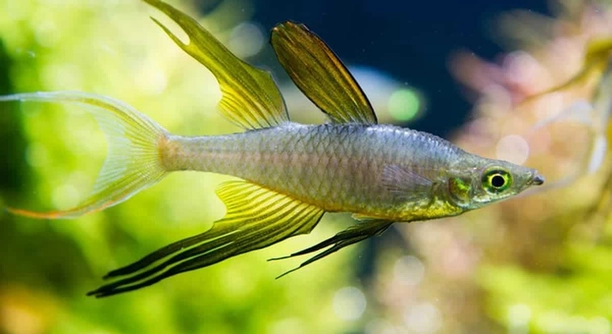
Do you ever notice your threadfins swimming anxiously or hiding in their tank corners? These small fish are sensitive to their surroundings, and minor changes in the tank environment can make a significant difference to their comfort.
Adding elements such as gentle plants, soft substrate, hiding spots, and gentle water flow can reduce stress in threadfins. These small tank additions promote natural behavior, provide security, and create a calmer environment that encourages relaxation and overall well-being.
Even subtle adjustments can dramatically improve your threadfins’ comfort. Implementing these additions ensures a peaceful, healthier habitat that benefits their daily activity and long-term happiness.
Gentle Live Plants
Adding gentle live plants can make a tank feel more natural for threadfins. Plants like java moss or small ferns provide shelter without crowding the space. They create a calming visual environment and help reduce stress by giving fish places to hide and explore. Threadfins often linger around plants, feeling more secure when they can swim through or rest near foliage. Live plants also improve water quality slightly by absorbing small amounts of waste, which contributes to a healthier tank environment. Choosing plants that do not require strong lighting or aggressive pruning keeps maintenance simple and prevents disturbing the fish. Observing threadfins interact with plants can also reveal their preferences, helping you adjust plant placement. Small floating plants add surface coverage, reducing bright reflections that sometimes unsettle fish. Overall, incorporating gentle plants makes the tank visually soothing and functionally supportive for natural behaviors, benefiting both fish and caretaker.
Providing live plants gives threadfins extra hiding spots and reduces stress, improving their comfort and daily activity in the tank.
Threadfins often respond positively to a variety of plants. Small clusters of ferns or mosses near the tank edges create natural hiding zones, while floating plants soften overhead lighting and create a gentle, calm environment. Observing their behavior can guide placement and types of plants used.
Soft Substrate
A soft substrate is more comfortable for threadfins as it allows gentle foraging without injury. Fine sand or smooth gravel reduces stress on their delicate fins and bodies, creating a safer bottom environment.
Soft substrate also prevents scratches and abrasions, promoting overall health and reducing potential infections.
Threadfins interact directly with the tank floor, often searching for food or exploring. Rough gravel or sharp stones can harm fins or skin, leading to stress and behavioral changes. Choosing a fine, smooth substrate ensures they can move naturally while maintaining comfort. Layering substrate with small variations in depth can mimic natural conditions, offering areas for exploration or resting. Soft sand also stabilizes water plants and decorations, reducing sudden shifts that may startle fish. Keeping the substrate clean is essential, as debris can accumulate quickly in fine grains. Regular gentle vacuuming maintains cleanliness without disrupting the environment. With thoughtful substrate choices, threadfins feel secure, enjoy more natural activity, and benefit from a less stressful living space.
Hiding Spots
Hiding spots reduce stress by giving threadfins safe areas to retreat. Small caves, tunnels, or ceramic decorations help fish feel secure and less exposed in the tank environment.
Providing a variety of hiding options allows threadfins to choose spaces that suit their personality. Some may prefer open tunnels, while others like narrow crevices. Grouping decorations near the tank’s edges creates a sense of shelter without blocking swimming space. Threadfins often rest near or inside these spots when feeling unsettled, which encourages natural behavior. Using lightweight materials prevents injury and allows easy repositioning when cleaning. Rotating or slightly altering hiding spots can keep the tank stimulating, preventing boredom. Avoid overcrowding the tank, as too many decorations may limit swimming space and increase stress. Thoughtful placement of hiding spots supports both activity and relaxation.
Threadfins will gradually learn to use hiding spots regularly, improving confidence and creating a calmer overall tank atmosphere.
Gentle Water Flow
Gentle water flow mimics natural conditions and reduces stress for threadfins. Strong currents can tire or frighten them, so adjustable filters are ideal.
A slow-moving water environment allows threadfins to swim comfortably and interact with the tank without struggling against strong currents. Positioning filter outlets to create soft ripples rather than direct streams helps maintain calm areas for rest and exploration. Gentle water movement also promotes oxygen circulation, benefiting both fish and plants. Observing how threadfins respond to flow can guide adjustments, ensuring each area of the tank remains comfortable. Avoiding abrupt changes in water speed prevents unnecessary stress. Incorporating plants and decorations near filter outlets can help diffuse water currents further. This setup balances activity, oxygenation, and relaxation, providing a healthy, low-stress environment for threadfins.
Floating Plants
Floating plants provide shaded areas, helping threadfins feel safe. They reduce light intensity and create calm spots for resting and exploring.
These plants also diffuse surface movement, making water conditions gentler. Threadfins often swim under leaves, enjoying the security and soft shadows created.
Smooth Decorations
Smooth decorations prevent injuries and allow threadfins to explore safely. Rounded ceramic or resin pieces reduce the risk of fin damage or scratches. They also create natural resting areas without sharp edges, supporting calm behavior in the tank.
Proper Lighting
Soft, consistent lighting helps threadfins maintain a natural day-night cycle. Avoid harsh or flickering lights that can stress them and disrupt normal swimming and feeding patterns.
Live Moss
Live moss enhances tank aesthetics and provides small hiding spaces. Threadfins often interact with moss, picking through it gently, which encourages exploration and comfort in their environment.
FAQ
How often should I rearrange tank decorations for threadfins?
Rearranging should be minimal and gradual. Threadfins are sensitive to sudden changes, so moving plants or hiding spots too often can increase stress. Small adjustments every few weeks can keep the tank stimulating without causing anxiety. Monitor their behavior to see if changes are well tolerated.
Can I use artificial plants instead of live plants?
Yes, artificial plants are an option, but they should be soft and smooth. Hard or sharp edges can damage fins. Live plants, however, provide additional benefits like oxygenation and water quality improvement that artificial plants cannot replicate.
What type of substrate is best for threadfins?
Fine sand or smooth gravel is ideal. Threadfins forage and explore near the tank floor, so soft substrate prevents injuries to their delicate fins and bodies. Rough gravel or sharp stones can cause scratches and stress.
Are caves and tunnels necessary in a threadfin tank?
While not strictly necessary, hiding spots significantly reduce stress and encourage natural behavior. A few small caves, tunnels, or ceramic decorations along the tank edges provide safe retreats without overcrowding the swimming area.
How strong should the water flow be?
Water flow should be gentle. Threadfins are small and can struggle in strong currents. Adjustable filters that create soft ripples rather than direct streams are ideal. Observing fish response will help determine the best flow level.
Do threadfins prefer shaded areas?
Yes, shaded areas created by floating plants or tall decorations give threadfins security. They often swim under leaves or around taller plants, which reduces anxiety and creates natural resting zones.
Is regular cleaning important with soft substrates?
Absolutely. Fine sand and smooth gravel can trap debris, so gentle vacuuming is necessary. Cleaning prevents waste accumulation while avoiding major disruption to the tank environment, keeping threadfins comfortable and healthy.
How much light is appropriate for threadfins?
Soft, consistent lighting is best. Avoid bright, flickering, or harsh lights that can startle or stress the fish. Maintaining a regular day-night cycle helps threadfins stay calm and encourages normal feeding and activity.
Can I introduce multiple types of plants together?
Yes, combining gentle live and floating plants can create a richer environment. Threadfins benefit from varied textures, hiding spots, and shaded areas. Avoid overcrowding to ensure enough open swimming space remains.
How do I know if threadfins are stressed?
Signs of stress include hiding constantly, erratic swimming, or clamped fins. Stress can result from poor water quality, strong currents, lack of hiding spots, or abrupt changes. Providing gentle plants, soft substrate, and calm water flow helps prevent these behaviors.
Should moss be attached or loose in the tank?
Attaching moss to rocks or decorations is preferable. Loose moss can float around and create debris, while attached moss stays in place and provides stable hiding areas. Threadfins enjoy exploring attached moss, which encourages natural interaction and comfort.
Is it necessary to provide both bottom and surface cover?
Yes, both levels improve tank comfort. Bottom cover like soft substrate and smooth decorations offers resting and foraging zones. Surface cover with floating plants or gentle shadows reduces light intensity and gives additional hiding spaces.
Can these additions improve fish longevity?
Yes, creating a calm and secure environment reduces stress and promotes natural behavior, which contributes to overall health and lifespan. Even small changes like soft substrate or floating plants make a noticeable difference in daily activity and well-being.
How do I monitor the effectiveness of these additions?
Observe swimming patterns, feeding behavior, and use of hiding spots. Threadfins that explore comfortably, rest in shaded areas, and show active behavior are responding well. Adjust or add elements gradually based on their comfort levels.
Is water temperature affected by plants or decorations?
Minimal impact occurs, but plants and decorations can slightly buffer temperature changes. Maintaining a stable, appropriate temperature is more important than relying on these elements to regulate conditions.
Are there any risks to adding too many decorations?
Yes, overcrowding reduces swimming space and can stress threadfins. Limit decorations to ensure sufficient open areas while providing hiding spots. Balance is key to creating a comfortable and safe environment.
How often should floating plants be trimmed or maintained?
Regular trimming is needed to prevent overgrowth and block light. Remove decaying parts promptly. Well-maintained floating plants provide gentle shading without restricting swimming space or water movement.
Do threadfins interact differently with live versus artificial plants?
Yes, threadfins often explore and rest among live plants more actively. Live plants offer natural textures, slight water movement, and small hiding nooks that artificial plants may not provide, enhancing engagement and comfort.
Can decorations affect water quality?
Smooth, non-toxic decorations have minimal impact. Avoid materials that leach chemicals. Decorations should be cleaned periodically to prevent debris buildup and maintain water conditions, supporting threadfins’ health.
What is the simplest way to keep these additions effective long-term?
Regular observation and minimal, gradual adjustments are key. Maintain cleanliness, trim plants, monitor water flow, and ensure adequate hiding spots. Consistency in care allows threadfins to remain relaxed and thrive over time.
How do I combine all these elements efficiently?
Place soft substrate first, add smooth decorations with hiding spots, introduce gentle plants, and adjust water flow. Floating plants and moss can be added last. Ensure enough open swimming space while maintaining shaded, secure areas. Monitor behavior and refine placement gradually.
Can these techniques work for other small fish?
Yes, many small, delicate freshwater fish benefit from gentle water flow, soft substrate, hiding spots, and shaded areas. Adjust specifics based on species needs, but the overall approach promotes comfort, reduces stress, and encourages natural behaviors.
What is the key takeaway for threadfin care?
Creating a calm, secure environment with soft substrate, gentle plants, hiding spots, and moderate flow promotes relaxation and natural activity. Even small, thoughtful additions enhance well-being and foster a healthier, stress-free tank environment.
Threadfins are delicate and sensitive fish that benefit greatly from small, thoughtful additions to their tank environment. Even minor changes can make a noticeable difference in their comfort and behavior. By focusing on elements like soft substrate, gentle plants, hiding spots, and appropriate water flow, it is possible to create a space where threadfins feel secure and relaxed. These additions do not need to be elaborate or expensive; even a few carefully chosen items can have a big impact. Observing how your threadfins interact with the tank allows you to understand their preferences and adjust their environment to suit their needs. For example, noticing that they linger near a cluster of plants or a small cave can guide where to place similar elements in the future. Maintaining simplicity in the tank helps reduce stress while supporting natural behaviors such as swimming, foraging, and resting. A calm environment also encourages better feeding habits and overall health, which is essential for long-term care.
A soft substrate is particularly important because threadfins spend a significant amount of time exploring the tank floor. Fine sand or smooth gravel provides a gentle surface that prevents injuries to their delicate fins and bodies. Similarly, gentle plants and floating vegetation create shaded areas that reduce stress and allow the fish to feel secure while swimming or resting. Hiding spots, whether in the form of small caves, tunnels, or smooth decorations, offer essential retreats where threadfins can escape when feeling unsettled. These additions also make the tank visually appealing without overcrowding swimming areas, ensuring that threadfins have enough open space to move freely. Gentle water flow complements these elements by creating a more natural environment. Adjustable filters that produce soft ripples instead of strong currents help fish navigate comfortably, reducing fatigue and anxiety. Each of these components contributes to a balanced and calm tank that supports both activity and relaxation, promoting a healthy, stress-free habitat.
It is also important to maintain these tank additions consistently over time. Regular cleaning of the substrate, trimming of plants, and careful observation of fish behavior help ensure that the environment remains comfortable and safe. Sudden changes or overcrowding can lead to stress, so gradual adjustments are preferred. Monitoring the threadfins’ responses to different elements allows for fine-tuning and ensures the additions are effective. Over time, small improvements such as adding a few more plants, adjusting the placement of hiding spots, or modifying water flow can make a noticeable difference in their overall well-being. By creating a thoughtful, calm, and consistent environment, threadfins are more likely to exhibit natural behaviors, feel secure, and maintain good health. These small, intentional changes reflect a commitment to their care and can result in a happier, more relaxed fish population. Observing them thrive in a carefully arranged tank reinforces the value of these additions and the positive impact they have on daily life in the aquarium.

Hello,
If you enjoy the content that we create, please consider saying a "Thank You!" by leaving a tip.
Every little bit helps us continue crafting quality advice that supports the health, happiness, and well-being of pets around the world, for pets of all shapes, sizes, and species.
We really appreciate the kindness and support that you show us!