
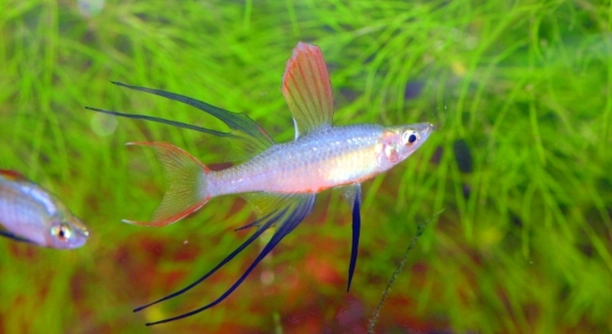
Have you ever watched your Threadfin Rainbowfish swim across the tank and wondered if they notice the shapes or colors around them? These small, colorful fish often brighten aquariums and capture attention with their lively movements.
Research indicates that Threadfin Rainbowfish can recognize certain patterns in their tank environment. They respond to visual cues such as shapes, contrast, and movement, which can influence swimming behavior and territory preference within the aquarium. This recognition aids environmental awareness and stress reduction.
Observing their reactions to decorations and backgrounds can reveal subtle insights into their behavior and preferences in the tank setting.
How Threadfin Rainbowfish Perceive Tank Patterns
Threadfin Rainbowfish are visually oriented fish that respond to contrasts, shapes, and movement within their environment. Their eyes are adapted to detect changes in light and color, which helps them navigate the tank safely. Observing these fish over time reveals that they often swim differently around specific decorations or patterns. For example, they may linger near areas with distinct contrasts or avoid parts that are overly cluttered or dull. Their behavior suggests they are not just reacting randomly but actively processing visual cues. Tank patterns can influence their swimming paths, resting spots, and interactions with other fish. Subtle differences in background colors or objects may reduce stress, as predictable visual environments make them feel more secure. By paying attention to these patterns, aquarists can create an environment that encourages natural behavior, promotes health, and reduces signs of anxiety. Lighting, placement, and color combinations all play a role in shaping their response to visual stimuli.
Providing varied tank patterns can improve the overall activity of Threadfin Rainbowfish, keeping them engaged and alert.
Adjusting tank patterns gradually allows fish to acclimate without stress. Sharp contrasts, bright decorations, or sudden changes may startle them, whereas gentle variations encourage exploration. Consistent placement of objects like plants or rocks creates landmarks, helping fish remember their surroundings. By observing their responses to each adjustment, you can identify which areas they prefer and which they avoid. Patterns also affect schooling behavior; fish may cluster in areas with appealing visuals or distribute evenly when the tank is visually balanced. Maintaining a predictable yet stimulating visual environment supports both their mental and physical well-being. Lighting angles and background colors further influence their perception, as reflections and shadows can mimic movement or changes in the tank, prompting reactions. Experimenting with different layouts over time can help find the ideal combination that keeps the fish active and comfortable while minimizing stress responses.
Factors That Affect Pattern Recognition
Light intensity and background colors influence how patterns appear to Threadfin Rainbowfish.
Environmental conditions such as water clarity, tank size, and object placement significantly impact their ability to recognize patterns. Clear water ensures that contrasts are visible, while murky or dim conditions reduce the effectiveness of visual cues. The position of decorations and plants determines whether patterns are noticeable or overlooked. Larger tanks require more distinct shapes or contrasts for fish to register them, whereas smaller tanks naturally make objects more apparent. Consistency matters; sudden changes in layout may confuse the fish, while predictable arrangements allow for easier recognition. Seasonal or daily lighting variations also change how patterns appear, influencing swimming behavior. Even reflections on the glass or water surface can create visual illusions that affect their movement. By monitoring these factors, aquarists can optimize the tank environment, ensuring the patterns are meaningful and beneficial for the fish. Pattern recognition is thus a combination of clear visuals, proper layout, and stable conditions.
Choosing decorations and backgrounds with appropriate contrast and texture enhances fish behavior and reduces stress levels. Paying attention to how fish interact with specific areas can guide adjustments in tank design, improving activity, social interaction, and overall well-being. Some aquarists report increased schooling or exploration when patterns are balanced and visually stimulating. It’s important to consider the size and species of all tank inhabitants, as more active fish may influence pattern perception for others. Plants and rocks not only create shelter but also provide recognizable landmarks, aiding memory and orientation. Colors that mimic natural habitats are often better received than artificial, overly bright decorations. Monitoring behavior after each adjustment ensures changes have a positive impact rather than creating confusion or hiding spots. By combining proper lighting, structured layout, and thoughtful decoration choices, Threadfin Rainbowfish can thrive in a visually engaging and safe environment.
Observing Behavior Around Patterns
Threadfin Rainbowfish often pause or change direction near distinctive tank patterns. They may swim closer to areas with strong contrast or linger near familiar shapes. Their reactions are consistent, showing that visual cues influence movement and comfort within the tank.
Watching their interaction with decorations reveals that fish respond differently depending on the shape, color, and placement of objects. Rounded rocks or tall plants often create preferred swimming zones, while flat or dull-colored backgrounds may be ignored. Movement in the water, such as floating leaves, can also catch their attention and trigger curiosity. Over time, these behaviors become predictable, suggesting that fish remember patterns and adjust their paths accordingly. This recognition helps them navigate safely and interact confidently with other tank inhabitants. By documenting these reactions, it’s easier to design a layout that encourages natural swimming patterns and reduces stress. Consistency in decoration placement strengthens this behavior.
Behavior is also influenced by social dynamics within the tank. Fish may follow or avoid areas based on how others react to patterns. Schooling behavior can be affected by visual cues, as groups tend to cluster near preferred features. Individual personalities play a role; some fish are bolder and explore unfamiliar patterns, while others stay near known areas. Gradual changes to tank layout allow shy fish to adjust without anxiety. Patterns combined with lighting and color contrast create an environment that balances exploration and safety. Monitoring these interactions over weeks provides insight into how patterns shape both movement and social behavior.
Tips for Enhancing Pattern Recognition
Consistent decoration placement helps Threadfin Rainbowfish remember landmarks and reduces stress in the tank environment.
To enhance pattern recognition, choose contrasting decorations that stand out against the background. Placing tall plants, rocks, or artificial structures strategically creates zones that fish can identify. Avoid overcrowding, which may obscure patterns or limit swimming space. Lighting should be consistent, highlighting key areas without causing glare or excessive reflection. Observing fish reactions after each adjustment helps determine which elements are effective and which are ignored. Over time, these small changes can significantly improve navigation, comfort, and interaction within the tank, making the environment more engaging and visually stimulating for the fish.
Gradual changes are key when adding or adjusting patterns. Sudden shifts may confuse or stress the fish, so move decorations slowly and observe behavior. Combining varied textures, colors, and heights creates interest without overwhelming the tank. Positioning plants or rocks in corners, mid-level, and open spaces allows fish to choose preferred zones and encourages natural swimming patterns. Monitor how individuals respond, as some may explore new features immediately, while others may stay cautious. Proper lighting ensures patterns are visible without creating harsh shadows, and consistent water clarity helps maintain visual cues. By taking these factors into account, aquarists can create an environment that supports pattern recognition, reduces stress, and promotes active and healthy fish behavior.
Signs of Pattern Recognition
Threadfin Rainbowfish often pause near certain decorations or swim along familiar routes, indicating recognition. They may circle or hover near shapes, showing awareness of their environment and comfort with consistent visual cues.
Repeated exposure to the same patterns reinforces memory. Fish may return to preferred areas after exploring, demonstrating that they remember landmarks.
Impact on Stress Levels
Recognizable patterns create a sense of security for Threadfin Rainbowfish. Fish in tanks with clear visual cues display calmer behavior, less erratic swimming, and fewer signs of stress. Familiar shapes and contrast allow them to anticipate surroundings, reducing anxiety and promoting natural movement.
Adjusting Patterns Gradually
Small, incremental changes to decorations help fish adapt without causing distress. Sudden rearrangements may lead to hiding or confusion, whereas slow adjustments maintain comfort and allow continued exploration.
FAQ
Can Threadfin Rainbowfish recognize different colors in the tank?
Yes, Threadfin Rainbowfish have well-developed vision that allows them to distinguish colors. They respond more actively to bright or contrasting colors, often exploring areas with noticeable differences. Subtle variations may be ignored, but strong contrasts in decorations or backgrounds capture their attention and influence swimming patterns.
Do they remember tank layouts over time?
Threadfin Rainbowfish show consistent behavior that suggests memory of their surroundings. They often return to preferred areas after exploring new parts of the tank. Recognizable landmarks, such as plants or rocks, serve as reference points, helping them navigate efficiently and reducing stress in their environment.
How quickly do they adapt to new patterns?
Adaptation depends on the individual fish and the extent of changes. Gradual adjustments are best, as sudden rearrangements may cause stress. Some fish explore new decorations immediately, while others remain cautious, taking days or weeks to fully engage with updated layouts.
Do all fish react the same way to patterns?
No, behavior varies among individuals. Some are bolder and actively explore unfamiliar patterns, while others are more cautious. Social dynamics can also influence reactions; fish often follow the movements of peers when investigating new areas, which may affect pattern recognition.
Does lighting affect their ability to recognize patterns?
Yes, consistent lighting enhances visibility and makes patterns easier to recognize. Shadows, glare, or reflections can create illusions that confuse fish, so it’s important to maintain stable light conditions and avoid overly harsh or fluctuating illumination that might disrupt their visual perception.
Do tank patterns affect schooling behavior?
Patterns influence how fish group together. Areas with appealing visual cues may attract clusters of fish, while neutral or dull areas are less frequented. Balanced visual environments encourage even distribution and natural swimming, helping maintain healthy social behavior within the tank.
Can changing patterns too often stress the fish?
Frequent or sudden changes in tank layout can cause confusion and anxiety. Fish may hide or become less active when familiar landmarks are removed. Incremental modifications are more effective, allowing the fish to adapt gradually and maintain comfort while exploring new elements.
Are natural patterns better than artificial ones?
Natural decorations like plants, rocks, and driftwood often provide more meaningful cues, as they resemble the fish’s natural habitat. Artificial decorations can work if they provide clear contrast and structure, but overly bright or unrealistic objects may be ignored or avoided.
How do patterns impact feeding behavior?
Recognizable tank features help fish feel secure during feeding. Fish are more likely to swim confidently to feeding areas when familiar landmarks are present. This reduces hesitation, competition, and stress, supporting consistent eating habits and overall health.
Is it necessary to monitor their responses regularly?
Yes, observing how fish interact with patterns helps identify preferences and stress points. Monitoring behavior ensures decorations are effective, safe, and engaging. Adjustments can be made based on their reactions, improving well-being and encouraging natural movement, exploration, and social interaction in the tank.
Do patterns help reduce aggressive behavior?
Visual landmarks can decrease aggression by providing clear territories and hiding spots. Recognizable patterns create predictable zones, reducing disputes over space and promoting peaceful coexistence. Fish can establish preferred areas without constant confrontation, contributing to a calmer, more stable tank environment.
Can pattern recognition improve long-term health?
Yes, environments with clear, consistent visual cues reduce stress and encourage activity. Fish that are comfortable in their surroundings are more likely to display natural behaviors, maintain healthy swimming habits, and avoid stress-related illnesses, ultimately supporting longevity and overall vitality.
How do reflections or water surface patterns affect behavior?
Reflections can create illusions of movement or objects, which may confuse or intrigue fish. While some engagement is natural, excessive reflection or ripples can cause stress. Maintaining a stable water surface and reducing glare ensures that patterns are meaningful and not misleading.
Do different ages of fish recognize patterns differently?
Younger fish may take longer to learn and adapt to patterns, exploring cautiously as they develop memory and perception skills. Adult fish tend to respond faster and with more confidence, relying on prior experience to navigate and interact with familiar landmarks efficiently.
Can patterns enhance breeding behavior?
Recognizable landmarks can support courtship and territory establishment. Fish use visual cues to define spawning areas and create safe zones. Structured layouts with consistent features encourage natural breeding behavior, reduce stress during spawning, and support successful reproduction within the tank.
Do patterns affect nocturnal or low-light behavior?
Even in dim conditions, Threadfin Rainbowfish can recognize contrasts and shapes. Low light may reduce activity slightly, but familiar patterns still guide movement. Maintaining subtle differences in texture or shade allows fish to orient themselves safely during nighttime or low-light periods.
Is there a way to test if a fish recognizes patterns?
Yes, observing repeated behavior around specific landmarks or decorations is a good indicator. Fish returning to the same zones, pausing near certain objects, or adjusting swimming paths based on layout changes demonstrates recognition and memory of visual cues.
Do patterns interact with water flow preferences?
Yes, decorations and patterns can affect swimming paths and comfort zones in flowing water. Fish may seek areas with gentle currents near preferred patterns or avoid strong currents in areas with fewer visual cues, balancing environmental and visual preferences for optimal movement and comfort.
Are some fish naturally more responsive to patterns than others?
Individual temperament plays a role. Bolder fish explore more actively, noticing patterns quickly, while shy fish rely on familiar landmarks for security. Understanding these personality differences helps create an environment that supports all fish and encourages safe exploration of the tank.
Does tank size influence pattern recognition?
Yes, larger tanks require more distinct patterns for recognition, as objects may appear farther apart. Smaller tanks naturally make features more noticeable. Adequate spacing, contrast, and consistent placement are key to helping fish navigate and recognize landmarks effectively.
Can changing water conditions affect pattern recognition?
Poor water clarity or high turbidity reduces visibility, making patterns less effective. Clear, well-maintained water ensures fish can perceive contrasts, shapes, and landmarks accurately, supporting navigation, stress reduction, and natural behavior throughout the tank environment.
How often should tank patterns be updated?
Patterns should be updated sparingly and gradually. Frequent changes can stress fish, while thoughtful, slow adjustments maintain interest and allow exploration without confusion. Observing behavior after each modification helps determine whether new patterns enhance or disrupt comfort and activity levels.
Do patterns influence interaction with other species in a community tank?
Yes, patterns can guide movement and territory, reducing conflict among different species. Recognizable landmarks help fish establish preferred zones, minimizing competition and allowing smoother coexistence in a mixed-species environment while promoting natural behaviors for all inhabitants.
Can patterns encourage exercise and activity?
Yes, visually stimulating environments encourage exploration, swimming, and interaction with decorations. Recognizable zones create routes and preferred areas, prompting movement that supports physical health, mental stimulation, and overall vitality for Threadfin Rainbowfish.
Are certain shapes more effective than others?
Rounded or irregular shapes often attract attention and create interest, while flat or repetitive patterns may be ignored. Combining different shapes, heights, and textures provides variety and encourages natural exploration, making the tank engaging and comfortable for the fish.
How does background color affect pattern recognition?
Contrast between the fish and the background enhances visibility of patterns. Neutral or subdued colors can help bright fish stand out, making landmarks easier to recognize. Avoid overly bright or reflective backgrounds that may confuse or overwhelm the fish visually.
Can patterns help in behavioral training?
Yes, familiar visual cues can be used to guide fish toward specific areas, such as feeding zones or safe hiding spots. Recognizable patterns support learning, memory, and predictable behavior, allowing aquarists to manage the tank environment more effectively.
Do patterns influence resting spots?
Fish often choose resting areas near familiar landmarks. Recognizable patterns provide security, reduce stress, and make fish feel safe when inactive. Placement of decorations and contrast plays a key role in establishing preferred resting zones.
Is it beneficial to replicate natural habitats in patterns?
Yes, naturalistic patterns mimic environments Threadfin Rainbowfish encounter in the wild. Rocks, plants, and varied textures create meaningful cues, enhance comfort, and encourage natural behaviors, leading to healthier, more active, and less stressed fish.
Do patterns affect social hierarchy?
Landmarks can help establish territories and reduce disputes over space. Fish use visual cues to define boundaries, which contributes to a stable social structure and reduces aggressive encounters, promoting harmony in the tank.
How can I tell if patterns are effective?
Observation is key. Fish returning to preferred areas, exploring confidently, or displaying relaxed behavior indicates effective patterns. Conversely, avoidance, erratic swimming, or hiding suggests adjustments are needed to improve comfort and visual recognition.
Are there risks in over-stimulating patterns?
Yes, excessive contrast, overly bright objects, or cluttered layouts can overwhelm fish, leading to stress or avoidance behavior. Balanced, clear patterns provide stimulation without causing confusion or anxiety, supporting natural and healthy activity levels.
Can patterns support long-term memory?
Repeated exposure to consistent landmarks reinforces memory. Fish remember familiar routes, preferred zones, and safe areas, demonstrating long-term recognition that guides movement, reduces stress, and promotes confident interaction within the tank.
Do patterns affect mating displays?
Familiar and structured environments give fish confidence to perform courtship behaviors. Recognizable landmarks help define territories and safe spaces for mating, increasing the likelihood of successful breeding and natural reproduction behaviors.
Is it important to combine patterns with other environmental factors?
Yes, patterns work best alongside appropriate water quality, lighting, current, and tank size. Visual cues alone are insufficient; a balanced environment ensures fish recognize patterns, feel secure, and engage in healthy, natural behaviors throughout the tank.
Do Threadfin Rainbowfish respond differently to moving objects versus stationary patterns?
Moving objects can trigger curiosity or alertness, while stationary patterns provide landmarks and security. A combination of both encourages exploration without causing stress, allowing fish to engage with their environment in a balanced and natural way.
How do patterns affect young fish compared to adults?
Young fish explore cautiously and may take longer to recognize landmarks, while adults navigate confidently using memory and visual cues. Providing consistent patterns helps all age groups feel secure and supports gradual learning and environmental familiarity.
Are patterned backgrounds better than plain ones?
Patterned backgrounds can enhance visual landmarks, making swimming routes and territories more recognizable. However, overly complex backgrounds may be distracting. Simple, contrasting patterns often provide the best balance of stimulation and clarity for Threadfin Rainbowfish.
Can patterns reduce hiding behavior?
Yes, predictable and recognizable landmarks increase comfort, reducing the need for constant hiding. Fish are more likely to explore and swim confidently when the tank provides clear, safe zones that they can identify and trust.
Do seasonal changes affect pattern recognition?
Subtle seasonal lighting changes may alter how patterns appear, but consistent placement and contrast maintain recognition. Sudden or extreme shifts should be avoided to prevent stress and maintain a stable visual environment for the fish.
Can I use patterns to manage aggression in multi-species tanks?
Yes, landmarks and clear zones help define territories, reducing disputes and aggressive encounters. Visual cues allow fish to establish boundaries, avoid conflict, and coexist peacefully, improving overall tank harmony and behavior.
How often should I adjust decorations for pattern recognition?
Changes should be minimal and gradual. Observing fish behavior before and after adjustments ensures patterns enhance comfort and engagement without causing stress or confusion. Incremental updates maintain interest while preserving security in familiar zones.
Do patterns encourage natural exploration?
Yes, structured layouts with contrasting features promote curiosity, swimming, and interaction. Fish engage with landmarks, explore new areas cautiously, and establish preferred zones, replicating natural behaviors and supporting mental and physical health.
Can artificial plants be used effectively for pattern recognition?
Yes, if they provide contrast, height, and structure, artificial plants serve as recognizable landmarks. Avoid overly bright or unrealistic designs that may be ignored. Combining artificial and natural decorations can create effective patterns for Threadfin Rainbowfish.
Does pattern recognition vary by individual temperament?
Yes, bolder fish engage more readily with landmarks, while shy individuals rely on familiar features for security. Understanding personality differences allows for tailored tank layouts that support both confident explorers and cautious fish.
Can water clarity impact how well fish recognize patterns?
Absolutely. Clear water ensures patterns are visible and meaningful. Murky or cloudy conditions reduce contrast, impair navigation, and may cause stress, making it essential to maintain good water quality for effective visual recognition.
Do patterns affect feeding routines?
Familiar zones and landmarks support confident movement to feeding areas. Fish recognize these locations and approach predictably, reducing hesitation and stress during feeding while encouraging consistent and healthy eating behavior.
Can reflections interfere with pattern recognition?
Yes, reflections on glass or water surfaces can create false cues. Excessive reflections may startle or confuse fish, so controlling lighting and minimizing glare ensures that patterns remain clear and useful for navigation and comfort.
Are symmetrical patterns better than asymmetrical ones?
Balanced asymmetrical patterns often appear more natural and engaging. Symmetrical arrangements may seem artificial, while varied heights, textures, and placements encourage exploration and provide recognizable landmarks for navigation.
Do patterns influence energy levels?
Visually stimulating yet clear patterns promote active swimming and exploration. Fish that feel secure in their environment exhibit more consistent energy levels and engage in natural behaviors, improving overall health and vitality.
Can patterns affect long-term tank stability?
Yes, consistent patterns contribute to predictable swimming paths, reduced stress, and stable social dynamics. Fish are more comfortable and confident, which supports healthy interactions, less aggression, and long-term tank harmony.
Is it important to combine patterns with hiding spots?
Yes, landmarks combined with hiding spots create security and choice. Fish can rest, explore, or retreat as needed, enhancing comfort, reducing stress, and supporting natural behavior patterns within the tank.
Do patterns influence learning and memory?
Threadfin Rainbowfish use visual cues to navigate and remember tank layouts. Recognizable landmarks strengthen spatial memory, allowing fish to locate feeding areas, preferred zones, and hiding spots efficiently over time.
Can decorations with varied textures enhance pattern recognition?
Yes, combining smooth, rough, and varied textures creates multiple cues for fish to recognize. Textures, along with shape and color, make patterns more noticeable, aiding navigation, exploration, and comfort in the tank environment.
Do patterns affect interactions with tankmates?
Clear patterns and landmarks guide movement, reduce territorial disputes, and promote organized social behavior. Fish can establish personal zones and avoid conflict, allowing harmonious interactions in community tanks.
Are subtle patterns better than bold ones?
Moderate contrast is often ideal. Bold, highly contrasting patterns can overstimulate, while subtle patterns may go unnoticed. Balanced patterns provide enough visual information to aid recognition without causing stress or confusion.
How do patterns influence juvenile fish differently from adults?
Juveniles explore cautiously, learning landmarks gradually, while adults navigate confidently using memory. Consistent patterns support both groups, providing security, encouraging natural behavior, and promoting gradual adaptation for younger fish.
Do patterns affect nighttime behavior?
Even in low light, recognizable contrasts and familiar landmarks guide movement and resting behavior. Fish may be less active, but patterns still provide orientation and security during nighttime periods.
Can patterns be used to improve breeding success?
Yes, landmarks help define spawning zones, provide shelter, and encourage natural courtship behavior. Familiar environments reduce stress during breeding, improving the likelihood of successful reproduction.
Do patterns influence schooling formations?
Patterns can guide the distribution and alignment of groups. Fish may cluster around appealing visual cues, or distribute evenly when patterns are balanced, promoting natural schooling behavior and reducing stress from overcrowding.
Is it necessary to maintain the same patterns long-term?
Consistency is important for memory and comfort. Gradual adjustments are acceptable, but sudden or frequent changes can stress fish, reduce recognition, and disrupt natural behavior. Stable patterns help maintain confidence and overall well-being.
Do patterns affect aggression toward tank decorations?
Yes, fish may interact more confidently with familiar or attractive landmarks and avoid areas they perceive as unfamiliar or threatening. Balanced patterns minimize territorial disputes over decorations and encourage natural engagement.
Can pattern placement influence vertical swimming behavior?
Yes, tall plants or decorations create zones for mid-water or vertical swimming, while lower objects encourage bottom-level activity. Proper placement helps balance exploration and resting areas throughout the tank, supporting natural movement patterns.
Do patterns impact interaction with feeding devices?
Recognizable landmarks guide fish toward feeding areas and encourage confident approach. Consistent placement reduces hesitation, stress, and competition, helping maintain healthy feeding routines.
Can pattern recognition affect fish lifespan?
By reducing stress and encouraging natural behaviors, consistent and recognizable patterns contribute to overall health. Comfortable and confident fish are less prone to illness, supporting longevity and well-being in a well-maintained tank.
Is pattern recognition innate or learned?
It is a combination of both. Fish have natural visual abilities, but consistent exposure to landmarks strengthens memory and recognition over time. Familiar patterns help fish navigate efficiently and respond confidently to their environment.
Do patterns influence social hierarchy in mixed-species tanks?
Yes, recognizable landmarks help all species establish territories and personal zones, reducing conflicts and promoting coexistence. Patterns provide clear cues that guide interactions, helping maintain stability and minimize aggression in community tanks.
How can I tell if patterns are overstimulating my fish?
Signs include frantic swimming, hiding, or avoidance of certain areas. Balanced contrast, moderate colors, and gradual layout changes prevent overstimulation while maintaining engagement and comfort for Threadfin Rainbowfish.
Do moving decorations enhance pattern recognition?
Moving elements can attract curiosity but should be limited. Stationary landmarks provide consistent cues for navigation and security. A combination encourages exploration without causing stress or confusion.
Are there patterns that naturally mimic wild habitats?
Yes, layered rocks, varying plant heights, driftwood, and natural substrates provide meaningful visual cues. These patterns replicate conditions Threadfin Rainbowfish encounter in nature, supporting natural behaviors, comfort, and environmental familiarity.
Do patterns affect overall tank aesthetics?
While primarily for fish behavior, patterns also enhance visual appeal. Thoughtful layouts create engaging, natural-looking aquariums that benefit both the fish and the observer.
Final Thoughts
Threadfin Rainbowfish are small, lively fish that respond to their environment in ways that are easy to observe once you pay attention. They are naturally curious, and their movements are often guided by the visual cues around them. Patterns in the tank, such as decorations, plants, and even the background color, provide landmarks that help them feel secure. Over time, fish tend to remember these areas and navigate confidently between them. By arranging the tank thoughtfully, you can support their natural behavior, reduce stress, and encourage healthy activity. Even simple changes, like moving a plant slightly or adjusting the lighting, can make a noticeable difference in how comfortable the fish feel and how they explore their surroundings. Consistency is important, but small improvements over time can make the tank more engaging for the fish without causing confusion.
Observing how Threadfin Rainbowfish interact with patterns can be both interesting and informative. You may notice that they linger in certain areas, swim along familiar routes, or explore new decorations cautiously. These behaviors indicate that the fish recognize shapes, colors, and contrasts in the tank. Some fish are bolder and will investigate new patterns immediately, while others take longer to adjust. Paying attention to these differences can help you create a tank environment that suits all your fish. Providing landmarks in a variety of shapes, heights, and textures encourages exploration while also offering areas for resting and hiding. Lighting also plays a role, as patterns are easier to see with consistent illumination. Keeping water clear ensures that visual cues are effective and allows fish to perceive contrast and detail. Over time, thoughtful pattern placement helps the fish navigate more efficiently, interact confidently, and feel secure in their environment.
Maintaining an environment that supports pattern recognition is not just about aesthetics—it is an important factor in fish well-being. Fish that recognize landmarks and visual cues show calmer, more natural behavior and are less likely to exhibit stress-related activity such as hiding or erratic swimming. Gradual adjustments to tank layout, combined with attention to lighting, water quality, and space, allow fish to adapt comfortably. Structured patterns help guide swimming, encourage activity, and reduce conflicts between tankmates by providing predictable zones. Even in community tanks, landmarks allow different fish to coexist peacefully by establishing boundaries and areas for each to explore. Paying attention to pattern recognition can improve feeding routines, support natural social behaviors, and even encourage courtship or breeding activity. Ultimately, creating a visually engaging and consistent environment benefits both the fish and the keeper, leading to a healthier, more balanced aquarium where Threadfin Rainbowfish can thrive and display their full range of natural behaviors.

Hello,
If you enjoy the content that we create, please consider saying a "Thank You!" by leaving a tip.
Every little bit helps us continue crafting quality advice that supports the health, happiness, and well-being of pets around the world, for pets of all shapes, sizes, and species.
We really appreciate the kindness and support that you show us!