
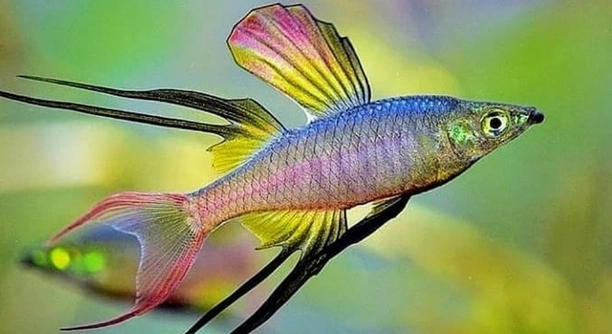
Do your threadfins sometimes act restless or hide more than usual in your aquarium? Sudden changes in their behavior can be linked to noises in their environment that are affecting their comfort and well-being.
Certain sounds in the home, such as loud appliances, construction noise, or music with heavy bass, can stress threadfins. These sounds disrupt their natural environment, alter their swimming patterns, and may lead to increased cortisol levels, ultimately impacting overall health.
Learning which noises are harmful and how to minimize them will help keep your threadfins calm and create a more peaceful tank environment.
Household Appliances
Threadfins are sensitive to vibrations and sudden noises, making household appliances a common source of stress. Washing machines, blenders, and vacuum cleaners produce loud, consistent sounds that can startle them. Even devices that hum quietly can create an uncomfortable environment if placed near the tank. Many fish owners don’t realize how much these noises travel through floors and walls, reaching the aquarium. Over time, constant exposure may cause your threadfins to hide more frequently or stop exploring their tank. Simple adjustments, like relocating the tank away from the kitchen or laundry area, can reduce this stress. Turning appliances on and off gradually or during times when fish are less active helps minimize disruption. Using a tank cover or adding acoustic dampening around the tank area also softens the impact of household sounds. Awareness and small changes in appliance placement can make a notable difference in the comfort of your fish.
Appliances that vibrate or produce loud noise often trigger stress behaviors in threadfins, including erratic swimming and hiding.
Minimizing these noises involves careful observation and tank placement. Choosing quieter machines, running them at low settings, or scheduling them when threadfins are resting can improve their well-being. Additionally, adding insulation or placing the tank on a soft mat reduces vibrations transmitted through surfaces. Regularly checking for signs of stress ensures that the adjustments are effective. This creates a more stable environment and helps your threadfins regain normal activity levels. Over time, fish become more comfortable, exploring their tank confidently. Creating these small but consistent changes protects their health, reduces anxiety, and encourages natural behaviors, resulting in a calmer and more visually appealing aquarium. Monitoring responses to these adjustments is key to maintaining long-term comfort.
Construction and Outdoor Noise
Threadfins are extremely sensitive to sudden loud noises, making nearby construction or outdoor work particularly stressful. Even if the tank is indoors, vibrations and sharp sounds travel easily through walls and floors, causing agitation.
Construction noise, lawn mowers, and leaf blowers create intense vibrations that threadfins perceive as threats. These noises can lead to reduced feeding, erratic swimming, and long-term stress that affects growth and immunity. Frequent exposure can even cause them to hide continuously, reducing their interaction with their environment. Owners often underestimate how much outdoor sounds penetrate their homes. To protect threadfins, consider relocating the tank temporarily, adding sound-dampening materials, or using thick curtains to absorb noise. A quieter surrounding environment supports normal behavior, feeding, and overall health. Additionally, scheduling maintenance or timing the tank exposure away from peak noise hours helps threadfins adapt better. Observing their reactions and gradually introducing background noise can reduce sudden shock, promoting calmness. The consistency of noise reduction techniques plays a major role in helping your fish thrive despite unavoidable external disturbances.
Loud Music and TV
Threadfins can be disturbed by loud music or television sounds. Sudden bursts of bass or high volume can make them swim erratically and hide more than usual, affecting their daily routine.
Continuous exposure to loud audio alters the natural behavior of threadfins. They may stop exploring decorations or feeding normally and instead remain near the tank bottom or corners. Over time, this can lead to stress-related health issues such as weakened immunity or slower growth. Even if the music is enjoyable for humans, threadfins experience it as an unpredictable, intrusive noise. Controlling the volume and avoiding placing the tank near speakers or sound sources helps maintain a calmer environment. Choosing quieter entertainment options or adjusting the tank location ensures that threadfins feel secure and continue their normal activities.
Creating a predictable sound environment is crucial for threadfins. They respond better when background noise is minimal, and their behaviors indicate comfort and safety. Regular observation helps identify which sounds are particularly disruptive, allowing for precise adjustments. Maintaining moderate or low volume levels and limiting sudden shifts in audio intensity encourages natural swimming and social behaviors. Using soft furnishings or insulating materials around the tank area reduces sound vibrations. This proactive approach ensures that threadfins remain healthy, active, and less prone to stress-induced complications, fostering a stable environment in which they can thrive.
Household Foot Traffic
Frequent movement and loud footsteps near the tank can stress threadfins. High-traffic areas often produce vibrations that disturb their normal swimming patterns.
Threadfins are sensitive to vibrations transmitted through floors and walls. Heavy foot traffic can startle them repeatedly, causing hiding, frantic swimming, or reduced feeding. Over time, constant disturbances may affect their growth and overall health. Strategic tank placement in quieter areas or using vibration-absorbing mats helps mitigate the effects of nearby movement. Limiting sudden activity around the tank ensures a more stable environment, reducing stress-induced behaviors and promoting a calm, consistent routine for your fish.
Reducing stress from household movement involves observation and small adjustments. Moving the tank away from hallways or doors, and placing it on a padded or anti-vibration surface, can significantly decrease disturbances. Creating a low-traffic zone around the aquarium encourages threadfins to swim freely and interact with their environment. Additionally, signaling predictable patterns, such as quiet approaches for feeding or maintenance, allows the fish to anticipate human activity without anxiety. Monitoring their responses to these changes ensures that stress levels remain low, supporting long-term health, normal growth, and active behaviors. Consistency is key in maintaining a calm and secure tank environment.
Children Playing Near the Tank
Threadfins can become stressed when children play loudly near their tank. Sudden movements, tapping on the glass, or shouting can startle them and disrupt their normal behavior.
Even gentle play can cause vibrations or noise that threadfins perceive as a threat. Keeping a safe distance and teaching kids to interact quietly around the tank helps maintain a calm environment and reduces stress on the fish.
Door Slamming
Frequent slamming of doors near the aquarium creates sharp noises that can frighten threadfins. This sudden sound triggers hiding, fast swimming, and general agitation.
Loud Phone or Video Calls
Long or loud phone conversations can disturb threadfins if the tank is nearby. The human voice at high volume and constant movement can create stress, leading to reduced feeding or hiding behaviors.
Pets Around the Tank
Pets moving near the aquarium, especially cats or dogs, can stress threadfins. Their presence and sudden actions make the fish feel threatened.
FAQ
How can I tell if my threadfins are stressed by sounds?
Threadfins often show stress through visible changes in behavior. They may hide frequently, swim erratically, or stop feeding properly. You might notice them darting to corners or remaining at the bottom of the tank. Stress can also cause color fading or slower movement. Observing daily routines helps identify unusual patterns caused by noise or vibrations.
Which household sounds are most harmful to threadfins?
Appliances that produce loud humming, vibration, or sudden bursts of noise, such as washing machines, blenders, vacuum cleaners, or kitchen mixers, can disturb threadfins. Television or music played at high volumes also triggers stress. Even minor vibrations from heavy foot traffic near the tank can be harmful over time.
Can outdoor noise affect threadfins?
Yes, sounds from construction, lawn equipment, leaf blowers, or even nearby traffic transmit vibrations through walls and floors. Threadfins interpret these vibrations as threats. Repeated exposure may lead to hiding, reduced feeding, and weakened immunity. Using sound-dampening measures and adjusting tank placement helps mitigate this effect.
Is it okay to have children near the tank?
Children can inadvertently stress threadfins by making sudden movements, tapping on the glass, or shouting near the tank. Teaching children to move calmly and speak softly around the aquarium reduces stress. Creating a safe distance and setting boundaries around the tank is important for maintaining a peaceful environment.
Do loud phone calls or video chats bother threadfins?
Yes, if the aquarium is nearby, prolonged phone conversations or video calls at high volumes can disturb them. Sudden human voices and movement create stress, causing them to hide, swim erratically, or lose interest in feeding. Placing the tank away from loud activity areas helps reduce this impact.
How do other pets affect threadfins?
Cats, dogs, or other pets moving near the aquarium can make threadfins feel threatened. Sudden movements, sniffing around the tank, or pawing at it can lead to hiding, stress-induced erratic swimming, and avoidance of open areas. Limiting pet access to the tank area or using barriers helps maintain a calm environment.
What steps can I take to reduce stress from noises?
Observe the tank daily and note any changes in behavior linked to sounds. Move the tank away from loud appliances, high-traffic areas, or outdoor noise. Use anti-vibration mats, tank covers, or soft furnishings to absorb sound. Keep music, TV, and human voices at moderate levels near the aquarium. Gradually introduce unavoidable background sounds to help fish adapt.
How long does it take for threadfins to recover from stress?
Recovery depends on the severity and duration of stress. Minor disturbances may see improvements within a few days if the environment is quiet. Chronic exposure to loud or sudden noises may take weeks for behavior and appetite to normalize. Consistency in reducing stressors speeds up recovery.
Are there long-term effects if stress continues?
Yes, prolonged stress weakens the immune system, slows growth, reduces appetite, and may shorten lifespan. Persistent hiding or erratic swimming also indicates ongoing distress. Monitoring behavior and addressing stressors promptly is crucial for maintaining healthy, active threadfins.
Can I use soundproofing methods to protect my fish?
Yes, using thick curtains, rugs, padded mats, or acoustic panels around the tank area helps reduce noise transmission. Positioning the aquarium away from walls shared with loud appliances or high-traffic areas further limits exposure. Simple soundproofing can significantly improve fish comfort.
How can I make the tank environment more stable?
Maintain a quiet zone around the aquarium, control nearby sound levels, and avoid sudden vibrations. Consistent feeding schedules, minimal handling, and predictable household activity near the tank support normal behavior. Observing and adjusting based on the threadfins’ reactions ensures long-term well-being.
Is monitoring stress signs important even after adjustments?
Yes, threadfins may still react to subtle noises or vibrations. Regular observation allows early detection of stress. Prompt adjustments to tank placement, sound levels, or surrounding activity help maintain a healthy, calm environment. Keeping a consistent routine enhances recovery and prevents recurring stress episodes.
Can stress affect breeding or growth in threadfins?
Yes, stress interferes with normal feeding, swimming, and social interactions, which can reduce growth rates and impair breeding behaviors. A calm and quiet environment supports natural activity, ensuring threadfins grow well and exhibit healthy reproductive behaviors.
Are all threadfins equally sensitive to sounds?
Individual fish may vary in sensitivity. Some threadfins tolerate moderate noise better, while others are easily startled. Observing each fish’s behavior helps identify which ones need extra care and quieter surroundings, ensuring all threadfins maintain good health and normal activity.
Threadfins are sensitive creatures, and the sounds in their environment can greatly affect their comfort and health. Many common household noises, like washing machines, blenders, or vacuum cleaners, produce vibrations that travel through floors and walls. Even if the noise seems mild to humans, threadfins experience it differently. Loud music, television, or phone calls near the tank can startle them, causing erratic swimming, hiding, or reduced feeding. Outdoor noises, such as construction, lawn mowers, or traffic, can also travel indoors and disturb your fish. Recognizing which sounds trigger stress is important for keeping your threadfins calm. Observing their daily behaviors, such as changes in swimming patterns, feeding habits, or social interaction, helps identify when noise might be causing discomfort. The more attention you give to these signs, the easier it is to create a stable and safe environment.
Making adjustments to the tank’s location can reduce many sources of stress. Placing the aquarium away from high-traffic areas, loud appliances, or external noise helps create a quieter space for your fish. Using sound-dampening materials, such as rugs, padded mats, or curtains, can absorb vibrations and reduce disturbances. Limiting interactions near the tank, especially with children or pets, further ensures that threadfins feel secure. Even minor changes, like lowering the volume of music or television or scheduling noisy activities at times when the fish are resting, make a noticeable difference. Consistency is key, as frequent or unpredictable sounds are more stressful than constant, low-level background noise. By taking these steps, you help your threadfins maintain normal swimming patterns, regular feeding, and active engagement with their environment, which supports overall health and well-being.
Stress from noise can have long-term effects if not addressed. Prolonged exposure may weaken the immune system, slow growth, and even shorten lifespan. Creating a calm environment is not just about comfort—it also protects their health. Regular observation of behavior and responses to sound adjustments allows you to monitor recovery and prevent recurring stress. Over time, threadfins become more confident and active in a quiet and stable tank. Simple practices, such as choosing the right tank location, controlling household noise, and minimizing vibrations, create a safer and more predictable environment. Protecting your threadfins from stressors ensures they stay healthy, active, and display natural behaviors, which makes maintaining your aquarium a more enjoyable and rewarding experience.

Hello,
If you enjoy the content that we create, please consider saying a "Thank You!" by leaving a tip.
Every little bit helps us continue crafting quality advice that supports the health, happiness, and well-being of pets around the world, for pets of all shapes, sizes, and species.
We really appreciate the kindness and support that you show us!