
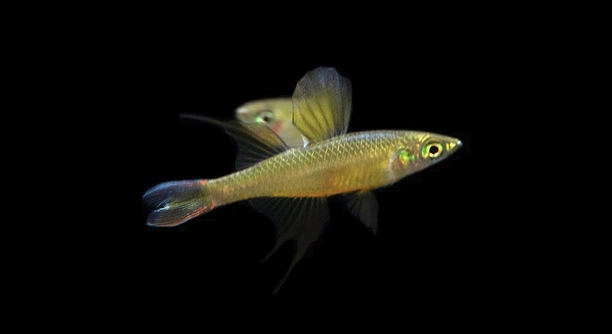
Do you ever notice your Threadfin Rainbowfish swimming together and wonder how they interact? These small, colorful fish are often kept in groups, making their social behavior an interesting topic for aquarists to consider.
Threadfin Rainbowfish are social animals that generally thrive in groups. While they may show temporary signs of stress when isolated, loneliness is uncommon when they are kept with several companions of similar size and temperament.
Understanding their social dynamics can improve care and tank harmony, ensuring these fish remain healthy, active, and vibrant in a community setting.
Understanding Threadfin Rainbowfish Behavior
Threadfin Rainbowfish are active swimmers that enjoy exploring their surroundings. In a group, they often display synchronized movements, swimming together in a coordinated way. This behavior helps them feel secure and reduces stress. Each fish establishes its own space, though they still interact frequently with others. Watching them can be calming because their patterns are consistent and predictable. Tank decorations, plants, and hiding spots encourage natural activity, allowing them to rest or explore. Overcrowding should be avoided, as it can lead to stress and competition. Feeding times can also affect behavior, with more dominant fish sometimes taking the lead. By maintaining clean water and stable conditions, these fish can remain healthy and vibrant. Observing subtle behaviors like color changes or fin movement can indicate their comfort level. Overall, understanding their interactions helps keep the tank peaceful, ensuring that each Threadfin Rainbowfish thrives and maintains natural social behavior patterns.
Keeping them in groups of six or more usually promotes healthier interactions and reduces isolation-related stress.
Monitoring these behaviors closely allows aquarists to adjust tank setups, ensuring every fish feels secure. Understanding their social tendencies helps prevent aggression, encourages natural schooling, and promotes a harmonious environment where all fish remain active and comfortable. Adjusting group size or habitat elements can significantly improve their well-being over time.
Signs of Stress in a Group
Stress signs in Threadfin Rainbowfish can be subtle but noticeable. They may hide more, lose color, or swim erratically when uncomfortable.
Stress often occurs due to poor water quality, inadequate space, or incompatible tank mates. Maintaining clean water, providing enough room, and observing interactions can prevent most stress-related problems. Fish that appear withdrawn may benefit from additional hiding spots or adjusted group sizes. Overcrowding can increase competition for food, which further elevates stress levels. Temperature fluctuations and sudden changes in lighting can also impact comfort. It is important to regularly monitor both physical health and behavior to catch early warning signs. Observing feeding habits and daily activity patterns gives insight into their well-being. By creating a stable and enriching environment, these rainbowfish display natural colors, swim actively, and interact appropriately with one another. Regular checks ensure that each fish in the group remains healthy, reduces the risk of disease, and maintains a peaceful social structure, allowing aquarists to enjoy a vibrant, dynamic tank.
Ideal Group Size for Threadfin Rainbowfish
A group of six to ten Threadfin Rainbowfish works best. Smaller groups may show shyness, while larger groups can create overcrowding. Maintaining a moderate number ensures healthy interaction, reduces stress, and encourages natural swimming behavior.
Groups of six to ten fish create a stable social dynamic where each fish feels secure. Too few fish may result in isolation or timid behavior, while too many can lead to territorial disputes and stress. Adequate space per fish, around 10 gallons each, helps maintain harmony. Observing interactions allows adjustments to the group if some fish appear withdrawn or overly aggressive. Proper feeding schedules and hiding spots support well-being and reduce tension, keeping the group balanced and active.
Keeping this group size helps rainbowfish display natural schooling behaviors, swim freely, and interact with their surroundings. This balance improves health, coloration, and overall activity, creating a peaceful tank environment where all fish thrive without unnecessary stress or competition.
Tank Environment Considerations
A well-planned tank supports their social and physical needs. Space, hiding spots, and gentle filtration are essential. Plants and decorations encourage exploration and reduce tension among fish.
Threadfin Rainbowfish thrive in tanks with stable water parameters and a mix of open swimming areas and covered hiding spots. Gentle filtration avoids strong currents that can stress fish, while live plants and smooth decorations provide shelter and mimic their natural habitat. Maintaining proper temperature, pH, and water quality is vital for health and reduces aggressive behavior. Consistent feeding and regular tank maintenance further promote stability. Observing behavior helps identify environmental stressors, allowing for timely adjustments.
Providing an optimal environment encourages natural behavior, minimizes stress, and supports social interaction. A thoughtfully arranged tank improves health, enhances colors, and keeps the group active, allowing each fish to thrive comfortably in its shared space.
Feeding and Group Dynamics
Regular feeding supports healthy interactions. Balanced diets prevent competition and reduce aggression. Feeding small amounts multiple times a day ensures all fish get proper nutrition.
Offering a mix of flakes, pellets, and occasional live foods keeps Threadfin Rainbowfish active and healthy. Proper feeding routines maintain harmony, reduce stress, and promote vibrant colors across the group.
Monitoring Health in Groups
Observing behavior daily helps spot early signs of illness. Changes in swimming, appetite, or coloration indicate potential problems. Prompt attention keeps the group healthy and prevents issues from spreading, maintaining stability and well-being.
Social Hierarchy
Threadfin Rainbowfish establish gentle hierarchies. Dominance is shown through subtle swimming patterns and positioning within the group.
Understanding these dynamics helps prevent conflicts and ensures that each fish maintains its role. Providing enough space and hiding spots supports peaceful interactions, allowing all fish to coexist comfortably.
FAQ
Can Threadfin Rainbowfish live alone?
Threadfin Rainbowfish are naturally social and do best in groups. Keeping a single fish can lead to stress and timid behavior. While it may survive alone for a time, it will not display natural activity patterns or vibrant coloration, and it may appear withdrawn.
How many Threadfin Rainbowfish should be kept together?
A group of six to ten is ideal. Smaller groups may feel isolated, while larger groups can create competition for space and food. Proper tank size and layout help maintain balance and reduce stress, ensuring the fish interact comfortably and remain active.
Do they show affection toward each other?
They display social interaction rather than affection like mammals. Schooling, synchronized swimming, and gentle chasing indicate comfort within the group. Observing these behaviors helps aquarists recognize that fish are healthy and well-adjusted rather than lonely or stressed.
What are the signs of stress in a group?
Stress can appear as hiding, loss of color, erratic swimming, or refusal to eat. Aggression or excessive chasing may also indicate discomfort. Monitoring daily activity and maintaining proper water quality, temperature, and group size prevents most stress-related problems.
Can tank size affect their social behavior?
Yes. Crowded tanks increase competition and aggression, while too small a group in a large tank may lead to shyness and withdrawal. Providing adequate space, hiding spots, and open swimming areas encourages natural schooling and reduces tension among the group.
How does diet influence group harmony?
Balanced feeding prevents competition and aggression. Offering a variety of flakes, pellets, and live foods in small portions ensures each fish gets proper nutrition. Regular feeding schedules support healthy interactions, vibrant coloration, and consistent energy levels in the tank.
Are Threadfin Rainbowfish compatible with other species?
They can coexist with peaceful fish of similar size. Avoid aggressive or fin-nipping species, as this can disrupt social dynamics. Monitoring interactions ensures harmony. Introducing compatible species gradually helps maintain balance and reduces stress across the group.
Do they need hiding spots even in a group?
Yes. Even in social groups, individual fish need places to retreat. Plants, rocks, and decorations provide shelter, reduce stress, and prevent minor conflicts from escalating, creating a comfortable environment for all fish to thrive.
How can I tell if one fish is being excluded?
A fish that isolates itself, loses color, or shows reduced activity may feel excluded or stressed. Adjusting group size, providing more hiding spots, or redistributing resources like food can help reintegrate the fish and restore harmony.
Is water quality important for group behavior?
Absolutely. Stable water conditions prevent stress and aggression. Poor quality can cause disease, lethargy, and behavioral issues. Regular testing, water changes, and proper filtration are essential for maintaining a healthy and balanced group environment.
How often should I observe my fish?
Daily observation is recommended. Noticing subtle changes in swimming, color, or appetite helps detect problems early. Prompt action ensures the group remains healthy, peaceful, and active, preventing minor issues from becoming serious.
Can Threadfin Rainbowfish get lonely even in a group?
Loneliness is uncommon if the group is of adequate size and tank conditions are stable. Temporary isolation or stress can occur, but regular social interaction, proper environment, and consistent care generally prevent feelings of isolation.
How do I introduce new fish to a group?
Introduce newcomers slowly, ideally using a quarantine tank first. Gradual acclimation prevents aggression and stress. Observing interactions carefully allows adjustment to group dynamics, ensuring a smooth integration without disrupting the existing social structure.
Do they need varied environments to stay active?
Yes. A mix of open swimming areas, plants, and decorations encourages exploration and natural behavior. Variety reduces boredom, supports social interaction, and prevents dominance-related issues, keeping the group lively and healthy over time.
Can illness affect group dynamics?
Sick fish may withdraw, lose color, or become targets of mild chasing. Prompt treatment and isolation when necessary prevent disruption and protect the rest of the group. Healthy fish maintain normal activity and social interaction when illnesses are addressed quickly.
How long do Threadfin Rainbowfish typically live?
With proper care, they live around five to eight years. Stable group dynamics, clean water, balanced diet, and a well-planned tank environment contribute to longevity and ensure they remain active and socially healthy throughout their lifespan.
Do males and females interact differently in a group?
Yes. Males may display brighter colors and perform gentle chasing during breeding or dominance displays. Females generally stay more subdued. Observing these interactions helps distinguish natural social behaviors from stress or aggression.
Can overcrowding lead to long-term problems?
Overcrowding increases stress, reduces color vibrancy, and may trigger illness. Adequate space per fish and a properly sized group prevent chronic stress and maintain healthy social interaction, ensuring that all individuals thrive in the tank environment.
How do I maintain a peaceful group over time?
Monitor behavior, provide sufficient space, maintain water quality, feed consistently, and offer hiding spots. Adjust group size if needed. Regular observation and proactive care ensure that Threadfin Rainbowfish remain active, healthy, and socially balanced for years.
This FAQ covers the key aspects of group care, social behavior, and environment for Threadfin Rainbowfish, helping to maintain a peaceful and healthy tank community.
Threadfin Rainbowfish are small, active fish that do well in groups. They are naturally social and show the most vibrant colors and natural behaviors when kept with several companions. A group of six to ten fish is usually ideal, as this allows them to interact, school, and feel secure. Smaller groups can make individual fish shy or withdrawn, while larger groups may create competition and stress if the tank is not large enough. Observing their behavior helps aquarists understand their comfort level, especially during feeding, swimming, and resting. A balanced group in a properly maintained tank tends to remain peaceful and active, which makes caring for them more rewarding.
Maintaining the right tank environment is equally important. Threadfin Rainbowfish benefit from a combination of open swimming areas and hiding spots. Live plants, smooth decorations, and gentle filtration contribute to a comfortable habitat. Regular monitoring of water parameters, including temperature, pH, and cleanliness, is crucial to prevent stress and disease. Feeding a variety of flakes, pellets, and occasional live foods in small, consistent portions helps support natural behavior and reduce competition. Observing how the fish interact during feeding and daily activity provides insight into their social dynamics. Adjusting the tank layout or group size when necessary can improve harmony and make sure all fish are comfortable in their environment.
Overall, Threadfin Rainbowfish are lively, engaging fish that show the best behavior when cared for thoughtfully. Social interaction within a well-sized group encourages natural swimming patterns, displays of color, and active engagement with their surroundings. Avoiding overcrowding, maintaining clean water, providing proper nutrition, and offering a suitable environment ensures that these fish thrive. Paying attention to subtle signs of stress or illness and making adjustments when needed helps maintain a peaceful tank community. With consistent care, Threadfin Rainbowfish can remain healthy, active, and visually stunning for many years, creating an enjoyable and harmonious experience for anyone keeping them in a home aquarium.

Hello,
If you enjoy the content that we create, please consider saying a "Thank You!" by leaving a tip.
Every little bit helps us continue crafting quality advice that supports the health, happiness, and well-being of pets around the world, for pets of all shapes, sizes, and species.
We really appreciate the kindness and support that you show us!