
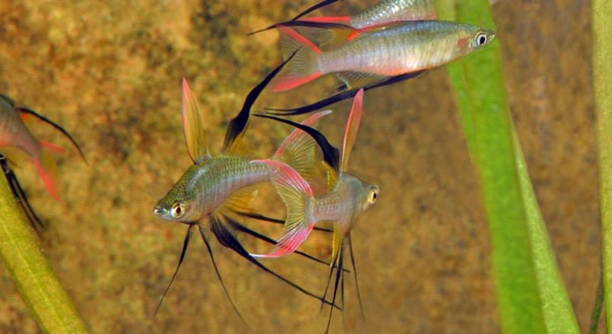
Threadfin Rainbowfish are small, colorful freshwater fish often kept in home aquariums. Their vibrant appearance makes them popular among hobbyists who enjoy creating lively, healthy aquatic environments for their pets. Caring for them properly is essential.
Threadfin Rainbowfish can be shipped safely when proper temperature control, secure packaging, and careful handling are ensured. Maintaining stable water conditions and minimizing stress during transit significantly reduces the risk of injury or mortality, supporting their safe delivery to aquarists.
Learning the correct shipping methods can help maintain these fish’s health. Understanding proper care during transit ensures they arrive safely and remain vibrant in their new home.
Why Threadfin Rainbowfish Need Careful Shipping
Threadfin Rainbowfish are delicate and sensitive to changes in their environment. Sudden temperature shifts, rough handling, or poor water quality can cause stress or illness during shipping. Even though they are hardy compared to some species, their small size makes them vulnerable to injuries. Proper preparation before shipping is essential to ensure they survive and remain healthy. Choosing a reliable shipping method and ensuring the water is clean and oxygenated can greatly reduce stress. Many fish sellers use insulated containers and gel packs to maintain temperature stability. Additionally, packing fish individually or in small groups helps prevent overcrowding, which can lead to fighting or physical damage. Monitoring the shipping process when possible and using reputable carriers ensures that the fish are not left in extreme conditions for long periods. Taking these precautions shows respect for the well-being of the fish and increases the chances of their safe arrival.
Proper water quality and temperature are the most important factors for safe shipping.
Handling Threadfin Rainbowfish correctly starts with proper acclimation before packaging. Using high-quality water and keeping the fish in stable conditions minimizes stress. It is important to avoid overcrowding, as this can lead to injuries. Small, secure containers prevent excessive movement during transport, reducing harm. Adding oxygen to the container and maintaining moderate temperatures ensures they survive the trip. Many aquarists prefer using insulated boxes with gel packs to prevent rapid temperature changes. Keeping shipping times as short as possible is critical for their safety. Communication with the seller or carrier helps confirm conditions during transport. Checking the fish immediately upon arrival ensures any issues can be addressed quickly. While shipping fish always carries some risk, careful preparation and attention to detail make it much safer. Understanding these steps improves the fish’s survival rate and keeps them healthy for their new home aquarium.
Choosing the Right Shipping Method
Selecting a reliable carrier is key for safe delivery.
Different shipping options offer varying levels of safety for Threadfin Rainbowfish. Overnight or express shipping is generally preferred, as shorter transit times reduce stress. Temperature-controlled boxes or insulated containers help maintain stable water conditions, while extra padding prevents movement that could injure the fish. Some carriers specialize in live animal transport and understand the needs of delicate fish. It is also important to schedule shipments during moderate weather conditions to avoid extreme heat or cold. Tracking the package allows you to monitor progress and plan for quick acclimation upon arrival. Always confirm the shipping requirements with the seller, including how the fish are packaged and any additional precautions. Proper communication ensures that both the shipper and carrier understand the care required. By selecting the right method, you significantly reduce the risks associated with shipping Threadfin Rainbowfish.
Reputable carriers often provide detailed instructions for shipping live fish safely.
Using a reliable shipping method involves more than just choosing the fastest option. The type of container, packing materials, and water conditions all play crucial roles. Insulated boxes prevent rapid temperature changes, while gel packs help maintain a stable environment. Fish are usually placed in small plastic bags filled with water and oxygen, then sealed securely. Packing multiple layers of protection ensures that the fish do not get jostled or stressed. Communication with the carrier about handling and delivery expectations is vital. Short transit times reduce exposure to stressors and improve survival rates. Some carriers are trained to handle live animals, making them better suited for transporting delicate species. By combining careful packing, proper water management, and a reliable carrier, the risk of shipping-related problems is minimized. Following these steps gives Threadfin Rainbowfish the best chance to arrive healthy, active, and ready for their new home aquarium.
Preparing Threadfin Rainbowfish for Shipping
Proper acclimation before shipping is essential. Fish should be healthy, well-fed, and free of stress. Avoid sudden changes in water conditions or temperature.
Acclimating Threadfin Rainbowfish means gradually adjusting them to the water conditions they will experience during shipping. This includes temperature, pH, and general water quality. Fish should be observed for any signs of stress or disease before packaging. Feeding should be done lightly to avoid excess waste during transit. Using clean, dechlorinated water in the shipping container reduces the risk of contamination. Preparing them carefully ensures they are more resilient during the trip. Proper acclimation can prevent illness and increase survival rates, making the process smoother and safer for the fish.
When packaging the fish, small groups or individual bags work best. Bags should be filled with sufficient oxygen and sealed tightly. Placing the bags in insulated containers with padding reduces movement and protects them from temperature fluctuations. Extra care should be taken to avoid overcrowding, which can lead to stress or physical injury. Checking water conditions one last time before sealing ensures stability. Preparing the shipping container carefully demonstrates attention to the fish’s needs. Taking these precautions maximizes the chance they will arrive in good health and ready to settle into their new aquarium.
Acclimating Threadfin Rainbowfish After Shipping
Introduce fish gradually to new aquarium water to reduce stress. Open the bag and float it for temperature adjustment.
After receiving Threadfin Rainbowfish, acclimation is critical. Start by floating the sealed bag in the aquarium for about 15–20 minutes to equalize temperature. Slowly add small amounts of aquarium water to the bag over the next 30–45 minutes. This helps the fish adjust to the pH, hardness, and other water parameters gradually. Avoid pouring the bag water directly into the tank, as it may contain contaminants. Observing the fish during acclimation ensures they adapt properly without signs of stress. Taking time with this process improves their health and readiness for the new environment.
Removing the fish from the bag carefully prevents injury. Gently net each fish and place it into the aquarium. Ensure there is minimal handling, as squeezing or dropping can cause harm. Monitor behavior for the first few hours; fish may hide or swim cautiously as they adjust. Providing plants or decorations can offer shelter and reduce stress. Feeding should be light for the first day, allowing the fish to settle comfortably. Observing their interaction with the new environment helps ensure they adapt well. A slow and patient acclimation process guarantees healthier, more active Threadfin Rainbowfish ready to thrive in their new home.
Choosing the Right Packaging Materials
Use strong, leak-proof bags to prevent water spills. Oxygen should be added to support the fish during transit.
Insulated containers help maintain stable temperatures. Padding around the bags prevents excessive movement and reduces stress.
Monitoring Conditions During Shipping
Keeping an eye on temperature and delivery times ensures the fish remain healthy. Rapid changes in temperature or delays can increase stress and risk of injury. Communicating with the carrier about handling instructions and expected delivery helps maintain safe conditions.
Common Shipping Mistakes to Avoid
Overcrowding in bags is a major risk. Too many fish together can cause stress, fighting, or physical damage. Avoiding this ensures safer shipping.
Timing Shipments Correctly
Shipping during extreme weather should be avoided. Early morning or late evening shipments prevent exposure to high or low temperatures.
FAQ
How long can Threadfin Rainbowfish survive during shipping?
Threadfin Rainbowfish can survive for several hours to a day if packed correctly. The key factors are water quality, oxygen levels, and stable temperature. Short transit times reduce stress and increase survival rates. Using insulated containers and oxygen-filled bags significantly improves their chances. Avoid long delays or extreme conditions.
Can I ship them in tap water?
No, tap water can contain chlorine or other chemicals harmful to fish. Always use dechlorinated or conditioned water to prevent stress or death. Proper water quality is essential for maintaining health during shipping, even for short trips.
Do I need to feed them before shipping?
Feed lightly or not at all 12–24 hours before shipping. Excess food can decay and pollute the water, causing ammonia spikes. Well-fed but not overfed fish are more resilient and less stressed during transport.
Is it necessary to use insulated containers?
Yes. Insulated containers protect the fish from temperature fluctuations. Extreme heat or cold can be fatal. Adding gel packs or heat packs depending on season helps maintain a stable environment. Insulation also reduces shocks caused by movement.
Can I ship multiple fish in one bag?
Small groups are okay if the bag is large enough and oxygen levels are adequate. Overcrowding causes stress, fights, and injuries. Ideally, pack fish in small groups or individually to minimize risk.
How should I acclimate fish after shipping?
Float the sealed bag in the aquarium for 15–20 minutes to equalize temperature. Slowly add small amounts of tank water over 30–45 minutes. Gently net fish into the tank to avoid adding bag water. Observe them for stress and allow hiding spaces.
What should I do if a fish looks stressed after shipping?
Stress is normal initially. Ensure water parameters are correct, provide hiding spots, and avoid feeding heavily. If stress persists or signs of disease appear, treat water conditions and consider quarantine. Reducing handling and keeping a calm environment aids recovery.
Is overnight shipping necessary?
Yes, faster shipping reduces time in transit, limiting stress and the risk of injury or illness. Express or overnight shipping is preferred, especially for longer distances or extreme weather conditions.
Can I reuse packaging for another shipment?
No, always use clean, leak-proof bags and containers. Reused materials may carry bacteria or residual chemicals that harm the fish. Proper packaging is crucial for safe shipping every time.
Are Threadfin Rainbowfish hardy enough for long-distance shipping?
They are relatively hardy for small freshwater fish but still sensitive to environmental changes. With correct packing, oxygen, and temperature control, they can handle long distances, but careful preparation is essential. Avoid unnecessary delays to ensure their safety.
What should I check immediately after receiving them?
Check for active swimming, intact fins, and normal coloration. Observe for signs of stress or disease. Adjust tank temperature if necessary, provide hiding spots, and refrain from heavy feeding until fish settle in. Early observation helps catch potential issues before they escalate.
Can I ship them in cold weather?
Avoid extreme cold. Fish can be harmed by freezing temperatures. Use insulated containers and heat packs if needed. Schedule shipments during moderate weather or use express delivery to limit exposure. Proper precautions prevent temperature-related stress or mortality.
How do I handle delayed shipments?
If a shipment is delayed, ensure the carrier keeps the package stable and at the correct temperature. Notify the sender or carrier immediately. Prepare the tank for quick acclimation upon arrival. Minimize handling and provide a calm environment to reduce stress.
Do I need to quarantine them after shipping?
Yes, quarantine for 1–2 weeks is recommended. This prevents introducing diseases to established fish and allows observation of any post-shipping stress effects. Monitor behavior, water parameters, and health carefully before mixing with other fish.
Can oxygen levels run out during shipping?
Yes, which is why properly filling the bag with oxygen or using oxygen tablets is important. Fish can survive longer without water movement if oxygen is sufficient. Always ensure bags are sealed and properly prepared to maintain oxygen until delivery.
Is it safe to ship during summer or winter?
Shipping in extreme temperatures increases risk. Use insulated containers with heat or cold packs, and choose express delivery. Avoid prolonged exposure to outside conditions, and monitor seasonal weather patterns when planning shipments. Proper preparation ensures safe arrival.
How do I prevent water spillage during shipping?
Use strong, leak-proof bags and secure them in padded containers. Fill bags only partially to allow movement without overflowing. Proper sealing, padding, and careful handling during transport prevent spills and protect the fish.
Are there any signs of fatal stress during shipping?
Signs include gasping at the surface, clamped fins, lethargy, or erratic swimming. Immediate intervention is needed after arrival, including adjusting water parameters and isolating stressed fish. Quick response can sometimes prevent death or further complications.
Can I ship them internationally?
International shipping is possible but requires careful planning. Ensure compliance with import regulations, use express carriers, and maintain water quality, oxygen, and temperature control. Longer transit times increase stress, so proper preparation is even more critical for safe international transport.
How long after shipping can I feed them normally?
Wait at least 12–24 hours before regular feeding. Initial light feeding may be done after acclimation, but overfeeding too soon can stress the fish or pollute the water. Allow them to settle and adjust to the new environment first.
What is the most common mistake when shipping Threadfin Rainbowfish?
The most common mistake is poor preparation: overcrowded bags, unstable temperature, or lack of oxygen. Careful planning, proper packaging, and monitoring transit conditions prevent most shipping problems and improve survival rates. Proper care ensures healthy, active fish after arrival.
Final Thoughts
Shipping Threadfin Rainbowfish safely requires careful preparation and attention to detail. These fish are small and delicate, and even minor changes in their environment can cause stress. Ensuring water quality, proper temperature, and sufficient oxygen is essential for their survival during transit. Choosing the right packaging materials, such as strong leak-proof bags and insulated containers, can protect the fish from sudden changes and physical damage. Adding padding around the bags helps prevent excessive movement, which can reduce stress and prevent injuries. Careful preparation before shipping, combined with using a reliable carrier, significantly increases the chances that the fish will arrive healthy and ready to thrive in their new aquarium.
Acclimation after shipping is just as important as preparation before. Threadfin Rainbowfish should be introduced to their new tank slowly, allowing them to adjust to the water conditions gradually. Floating the bag in the tank for 15–20 minutes and then slowly adding small amounts of tank water over the next 30–45 minutes helps them adapt without shock. Minimizing handling and providing hiding spaces in the tank reduces stress and supports recovery. Observing the fish carefully during this period ensures that any signs of illness or stress are addressed quickly. Feeding should be light for the first day or so to allow the fish time to settle. Taking these steps helps maintain their health and encourages them to adjust well to their new home.
Planning the shipping process carefully is key to reducing risks. Short transit times, proper insulation, and stable water conditions are the most important factors for survival. Avoid shipping during extreme temperatures or leaving the fish in transit for longer than necessary. Communication with the carrier and the seller ensures that handling and delivery instructions are followed, and any potential delays are addressed. Quarantining fish after arrival allows observation for stress or illness before introducing them to an established tank. By paying attention to these details, shipping Threadfin Rainbowfish can be done safely, resulting in healthy, active fish that are ready to enrich your aquarium. Following best practices for preparation, shipping, and acclimation ensures the well-being of these fish and provides peace of mind for anyone bringing them into a new home.

Hello,
If you enjoy the content that we create, please consider saying a "Thank You!" by leaving a tip.
Every little bit helps us continue crafting quality advice that supports the health, happiness, and well-being of pets around the world, for pets of all shapes, sizes, and species.
We really appreciate the kindness and support that you show us!