
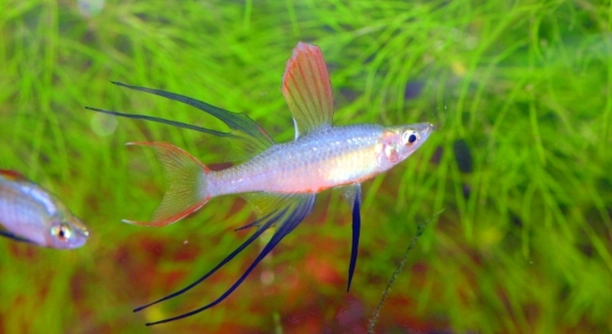
Threadfin Rainbowfish are lively, colorful fish that brighten any freshwater aquarium. They are sensitive creatures, and their well-being can be affected by small changes in their environment overnight. Observing their behavior helps ensure a happy tank.
Several factors can stress Threadfin Rainbowfish overnight, including sudden changes in water temperature, poor water quality, inadequate hiding spots, loud noises, aggressive tank mates, inconsistent feeding schedules, and overcrowding. Each factor impacts their physiological and behavioral stability, potentially affecting their health.
Knowing what disturbs them at night is important for maintaining a peaceful and balanced aquarium environment, allowing your Threadfin Rainbowfish to thrive and remain active.
Sudden Changes in Water Temperature
Threadfin Rainbowfish are highly sensitive to even small fluctuations in water temperature. A sudden drop or rise overnight can shock their system, causing stress and erratic behavior. Many hobbyists do not realize that nighttime temperatures often fall, especially in rooms without stable heating. Even a few degrees of change can affect their metabolism, reducing appetite and making them less active. Consistency is key. Using a reliable aquarium heater with a thermostat helps maintain a stable temperature, usually between 74°F and 78°F, which is ideal for these fish. Additionally, avoid placing the tank near windows or vents where drafts can cause rapid cooling. Monitoring the temperature regularly, especially during seasonal changes, prevents stress-related health problems and ensures your fish remain comfortable throughout the night. Observing your fish for signs of discomfort, such as hiding or clamped fins, can indicate temperature issues. Adjusting the environment gradually is always safer than sudden changes, keeping the Rainbowfish calm and healthy.
Maintaining a steady water temperature prevents night stress, ensuring your Rainbowfish stay active and healthy without sudden shocks.
Stable nighttime temperatures create a peaceful habitat, allowing Threadfin Rainbowfish to rest and thrive. Consistent warmth reduces metabolic stress, supports proper digestion, and encourages natural behaviors. Fish that experience stable conditions are less prone to illness and more likely to display vibrant colors and energetic swimming patterns. Over time, a calm environment strengthens their immune system, helping them handle minor changes without stress. Simple adjustments, like using a heater and avoiding drafts, make a noticeable difference in their overall well-being, showing that prevention is more effective than recovery. Regularly checking the thermometer helps catch any potential issues before they escalate, keeping the aquarium balanced.
Poor Water Quality
Poor water quality can quickly affect Threadfin Rainbowfish overnight. High ammonia, nitrite, or nitrate levels cause stress, affecting their health and behavior. Regular water testing and partial water changes are essential for maintaining a safe environment.
Consistently clean water ensures your Rainbowfish remain active, colorful, and healthy while reducing the risk of disease and stress.
Maintaining excellent water quality requires daily attention to filtration, regular testing, and consistent water changes. These fish produce waste that, if left unchecked, raises ammonia and nitrate levels, which are toxic. A high-quality filter suited for your tank size helps remove debris and keeps the water oxygenated. Testing kits allow you to monitor pH, hardness, and other important parameters, ensuring a balanced environment. Partial water changes, usually 20–30% weekly, dilute toxins and restore stability. Avoid overfeeding, as leftover food decomposes and increases pollutants. Observing fish behavior can also indicate water quality issues—lethargy, gasping at the surface, or faded colors are warning signs. Maintaining a routine helps prevent overnight stress caused by deteriorating water, keeping your Rainbowfish safe and thriving in a stable, clean habitat.
Inadequate Hiding Spots
Threadfin Rainbowfish need places to feel secure. Without plants, caves, or decorations, they may feel exposed and stressed, especially overnight when activity is lower. Providing shelters encourages natural behavior and reduces anxiety in the tank.
Creating hiding spots is essential for these fish. Live plants like Java fern or Anubias, driftwood, and small caves give them areas to retreat when they feel threatened. Overhead lighting or bright room lights at night can make them nervous if no cover exists. They often use these spaces to rest safely and recover from daily activity. A tank that lacks such shelter may see fish darting frantically or clamping fins, which are clear signs of stress. Arranging hiding areas throughout the tank helps them choose comfortable spots according to their mood and hierarchy. Even small, simple structures can make a noticeable difference, allowing Rainbowfish to feel secure and move confidently.
When the tank has multiple hiding spots, aggression decreases. Fish establish personal space, sleep better at night, and interact naturally during the day, improving overall tank harmony and reducing stress levels.
Aggressive Tank Mates
Aggressive fish can intimidate Threadfin Rainbowfish, causing stress and injury. Peaceful companions are necessary to maintain a calm environment and allow Rainbowfish to swim freely without fear.
Having aggressive species in the same tank often results in chasing, nipping, or cornering Rainbowfish. These encounters increase cortisol levels, reduce appetite, and may cause long-term health problems. Even small signs of aggression can be disruptive overnight when Rainbowfish feel more vulnerable. Choosing compatible tank mates, such as other small, non-aggressive community fish, reduces conflict. Observing interactions carefully helps determine whether species coexist peacefully or need separation. Providing plants, rocks, and open swimming areas also lessens encounters. Creating a structured environment allows Rainbowfish to escape unwanted attention and reduces overall stress.
Stress from aggressive companions can lead to faded colors and lethargy. Balanced tank composition and thoughtful placement of decorations prevent dominance disputes, giving Rainbowfish space to thrive and remain active. Continuous monitoring ensures compatibility, making the aquarium safer and more enjoyable for all inhabitants.
Inconsistent Feeding Schedules
Threadfin Rainbowfish rely on a routine for their well-being. Skipping meals or feeding at different times can cause stress and affect their digestion. Keeping a consistent schedule helps them stay healthy and active.
Providing small, regular portions prevents overeating and reduces uneaten food in the tank. Consistency signals a stable environment, making them more confident and less anxious.
Overcrowding
Too many fish in a tank increases competition for space and resources. Overcrowding causes stress, aggression, and poor water quality, which directly impacts Rainbowfish health.
Maintaining an appropriate number of fish per gallon ensures adequate swimming space and reduces stress. Overcrowding also limits oxygen levels and makes hiding spots scarce. A properly stocked tank allows each fish to establish territory, swim freely, and feed without constant competition. This balance minimizes aggressive encounters and promotes calm nighttime behavior. Observing interactions and adjusting population or tank size helps prevent long-term stress and keeps the fish vibrant and energetic.
Loud Noises
Threadfin Rainbowfish are sensitive to vibrations and loud sounds. Sudden noises from the room or nearby construction can startle them and cause stress.
How can I tell if my Threadfin Rainbowfish is stressed overnight?
Stress in Threadfin Rainbowfish often shows through changes in behavior and appearance. They may hide more than usual, swim erratically, or clamped their fins close to their bodies. A loss of appetite or faded colors can also indicate stress. Observing these patterns consistently can help you identify environmental or social issues that need adjustment.
What is the ideal tank temperature for Threadfin Rainbowfish?
The optimal water temperature for these fish is between 74°F and 78°F. Sudden fluctuations outside this range can cause stress and affect their metabolism. Using a reliable heater and checking the temperature regularly helps maintain stability, especially during colder nights or seasonal changes. Gradual adjustments are safer than sudden changes.
How often should I perform water changes?
Partial water changes of 20–30% weekly are recommended to maintain water quality. Frequent testing of ammonia, nitrite, nitrate, and pH ensures the tank remains safe. Poor water quality is a major source of stress, so keeping the environment clean helps prevent illness and promotes natural behavior.
What types of hiding spots are best for Rainbowfish?
Live plants, small caves, and driftwood provide safe spaces. These hiding spots allow fish to rest and feel secure, reducing stress. Arranging shelters throughout the tank gives them options to retreat from bright lights or other fish. Even minimal coverage can significantly improve their comfort.
Which tank mates are compatible with Threadfin Rainbowfish?
Peaceful, small community fish work best. Avoid aggressive species that chase or nip at them. Compatible tank mates reduce stress, allow natural swimming behavior, and encourage social interaction without fear. Structured environments with plants and swimming space also minimize conflicts.
How should I manage feeding schedules?
Feed Rainbowfish small portions once or twice daily at consistent times. Irregular feeding can stress fish and cause digestive issues. Overfeeding should be avoided because leftover food can pollute the water, affecting both water quality and fish health. Consistency improves comfort and routine behavior.
What tank size is suitable to prevent overcrowding?
A minimum of 20 gallons for a small group is recommended. Overcrowding increases competition for space, oxygen, and food, causing stress and aggression. Proper stocking ensures each fish has room to swim freely, reduces conflict, and allows them to rest safely overnight.
How can I minimize stress from loud noises?
Keep the aquarium in a quiet, low-traffic area. Sudden sounds from construction, loud music, or tapping on the tank can startle Rainbowfish. Using a tank cover or positioning the aquarium away from walls that transmit vibrations helps reduce nighttime disturbances. Consistency in the environment supports calm behavior.
What signs show that water quality might be causing stress?
Cloudy water, strong odors, and visible algae growth often indicate poor water conditions. Behavior changes like gasping at the surface or lethargy also suggest stress. Testing water parameters regularly and performing partial water changes prevents these problems. Maintaining balance supports long-term health.
Can lighting affect my Rainbowfish at night?
Bright or constant lighting can disturb sleep and increase stress. Dim lights or turning off aquarium lights overnight allows natural rest patterns. Providing areas with shade or dense plants helps Rainbowfish feel secure during the night, reducing anxiety and promoting recovery.
Are there behavioral signs that indicate aggression from tank mates?
Chasing, nipping, or cornering Rainbowfish are clear signs of aggression. This behavior raises stress hormone levels, affects appetite, and may result in injuries. Observing interactions and separating aggressive fish or adding additional hiding spots can restore peace and safety in the tank.
How important is a regular observation routine?
Daily observation helps catch subtle signs of stress early, from color changes to unusual swimming. Early intervention prevents health problems and ensures environmental issues like temperature shifts, poor water quality, or aggressive companions are corrected promptly. Consistent monitoring is key to keeping Rainbowfish healthy and calm.
What role does diet play in stress reduction?
Providing a varied diet with high-quality flakes, pellets, and occasional live or frozen foods ensures proper nutrition. Malnutrition or sudden changes in diet can stress fish. Balanced feeding supports immune function, energy levels, and coloration, making them more resilient to environmental stressors.
Can seasonal changes affect my Threadfin Rainbowfish?
Yes, temperature and light changes with the seasons can disturb their routine. Using heaters in winter and consistent lighting schedules year-round helps reduce stress. Gradual adjustments rather than sudden changes maintain comfort, prevent behavioral issues, and support long-term health.
How do I know if hiding spots are sufficient?
If Rainbowfish are constantly darting or crowding into one area, there may not be enough shelter. Proper distribution of plants, caves, and driftwood allows each fish to claim a safe space, reducing nighttime stress and promoting natural activity.
Is overcrowding the main cause of nighttime stress?
Overcrowding is a significant factor but often works with poor water quality or lack of hiding spots. Proper tank size, population control, and environmental enrichment together prevent stress and support peaceful, healthy behavior in the tank.
What is the best way to reduce sudden environmental changes?
Introduce new elements gradually, whether adding decorations, changing water parameters, or adjusting lighting. Sudden shifts can shock Rainbowfish, causing stress and illness. Slow, careful adjustments allow fish to adapt naturally without panic.
Threadfin Rainbowfish are beautiful, lively fish that bring life and color to any freshwater aquarium. Their bright colors and energetic swimming patterns make them a joy to watch. However, these fish are sensitive, and their well-being depends on a stable and comfortable environment. Even small changes in temperature, water quality, or tank setup can create stress, especially overnight when the tank is quieter and fish are more vulnerable. Providing a consistent routine and a well-maintained habitat helps them feel secure and reduces the chances of behavioral problems or illness. Paying attention to their needs and observing them regularly can prevent minor issues from becoming serious problems.
Creating the right environment for Rainbowfish involves multiple factors. Water temperature should remain stable, ideally between 74°F and 78°F, and fluctuations should be minimized. Water quality is crucial; regular testing and partial water changes prevent ammonia, nitrite, and nitrate levels from reaching harmful levels. Tank decorations, such as live plants, driftwood, or small caves, provide necessary hiding spots and reduce stress by giving fish places to retreat. The right tank mates are also important—peaceful community fish work best, as aggressive species can intimidate Rainbowfish and cause ongoing stress. Overcrowding should be avoided, and consistent feeding routines should be followed to maintain proper nutrition and minimize anxiety. Even lighting and noise levels can affect their comfort, so placing the tank in a quiet area with dim nighttime lighting helps support a calm environment.
When all of these factors are considered together, Rainbowfish thrive in a balanced and stable habitat. They display more vibrant colors, remain active, and are less prone to illness. Observing their behavior regularly, such as swimming patterns, fin condition, and appetite, allows for early detection of stress or health concerns. Maintaining this level of care ensures that your fish enjoy a peaceful environment, particularly overnight when stress is more likely to occur. By being mindful of water quality, tank setup, social dynamics, feeding, and overall stability, you create a supportive home where Threadfin Rainbowfish can live comfortably and safely. Consistent care and attention go a long way in fostering healthy, happy fish that bring lasting enjoyment to your aquarium.

Hello,
If you enjoy the content that we create, please consider saying a "Thank You!" by leaving a tip.
Every little bit helps us continue crafting quality advice that supports the health, happiness, and well-being of pets around the world, for pets of all shapes, sizes, and species.
We really appreciate the kindness and support that you show us!