
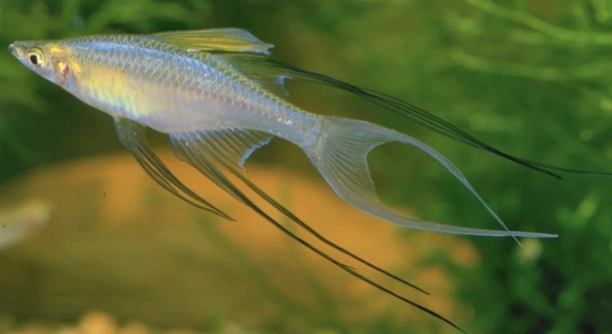
Do you enjoy watching the vibrant colors of your Threadfin Rainbowfish swimming through the tank, but sometimes notice one lingering alone in a corner? These peaceful fish thrive in social environments and their behavior can reveal much about their well-being.
Threadfin Rainbowfish can experience stress and depressive-like behavior when kept in isolation. Social interaction is essential for their mental health, as lack of companionship may lead to lethargy, reduced appetite, and diminished activity levels in solitary individuals.
Observing their daily interactions and ensuring companionship can make a significant difference in their overall happiness and health in your aquarium.
Signs of Depression in Threadfin Rainbowfish
When a Threadfin Rainbowfish is feeling stressed or depressed due to isolation, certain behaviors become noticeable. They may swim sluggishly or stay near the bottom of the tank for long periods. Appetite changes are common, with some fish refusing food entirely. Color fading is another indicator, as vibrant hues often dull when a fish experiences stress. Additionally, isolated fish may avoid interacting with tank decorations or other species in a community setup. These changes in activity and appearance can happen gradually, making it important to monitor fish regularly. Small adjustments in tank conditions, such as water quality and temperature, are not enough to address the root of depressive behavior. Providing social interaction is crucial, as Threadfin Rainbowfish are naturally schooling fish. By recognizing these signs early, owners can take steps to improve their fish’s environment, supporting both mental and physical health. Consistent observation is the key to preventing long-term stress-related issues.
Isolation affects fish behavior in noticeable ways, including lethargy and lack of social engagement.
Ensuring multiple individuals are kept together allows natural schooling behaviors to emerge. Regular observation helps detect early signs of depression, while maintaining stable water conditions supports overall well-being. By prioritizing social interaction, owners can help their Threadfin Rainbowfish regain energy, appetite, and vibrant coloration, fostering a healthier aquarium environment.
Preventing Isolation Stress
Keeping Threadfin Rainbowfish in groups of at least six individuals helps maintain their natural social structure and reduces stress.
A well-planned tank with companions allows these fish to exhibit normal behaviors, including schooling, playful swimming, and foraging. Social interaction also stimulates mental engagement and reduces chances of depression.
Monitoring group dynamics is important, as dominance or bullying can occur. Introduce new fish gradually and provide sufficient space and hiding spots to avoid overcrowding. Balanced feeding schedules and stable water parameters support overall health. Regularly observing interactions ensures that all fish are active and showing normal coloration. Avoid prolonged solitary confinement, as it may lead to long-term stress, reduced immunity, and vulnerability to illness. By keeping Threadfin Rainbowfish in compatible groups and providing proper care, owners can foster a lively and healthy aquarium that supports both physical and mental well-being, creating an environment where these colorful fish thrive naturally and display their full vibrancy.
Environmental Enrichment
Adding plants, rocks, and hiding spots keeps Threadfin Rainbowfish active and reduces stress. Variety in the tank encourages exploration, natural behaviors, and mental stimulation, which helps prevent depressive tendencies in isolated fish.
Providing floating plants and open swimming areas allows fish to interact with their surroundings naturally. Changing decorations occasionally keeps the environment interesting. Light adjustments and gentle water movement simulate natural habitats, encouraging activity and reducing boredom. Interactive feeding methods, such as scattering food or using feeding rings, engage the fish physically and mentally. A stimulating environment promotes vibrant coloration and healthier behavior patterns. Enrichment is essential, especially when introducing new fish to a tank. Regularly assessing the tank’s layout ensures all fish have access to safe areas.
Environmental enrichment also prevents dominance issues. In a complex tank, shy or smaller individuals can retreat and regain confidence. This promotes balance, social stability, and reduces stress-related health problems. Enrichment is a critical part of responsible fish care, supporting both mental and physical well-being for all Threadfin Rainbowfish.
Social Interaction and Grouping
Threadfin Rainbowfish thrive in groups, ideally six or more. Isolation disrupts schooling behavior, causing stress and behavioral issues.
A properly sized group promotes natural swimming patterns and reduces aggression. Schooling provides a sense of security, helping fish feel safe. Each fish has a role in the group, and social engagement encourages regular activity, healthy feeding, and vibrant coloration. Monitoring behavior ensures no individual is overly dominant or stressed. Grouping works best with similar-sized fish to prevent bullying. Adding new fish gradually allows the group to adjust, maintaining harmony. A cohesive school minimizes isolation stress, ensuring mental and physical health.
Maintaining consistent group dynamics requires attention. Observation is necessary to detect early signs of aggression or depression. Providing adequate space, hiding spots, and stable water conditions prevents overcrowding and tension. Regular monitoring of feeding ensures all fish receive nutrition. Balanced lighting and enrichment further enhance group cohesion, stimulating natural behaviors. Social interaction is critical for Threadfin Rainbowfish, as it directly influences longevity, energy levels, and overall well-being. Proper group management reduces stress, prevents illness, and helps these fish thrive in home aquariums.
Diet and Nutrition
Providing a balanced diet supports both physical and mental health in Threadfin Rainbowfish. Quality flakes, pellets, and occasional live or frozen food ensure proper nutrition and energy levels.
Variety in feeding stimulates interest and encourages regular eating habits. Poor nutrition can worsen stress and depressive behaviors. Maintaining consistent feeding times helps regulate metabolism and overall well-being.
Monitoring Behavior
Regularly observing your fish helps detect early signs of stress or depression. Changes in swimming, appetite, or color can indicate problems.
Tracking behavior allows quick adjustments in care. Keeping a simple log of activity and interactions helps identify patterns and ensures interventions are timely.
Water Quality
Maintaining clean, stable water is essential for health. Frequent testing for ammonia, nitrite, nitrate, and pH prevents stress-related issues. Proper filtration and routine water changes support a safe environment and reduce potential triggers for depressive behavior.
Tank Size Considerations
Adequate space allows natural swimming and social interactions. Crowded conditions increase stress, aggression, and potential illness, while a properly sized tank encourages healthy activity and group cohesion.
FAQ
Can Threadfin Rainbowfish recover from depression caused by isolation?
Yes, they can recover if steps are taken promptly. Reintroducing companions and enriching the tank environment often restores normal behavior. Observing social interactions and providing adequate space and hiding spots helps fish regain confidence, appetite, and activity levels. Recovery depends on how long the fish was isolated and overall health.
How many Threadfin Rainbowfish should be kept together?
Keeping at least six individuals is recommended. A larger group encourages natural schooling, reduces stress, and prevents depressive behavior. Smaller groups can lead to social imbalance, increased aggression, or withdrawal. A properly sized tank is essential to accommodate multiple fish comfortably.
What are the most obvious signs of stress or depression in these fish?
Signs include lethargic swimming, hiding frequently, faded coloration, and reduced appetite. Some fish stop interacting with companions or ignore feeding altogether. Behavioral changes may appear gradually, making regular observation important for early intervention and maintaining overall health.
Does tank decoration affect their mental well-being?
Yes, providing plants, rocks, and hiding spots encourages exploration and natural behaviors. A complex environment reduces boredom and stress. Occasional rearrangement and variation in decor can keep fish mentally stimulated while supporting social interactions and overall activity levels.
Is water quality linked to depressive behavior?
Absolutely. Poor water conditions, including high ammonia, nitrite, or nitrate levels, stress fish and can worsen depressive tendencies. Regular testing, filtration, and water changes are essential. Stable temperature and pH also support mental and physical health, ensuring a thriving environment.
Can feeding routines influence their mood?
Yes. Consistent feeding with a balanced diet of flakes, pellets, and occasional live or frozen food keeps energy levels stable. Scattering food or using feeding rings stimulates natural foraging behaviors. Irregular feeding or poor nutrition can increase stress and contribute to lethargy or appetite loss.
What should I do if one fish is being bullied in a group?
Provide hiding spots and enough swimming space to prevent dominance issues. Observing group dynamics is crucial. In severe cases, temporarily separating the fish can reduce stress until harmony is restored. Gradual reintroduction ensures the fish feel safe and encourages social cohesion.
How often should I monitor their behavior?
Daily observation is ideal. Monitoring activity, coloration, feeding habits, and interactions helps detect early signs of stress or depression. Keeping a simple log of changes ensures timely adjustments in care, including tank setup, social grouping, or water conditions.
Can environmental enrichment fully prevent depressive behavior?
While enrichment significantly reduces stress, it does not replace social interaction. Threadfin Rainbowfish rely on companionship for mental health. Combining enrichment with proper grouping, stable water, and balanced nutrition ensures optimal well-being and prevents depressive behaviors effectively.
Are there long-term effects if isolation continues?
Yes. Prolonged isolation can lead to chronic stress, weakened immunity, reduced growth, and increased susceptibility to disease. Early intervention is essential. Reintroducing companions and improving tank conditions can reverse many effects, but some long-term consequences may persist if isolation is severe.
Is it better to keep them with other species or only their own kind?
Keeping them primarily with their own kind supports natural schooling behaviors. While peaceful tank mates can coexist, large differences in size or temperament may increase stress. Compatibility and proper tank size are essential to maintain mental and physical health.
How do I know if my tank size is adequate?
A larger tank allows free swimming, proper schooling, and reduces stress from overcrowding. Minimum recommendations vary, but at least 30 gallons for six or more Threadfin Rainbowfish is ideal. Space for hiding spots and enrichment ensures comfort and encourages healthy activity.
Can lighting affect their mood?
Yes, stable lighting simulates natural conditions and supports regular activity patterns. Sudden changes or overly bright lights can stress fish, while gentle lighting with occasional variation encourages natural swimming and interaction, contributing to overall well-being.
Is it safe to introduce new fish to improve social interaction?
Introducing new fish can help, but it must be done gradually. Quarantine new additions to prevent disease and observe group behavior. Gradual integration prevents stress and allows the school to adjust while maintaining harmony and mental stimulation.
How quickly will they adjust to a new group or enriched environment?
Adjustment can take days to weeks, depending on individual temperament and previous isolation. Gradual changes, sufficient space, and monitoring interactions help fish acclimate. Patience and consistent care are essential to restore natural behavior, appetite, and coloration.
Are there signs that indicate enrichment or companions are effective?
Yes. Fish become more active, swim in groups, display vibrant colors, and interact naturally with surroundings. Appetite returns to normal, and aggressive behaviors decrease. Regular observation confirms that mental and physical well-being is improving.
Can stress in one fish affect the entire group?
It can. Stress signals, such as hiding or erratic swimming, may influence other fish. Maintaining adequate group size, providing space, and monitoring interactions prevent negative ripple effects. Ensuring balanced social dynamics reduces overall stress in the tank.
Should temperature changes be gradual to prevent stress?
Yes, sudden temperature shifts can trigger stress and depressive behavior. Gradual adjustments allow fish to acclimate safely. Consistent temperature within the species’ preferred range supports metabolism, activity, and social interactions, contributing to overall well-being.
Do they require special care during breeding to prevent stress?
Breeding can increase stress if conditions are inadequate. Provide sufficient space, hiding spots, and maintain water quality. Grouping and enrichment help reduce tension. Observation ensures that both adults and fry remain healthy, minimizing potential depressive or aggressive behaviors during this period.
Can I notice improvement immediately after changes?
Improvements may appear gradually. Appetite, activity, and color may take several days to a few weeks to fully recover. Consistent social interaction, enriched environment, and proper care support long-term mental health and reinforce positive behavior patterns.
Is professional advice necessary if depression persists?
Consulting an experienced aquarist or veterinarian is recommended if depressive behavior continues despite proper care. Professional guidance can identify underlying health issues, refine tank setup, and provide strategies to support recovery, ensuring the fish’s long-term well-being.
What is the key to preventing depressive behavior in Threadfin Rainbowfish?
Consistent social interaction, proper tank size, enrichment, stable water quality, and balanced nutrition are critical. Observation and timely adjustments in care maintain mental and physical health. Proactive management prevents stress, ensures vibrant activity, and promotes longevity in a home aquarium environment.
Threadfin Rainbowfish are naturally social creatures that thrive in groups. Isolation can lead to stress and depressive behaviors, which are often visible in changes to their activity, coloration, and appetite. Observing these subtle signs is essential to maintaining their well-being. By keeping multiple individuals together, you allow them to exhibit natural schooling behaviors, which provide a sense of security and help maintain mental health. A proper social structure not only prevents loneliness but also encourages interaction, playful swimming, and regular feeding habits. Even minor changes, such as faded colors or lethargy, can indicate that a fish is struggling. Being attentive and proactive ensures that these small problems do not develop into long-term health issues.
Maintaining a stimulating environment is another key factor in supporting Threadfin Rainbowfish. Tanks with plants, rocks, and hiding spots give them opportunities to explore and engage in natural behaviors. Regularly rearranging decorations and providing variety in the tank keeps the fish mentally active, reducing boredom and stress. Enrichment also works hand in hand with social interaction. While companions provide emotional support, a complex and engaging environment encourages physical activity and strengthens social bonds. This combination supports both mental and physical health, helping your fish remain vibrant and energetic. Additionally, consistent feeding with a balanced diet, including flakes, pellets, and occasional live or frozen food, ensures they have the energy to stay active and healthy. Paying attention to the quality and variety of their diet complements the benefits of social interaction and environmental enrichment.
Water quality and tank conditions play a significant role in preventing depressive behaviors in Threadfin Rainbowfish. Regular testing and maintaining stable parameters for temperature, pH, and ammonia levels create a safe and comfortable environment. Adequate space is also important; a properly sized tank allows fish to swim freely and practice normal schooling behavior. Observing group dynamics and intervening when necessary prevents bullying and dominance issues, which can increase stress. By combining social interaction, enrichment, proper nutrition, and careful attention to water quality, you provide an environment that promotes long-term health and happiness. Consistent care and observation are the most reliable ways to ensure that Threadfin Rainbowfish remain active, colorful, and healthy in your aquarium.

Hello,
If you enjoy the content that we create, please consider saying a "Thank You!" by leaving a tip.
Every little bit helps us continue crafting quality advice that supports the health, happiness, and well-being of pets around the world, for pets of all shapes, sizes, and species.
We really appreciate the kindness and support that you show us!