
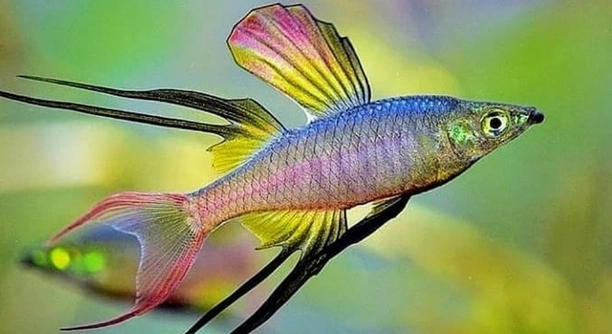
Do you ever notice how your aquarium lighting seems to change the colors of your fish? Threadfin rainbowfish are known for their vivid hues, and lighting can play a subtle role in their overall appearance. Adjusting light may impact their comfort.
Threadfin rainbowfish can adapt to LED lighting if the intensity and spectrum are suitable for their natural environment. Proper adjustment and gradual acclimation help maintain normal behavior, coloration, and health, ensuring the fish thrive under artificial lighting conditions.
Lighting affects more than just the look of your aquarium. Understanding how LEDs influence behavior and color can enhance your fishkeeping experience.
Understanding LED Lighting for Aquariums
LED lighting has become increasingly popular for aquariums due to its energy efficiency, long lifespan, and ability to produce a wide range of colors. Unlike fluorescent or incandescent bulbs, LEDs generate less heat, reducing the risk of overheating the water. Threadfin rainbowfish benefit from a lighting setup that mimics their natural habitat, including moderate intensity and balanced color spectrum. Bright, harsh lights can stress the fish, while too dim lighting may dull their vibrant colors. Choosing LEDs with adjustable intensity and spectrum is important for maintaining optimal conditions. Many aquarists prefer LED strips or panels that cover the tank evenly, ensuring uniform light distribution. Gradual changes in lighting help fish acclimate without causing sudden stress responses, such as hiding or erratic swimming. Observing behavior during initial lighting adjustments allows you to monitor how the fish respond and make necessary modifications for comfort and health.
Proper LED selection ensures fish remain comfortable and healthy, supporting their natural behaviors and coloration.
Gradually introducing LED lighting allows Threadfin rainbowfish to adapt without stress. Observing changes helps maintain a stable and visually appealing aquarium environment for long-term success.
Adjusting LED Intensity and Spectrum
LED intensity and spectrum directly impact fish behavior and overall tank aesthetics.
When setting up LED lights for Threadfin rainbowfish, it is important to start with moderate brightness. Gradually increasing intensity over several days or weeks allows fish to acclimate and reduces stress. The light spectrum should include balanced blue and white tones, as these mimic the fish’s natural environment. Avoid overly red or yellow lighting, which can alter perceived colors and cause discomfort. Consistent day-night cycles are crucial; aim for 10–12 hours of light daily, replicating natural conditions. Using timers ensures predictable cycles, which help regulate feeding patterns and activity levels. Monitoring fish behavior during adjustments provides feedback on whether intensity or spectrum changes are needed. Observing fin movement, swimming patterns, and coloration can indicate if the lighting is suitable. Maintaining water clarity is also important, as murky water reduces light penetration and affects how LEDs impact fish. Proper LED setup enhances both fish health and the visual appeal of your aquarium.
Effects of LED Lighting on Behavior
Threadfin rainbowfish respond to lighting changes with noticeable behavior shifts. Sudden bright light can make them hide, while gradual adjustments encourage normal swimming and social interaction within the tank.
Properly balanced LED lighting encourages activity and natural schooling behavior. Fish may explore more freely when light intensity matches their comfort levels. Overly harsh or uneven lighting can cause stress, leading to reduced movement or constant hiding behind plants and decorations. Gradual adaptation is key. Observing feeding behavior is also helpful, as stressed fish may eat less. Using dimmers or adjustable spectrum LEDs allows you to fine-tune conditions. Ensuring consistent lighting cycles supports overall health and reduces erratic behavior caused by unexpected light changes. Regular observation helps confirm the fish are thriving under the new lighting setup.
Lighting also affects color display, which can influence social dynamics. Fish with vibrant colors are more likely to establish normal interactions, while dull or stressed individuals may be less active. Adjusting LED positioning can prevent overly bright spots or shadows. Watching responses daily ensures a balanced, stress-free environment.
Maintaining Health Under LED Lights
LED lighting alone cannot maintain overall health, but it supports a stable aquarium environment for Threadfin rainbowfish.
Consistent light cycles and proper intensity prevent stress-related illnesses. Fish exposed to erratic lighting may develop weakened immune responses, making them more susceptible to disease. Adjusting LEDs to mimic natural light patterns helps regulate hormonal cycles and promotes proper feeding. Brightness and spectrum should complement water conditions and tank decorations, avoiding excessive glare or shadowed areas that may cause discomfort. Periodic observation of swimming patterns, fin condition, and color vibrancy indicates if adjustments are needed. Maintaining water quality alongside appropriate lighting ensures optimal health. Combining light management with balanced nutrition strengthens immunity and supports normal development.
Proper LED care includes gradual intensity changes, observing fish responses, and avoiding prolonged exposure to extreme brightness. Regularly adjusting lighting to suit seasonal variations or tank setup improvements ensures a healthy, visually appealing habitat. Monitoring both behavior and coloration over time confirms that environmental conditions remain ideal for Threadfin rainbowfish.
Choosing the Right LED Fixture
Selecting an appropriate LED fixture is crucial for Threadfin rainbowfish. Look for adjustable brightness and a balanced spectrum to mimic natural light conditions.
Ensure the fixture covers the entire tank evenly. Uneven lighting can create stressful bright spots and dark areas, affecting fish behavior.
Gradual Light Acclimation
Introducing LED lighting gradually reduces stress. Start with lower intensity and slowly increase over several days. This method allows fish to adapt without sudden behavioral changes.
Gradual acclimation helps maintain normal feeding, swimming, and social behaviors. Observing the fish during this period is important. Adjusting intensity and spectrum in small increments ensures they remain comfortable while promoting healthy coloration and activity patterns. Using timers can create consistent day-night cycles, further supporting adaptation. Monitoring responses daily provides feedback for necessary modifications, preventing stress-related issues and ensuring long-term wellbeing.
Common Mistakes to Avoid
Overly bright or constantly changing LEDs can stress Threadfin rainbowfish. Consistency is key to maintaining a healthy environment.
Incorrect fixture placement or spectrum can lead to hiding, color dulling, and reduced activity, impacting overall health.
FAQ
Can Threadfin rainbowfish survive under LED lighting long-term?
Yes, Threadfin rainbowfish can live long-term under LED lighting if the setup mimics their natural environment. This means maintaining moderate intensity, balanced color spectrum, and consistent light cycles. Gradual acclimation helps prevent stress, while adjustable fixtures allow fine-tuning for optimal comfort. Monitoring behavior, coloration, and feeding patterns ensures they adapt successfully.
What is the ideal LED intensity for Threadfin rainbowfish?
Moderate intensity is best. Too bright light can cause stress, hiding, or erratic swimming, while too dim light may dull their vibrant colors. Starting at lower brightness and increasing gradually over days allows the fish to adjust safely. Using dimmable LEDs makes this adjustment easier and more precise.
Which LED spectrum works best for their colors?
A balanced spectrum including white and blue tones is ideal. These tones replicate natural daylight in freshwater habitats. Avoid strong red or yellow lighting, which can distort natural colors and make fish uncomfortable. Adjusting the spectrum slightly during acclimation supports both behavior and appearance.
How long should LED lights be on each day?
A consistent 10–12 hour day-night cycle works best. This timing simulates natural conditions and helps regulate feeding and activity. Using timers ensures consistency and prevents sudden changes that can stress the fish. Gradual changes in light duration are safer than abrupt shifts.
Can sudden changes in LED lighting harm Threadfin rainbowfish?
Yes, sudden intensity or spectrum changes can stress the fish, causing hiding, reduced feeding, or erratic movement. Gradual adjustments, over days or weeks, are safer and allow the fish to adapt. Observing behavior during this process helps determine if further modifications are needed.
Do LED lights affect their breeding behavior?
Properly adjusted LED lighting can support normal breeding behavior. Consistent light cycles help regulate hormones that influence spawning. Sudden changes or overly intense lighting can inhibit breeding or stress fish, so careful control of intensity, spectrum, and duration is essential.
Is there a difference between LED and fluorescent lighting for these fish?
LED lighting produces less heat and uses less energy than fluorescent bulbs, reducing water temperature fluctuations. LEDs also allow spectrum and intensity adjustments, which are not as flexible with fluorescents. Both can support fish health if used correctly, but LEDs provide better control for optimal conditions.
How do I know if the lighting is too strong?
Signs include hiding, clamped fins, erratic swimming, or loss of appetite. Gradual reduction in intensity and observing behavior can help restore comfort. Proper fixture placement and diffusion prevent bright spots and shadows that can stress fish.
Can Threadfin rainbowfish adapt to LED lighting in a planted tank?
Yes, but consider both plant and fish needs. Plants may require higher light for growth, which could be intense for fish. Using adjustable LED settings or shading areas allows fish to find comfortable spots while plants receive enough light. Monitoring fish behavior ensures a balanced environment.
How often should LED settings be reviewed?
Regularly check intensity, spectrum, and duration, especially when tank conditions change or fish show stress signs. Seasonal adjustments, new decorations, or additional fish may require fine-tuning to maintain optimal comfort and health.
Is dimming LEDs necessary at night?
Yes, gradual dimming or turning off LEDs at night replicates natural darkness, allowing rest. Continuous bright light can disturb sleep patterns and increase stress, negatively impacting health and coloration. Timers help manage this automatically.
Can I use colored LEDs for aesthetic purposes?
Colored LEDs can enhance tank visuals, but should not replace natural-spectrum lighting. Extreme colors may stress fish or distort natural appearance. Using colored lighting for limited periods or as accents while maintaining balanced white-blue lighting is safest.
Do fish get used to brighter LED lights over time?
Gradual adaptation allows them to tolerate brighter lights without stress. Sudden exposure to high intensity is harmful. Incremental increases, combined with observation, ensure they adjust safely while maintaining normal behavior and vibrant coloration.
Are LED lights better for fish health compared to other lighting?
LEDs are not inherently “better” for health, but their controllability makes it easier to create stable, suitable conditions. Proper spectrum, intensity, and consistent cycles under LEDs can support normal activity, feeding, coloration, and breeding more effectively than less adjustable alternatives.
What should I do if my Threadfin rainbowfish seem stressed under LED lights?
Reduce intensity gradually, adjust spectrum if needed, and ensure consistent day-night cycles. Provide shaded areas or plants for hiding and observe behavior closely. Small incremental changes and careful monitoring restore comfort without sudden environmental shocks.
Final Thoughts
Threadfin rainbowfish are delicate yet resilient fish that respond well to carefully managed environments. Lighting plays a crucial role in their overall health and appearance, especially when using artificial sources like LEDs. Proper LED setup allows for consistent day-night cycles, which help regulate activity, feeding, and hormonal patterns. Gradual adjustments in intensity and spectrum prevent stress while supporting vibrant coloration and natural behavior. Observing your fish closely during lighting changes is essential, as small details in swimming patterns, hiding habits, and fin movement can indicate their comfort levels. Unlike some other aquarium fish, Threadfin rainbowfish rely on stable conditions and predictable routines to thrive, making thoughtful lighting choices particularly important for their wellbeing.
Using LED lighting offers multiple advantages, including energy efficiency, longer lifespan, and flexibility in spectrum and intensity. These qualities allow aquarists to create conditions that closely resemble natural habitats, without the risk of overheating the tank. Adjustable fixtures make it possible to fine-tune brightness to suit both fish and plants if you maintain a planted aquarium. Balanced lighting encourages normal schooling behavior and enhances coloration, making the fish look healthier and more active. By maintaining proper light cycles, Threadfin rainbowfish can continue their natural feeding and social behaviors without disruption. LED lighting also provides an opportunity to observe fish behavior more clearly, giving insight into their health and comfort. Small adjustments over time, rather than sudden changes, contribute significantly to long-term success in keeping these fish happy and vibrant.
Maintaining an ideal environment goes beyond lighting alone, though lighting is a foundational element. Water quality, nutrition, tank layout, and companionship all interact with lighting to influence overall health. LED lights, when combined with clean water and a balanced diet, support the fish’s immune system and reduce stress-related issues. It is important to monitor the aquarium regularly, adjusting light intensity, spectrum, and duration as needed to suit seasonal changes or tank modifications. Providing shaded areas or plants gives fish places to retreat when lighting feels too strong. Overall, LED lighting is highly effective for Threadfin rainbowfish when used thoughtfully. By paying attention to their responses and creating a stable, consistent environment, these fish can live healthily while displaying their full range of natural colors and behaviors.

Hello,
If you enjoy the content that we create, please consider saying a "Thank You!" by leaving a tip.
Every little bit helps us continue crafting quality advice that supports the health, happiness, and well-being of pets around the world, for pets of all shapes, sizes, and species.
We really appreciate the kindness and support that you show us!