
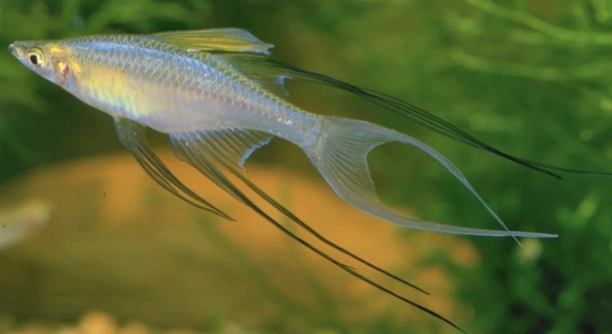
Have you ever set up a new aquarium only to notice your Threadfin Rainbowfish darting around, chasing nearly everything in sight? This behavior can seem playful but sometimes leaves aquarists unsure about what’s actually happening in their tank.
Threadfin Rainbowfish might chase several things in a new tank, including their own reflections, tank mates, floating food, air bubbles, light reflections, and even debris or moving plants. This behavior often stems from curiosity, adjustment, or territorial instincts during tank acclimation.
Understanding what triggers this chasing behavior will help you create a calmer and more balanced environment for your delicate, shimmering swimmers.
Reflections and Light Glimmers
Threadfin Rainbowfish are naturally drawn to movement and shimmer, which often explains why they chase their own reflections or light glimmers in a new tank. The glass walls can create mirror-like surfaces that confuse them, making them think another fish has entered their space. Similarly, overhead or side lighting can cast bright, moving reflections on the glass or substrate, further stimulating their chase response. This behavior is harmless but can become stressful if it happens too often. To reduce it, adjust your lighting angles, use background paper on tank walls, or dim bright lights to minimize reflections.
Over time, these fish usually learn their reflections pose no threat, and the behavior lessens naturally. Subtle lighting changes can make their environment more peaceful, helping them settle faster.
Creating the right lighting balance not only helps calm your fish but also brings out their natural color and gentle swimming behavior.
Food, Plants, and Tank Mates
In a new environment, Threadfin Rainbowfish may also chase food particles, floating debris, or other fish. Their curiosity makes them investigate any movement, especially if it looks edible or intrudes on their space. When first introduced to a tank, this chasing behavior is often temporary and tied to adjustment stress. Offering small, frequent meals can prevent them from mistaking tank mates for food. Additionally, rearranging plants or decorations helps break visual lines of sight and eases tension among fish. Avoid overstocking, as too many active species can make these delicate fish anxious and more prone to chasing.
These small, elegant fish thrive best in calm, well-structured tanks with stable water conditions. Including floating plants can create shaded areas, helping them feel secure. Over time, consistent care and routine feeding allow them to become more peaceful, turning their chasing habit into graceful exploration instead.
Air Bubbles and Filter Flow
Threadfin Rainbowfish often chase air bubbles or swim near filter outlets because the motion catches their attention. The rising bubbles mimic live food, sparking their natural hunting instincts and curiosity during early tank adjustment.
This behavior is completely normal and not a sign of distress. However, excessive chasing can occur if water flow is too strong. Threadfins prefer gentle currents that allow them to move gracefully. If they spend most of their time chasing bubbles near the filter, consider redirecting the outlet or adjusting the flow rate. This helps create a balanced environment that supports calm swimming patterns and reduces unnecessary energy use.
A moderate current keeps oxygen levels stable while ensuring their fins remain undamaged. Balancing aeration and flow not only benefits their health but also enhances their natural beauty as they move through softly circulating water.
Debris and Floating Particles
Threadfin Rainbowfish may mistake debris or floating particles for food, especially in a newly set tank. They often chase these moving specks as part of their feeding response, reacting instinctively to anything that drifts through the water. While it looks playful, this behavior is simply exploratory.
As your tank stabilizes and the filter clears fine particles, this activity typically decreases. Regular maintenance such as gentle vacuuming and partial water changes will help remove debris before it becomes distracting. Overfeeding can also lead to leftover food, so offering smaller amounts ensures less waste. Threadfins are visual feeders, so keeping water clear improves their feeding accuracy and reduces unnecessary chasing.
Over time, your fish will associate movement only with real food, making their swimming calmer and more deliberate. Consistent cleaning, steady feeding habits, and clear water conditions keep their focus balanced between exploration and peaceful swimming.
Tank Glass and Shadows
Threadfin Rainbowfish sometimes chase shadows moving across the tank glass. These shifting shapes resemble other fish or prey, triggering their instinct to follow. Movement from nearby windows or people walking past can also cause quick darting reactions.
Closing curtains or adjusting the tank’s location can help reduce sudden shadows. Placing background paper behind the tank also lessens outside movement reflections, creating a calmer view. These small adjustments make a noticeable difference, helping your fish feel more secure and less reactive to changing light and motion.
Other Threadfin Rainbowfish
In some cases, Threadfin Rainbowfish may chase each other as part of social behavior or mild territorial disputes. Males often display their fins and chase to establish hierarchy or court females. As long as it remains brief and non-aggressive, it is natural and healthy behavior.
Light Reflections on Decorations
Bright ornaments, stones, or shiny decor can reflect light that draws their attention. Reducing reflective objects or rearranging decorations can stop unnecessary chasing and promote a more peaceful, visually stable environment.
What should I feed my Threadfin Rainbowfish to reduce chasing behavior?
Feeding your Threadfin Rainbowfish a consistent diet helps reduce chasing caused by constant searching for food. Small, frequent meals of high-quality flakes, pellets, or live foods like brine shrimp or daphnia keep them satisfied. Overfeeding can leave leftover particles, which may increase chasing of debris. Make sure to remove uneaten food after a few minutes to maintain water clarity and prevent unnecessary chasing. Feeding at the same time each day also creates a routine, helping the fish feel secure and reducing stress-driven darting behavior.
Is chasing always a sign of aggression in Threadfin Rainbowfish?
Chasing in Threadfin Rainbowfish is not always aggressive. Often, it is a natural expression of curiosity, adjustment to a new tank, or social interaction. Males may chase each other briefly to establish hierarchy, but this rarely results in injury if the tank is properly sized and well-planted. Observation is key; chasing that includes nipping, torn fins, or prolonged harassment may indicate stress or overcrowding. Providing enough space, hiding spots, and compatible tank mates minimizes aggressive encounters while allowing their natural, playful behavior to continue without harm.
Can reflections in the tank cause stress for Threadfin Rainbowfish?
Yes, reflections from glass, decorations, or bright lights can cause temporary stress and increase chasing behavior. Fish may perceive their reflection as an intruder or rival, leading to repeated darting. Using a background on the tank walls, adjusting lighting angles, and reducing shiny surfaces helps minimize reflections. Over time, fish often learn that the reflection is harmless, but controlling environmental triggers early prevents excessive stress and ensures they feel secure in their habitat.
Why do Threadfin Rainbowfish chase air bubbles and floating debris?
Chasing air bubbles or tiny floating particles is tied to instinctive hunting behavior. Bubbles and debris mimic prey, encouraging the fish to dart and investigate. While harmless, excessive energy spent on chasing can be reduced by moderating filter flow and cleaning the tank regularly. Adjusting aeration and flow ensures the fish remain active without unnecessary stress. Clear water also helps them focus on actual food, preventing constant investigation of harmless objects.
How can I prevent chasing between multiple Threadfin Rainbowfish?
Providing adequate space and hiding spots is crucial to reduce chasing between tank mates. Overcrowding triggers territorial behavior, and males may chase each other to establish dominance. Including plants, driftwood, and open swimming areas creates a balanced environment where fish can interact naturally without conflict. Keeping fish in groups of at least six also diffuses aggression, as no single individual becomes a target. Monitoring interactions and maintaining stable water parameters supports peaceful social behavior.
Does chasing indicate health issues in Threadfin Rainbowfish?
Chasing is generally not a sign of illness unless paired with unusual lethargy, clamped fins, or changes in appetite. Healthy fish are active and may chase for play, curiosity, or social interaction. If chasing is excessive or combined with other symptoms, it may indicate stress, poor water quality, or nutrient deficiencies. Regular water testing, proper feeding, and observing behavior patterns help distinguish normal chasing from potential health concerns. Maintaining a clean, stable tank environment ensures fish remain active but not overly stressed.
How long does chasing behavior typically last in a new tank?
Chasing behavior is usually most intense during the first few weeks after introducing fish to a new tank. As Threadfin Rainbowfish acclimate to their surroundings, recognize tank mates, and adjust to lighting and water flow, chasing gradually decreases. Patience and consistent care allow them to settle, reducing unnecessary darting. Providing structure, hiding spots, and stable routines accelerates acclimation and promotes calmer swimming patterns. Observing gradual improvement helps confirm that chasing is part of normal adjustment rather than a persistent stress behavior.
What tank conditions help minimize chasing in Threadfin Rainbowfish?
Stable water temperature, gentle filtration, and moderate lighting create a peaceful environment that reduces chasing. Threadfin Rainbowfish are sensitive to rapid changes and bright reflections. Maintaining clear water and avoiding overcrowding ensures fish have enough space for exploration without stress. Adding floating plants and shaded areas allows them to retreat if overstimulated. Regular maintenance, consistent feeding, and thoughtful decoration placement combine to create an environment that supports calm, natural behavior while still allowing for playful activity.
Can rearranging tank decorations reduce chasing?
Yes, repositioning plants, rocks, or ornaments can break visual lines that trigger chasing. Changing the layout occasionally prevents fish from constantly running after reflections, shadows, or perceived intruders. Floating or dense plants provide hiding spots, giving the fish areas to retreat and reducing stress. A well-thought-out arrangement balances open swimming areas with cover, creating a stable and peaceful habitat where chasing is minimized. This simple step often makes a noticeable difference in overall behavior.
Should I be concerned if my Threadfin Rainbowfish chase constantly?
Constant chasing may indicate environmental stress, overcrowding, or insufficient stimulation. While some chasing is natural, persistent darting requires adjustments in tank size, décor, or water conditions. Evaluate food availability, filter flow, lighting, and tank mates to identify triggers. Correcting these factors helps fish settle into a calm routine, ensuring they remain healthy, vibrant, and active without excessive stress or aggression.
Threadfin Rainbowfish are naturally active and curious, which makes them entertaining to watch in a new tank. Their chasing behavior, whether directed at reflections, tank mates, bubbles, or floating particles, is largely a result of instinct and adjustment to their environment. Observing them chase can sometimes seem concerning, but it is usually a normal part of their behavior. Early in a new tank, fish are exploring unfamiliar surroundings, testing boundaries, and reacting to visual stimuli. Chasing is one way they interact with both their environment and each other. Understanding that this behavior is often harmless allows aquarists to approach it with patience rather than worry. Over time, as fish become familiar with the tank and its inhabitants, the intensity and frequency of chasing typically lessen.
Creating a stable and balanced tank environment helps reduce unnecessary chasing. Adjusting lighting to minimize reflections, using a background, and rearranging decorations can prevent shadows or shiny surfaces from triggering darting responses. Providing adequate hiding spots and floating plants gives Threadfin Rainbowfish areas to retreat when they feel overstimulated, promoting calmer behavior. Proper feeding routines also play a crucial role. Offering small, frequent meals of high-quality flakes, pellets, or live foods ensures that fish are well-nourished and less likely to chase out of hunger or curiosity. Removing leftover food and maintaining clear water reduces distractions and supports overall health. Filter flow should be moderate to prevent stress, as strong currents can prompt chasing near outlets. With these adjustments, the fish are more likely to exhibit natural, peaceful swimming patterns rather than constant darting.
Monitoring fish behavior over time is important to distinguish normal chasing from potential issues. Brief chasing between males or social darting in groups is expected, while prolonged aggression, torn fins, or persistent stress may indicate overcrowding or incompatible tank mates. Consistent observation helps aquarists identify patterns and make changes before minor issues escalate. Water quality, temperature, and tank size should remain stable to reduce stress triggers. As Threadfin Rainbowfish acclimate, their environment should support exploration and activity without causing excessive chasing. With proper care, patience, and attention to tank conditions, these vibrant, shimmering fish can thrive while displaying natural behavior in a calm, balanced aquatic environment.

Hello,
If you enjoy the content that we create, please consider saying a "Thank You!" by leaving a tip.
Every little bit helps us continue crafting quality advice that supports the health, happiness, and well-being of pets around the world, for pets of all shapes, sizes, and species.
We really appreciate the kindness and support that you show us!