
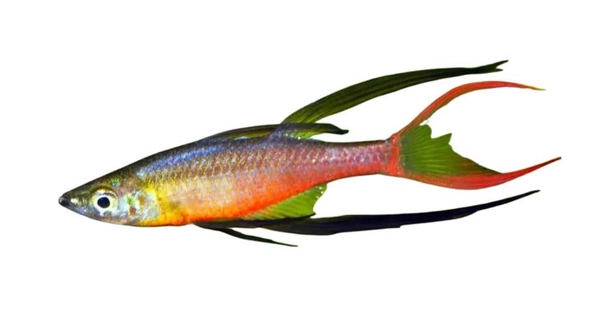
Are your threadfin fish spending more time alone than swimming with the group? Observing isolation in your tank can be frustrating. Understanding the reasons behind this behavior is key to maintaining a harmonious aquatic environment.
Threadfin isolation is often caused by common tank issues such as water quality fluctuations, insufficient tank size, aggressive tank mates, improper diet, inadequate hiding spaces, disease, or stress from sudden environmental changes. Addressing these factors ensures better social interaction among fish.
Identifying these problems early can improve your threadfins’ behavior and overall health. Small adjustments in their environment can lead to a more active, social tank.
Poor Water Quality
Poor water quality is one of the most common reasons threadfin fish isolate themselves. High levels of ammonia, nitrites, or nitrates can stress fish, making them less active and more likely to hide. Maintaining stable water parameters is essential for their health. Regular water changes, careful monitoring, and proper filtration can reduce harmful substances and improve oxygen levels. Even small changes, like adjusting pH or temperature, can have a noticeable effect. Threadfins are sensitive to sudden fluctuations, so gradual adjustments are important. A clean, well-maintained tank encourages swimming and interaction. Observing water clarity, odor, and surface activity can also provide clues about the overall environment. Neglecting water quality can lead to illness, which further promotes isolation. Providing a consistent routine for cleaning and monitoring ensures your fish remain comfortable and social, allowing them to display natural behaviors.
Monitoring water daily is an effective way to prevent stress and keep threadfins active.
A stable aquatic environment supports healthy fish behavior and reduces the risk of disease. Threadfins are more likely to explore, feed, and swim in groups when water conditions are ideal. Filtration systems, combined with partial water changes, maintain cleanliness and balance. Consistent testing for ammonia, nitrite, nitrate, and pH levels allows early detection of problems. Adding live plants or aeration can also improve water quality. Overfeeding or introducing untreated tap water can disrupt balance and lead to isolation. Providing hiding spots and gentle water flow can reduce stress. Observing their behavior daily helps identify early signs of discomfort. When fish remain active and social, it indicates that their environment meets basic needs. Taking proactive steps to maintain water quality ensures that threadfins thrive and engage naturally with other tank mates. Regular maintenance is a simple but effective method to encourage a healthy, interactive aquarium.
Tank Size and Space
A tank that is too small can make threadfins feel crowded and stressed, leading to isolation.
Ensuring adequate space allows fish to swim freely, interact, and establish territories without constant conflict.
Providing a larger tank or rearranging decorations can create more swimming areas and reduce territorial disputes. Threadfins require open areas for schooling behavior. Overcrowding limits movement and increases stress, making fish retreat to corners or behind decorations. Proper stocking density considers adult size and swimming habits. In a spacious environment, fish can display natural behaviors such as schooling, chasing, and feeding together. Decorations should offer hiding spots without restricting open swimming zones. This balance between shelter and open water encourages confidence and reduces aggression. Threadfins respond positively to thoughtful tank layout, which also benefits other species sharing the space. Monitoring activity levels and interactions helps gauge whether adjustments are necessary. Consistent observation ensures that fish remain comfortable and engaged in a well-planned aquarium setting, promoting healthy social dynamics and reducing isolation.
Aggressive Tank Mates
Aggressive fish can intimidate threadfins, causing them to hide or swim alone. Identifying incompatible species early helps maintain harmony and reduces stress.
When threadfins share a tank with territorial or aggressive fish, they may avoid open areas and isolate themselves. Conflicts over food, space, or dominance can lead to persistent stress, impacting their health. Even minor chasing can discourage swimming in groups. Observing interactions helps identify problem fish, and separating them may restore social behavior. Choosing compatible species with similar temperaments promotes a balanced environment. Providing multiple hiding spots and evenly distributing resources reduces tension. Aggression management ensures threadfins remain confident and active.
Introducing peaceful companions encourages natural schooling behavior. Over time, careful selection and tank arrangement reduce isolation, allowing threadfins to feel secure and interact normally. Monitoring ongoing interactions prevents recurring stress and fosters a calmer tank dynamic.
Inadequate Diet
A poor diet can make threadfins lethargic and withdrawn. Nutrient deficiencies affect energy levels, immune health, and social activity.
Feeding a varied diet that includes high-quality flakes, pellets, and live or frozen foods helps maintain vitality. Threadfins require proteins and essential vitamins to stay active. Skipping dietary needs can lead to disinterest in swimming or interacting with other fish. Overfeeding or underfeeding also impacts health and behavior. Balanced feeding routines support consistent energy levels, encouraging movement and group activity. Supplementing with occasional treats or live foods can stimulate natural hunting behaviors, enhancing engagement. Proper portion control prevents water quality issues that may further stress fish. Observing feeding responses helps determine if dietary adjustments are necessary to reduce isolation.
Supplementing their meals with live or frozen foods can improve both health and social behavior. Adequate nutrition strengthens immune systems, increases energy, and promotes natural interaction among tank mates.
Lack of Hiding Spots
Threadfins need secure areas to retreat when stressed. Without adequate shelters, they may isolate to avoid perceived threats.
Providing plants, rocks, or caves gives them safe spaces. Proper hiding spots reduce anxiety, encourage exploration, and support natural behavior.
Disease or Parasites
Illness can cause threadfins to separate from the group. Symptoms like lethargy, discoloration, or fin damage often accompany isolation. Observing fish closely for early signs helps prevent serious outbreaks. Quarantining affected individuals and treating promptly restores health and social activity.
Sudden Environmental Changes
Rapid changes in temperature, lighting, or water chemistry stress threadfins. Stress leads to hiding, reduced activity, and avoidance of other fish. Maintaining consistency in their environment ensures they remain comfortable and sociable.
Inconsistent Lighting
Threadfins rely on stable light cycles for routine behavior. Irregular lighting can confuse them, causing withdrawal and decreased interaction with tank mates.
FAQ
Why is my threadfin hiding most of the time?
Threadfins hide when they feel stressed or unsafe. Common causes include poor water quality, aggressive tank mates, or lack of hiding spots. Checking water parameters, observing interactions, and providing shelters can help them feel secure. Gradual improvements often encourage them to return to swimming with others.
Can diet affect threadfin behavior?
Yes, nutrition directly impacts their energy and activity. A poor diet can make them lethargic and withdrawn. Providing a mix of high-quality flakes, pellets, and occasional live or frozen foods ensures they have enough protein and essential vitamins to remain active and social.
How do I know if my fish are stressed?
Stress in threadfins is often visible through hiding, reduced swimming, or changes in color and appetite. Rapid breathing, clamped fins, or erratic swimming are also signs. Addressing tank conditions, diet, and compatibility with other fish helps reduce stress and isolation.
Does tank size matter for threadfins?
Absolutely. Crowded tanks limit swimming space and increase territorial conflicts. Adequate room allows threadfins to swim freely, establish territories, and school naturally. Rearranging decorations or upgrading to a larger tank can improve social behavior and reduce hiding.
What role do aggressive tank mates play?
Aggressive species can intimidate threadfins, causing them to isolate. Observing interactions carefully is important. Separating aggressive fish or choosing compatible species promotes a calm environment and allows threadfins to feel safe. Multiple hiding spots also reduce tension.
How often should I check water quality?
Daily observation and weekly testing of ammonia, nitrite, nitrate, and pH levels are recommended. Even small fluctuations affect threadfin behavior. Regular partial water changes and proper filtration maintain stability, reducing stress and encouraging social interaction.
Can illness cause isolation?
Yes. Disease or parasites often lead to hiding and reduced activity. Early detection is critical. Symptoms include lethargy, discoloration, or fin damage. Quarantining sick fish and providing appropriate treatment restores health and encourages re-engagement with other tank mates.
Do environmental changes affect threadfin activity?
Sudden shifts in temperature, lighting, or water chemistry can stress threadfins. Consistent conditions help them maintain normal behavior. Gradual adjustments when necessary reduce anxiety and prevent isolation. Stable lighting schedules also reinforce natural routines and swimming patterns.
Will adding plants and decorations help?
Yes, adequate hiding spots from plants, rocks, or caves reduce stress and provide secure areas for retreat. A well-structured environment encourages exploration, decreases fear, and promotes interaction with other fish. Balancing open swimming space with shelters is essential for healthy social behavior.
How long does it take for threadfins to socialize again?
Recovery depends on the underlying issue. Improvements in water quality, tank setup, or diet may take a few days to weeks for fish to feel secure. Consistent care, monitoring, and minimal disturbances speed up reintegration into the group.
Can multiple small adjustments make a difference?
Yes. Small changes in diet, tank layout, or lighting can collectively reduce stress and improve behavior. Observing fish daily allows you to track responses and fine-tune conditions to support active, social threadfins. Incremental improvements often have lasting effects.
Is monitoring behavior important long-term?
Constant observation ensures that any recurring stressors or health issues are identified early. Noticing subtle changes in activity, color, or interactions helps prevent long-term isolation and maintains a balanced, healthy tank environment for all fish.
Final Thoughts
Observing threadfins isolate themselves can be concerning, but it is often a sign that something in the tank environment needs attention. Fish rarely hide without reason, and their behavior usually reflects the conditions around them. Water quality, tank size, diet, and the presence of aggressive tank mates are all factors that influence their willingness to interact with other fish. Even small issues, such as inconsistent lighting or a lack of hiding spaces, can cause stress and withdrawal. Paying close attention to their environment and daily habits helps identify what may be causing them to separate from the group. Simple actions like monitoring water parameters, adjusting tank layout, or adding shelters can make a significant difference in their behavior. Over time, consistent care and observation will allow threadfins to feel safer and more comfortable, encouraging them to swim and interact more naturally.
Addressing the underlying reasons for isolation requires patience and consistency. Threadfins are sensitive creatures, and sudden changes in their environment can make them retreat further. Gradual adjustments are always more effective than abrupt modifications. For instance, if water parameters are off, slow changes to pH, temperature, or filtration methods prevent additional stress. Similarly, introducing new tank mates should be done carefully to avoid conflict. A well-balanced diet also contributes to their overall health and activity levels. Offering a variety of foods with sufficient protein and vitamins supports energy and encourages interaction with other fish. Observing feeding patterns can provide clues about their health and comfort levels. Providing a combination of open swimming areas and hiding spots allows threadfins to make choices, which reduces stress and promotes confidence in exploring the tank.
Long-term success in managing threadfin behavior comes from regular care and monitoring. Checking water quality, maintaining a proper diet, and ensuring the tank is appropriately sized and arranged are ongoing responsibilities. The goal is to create a stable, comfortable environment where threadfins can display natural behaviors such as schooling, feeding, and exploring. Stress reduction plays a major role in preventing isolation and promoting a healthy, active tank. Paying attention to daily behaviors, such as swimming patterns, interactions, and responsiveness during feeding, helps identify early signs of problems. By making small, consistent improvements and keeping the environment stable, threadfins are more likely to engage with one another and remain socially active. Taking these steps ensures that your tank not only looks vibrant but also supports the health and happiness of every fish inside.

Hello,
If you enjoy the content that we create, please consider saying a "Thank You!" by leaving a tip.
Every little bit helps us continue crafting quality advice that supports the health, happiness, and well-being of pets around the world, for pets of all shapes, sizes, and species.
We really appreciate the kindness and support that you show us!