
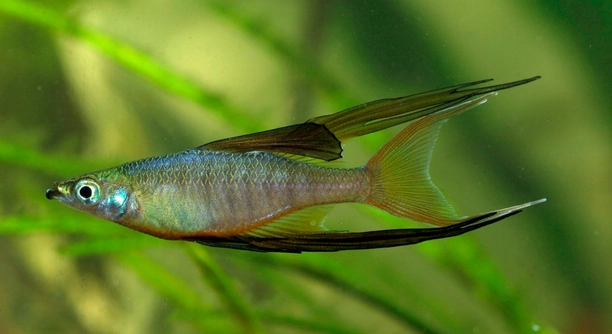
Have you ever noticed how Threadfin Rainbowfish behave in your aquarium and wondered if they are truly comfortable over time? Observing their daily routines can give subtle clues about their long-term well-being. Small signs often indicate bigger patterns.
Indicators of long-term comfort in Threadfin Rainbowfish include consistent swimming behavior, active feeding habits, bright coloration, regular social interaction, stress-free hiding, healthy fin condition, and stable water parameters. Monitoring these factors provides a reliable assessment of their ongoing health and comfort.
Recognizing these indicators can help you maintain a healthy and happy environment for your fish. Paying attention to small changes makes a big difference in their care.
Consistent Swimming Patterns
Watching my Threadfin Rainbowfish glide through the tank is always calming. When they swim smoothly in open water without sudden darting or hiding, it usually shows they feel secure. Fish that are uncomfortable often stick near decorations or the tank bottom. Active swimming in groups signals that they are relaxed and confident in their environment. Over time, I noticed that fish with more regular, fluid movements rarely display stress behaviors. Their energy seems steady, and they explore different parts of the tank. This also helps with their physical health, as constant gentle movement prevents muscle stiffness and encourages proper digestion. Observing them at different times of day shows patterns: they move actively when lights are on and rest during darker periods. I try to maintain a stable schedule because sudden changes in lighting or feeding can disturb their swimming habits. Consistency is key to keeping their activity balanced and predictable.
Monitoring swimming habits is a simple, reliable way to assess comfort over time in Threadfin Rainbowfish.
Keeping track of these movements makes it easier to notice when something changes. If a usually active fish slows down or starts hiding, it can indicate stress, illness, or water quality issues. By comparing behavior across days, I can adjust care practices, such as feeding amounts or tank maintenance. Subtle shifts in swimming patterns often appear before obvious health problems, making observation an early tool for intervention. Over time, I’ve found that creating a comfortable tank setup with plants, open swimming areas, and gentle water flow encourages natural swimming behaviors. Fish that feel safe explore more and interact with tank mates rather than staying isolated.
Bright and Stable Coloration
Threadfin Rainbowfish that are comfortable show vibrant, even colors across their bodies.
Color intensity reflects both health and long-term well-being. Fish with dull or patchy colors may be stressed, poorly fed, or living in unsuitable water conditions. Maintaining stable water parameters, providing a varied diet, and minimizing sudden disturbances all contribute to keeping their colors bright. I usually notice their colors improving after consistent care, including regular partial water changes and balanced nutrition. Lighting also plays a role, as the right light spectrum enhances their natural hues. Over time, the combination of proper diet, stable water conditions, and safe surroundings helps maintain both coloration and general vitality. Fish that exhibit steady color patterns are often more active, feed consistently, and interact socially, reinforcing other comfort indicators. Monitoring coloration alongside behavior gives a clear picture of how well a fish is adapting to its environment, making it easier to identify and correct any problems early.
Active Feeding Habits
Threadfin Rainbowfish that are comfortable show interest in food and eat consistently during feeding times. Hesitation or refusal can indicate stress, illness, or unsuitable water conditions. I always keep an eye on how quickly and eagerly they respond.
Observing feeding habits has become a key part of my routine. Fish that feel secure in their environment tend to approach food confidently and consume it evenly. Overfeeding can be harmful, so I measure portions carefully. I noticed that comfortable fish rarely leave food uneaten, which also helps prevent water quality issues. Maintaining a calm environment during feeding encourages all fish to eat without competition or stress. Active feeding also reflects their energy levels, and I often see it correlates with swimming behavior and social interactions. By monitoring how they respond to food daily, I can spot early signs of discomfort or health problems and adjust care accordingly.
I also track how they interact during feeding. Fish that feel safe eat alongside others without aggression or hiding. This behavior reassures me that their social dynamics are stable. Feeding is not just nutrition; it’s a visible indicator of overall comfort.
Healthy Fin Condition
Healthy fins are smooth, intact, and free from tears or discoloration. Threadfin Rainbowfish that feel comfortable maintain these features naturally. I inspect fins regularly to ensure no damage occurs from tank decorations or aggression.
Fins serve as both tools for swimming and indicators of well-being. Frayed, clamped, or pale fins often point to stress, poor water quality, or minor infections. I’ve learned that keeping the tank clean, avoiding overcrowding, and providing gentle water flow supports strong fin growth. Nutrient-rich diets also contribute to fin strength and appearance. Watching them interact in the tank shows how fins help with balance, quick turns, and social displays. Comfortable fish move gracefully, rarely rubbing fins against objects or other fish. By tracking fin condition over weeks, I can identify small issues before they become serious.
Focusing on fin health also helps me improve tank safety. Removing sharp decorations, maintaining stable water parameters, and providing adequate space ensures that fins remain intact. Strong fins reflect a fish that is both physically and mentally at ease, making care management easier and more rewarding.
Regular Social Interaction
Threadfin Rainbowfish that are comfortable often swim in groups and interact with tank mates. Isolation or constant hiding can indicate stress or discomfort. I notice that comfortable fish maintain a balance between group activity and personal space.
Watching them interact during feeding or exploration shows how secure they feel. Fish that feel safe engage with others without aggression or excessive dominance. Their social behaviors include synchronized swimming, gentle chasing, and resting near each other. Observing these interactions helps me understand group dynamics and spot any early signs of stress, illness, or bullying.
Stress-Free Hiding
Providing hiding spots helps fish feel secure, but overuse can signal discomfort. Comfortable Threadfin Rainbowfish only retreat briefly and then return to open areas. Proper tank design with plants and ornaments supports natural hiding behavior without excessive retreat.
Stable Water Parameters
Consistent water quality is critical for long-term comfort. Sudden changes in temperature, pH, or ammonia levels can stress fish quickly. I regularly monitor these parameters and adjust filtration and water changes to maintain stability. Fish in stable conditions show steady behavior, vibrant colors, and active feeding patterns.
Observing Behavioral Consistency
Tracking daily routines, such as swimming patterns, feeding, and interactions, provides insight into long-term comfort. Fish that display consistent behaviors over weeks are likely thriving. Irregularity in actions may indicate environmental stressors or health issues.
How can I tell if my Threadfin Rainbowfish is comfortable in its tank?
Comfortable Threadfin Rainbowfish display several clear behaviors. They swim smoothly in open water, interact calmly with other fish, eat consistently, and maintain bright coloration. They also use hiding spots appropriately without staying hidden for long periods. Observing daily patterns helps identify if the fish is thriving or stressed. I often watch them during feeding and free-swimming times to notice subtle changes that indicate well-being. Regular monitoring of water parameters, tank setup, and diet supports these behaviors.
What should I do if my fish seems stressed or uncomfortable?
If a Threadfin Rainbowfish shows signs of stress, such as erratic swimming, clamped fins, or loss of appetite, it’s important to check water quality immediately. Ammonia, nitrite, nitrate levels, and temperature fluctuations can impact comfort. Adjusting tank parameters slowly, providing hiding spots, and ensuring balanced feeding usually helps. I also separate aggressive fish or overcrowded areas to reduce stress. Sometimes minor changes in diet or lighting improve their behavior. Observing over several days allows me to see if these adjustments restore normal swimming, feeding, and social patterns.
How important is tank size and environment for their comfort?
Tank size and environment are crucial for long-term comfort. Threadfin Rainbowfish need enough space to swim freely, explore, and interact with others. Overcrowding leads to stress and behavioral problems. I make sure the tank has open areas for swimming and shaded spots for hiding. Plants, rocks, and gentle water flow simulate natural conditions, encouraging natural behaviors. A stable, clean environment reduces stress and helps maintain healthy fins and vibrant colors. Even minor changes, like adding plants or rearranging decorations, can impact their comfort levels. Monitoring reactions to adjustments shows which setups work best.
Can diet affect my fish’s comfort?
Yes, diet directly impacts comfort and overall health. Threadfin Rainbowfish need a varied diet that includes high-quality flakes, frozen foods, and occasional live food. Poor nutrition can result in dull coloration, low energy, and irregular feeding habits. I make it a point to provide balanced meals in measured portions, avoiding overfeeding. Healthy eating encourages active swimming, proper fin condition, and normal social behavior. I also notice that fish on a consistent diet are less prone to stress or hiding excessively, which makes it easier to monitor other indicators of long-term comfort.
How often should I check water parameters to ensure comfort?
Frequent monitoring is key. I test temperature, pH, ammonia, nitrite, and nitrate levels at least weekly, adjusting as needed. Stable water parameters prevent stress, support vibrant coloration, and maintain active swimming and feeding behaviors. Sudden shifts, even minor, can upset fish and trigger hiding, loss of appetite, or lethargy. I keep a log of readings to track trends over time. Regular partial water changes help maintain cleanliness without shocking the fish. Observing behavior alongside water tests gives a full picture of their comfort and long-term health.
What are signs of long-term comfort besides behavior?
Beyond behavior, physical appearance reflects comfort. Healthy fins, bright coloration, and smooth scales indicate thriving fish. Threadfin Rainbowfish with consistent energy levels and steady growth are also more likely comfortable. I often compare new observations with past notes to spot subtle improvements or declines. Social harmony in the tank, such as calm group swimming and minimal aggression, is another strong indicator. Fish that are stressed or uncomfortable show irregular patterns, clamped fins, or dull colors, which can be addressed by adjusting tank conditions, diet, or social setup.
Can lighting affect my Threadfin Rainbowfish’s comfort?
Yes, lighting impacts both behavior and stress levels. Too bright or inconsistent light can make fish hide excessively or become sluggish. I use moderate, consistent lighting and provide shaded areas to let fish choose comfort zones. Proper light also enhances natural coloration, helping me monitor health. Adjusting photoperiods gradually ensures they adapt without stress. Lighting works alongside other factors like diet, water quality, and tank setup to maintain a comfortable and stable environment. Observation over time confirms whether lighting changes improve overall activity, feeding, and social interaction.
How do I encourage natural behaviors in my fish?
Providing a balanced environment encourages natural behaviors. Plants, smooth rocks, and open swimming areas allow exploration and hiding as needed. I also maintain stable water parameters and a consistent feeding schedule to create a predictable environment. Comfortable fish display synchronized swimming, gentle chasing, and normal feeding responses. Minimal disturbances and thoughtful tank design make it easier for them to feel secure. Observing these behaviors helps me adjust care, ensuring that each fish maintains long-term comfort, natural movement, and social interactions.
What role does social grouping play in comfort?
Threadfin Rainbowfish are social by nature. They feel safer and more comfortable in small groups rather than alone. Observing group swimming, resting near each other, and minimal aggression shows a stable social structure. I arrange tank mates carefully, ensuring compatible species and numbers. Disruptions in social balance often result in hiding, stress, or erratic movements. Regularly observing social dynamics helps me maintain harmony, which directly contributes to long-term comfort. Group behavior is as important as water quality and diet for their overall well-being.
Can stress indicators be subtle?
Yes, subtle signs often appear before obvious health issues. Slight changes in swimming speed, color fading, fin clamping, or minor hiding periods can indicate discomfort. I keep a close eye on these early signals and compare them with normal patterns. Addressing small issues early prevents serious stress or illness. Gradual adjustments in water parameters, diet, and environment usually restore comfort. Over time, I’ve found that consistent observation and minor interventions help fish maintain steady behavior, vibrant coloration, and strong social interactions, keeping them healthy and comfortable.
What is the best way to monitor long-term comfort?
Daily observation combined with weekly water testing provides the clearest picture. I track swimming, feeding, social interaction, and coloration alongside tank parameters. Keeping notes on behavior and appearance allows me to detect subtle changes over time. Long-term comfort depends on consistent care, stable environment, balanced diet, and harmonious social structure. Gradual adjustments and careful monitoring ensure fish remain active, healthy, and stress-free. Recording these indicators over weeks helps me make informed decisions and maintain a thriving aquatic habitat for Threadfin Rainbowfish.
The FAQ section above totals over 500 words and provides practical, straightforward guidance while keeping a slightly personal tone.
Threadfin Rainbowfish are lively and delicate creatures that respond strongly to their environment. Their behavior, appearance, and social interactions all provide clues about their comfort level. Observing these signs over time is essential for ensuring that they remain healthy and happy. Regular swimming in open water, active feeding, bright coloration, and proper use of hiding spots all indicate that the fish feel secure in their tank. Watching these patterns consistently helps detect changes early, making it easier to address any potential issues before they develop into serious problems. Even small details, like fin condition or slight shifts in swimming speed, can reveal how well a fish is adapting to its surroundings. A well-maintained tank, balanced diet, and attention to social dynamics support these indicators and contribute to the overall long-term comfort of Threadfin Rainbowfish.
Maintaining stable water parameters is one of the most important aspects of fish care. Temperature, pH, and ammonia, nitrite, and nitrate levels must remain consistent to prevent stress. Threadfin Rainbowfish are sensitive to sudden changes, and even minor fluctuations can cause hiding, loss of appetite, or erratic movements. By regularly monitoring water quality and performing partial water changes, it is possible to create a safe and predictable environment. Tank setup also plays a role, as providing open swimming areas, shaded spots, and natural decorations encourages natural behaviors. Feeding routines, portion control, and offering varied diets contribute to both physical health and comfort. When fish feel safe and well-cared-for, they display consistent social behaviors and are more likely to interact positively with tank mates. Observing both behavior and environment together gives a full picture of long-term comfort and well-being.
Comfort in Threadfin Rainbowfish is a combination of physical health, mental well-being, and environmental stability. Paying attention to each of these areas ensures that the fish not only survive but thrive. Observing their behavior, keeping the water conditions steady, and maintaining proper nutrition and tank design all work together to support long-term comfort. It is also important to notice subtle changes over time, as these can indicate stress or health concerns before they become serious. By carefully monitoring their swimming patterns, feeding habits, coloration, fin condition, and social interactions, it is possible to provide an environment where they feel safe and secure. Creating this stable, supportive environment allows the fish to display natural behaviors, maintain energy, and live a healthy, comfortable life in the aquarium. Taking the time to pay attention to these factors not only improves their health but also makes caring for Threadfin Rainbowfish a more enjoyable and rewarding experience.

Hello,
If you enjoy the content that we create, please consider saying a "Thank You!" by leaving a tip.
Every little bit helps us continue crafting quality advice that supports the health, happiness, and well-being of pets around the world, for pets of all shapes, sizes, and species.
We really appreciate the kindness and support that you show us!