
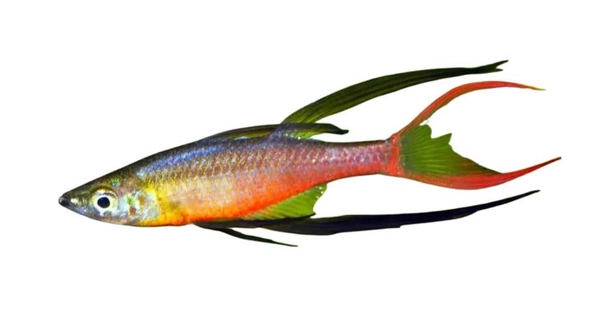
Threadfin Rainbowfish are lively and social fish that often react noticeably when a tankmate becomes sick. Observing their interactions can reveal both natural instincts and their gentle, curious personalities in the aquarium environment.
Threadfin Rainbowfish tend to show subtle changes in behavior around sick tankmates. They may reduce chasing, maintain distance, or hover nearby without aggression. Such actions indicate awareness of distress while maintaining social cohesion, supporting a balanced and non-threatening environment.
These small behavioral shifts provide valuable insight into the fish’s social dynamics and overall well-being, offering guidance for attentive aquarium care.
How Threadfin Rainbowfish Detect Illness
Threadfin Rainbowfish are very perceptive when one of their tankmates is unwell. They use sight and subtle changes in movement to notice differences in behavior. If a fish slows down, hides, or swims differently, others in the tank often pick up on these cues quickly. Their schooling instinct makes them sensitive to disruptions in group behavior. Some fish may hover near the sick individual, while others keep a cautious distance. These reactions are not aggressive but show an awareness of something unusual. Watching these interactions can help you identify early signs of illness before symptoms become severe. Changes in feeding patterns are another key indicator. A healthy fish usually swims eagerly during feeding, but a sick one may lag behind, prompting nearby Rainbowfish to respond. Observing the tank closely over several days will give you a clearer picture of which behaviors are normal and which indicate concern.
These behaviors demonstrate the species’ natural alertness and social sensitivity in a confined environment.
By noticing these early signals, caretakers can intervene sooner. Understanding the subtle ways Threadfin Rainbowfish respond helps maintain a healthier aquarium.
Supporting a Sick Tankmate
Maintaining water quality and reducing stress are essential for helping a sick fish recover.
Creating a calm environment allows the sick fish to rest and recover more quickly. Removing aggressive or overly active tankmates temporarily can reduce pressure. Keeping water temperature and pH stable is also crucial. Avoid overcrowding, as it can increase stress and slow recovery. Feeding should be adjusted to accommodate the sick individual, offering easily digestible foods. Regular monitoring ensures that recovery is progressing, and early signs of worsening illness are not missed. Proper tank maintenance supports overall health for all residents, reducing the risk of future issues.
Providing consistent care and attention helps the sick fish regain strength. Adjusting feeding schedules and observing interactions can prevent further complications. With patience, the fish often resumes normal activity. During this time, it’s important to minimize disruptions in the tank. Removing uneaten food and maintaining clean water reduces the risk of secondary infections. Observing social behavior can also help you gauge improvement. By staying attentive to both the sick fish and its tankmates, you create a supportive environment that encourages recovery. In some cases, isolating the ill fish in a separate quarantine tank may be necessary, especially if symptoms are severe or contagious. Quarantine allows for targeted treatment and easier monitoring. Once the fish shows improvement, it can gradually return to the main tank. Consistency in care and monitoring ensures all fish remain healthy while supporting the recovery process efficiently.
Recognizing Subtle Changes
Threadfin Rainbowfish may show small signs when a tankmate is sick. They might swim more slowly, linger near the affected fish, or change their usual schooling patterns. Observing these minor behaviors can help identify illness before it worsens.
Watching their movement closely reveals patterns that are different from normal activity. A healthy school moves fluidly, but when one fish is unwell, others may pause, circle, or hover nearby. Some Rainbowfish reduce chasing or nibbling behaviors, while a few keep a cautious distance. These subtle adjustments indicate social awareness and sensitivity. Noting these differences over time helps determine which behaviors are temporary or linked to stress and illness. Recording daily observations can be very helpful, especially in tanks with multiple species.
Feeding behavior is another key indicator. Sick fish may eat less, and nearby Rainbowfish often respond by hesitating or approaching slowly. By paying attention to both activity and appetite, caretakers can detect early signs of illness and respond quickly, reducing risks for the entire tank. Observing consistently allows more confident decisions about care or isolation.
Adjusting Tank Environment
Small environmental changes can support a sick fish’s recovery effectively. Adjusting water temperature and keeping pH stable helps reduce stress and promotes healing.
Maintaining clean water is essential. Regular partial water changes remove waste and prevent harmful bacteria from building up. Minimizing sudden changes in lighting or decorations also keeps the fish calm. Overcrowding can increase stress, so providing space and removing overly active tankmates temporarily can help. Adding gentle filtration keeps water moving without causing strong currents that could stress a weak fish. These steps create a stable, comfortable environment that supports recovery while maintaining the health of other fish in the tank.
Providing rest areas and hiding spots is beneficial. Plants, rocks, or decorations give the sick fish shelter and reduce exposure to active tankmates. Adjusting feeding routines ensures the affected fish can access food without competition. Monitoring water parameters frequently allows early detection of harmful changes. By combining cleanliness, calm conditions, and careful observation, you create an environment that promotes healing while keeping the rest of the school safe and stress-free.
Social Support
Threadfin Rainbowfish often stay near a sick tankmate without showing aggression. Their presence can provide a sense of safety while still allowing space for recovery.
Some Rainbowfish reduce chasing or playful interactions during this time. This adjustment helps minimize stress and gives the sick fish a calmer environment.
Feeding Adjustments
Feeding routines should be modified when a tankmate is unwell. Offering smaller, more frequent meals of easily digestible food allows the sick fish to eat without competition. High-quality, nutrient-rich foods support recovery. Observing how the affected fish responds to feeding can indicate improvement or worsening health.
When to Isolate
If symptoms persist or worsen, isolation may be necessary. A separate tank allows targeted treatment and reduces the risk of spreading illness to other fish.
FAQ
How can I tell if my Threadfin Rainbowfish is sick?
Look for changes in swimming behavior, appetite, and interaction with other fish. A sick fish may hide, swim more slowly, or appear less colorful. Observing these subtle differences over a few days often provides a clearer picture of their health.
Why do healthy Rainbowfish stay close to a sick tankmate?
Threadfin Rainbowfish are social and sensitive to group behavior. Staying near a sick fish is not aggression but a natural response to changes in the group. They may hover nearby or reduce playful chasing to create a calmer environment.
Should I feed a sick fish differently?
Yes, offering smaller, easily digestible meals helps the fish eat without stress. Soft or specially formulated foods can support recovery, and feeding more frequently in smaller amounts ensures the fish receives enough nutrition while avoiding competition.
When is isolation necessary for a sick fish?
Isolation is recommended if symptoms persist, worsen, or are contagious. A quarantine tank allows targeted treatment, easier monitoring, and prevents the spread of disease to healthy fish. Quick action can significantly improve recovery chances.
Can other tankmates transmit illness to a sick fish?
Yes, crowded tanks and shared water can spread bacterial, fungal, or parasitic infections. Monitoring interactions and keeping water clean reduces the risk. Removing aggressive or overly active fish temporarily can also limit stress and exposure.
How long does it take for a Rainbowfish to recover?
Recovery time depends on the illness and care provided. Minor stress or mild infections may resolve in a few days, while bacterial or parasitic issues could take several weeks. Regular monitoring is essential to track progress and adjust care.
Are there behavioral signs that indicate improvement?
Yes, increased swimming activity, brighter colors, and resuming normal feeding habits usually indicate recovery. The fish may rejoin its school and interact more naturally. Watching subtle changes daily helps gauge the effectiveness of your care.
What environmental adjustments help a sick Rainbowfish?
Maintaining stable water temperature, pH, and clean water is critical. Providing hiding spots, minimizing disturbances, and avoiding sudden changes in lighting or decorations reduces stress. Gentle filtration ensures circulation without strong currents, creating a supportive environment.
Can stress alone make a Rainbowfish sick?
Yes, stress weakens the immune system and makes fish more prone to illness. Overcrowding, aggressive tankmates, sudden changes, or poor water quality are common stressors. Reducing stress is often as important as treating physical symptoms.
How do I prevent future sickness in my tank?
Regular water changes, monitoring parameters, and observing behavior are key. Quarantining new fish, maintaining proper nutrition, and avoiding overcrowding also help keep all fish healthy. Early detection and consistent care reduce the likelihood of recurring problems.
Can Rainbowfish communicate discomfort to each other?
While they don’t communicate like humans, changes in swimming patterns and proximity indicate awareness of distress. Observing group dynamics can help caretakers understand when intervention is needed.
Is it normal for some Rainbowfish to avoid a sick tankmate?
Yes, some individuals may keep distance to reduce risk or stress. This behavior is natural and helps maintain balance within the school. It doesn’t mean aggression or lack of social bond.
How often should I check a sick fish?
Daily observation is ideal. Monitoring swimming, feeding, and interaction allows early detection of worsening symptoms. Keep notes if possible to track subtle changes over time and adjust care promptly.
Are there signs that require immediate veterinary attention?
Rapid color loss, labored breathing, severe lethargy, swelling, or external wounds indicate serious illness. Consulting an aquatic veterinarian promptly can prevent mortality and improve recovery outcomes.
How do I know if my treatment is working?
Improvement is indicated by more active swimming, brighter colors, and normal feeding patterns. If no progress is seen after several days, reevaluate water conditions, diet, and treatment approach. Consistency is key to effective care.
Can observation alone help prevent illness?
Yes, close observation allows early detection of minor changes that may signal stress or disease. Noticing these patterns early often prevents small issues from becoming severe.
What role do tankmates play in recovery?
Calm, non-aggressive tankmates reduce stress and help maintain a stable social environment. Overly active or aggressive fish can delay recovery, so temporary separation may be necessary.
Are there natural behaviors that indicate discomfort?
Hiding more than usual, erratic swimming, rubbing against surfaces, or staying at the bottom of the tank are common signs. Observing these behaviors alongside feeding patterns gives a clearer understanding of health.
How can I make feeding easier for a sick fish?
Place food near the fish, use sinking pellets if it stays at the bottom, and remove uneaten food promptly. Feeding smaller amounts more often reduces competition and ensures adequate nutrition.
What preventive measures keep all tankmates healthy?
Consistent water maintenance, stable environmental conditions, high-quality nutrition, and careful monitoring reduce disease risk. Quarantining new arrivals and avoiding overcrowding ensure that all fish remain safe and healthy.
How do I know when it’s safe to return a quarantined fish?
Wait until symptoms are fully resolved, feeding is normal, and activity matches healthy tankmates. Gradual reintroduction helps the fish adjust and prevents stress or relapse.
Final Thoughts
Caring for Threadfin Rainbowfish requires careful observation and attention to subtle changes in behavior. These fish are naturally social, and their interactions with tankmates can reveal a lot about the overall health of the aquarium. When one fish becomes sick, others may adjust their swimming patterns, stay closer, or hover nearby without aggression. Recognizing these small shifts in behavior can help identify health problems early, before they become more serious. Keeping a close eye on movement, appetite, and general activity provides a better understanding of how each fish is doing. This level of attention allows caretakers to act quickly, whether that means adjusting feeding routines, modifying water conditions, or isolating a sick individual for treatment. Observing patterns over time is key, as some changes may be temporary or related to stress rather than illness. By noting these details consistently, a fish keeper can maintain a healthier, more balanced aquarium environment for all tankmates.
Creating a supportive environment is just as important as identifying illness. Maintaining clean water, stable temperature, and proper pH levels reduces stress and promotes healing. Small adjustments, such as providing hiding spots or minimizing disturbances, allow a sick fish to rest and recover without feeling threatened. Feeding routines should also be adapted; smaller, more frequent meals of easily digestible food can help the affected fish get enough nutrition without competing with more active tankmates. Reducing overcrowding and temporarily separating overly aggressive fish can further lower stress levels. Consistent monitoring of these environmental factors, along with careful attention to interactions between fish, supports both recovery and overall well-being. Even minor improvements in water quality or tank layout can have a noticeable impact on the health and behavior of Threadfin Rainbowfish, making these steps essential for long-term care.
Understanding the natural behaviors of Threadfin Rainbowfish can make the difference between a quick recovery and prolonged illness. These fish communicate and react to the condition of their tankmates in subtle ways, from hovering nearby to reducing typical schooling behavior. Learning to recognize these signals provides insight into their social structure and stress levels. Providing a calm, clean, and stable environment encourages healthy behavior and supports recovery when illness occurs. Paying attention to small details, such as appetite, color, and movement, allows caretakers to adjust care in a timely manner. Ultimately, combining careful observation, proper environmental management, and thoughtful feeding strategies ensures that both sick and healthy fish thrive. By staying attentive and responsive, you can create a tank where Threadfin Rainbowfish not only survive but continue to exhibit their natural, lively, and social behaviors, making the aquarium a balanced and healthy habitat for everyone.

Hello,
If you enjoy the content that we create, please consider saying a "Thank You!" by leaving a tip.
Every little bit helps us continue crafting quality advice that supports the health, happiness, and well-being of pets around the world, for pets of all shapes, sizes, and species.
We really appreciate the kindness and support that you show us!