
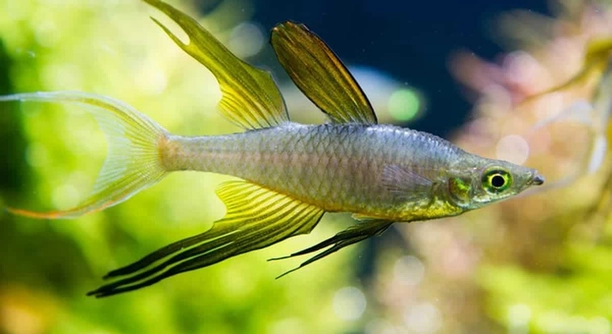
Have you ever noticed your Threadfin Rainbowfish lingering under the filter for long periods? They often gather in that spot, moving slowly and appearing relaxed. Many fishkeepers find this behavior both curious and concerning at first.
Threadfin Rainbowfish hover under the filter primarily due to water flow and oxygen levels. The filtered area provides higher oxygen concentration and moderate current, which helps them feel secure and reduces stress while maintaining optimal health in their aquarium environment.
Observing this behavior more closely can help you understand your fish’s preferences and ensure their habitat is balanced and comfortable.
Understanding Their Attraction to the Filter
Threadfin Rainbowfish often hover under the filter because it offers consistent water movement and oxygenation. In a well-maintained tank, areas near the filter are more oxygen-rich, which naturally attracts fish seeking a comfortable environment. These fish are active swimmers, and gentle currents help them stay energized without using too much effort. The filter also creates a zone of slightly cooler water, which can be appealing in warmer tanks. For many aquarists, seeing their rainbowfish in one spot repeatedly might seem unusual, but it’s a sign they are responding to environmental conditions rather than illness. Over time, you may notice that certain fish spend more time under the filter during peak daylight hours or after feeding, indicating a preference for the flow and oxygen levels there. Positioning decorations or plants near the filter can also influence their behavior, giving them small hiding spots while still allowing access to the aerated water.
Consistent water quality and flow are key reasons rainbowfish choose this area of the tank.
Monitoring how much time your fish spend near the filter can reveal patterns in their comfort and activity. Observing these patterns helps you adjust tank conditions if needed, whether it’s flow strength, oxygenation, or temperature. Even minor changes, like repositioning the filter output, can influence their behavior. Understanding these preferences ensures your fish remain healthy and reduces stress. This also provides insight into their natural instincts, allowing aquarists to recreate more suitable conditions. Over time, you may notice that they swim more confidently in other areas once the tank feels balanced. Maintaining cleanliness and consistent filter performance will continue to make this spot an appealing yet safe environment, giving your rainbowfish a stable place to rest or play in gentle currents.
Ensuring Comfort and Safety
Regular filter maintenance is essential for fish health.
Making the area around the filter comfortable involves more than just clean water. Providing open swimming space near the filter allows the fish to enjoy the flow without feeling trapped. Adding soft plants or gentle decorations can create a semi-protected zone, reducing stress and giving them options to explore. Avoid overloading the filter with decorations that block flow, as this can lead to stagnant areas. Observing how your fish interact with the flow also informs adjustments, like slowing the current if they seem fatigued. Ensuring proper water parameters, such as temperature and pH, is equally important, as these factors work alongside the filter’s flow to keep the fish thriving. By carefully balancing flow, oxygen levels, and tank layout, you can maintain a healthy and secure environment. The fish will naturally gravitate to comfortable spots, and a well-maintained filter ensures they can do so safely while staying active and healthy throughout the tank.
Signs of Stress or Discomfort
Hovering under the filter can indicate stress if the fish show rapid gill movement, faded colors, or lack of appetite. Observing these behaviors early helps prevent potential health problems before they worsen in your tank.
Changes in behavior are often subtle. Threadfin Rainbowfish may suddenly stay near the filter more than usual, dart quickly, or avoid other areas of the tank. These shifts can result from water quality issues, such as high ammonia or nitrite levels, or sudden changes in temperature. Overcrowding and aggressive tank mates can also push rainbowfish to seek refuge near the filter. Consistent monitoring, testing water regularly, and adjusting tank conditions are essential to ensure they remain healthy. Proper care includes observing feeding habits, swimming patterns, and coloration, which can all reflect stress levels. Being attentive to these signs allows for timely intervention.
Environmental enrichment can reduce stress. Adding plants, smooth rocks, or hiding spaces near the filter allows the fish to feel secure while still accessing oxygen-rich water. These adjustments help balance comfort with activity and ensure the fish do not over-rely on a single tank area. Regularly checking the filter’s flow and making small changes as needed supports their overall well-being and encourages natural movement throughout the aquarium.
Maintaining Optimal Tank Conditions
Stable water parameters are essential for Threadfin Rainbowfish health. Even minor fluctuations in pH, temperature, or hardness can influence their behavior, including prolonged time near the filter.
Regular testing and adjustments keep conditions consistent. Ideal temperature ranges between 23°C and 28°C, while pH should stay near neutral, around 6.5–7.5. Hardness levels should match their natural preferences, typically soft to moderately hard water. Filters must run efficiently, providing steady oxygenation without creating strong currents that tire the fish. Cleaning and maintaining the filter prevents buildup that could affect water quality. Ensuring a balanced diet and avoiding overfeeding also reduces waste, helping maintain stable conditions. By keeping the water clean and parameters steady, your rainbowfish will feel secure and less likely to display stress behaviors, like hovering constantly near the filter.
Observing natural behavior alongside regular maintenance ensures the tank remains a healthy environment. Adjusting decorations, plants, and flow as needed helps the fish use the entire tank rather than staying in one spot. Over time, this promotes stronger, more active, and colorful fish. A stable, enriched aquarium environment not only supports physical health but also encourages social interaction and natural swimming patterns, enhancing overall vitality and long-term happiness.
Flow Preferences
Threadfin Rainbowfish prefer moderate water flow. Too strong or too weak currents can make them uncomfortable, causing them to spend more time under the filter where the flow is just right.
Adjusting the filter output can help balance the tank. Gentle redirection allows the fish to explore other areas without feeling stressed or trapped.
Feeding Habits and the Filter
Rainbowfish often associate the filter area with feeding times. Floating food can gather near the current created by the filter, so fish naturally hover there to catch bits of food easily. This behavior is instinctive and reflects their adaptation to currents in the wild.
Tank Layout Considerations
Positioning decorations and plants near the filter affects swimming patterns. Open spaces with shelter encourage activity while still providing a sense of security near the flow.
Observing Long-Term Behavior
Monitoring how long rainbowfish stay near the filter reveals patterns. Sudden changes can indicate health or environmental issues that need attention.
FAQ
Why do Threadfin Rainbowfish always stay under the filter?
They spend time under the filter because it provides a stable environment with higher oxygen levels and moderate water flow. This spot often feels safer and more comfortable, especially in tanks with strong currents or uneven temperatures. It’s a natural preference rather than a sign of illness.
Is it normal for them to hover in one spot?
Yes, it is normal. Rainbowfish may hover near the filter during parts of the day when they are resting or when the water conditions are more appealing there. Occasional long stays under the filter are usually nothing to worry about.
Can hovering indicate stress or illness?
Hovering can sometimes indicate stress if combined with other signs, like rapid gill movement, clamped fins, faded colors, or refusal to eat. Monitoring water quality and ensuring proper tank conditions are key to preventing stress-related issues.
Does the filter provide more oxygen than other parts of the tank?
Yes, the filter area typically has higher oxygen levels due to water movement and aeration. Fish instinctively seek oxygen-rich areas when they need to rest, digest food, or recover from minor stress.
Should I adjust the filter if my fish stay there too long?
You can try adjusting the filter flow to create a gentle current throughout the tank. This encourages the fish to explore other areas without removing the oxygen-rich benefits near the filter. Avoid sudden changes in flow, as this can stress them further.
Do all Threadfin Rainbowfish behave this way?
Most will exhibit this behavior to some degree, but individual fish may have different preferences. Some may spend more time swimming actively, while others linger near the filter more frequently, especially if the tank is small or densely planted.
Can tank layout affect their hovering behavior?
Yes, the arrangement of plants, decorations, and hiding spots can influence where fish spend time. Open swimming areas combined with safe spots near the filter allow them to explore while still feeling secure. Overcrowding or poorly placed decor can increase reliance on the filter area.
Is hovering under the filter linked to feeding habits?
Often, yes. Floating food can accumulate near the filter output, so fish learn to hover there for easy feeding. This behavior is reinforced over time, as they associate the filter’s current with access to food.
How can I make my tank more comfortable for them?
Maintaining stable water temperature, pH, and hardness, along with regular filter maintenance, is essential. Adding plants, rocks, or smooth decorations near the filter can create safe zones. A balanced diet and consistent feeding schedule also support natural behavior and reduce stress.
When should I be concerned about their behavior?
Be concerned if hovering is accompanied by lethargy, clamped fins, loss of appetite, or unusual coloration. These signs may indicate poor water quality, disease, or other health problems. Immediate testing of water parameters and observation of other fish can help identify issues early.
Do they prefer any specific flow strength?
Threadfin Rainbowfish enjoy moderate currents that allow them to swim comfortably without fighting the flow. Gentle adjustments to filter output can provide a consistent and comfortable environment, preventing fatigue and encouraging natural swimming patterns throughout the tank.
Can oxygenation alone explain their behavior?
Oxygenation plays a large role, but flow, temperature, security, and feeding habits also influence why they hover. A combination of factors makes the filter area appealing, and addressing only one may not change their behavior completely.
Is it harmful if they stay there most of the time?
Generally, no, as long as water quality, temperature, and oxygen levels are stable. Prolonged hovering is only concerning if it comes with other stress or health signs. Observing the fish and maintaining a balanced tank environment is the best approach.
Will rearranging the tank reduce filter hovering?
Rearranging plants and decorations can encourage exploration, but it won’t eliminate the behavior entirely. The filter will remain attractive due to oxygen levels and water flow, but a thoughtfully designed layout helps balance activity and security.
Do they need other hiding spots besides the filter area?
Yes, additional hiding spots help reduce stress and mimic natural environments. Plants, rocks, and caves offer safety while allowing them to explore freely. Multiple secure areas make them less dependent on the filter for comfort and improve overall tank well-being.
Can hovering be seasonal or time-dependent?
Yes, fish may hover more during warmer hours, after feeding, or during times of minor environmental stress. Patterns can vary depending on light cycles, water temperature fluctuations, and interactions with other tank mates. Observing these patterns can help you predict and support their needs.
Does tank size influence hovering behavior?
Smaller tanks can increase filter dependency because the available space and water movement are limited. Larger tanks with more evenly distributed flow may see less hovering, as the fish have additional areas with comfortable conditions. Tank size is an important factor in behavior management.
Can other fish influence their behavior near the filter?
Yes, aggressive or territorial tank mates may push rainbowfish to seek safer areas near the filter. Providing hiding spots and balanced tank mates reduces stress and allows all fish to share the tank without feeling forced into one area.
Are there any health benefits to hovering near the filter?
Hovering near the filter ensures access to oxygen-rich water and gentle currents, which can aid in digestion and reduce fatigue. It’s a natural behavior that supports overall well-being, provided the tank conditions remain optimal and stress-free.
How long is too long to hover under the filter?
There isn’t a strict limit, but consistent hovering without movement, feeding, or interaction with other tank areas may signal stress or poor water conditions. Regular observation ensures timely intervention if the behavior becomes excessive or unusual.
Can I simulate natural conditions to reduce filter hovering?
Yes, creating gentle currents, adding plants, and providing multiple safe zones mimics their natural environment. This encourages balanced movement, reduces reliance on a single spot, and supports both physical activity and mental stimulation.
Does lighting affect their position in the tank?
Lighting can influence where rainbowfish prefer to swim. Bright lights may encourage them to seek shaded areas near plants or the filter. Dim or moderate lighting often makes them more confident to explore open spaces while still using the filter for oxygen-rich water.
Is hovering a social behavior or solitary habit?
Threadfin Rainbowfish are social and may hover together near the filter. This behavior reinforces group cohesion and safety, mimicking schooling tendencies in the wild, where staying near gentle currents provides both oxygen and a sense of security.
Can temperature changes increase hovering behavior?
Yes, small temperature fluctuations can make fish seek more stable water near the filter. Maintaining consistent temperatures within the ideal range helps reduce unnecessary hovering and promotes regular swimming patterns throughout the tank.
What’s the best way to monitor this behavior?
Observe daily swimming patterns, feeding response, and interactions with other fish. Keeping a log of unusual behavior, combined with regular water testing, ensures you can identify and address any underlying causes promptly.
Are there any long-term effects of frequent hovering?
As long as water quality, oxygen levels, and tank conditions remain stable, there are minimal long-term effects. The fish remain healthy, active, and colorful. However, extreme reliance on one area may indicate stress or insufficient environmental enrichment that should be addressed.
How do I know if they are comfortable?
Comfortable fish display smooth, coordinated swimming, bright coloration, active feeding, and occasional exploration of other tank areas. Balanced behavior near the filter is normal, but consistent signs of activity and engagement indicate overall well-being and a suitable environment.
Can changing water flow patterns affect their hovering?
Yes, altering water flow gently can redistribute their activity. Moderate adjustments encourage exploration while preserving oxygen levels near the filter, helping fish feel secure without overexerting themselves in stronger currents.
Does diet influence their hovering habits?
Indirectly, yes. Fish that find food near the filter may develop a habit of staying there. Offering food in different tank locations can encourage movement and reduce dependency on one area, promoting balanced activity and natural behavior.
Should I be concerned if only a few fish hover?
Not necessarily. Individual differences exist, and some rainbowfish may naturally prefer the filter area. Watch for signs of stress, health issues, or aggression, and ensure all fish have access to safe, oxygen-rich zones.
Can overstocking increase filter hovering?
Yes, crowded tanks may push fish toward the filter for safety and oxygen-rich water. Maintaining proper stocking levels and providing ample space and hiding spots reduces stress and encourages more balanced swimming throughout the tank.
Do decorations near the filter change hovering behavior?
Yes, decorations can create secure microenvironments near the filter. Plants, rocks, or caves give fish options for resting while remaining in oxygen-rich water. Thoughtful placement supports natural behavior without forcing constant dependence on the filter.
How often should I check water quality to prevent filter hovering due to stress?
Testing water weekly for ammonia, nitrite, nitrate, pH, and hardness is ideal. Frequent checks ensure conditions remain stable and prevent stress-induced hovering, supporting overall health and long-term well-being of the rainbowfish.
Are there signs that the filter itself is causing stress?
Excessive turbulence, irregular flow, or noise can stress fish. If they cling to one side of the filter or avoid other areas entirely, consider adjusting the output or repositioning decorations to create smoother currents and a more comfortable environment.
Can multiple filters affect hovering behavior?
Yes, distributing flow through multiple filters can reduce overreliance on one spot. It creates more evenly oxygenated zones, allowing fish to explore freely without feeling the need to cluster under a single filter.
Does water temperature near the filter differ significantly from the rest of the tank?
Sometimes, yes. Water movement can slightly cool or warm areas depending on the filter type and positioning. Fish may prefer these microclimates, making the filter area more attractive for resting or feeding.
Can I reduce hovering by changing tank lighting or decor?
Yes, dim lighting, additional hiding spots, and varied tank decor encourage exploration. Balancing these factors helps fish use multiple areas of the tank, reducing dependency on the filter while still maintaining comfort and oxygen access.
How do I know if my interventions are working?
Observe gradual changes in swimming patterns, exploration of other areas, feeding behavior, and social interactions. Positive adjustments lead to more balanced activity, reduced stress indicators, and overall healthier fish.
Is hovering near the filter ever harmful?
Not inherently. It only becomes problematic if it indicates stress, poor water quality, or insufficient tank enrichment. Proper care, monitoring, and environmental adjustments ensure hovering is a natural, harmless behavior.
Can seasonal or environmental changes increase this behavior?
Yes, changes in light cycles, temperature, or other external factors can make fish seek more stable, oxygen-rich areas near the filter. Awareness and minor adjustments help maintain consistent behavior and overall comfort.
Do juveniles hover differently than adults?
Juvenile Threadfin Rainbowfish may hover less, as they are more exploratory and agile. Adults often seek stable conditions near the filter more frequently, particularly during feeding or resting periods.
Does hovering behavior indicate hierarchy or social ranking?
Sometimes, dominant fish may claim prime filter areas, while others stay on the periphery. Observing interactions helps understand social dynamics and can guide adjustments to reduce stress for subordinate individuals.
How does feeding frequency impact hovering?
Frequent feedings near the filter reinforce the behavior. Spreading food throughout the tank encourages movement and natural foraging, reducing overreliance on one area while still supporting nutrition and social interaction.
Are there differences between individual fish in filter preference?
Yes, each fish may have unique preferences. Some enjoy stronger currents, others weaker. Recognizing these differences allows you to provide balanced conditions that satisfy all individuals without stressing any one fish.
Does filter type affect hovering behavior?
Yes, sponge, hang-on-back, or canister filters create different flow patterns. Fish may prefer specific filter types depending on flow strength, turbulence, and oxygenation. Adjusting or experimenting with placement can influence behavior positively.
Can I safely encourage swimming away from the filter?
Yes, by providing gentle currents, multiple oxygen-rich zones, and varied tank decor. Offering food in different areas encourages exploration, while maintaining comfort near the filter ensures fish remain secure during adjustment.
How do I balance oxygenation and flow to reduce stress?
Ensure steady oxygen levels throughout the tank while avoiding overly strong currents. Strategic filter placement, gentle adjustments, and environmental enrichment create a balance that encourages activity without causing fatigue or anxiety.
Is it normal for hovering patterns to change over time?
Yes, as fish grow, adjust to the tank, or experience seasonal variations, their hovering habits may change. Regular observation ensures you can respond appropriately to maintain comfort and health.
Can stress from other tank mates increase filter hovering?
Yes, aggressive or territorial fish may push rainbowfish to seek refuge near the filter. Providing multiple hiding spots and balanced group dynamics reduces this stress and promotes natural behavior throughout the tank.
Does tank temperature stability affect hovering behavior?
Absolutely. Consistent temperatures within the ideal range reduce unnecessary hovering. Sudden fluctuations can make fish seek the filter for a more stable microenvironment, highlighting the importance of reliable heating and monitoring systems.
Are there ways to enrich the tank near the filter?
Yes, adding plants, rocks, and gentle hiding spots improves comfort and encourages natural behavior. This keeps fish active while still giving them access to oxygen-rich water, balancing exploration with security.
How long should I observe behavior before making changes?
Observe for several days to identify consistent patterns. Short-term fluctuations are normal, but persistent hovering combined with stress signs indicates a need for environmental adjustments, feeding redistribution, or water parameter corrections.
Does tank maintenance influence hovering behavior?
Yes, clean water, regular filter checks, and stable conditions encourage balanced swimming. Neglecting maintenance can lead to increased stress and prolonged hovering, signaling the need for timely care to maintain a healthy environment.
Is hovering more common in single-species or community tanks?
It can appear in both, but single-species tanks may show clearer patterns, while community tanks can create competition, pushing rainbowfish toward oxygen-rich filter zones for safety and comfort.
Do seasonal lighting changes affect filter behavior?
Yes, brighter light may drive fish to shaded areas near the filter, while dimmer light can make them explore more. Adjusting lighting gradually helps maintain a natural rhythm and reduces stress-induced hovering.
Can filter noise affect fish comfort?
Loud or irregular filter sounds can stress rainbowfish, causing them to cling to one side for safety. Ensuring quiet operation and steady flow improves overall comfort and encourages more balanced activity in the tank.
How do I tell if my tank is too crowded?
If multiple fish compete for the filter area, show aggression, or display stress signs, the tank may be overstocked. Providing additional space and hiding areas reduces competition and allows more even distribution.
Can feeding locations influence long-term behavior?
Yes, consistently feeding near the filter reinforces hovering. Offering food in multiple locations encourages natural foraging and movement, reducing dependence on one area and promoting overall activity and mental stimulation.
Are there specific tank decorations that help reduce hovering?
Soft plants, smooth rocks, and small caves create alternative comfort zones near oxygenated water. These additions encourage exploration, balance activity, and reduce overreliance on the filter while maintaining safety and security.
Do water current preferences vary among individuals?
Yes, some fish prefer gentle flow, others moderate currents. Recognizing individual preferences helps design a tank that satisfies all fish, promoting comfort, reducing stress, and encouraging natural swimming patterns throughout the aquarium.
How can I encourage more movement in the tank?
Distributing food, adjusting flow, and adding plants or decorations encourages exploration. Gradual changes ensure fish feel safe while promoting balanced activity, preventing excessive hovering near the filter.
Can stress from transport or acclimation increase hovering?
Yes, newly introduced or relocated fish often seek oxygen-rich, secure areas near the filter. Allowing gradual acclimation reduces stress and encourages exploration as they adjust to the new environment.
Is hovering a permanent behavior?
Not necessarily. With proper tank conditions, enrichment, and balanced feeding, fish may explore more and reduce dependence on the filter, though occasional hovering remains normal for comfort and oxygen access.
Can adding air stones influence hovering?
Yes, air stones create additional oxygenated zones, encouraging fish to explore other areas instead of clustering under the filter. This supports activity while maintaining comfort and reduces stress in the tank.
Does tank shape or size affect behavior?
Yes, long or narrow tanks can make fish rely on oxygen-rich areas, while larger tanks with distributed flow encourage movement. Tank design should consider both space and water circulation to support natural swimming patterns.
Can changing filter type reduce excessive hovering?
Potentially, yes. Different filter designs create varied flow patterns. Choosing a filter that distributes oxygen evenly and produces gentle currents encourages fish to explore multiple areas rather than sticking to one spot.
How does social behavior influence hovering?
Rainbowfish often hover together for safety and oxygen. Social interactions, including schooling and hierarchy, affect where and how often they stay near the filter, with dominant fish sometimes claiming preferred positions.
Are there seasonal feeding habits that affect hovering?
Yes, feeding frequency or type can vary with seasonal changes in natural behavior. Adjusting feeding strategies encourages movement and prevents overreliance on the filter area for easy access to food.
Do juvenile fish hover differently than adults?
Juveniles are more exploratory and may hover less. Adults tend to seek stable, oxygen-rich spots for resting or feeding, showing more pronounced preference for the filter area. Observation helps determine whether behavior is normal for their age.
Can water hardness influence filter preference?
Yes, soft to moderately hard water is ideal. Variations in hardness can affect comfort, causing fish to seek areas like the filter where conditions feel more stable. Maintaining proper water parameters reduces stress and supports natural behavior.
Are there behavioral signs that indicate satisfaction with the filter area?
Smooth swimming, bright colors, regular feeding, and occasional exploration signal comfort. Fish may linger near the filter without stress, showing that the area meets their oxygen and flow needs while remaining safe and secure.
Does tank cleaning frequency influence hovering?
Yes, regular cleaning prevents stagnant spots and ensures uniform oxygenation, reducing unnecessary hovering. Inconsistent maintenance can create less comfortable zones, making the filter area a default refuge for oxygen-rich water.
Can adding multiple filters help balance behavior?
Yes, distributing flow and oxygen through multiple filters reduces reliance on one area. Fish can explore freely while still accessing comfortable, aerated zones, encouraging balanced swimming patterns and reducing stress.
Does temperature stratification affect filter hovering?
Yes, differences in water temperature can make fish seek cooler or warmer areas near the filter. Ensuring uniform temperature throughout the tank reduces unnecessary clustering and promotes exploration.
How long should I observe before making behavioral adjustments?
Observing over several days to a week provides insight into consistent patterns. Short-term variations are normal, but prolonged hovering combined with stress signs indicates environmental
Final Thoughts
Threadfin Rainbowfish hovering under the filter is a common and natural behavior. It is usually related to water flow, oxygen levels, and comfort within the tank. Many aquarists notice that their fish spend a significant amount of time near the filter, and this should not automatically be seen as a problem. The area around the filter tends to have more stable conditions, including better oxygenation and gentle currents, which makes it an appealing resting spot. In a well-maintained aquarium, this behavior reflects the fish’s instincts to seek out favorable environmental conditions rather than an indication of poor health. Paying attention to their patterns and observing how they interact with the rest of the tank provides insight into their comfort levels and overall well-being.
Maintaining stable water parameters and a balanced tank environment is essential for encouraging healthy behavior. Proper filtration, regular water testing, and cleaning help prevent issues that could cause stress or discomfort. By ensuring consistent temperature, pH, and hardness levels, you create conditions that make the entire tank inviting, rather than forcing the fish to stay in one spot. Decorations, plants, and hiding areas can also influence where your rainbowfish spend time. Thoughtful placement of these elements helps distribute activity throughout the tank and reduces overreliance on the filter. Additionally, feeding habits can affect hovering, as fish may associate the filter area with food. Offering meals in multiple locations encourages exploration and natural foraging behavior, promoting mental stimulation and physical activity. Understanding these factors allows you to provide a safe, comfortable, and engaging environment for your rainbowfish.
Observing behavior over time is key to understanding your fish’s preferences and health. Occasional hovering is normal, but prolonged stays accompanied by signs of stress, lethargy, or color fading may indicate an underlying problem. Adjustments to tank layout, flow patterns, or feeding strategies can help address these issues. Remember that each fish is unique, and individual differences in behavior are normal. By carefully monitoring environmental conditions and providing enrichment, you can support their natural instincts while encouraging more balanced activity throughout the tank. Ultimately, the time spent under the filter is a combination of instinct, comfort, and habit, and paying attention to these patterns allows you to maintain a healthy, thriving aquarium where your Threadfin Rainbowfish can flourish.

Hello,
If you enjoy the content that we create, please consider saying a "Thank You!" by leaving a tip.
Every little bit helps us continue crafting quality advice that supports the health, happiness, and well-being of pets around the world, for pets of all shapes, sizes, and species.
We really appreciate the kindness and support that you show us!