
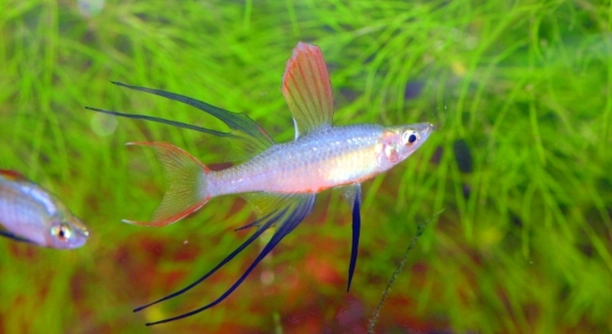
Have you ever noticed your Threadfin Rainbowfish spending extra time near certain objects in the tank? Observing their behavior can be both relaxing and surprising, revealing subtle interactions that are easy to overlook in a busy aquarium.
Threadfin Rainbowfish can develop attachments to objects in their environment. They often show preference for specific decorations or plants, interacting with them repeatedly. This behavior reflects familiarity and comfort, rather than true ownership or complex emotional bonding.
Recognizing these tendencies can help improve tank design and overall fish well-being. Small changes may create a more comfortable and stimulating habitat for your rainbowfish.
Why Threadfin Rainbowfish Interact with Objects
Threadfin Rainbowfish are naturally curious and active swimmers. In a tank, they often explore plants, rocks, and decorations, moving around them repeatedly. These objects can serve as hiding spots, resting areas, or places to feel secure. Observing them closely, you may notice certain fish spending more time near a specific object than others. This behavior is influenced by the fish’s need for comfort, safety, and sometimes territory. Environmental enrichment, like adding a variety of textures and shapes, encourages healthy mental and physical activity. Over time, these fish may appear attached to certain decorations simply because they provide a sense of stability. The interaction is subtle; fish may swim around an object, hover nearby, or occasionally nudge it gently. Each action demonstrates a preference without implying complex emotional attachment. Their behavior is often consistent, especially if the object remains in the same spot, making it a reliable feature of their tank environment.
Observing these preferences helps you arrange the tank in a way that promotes well-being and reduces stress.
Providing multiple options for interaction and safe spaces ensures all rainbowfish have areas to explore and feel comfortable. This improves overall tank harmony and keeps the fish engaged in a natural, healthy routine.
How to Encourage Healthy Object Interaction
Adding objects in the tank gives Threadfin Rainbowfish a sense of security and stimulation. They enjoy exploring different shapes, sizes, and textures.
To encourage healthy interaction, place plants, rocks, or ornaments at varying spots, giving fish multiple options to explore. Ensure each item is safe, smooth, and properly cleaned to prevent injuries or water contamination. Watching their preferences over time can guide future tank design, helping you create an environment that meets their comfort needs. Avoid overcrowding the tank, as too many objects can stress the fish instead of enriching their habitat. Regularly rotating or rearranging items slightly can maintain their interest, while still allowing a consistent environment for attachment. By paying attention to how they interact with objects, you can support their natural behaviors, promote physical activity, and reduce stress. Careful observation and thoughtful placement of decorations improve both the fish’s life and the tank’s aesthetic appeal, creating a more balanced and harmonious aquarium.
Signs Your Rainbowfish Prefers Certain Objects
Some Threadfin Rainbowfish consistently spend time near one decoration or plant. They may hover, swim around repeatedly, or rest nearby. This behavior shows familiarity and comfort rather than strong emotional attachment, and it can guide how you arrange your tank.
Repeated observation of your fish near specific objects indicates that these items serve as a source of security. They may use plants for hiding when stressed or rocks for resting. Fish often return to the same objects daily, showing consistency in preference. Noticing these patterns helps in placing new items thoughtfully, ensuring the tank remains engaging without causing disruption. It also provides insight into their daily activity, allowing you to adjust lighting, water flow, and other environmental factors to better suit their natural tendencies.
Understanding these interactions can prevent stress-related behavior. Recognizing preferred objects lets you maintain a balanced and safe environment, supporting both mental and physical health. Observing subtle nudges or lingering near certain items is normal, showing comfort and recognition of familiar surroundings.
Benefits of Object Attachment
Object attachment can improve your rainbowfish’s sense of security in the tank. Fish use favorite spots to rest, explore safely, or hide during stress.
When Threadfin Rainbowfish interact with preferred objects, it encourages natural behavior and movement. These objects provide visual landmarks, helping them navigate the tank confidently. Fish may swim around a rock or plant repeatedly, showing consistency in pattern, which indicates comfort. Such interaction also reduces stress, promotes physical activity, and helps maintain mental stimulation. Rotating items occasionally keeps them curious, while leaving familiar objects in place preserves stability. Observing these behaviors guides you in arranging the tank thoughtfully, ensuring each fish has areas to explore and retreat. Properly chosen objects can also enhance water flow and provide small shelter zones, which mimic natural conditions. By supporting these behaviors, you create a calmer, healthier environment where rainbowfish feel safe, confident, and engaged in their surroundings.
Common Objects Threadfin Rainbowfish Favor
Threadfin Rainbowfish often favor smooth rocks, dense plants, or small ornaments. These objects provide comfort, resting spots, and areas to explore. Their interaction with these items is consistent, showing preference without implying emotional attachment.
Objects with gentle textures and stable placement are usually more attractive. Fish tend to return to the same spots daily, reinforcing familiarity and security.
Impact of Tank Setup on Object Attachment
Tank layout heavily influences how Threadfin Rainbowfish interact with objects. Open swimming areas combined with scattered decorations allow fish to choose resting or hiding spots naturally. Proper spacing prevents overcrowding and reduces stress, while varying object shapes and sizes encourages exploration. Positioning plants near rocks or ornaments creates visual boundaries and safe zones, making the fish feel more confident. Smooth surfaces reduce injury risk, and stable placement prevents disruptions during swimming. Regular observation helps identify preferred objects, enabling adjustments to support their behavior. Maintaining consistent lighting, gentle water flow, and carefully selected decorations fosters a balanced environment, encouraging natural interaction patterns and overall well-being in your rainbowfish.
Adjusting Objects for Better Interaction
Regularly moving or adding new items can stimulate curiosity. Threadfin Rainbowfish respond well to subtle changes in their tank environment.
FAQ
Can Threadfin Rainbowfish really become attached to objects?
Yes, they often show preference for certain decorations, plants, or rocks in their tank. This behavior is a form of comfort and familiarity, rather than emotional attachment. Fish may hover, swim around repeatedly, or rest near the same object daily, demonstrating consistent interaction. Observing these preferences can help in arranging the tank to make them feel secure.
Why do some objects attract my fish more than others?
Fish are drawn to objects that provide shelter, smooth surfaces, and safe spaces. Dense plants, gently curved rocks, and stable ornaments offer hiding spots or resting areas. Fish may also prefer objects near moderate water flow or softer lighting, as these conditions mimic natural habitats.
Will object attachment affect their health?
Interactions with preferred objects are generally positive for mental and physical health. It encourages natural behavior, promotes activity, and reduces stress. Fish that have familiar items tend to explore more confidently and show fewer signs of anxiety, like rapid swimming or hiding excessively.
How do I know which objects they like most?
Observe where your fish spend most of their time. They may swim around the same rock or plant, hover nearby, or gently nudge it. Patterns over several days or weeks reveal their preferences. It’s also helpful to note which objects they ignore, indicating lesser interest.
Should I rearrange objects often?
Subtle changes can stimulate curiosity and prevent boredom, but objects should remain mostly consistent. Frequent drastic rearrangements can cause stress. A mix of stability and occasional rotation balances interest with comfort, helping fish feel secure while still exploring new arrangements.
Can too many objects be harmful?
Yes, overcrowding the tank with decorations can limit swimming space and create stress. Fish need open areas to move freely. Too many objects may also block water flow or hide food, causing behavioral or health issues. Maintain a balance between enrichment and open swimming space.
Do all Threadfin Rainbowfish show the same attachment behavior?
No, individual fish have different personalities. Some may interact with objects frequently, while others may explore more openly or show less preference. Observing each fish allows you to tailor the environment to meet varying comfort and activity needs, supporting overall tank harmony.
How can I encourage healthy interaction with objects?
Provide a variety of safe items with different shapes, textures, and heights. Place objects strategically to create resting areas, hiding spots, or visual boundaries. Keep them clean and stable to prevent injuries. Watch behavior over time and adjust placement to support preferred patterns.
Do preferred objects change over time?
Yes, fish may shift preferences as they mature or as tank conditions change. Growth, environmental adjustments, or new decorations can influence where they spend their time. Monitoring behavior ensures you continue to provide items that support their comfort and natural activities.
Is it normal for fish to ignore some decorations entirely?
Absolutely. Fish may ignore objects that are unstable, sharp, or placed in stressful areas like strong currents or bright lighting. Their choices reflect comfort rather than dislike. Removing or repositioning unpreferred items can improve tank balance and reduce stress, enhancing overall behavior and well-being.
Can object attachment help during stressful events?
Yes, familiar objects can serve as a safe refuge during water changes, introduction of new tank mates, or temporary disturbances. Providing consistent hiding spots allows fish to regain calm more quickly and helps prevent stress-related behaviors, such as erratic swimming or hiding excessively.
Does this behavior occur in other fish species?
While not unique to Threadfin Rainbowfish, the degree of attachment varies. Many tropical fish show preference for certain objects that provide security, stimulation, or territory. Observing these patterns across species can help improve tank setup and overall fish welfare.
Final Thoughts
Threadfin Rainbowfish are fascinating little swimmers, and their interaction with objects in the tank shows how much they notice their environment. Many fish develop consistent preferences for certain rocks, plants, or decorations, spending more time near them than other areas. This behavior is not a sign of complex emotional attachment but rather a response to comfort, familiarity, and safety. When a fish hovers near the same object daily, it is simply using it as a reference point or a resting spot. Observing these patterns gives insight into their natural tendencies and helps you create a tank setup that suits them better. Over time, it becomes easier to recognize individual preferences and make small adjustments that improve their overall well-being.
Creating a balanced environment for Threadfin Rainbowfish involves providing both open swimming spaces and areas with objects for exploration. Smooth rocks, dense plants, and small ornaments are often favored because they give the fish places to hide or rest while still feeling secure. It is important to avoid overcrowding the tank with decorations, as this can limit swimming space and create stress. Subtle rotations or occasional additions of new objects can stimulate curiosity without disrupting the stability the fish rely on. By paying attention to how the fish interact with their environment, you can maintain a setup that encourages natural behaviors. This not only supports physical health but also promotes mental stimulation, which is vital for their activity and overall happiness. Watching their behavior day by day helps identify which objects matter most and ensures the tank arrangement meets their needs.
Consistent observation and thoughtful adjustments are key to helping your Threadfin Rainbowfish thrive. Preferred objects can act as safe zones during stressful events like water changes or when new tank mates are introduced, giving the fish a familiar point to return to. Individual fish may show different levels of interest in objects, so it is helpful to tailor the environment to each fish’s behavior. Over time, their preferences might change as they grow or as the tank conditions shift, so ongoing attention ensures they remain comfortable and engaged. A well-arranged tank with carefully chosen objects creates a more peaceful and balanced environment. By understanding how Threadfin Rainbowfish interact with objects, you can improve both their physical and mental well-being, creating a habitat that feels secure, engaging, and thoughtfully designed for their needs.

Hello,
If you enjoy the content that we create, please consider saying a "Thank You!" by leaving a tip.
Every little bit helps us continue crafting quality advice that supports the health, happiness, and well-being of pets around the world, for pets of all shapes, sizes, and species.
We really appreciate the kindness and support that you show us!