
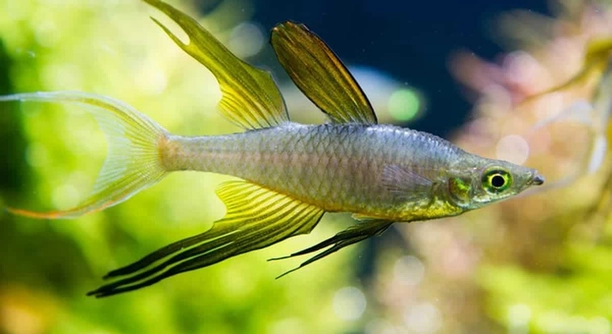
Have you ever noticed your threadfin rainbowfish swimming apart, even in the same tank? These colorful fish are usually social, yet they sometimes prefer to keep their distance, moving independently rather than together.
Threadfin rainbowfish may avoid each other due to territorial behavior, stress, or improper tank conditions. Overcrowding, insufficient hiding spots, and incompatible tank mates often trigger avoidance. Proper water parameters, adequate space, and careful observation can reduce conflicts and encourage social interaction.
Understanding these factors will help you create a more harmonious environment for your rainbowfish and ensure they thrive in your aquarium.
Common Causes of Avoidance
Threadfin rainbowfish can seem distant for several reasons. One major factor is stress caused by sudden changes in the tank. New water conditions, temperature shifts, or strong currents can make them uneasy. They may retreat to corners or hide behind decorations to feel safe.
Another reason is territory. Even small groups of rainbowfish establish personal space, and aggressive interactions can push less dominant fish aside. Overcrowding increases tension, making peaceful swimming difficult.
Tank mates also matter. Fish that are too active or aggressive can intimidate threadfin rainbowfish, causing them to avoid interaction. Adding plants, rocks, or caves gives them places to hide and reduces stress. Monitoring behavior and adjusting the environment can improve social dynamics.
Creating a calm environment with enough space and hiding spots usually helps rainbowfish interact more naturally and reduces instances of isolation.
Providing hiding spaces, maintaining water quality, and monitoring fish behavior are simple ways to minimize stress-related avoidance.
Keeping your rainbowfish comfortable requires attention to details. Consistent water temperature, clean filters, and appropriate tank size all contribute to stability. Observing their interactions helps identify signs of tension, allowing you to separate aggressive fish if needed. Decorations and plants not only enrich their habitat but also provide security. Adjusting the number of fish to avoid overcrowding is essential, as it reduces conflicts and ensures each fish has room to swim freely. Feeding routines and diet quality also impact mood and social behavior, encouraging activity and interaction. By managing these elements carefully, your rainbowfish are more likely to swim confidently, show natural coloration, and engage with each other, creating a more balanced aquarium environment for everyone.
Adjusting Tank Conditions
Temperature and water quality directly affect threadfin rainbowfish behavior. Even small fluctuations can make them anxious. Keeping a stable environment with proper filtration, regular water changes, and consistent heating helps them feel secure.
Proper tank setup includes hiding spots, gentle currents, and enough swimming space. Threadfin rainbowfish feel less stressed when they can explore without being crowded or chased. Decorations like plants and rocks provide safe retreats, while avoiding sharp or rough surfaces prevents injuries. Maintaining ideal water parameters, including pH and hardness, supports overall health and encourages natural social behavior. Monitoring their reactions daily allows timely adjustments to prevent prolonged stress and avoidance.
Lighting and tank placement influence comfort too. Bright lights or constant disturbances can make rainbowfish hide. Dimming lights gradually and placing the tank away from high-traffic areas can reduce stress. A calm, predictable environment promotes peaceful interaction and keeps the fish more active and vibrant throughout the day.
Feeding and Social Behavior
Feeding routines impact social dynamics. Threadfin rainbowfish may avoid each other if food is scarce or unevenly distributed. Regular, well-spaced feeding reduces competition and tension.
Providing a varied diet helps maintain energy and encourages interaction. High-quality flakes, live or frozen foods, and occasional treats support their health and coloration. Fish that are well-fed are less likely to show aggression or withdraw from the group. Watching feeding behavior can also reveal hierarchy or dominance issues, allowing adjustments to prevent long-term stress. Careful placement of food and multiple feeding points ensures all fish get access, promoting balanced social behavior and reducing avoidance.
Consistency in both diet and feeding schedule is crucial. Sudden changes in food type, amount, or timing can create stress and trigger hiding. Observing how each fish responds allows you to fine-tune routines, encouraging calmer, more natural interactions. Over time, maintaining these practices helps rainbowfish feel secure, interact positively, and show their full colors, creating a healthier, more vibrant aquarium environment.
Tank Mates and Compatibility
Choosing compatible tank mates is essential. Aggressive or overly active fish can intimidate threadfin rainbowfish, causing them to hide or avoid interaction.
Peaceful, similarly sized species reduce stress and promote natural behavior. Keeping compatible fish together encourages swimming in groups and decreases isolation among your rainbowfish.
Observing Behavior Patterns
Watching your rainbowfish regularly helps identify social or territorial issues early. Notice which fish are shy, aggressive, or constantly hiding. Changes in swimming patterns, coloration, or appetite often signal stress or conflict. Timely adjustments to the tank or social grouping can prevent long-term avoidance and support healthier interactions.
Seasonal and Environmental Changes
Temperature shifts or seasonal lighting changes may affect activity levels. Rainbowfish can become less social if conditions fluctuate rapidly. Maintaining consistent lighting and gradual seasonal adjustments ensures stability, helping fish remain confident and interactive within their environment.
FAQ
Why do my threadfin rainbowfish hide in corners?
Threadfin rainbowfish often hide due to stress, fear, or discomfort in the tank. Overcrowding, aggressive tank mates, or sudden changes in water parameters can make them feel unsafe. Providing plants, rocks, and caves allows them to retreat without feeling threatened. Stable water conditions and gentle tank currents also encourage them to explore more freely.
Can stress affect their colors?
Yes, stress can dull their colors. Threadfin rainbowfish display brighter colors when they are comfortable and healthy. Poor water quality, temperature fluctuations, or aggressive neighbors can cause them to lose vibrancy. Maintaining proper pH, hardness, and temperature ensures they remain colorful and active. Proper diet also contributes to strong, vibrant coloration.
How many rainbowfish should be kept together?
Threadfin rainbowfish are schooling fish, and keeping them in small groups of at least six is ideal. Fewer fish may lead to shyness or withdrawal, while overcrowding can increase tension and territorial disputes. A medium to large tank allows them space to swim freely while establishing natural social interactions.
Do decorations really help reduce avoidance?
Yes, decorations provide hiding spots and help reduce stress. Plants, rocks, and small caves allow rainbowfish to retreat when feeling threatened. Adequate cover supports natural behavior, lowers aggression, and gives less dominant fish a chance to feel secure. Spacing decorations evenly ensures each fish has access to shelter without competition.
How often should I feed my rainbowfish?
Feeding two to three times a day in small amounts works best. Overfeeding can pollute the water and increase aggression, while underfeeding may lead to competition and avoidance. High-quality flakes, frozen or live foods, and occasional treats maintain health, coloration, and social behavior. Multiple feeding points help reduce disputes.
Can tank lighting affect behavior?
Lighting affects activity and comfort levels. Bright or constant lighting can make rainbowfish hide, while dim or gradually adjusted lighting encourages natural swimming patterns. Positioning the tank away from direct sunlight and high-traffic areas also reduces stress, helping fish remain social and confident.
Will temperature changes cause avoidance?
Yes, sudden temperature fluctuations can make rainbowfish anxious. Threadfin rainbowfish prefer stable water around 24–28°C (75–82°F). Gradual adjustments and consistent monitoring prevent stress-related hiding and encourage group swimming. Using a reliable heater and thermometer helps maintain a steady environment.
What should I do if one fish is aggressive?
Separating aggressive fish temporarily can reduce stress. Observe interactions to identify dominant individuals and consider adjusting group size or tank layout. Providing hiding spaces and extra swimming room helps maintain balance and prevents long-term avoidance. Removing aggressive fish permanently may be necessary if conflicts persist.
Do seasonal changes impact social behavior?
Seasonal shifts, including lighting and temperature changes, can influence activity levels. Rainbowfish may become less social or hide more often during abrupt changes. Gradual adjustments and stable conditions help maintain regular behavior, keeping the group interactive and reducing stress throughout the year.
How do I encourage shy fish to socialize?
Shy fish benefit from a calm environment, adequate hiding spots, and gentle feeding routines. Introducing new tank mates gradually and keeping the tank consistent in temperature and water quality encourages confidence. Over time, shy rainbowfish often join the group once they feel safe and secure.
Is water quality the main factor in avoidance?
Water quality is a major factor but not the only one. Poor parameters, like high ammonia or nitrite levels, cause stress and hiding. Tank size, decor, tank mates, and feeding routines also play a role. Monitoring and maintaining all aspects ensures rainbowfish are healthy and social.
How can I tell if avoidance is serious?
Serious avoidance shows in prolonged hiding, loss of appetite, faded colors, or extreme aggression. Observing these behaviors over several days can indicate whether environmental or social changes are needed. Acting early prevents long-term health and social issues, keeping rainbowfish active and engaged.
This FAQ covers common reasons threadfin rainbowfish avoid each other, offering practical tips to encourage healthy social behavior and reduce stress in your aquarium.
Final Thoughts
Threadfin rainbowfish are beautiful, active fish, but they sometimes avoid each other, which can worry many aquarium keepers. Their behavior is often influenced by stress, tank conditions, and social dynamics within the group. Creating a stable environment is one of the most important steps to encourage natural behavior. Consistent water temperature, clean filtration, and careful monitoring of water parameters help rainbowfish feel safe. When the water conditions are stable, fish are less likely to hide or display aggression. They are more likely to swim freely, interact with other fish, and display their full, vibrant colors. Small details, such as gentle water flow, adequate tank space, and a quiet location, can make a noticeable difference in how comfortable your rainbowfish feel in their habitat.
Providing hiding spots and decorations is another way to reduce avoidance. Threadfin rainbowfish need places to retreat when they feel threatened or stressed. Plants, rocks, and small caves give them security and help them feel more confident in the tank. These additions not only reduce hiding but also encourage exploration and social interaction. Overcrowding or aggressive tank mates can create tension, but careful arrangement of decor and separation of incompatible fish can prevent conflicts. Even minor changes, like adding new plants or rearranging existing decorations, can influence fish behavior positively. Observing how each fish reacts to the environment and adjusting as needed ensures a balanced, calm community where all fish feel comfortable.
Feeding routines and social groupings also impact rainbowfish behavior. Regular, evenly spaced feedings prevent competition and reduce stress. Offering a varied diet with flakes, frozen, or live foods supports their health and coloration, which contributes to overall well-being. Threadfin rainbowfish are schooling fish, so keeping them in groups of at least six encourages natural social behavior. Smaller groups may lead to shyness, while overcrowding can increase tension. Watching interactions carefully allows you to spot early signs of aggression or withdrawal. By combining proper tank conditions, suitable group sizes, and thoughtful feeding routines, your rainbowfish are more likely to thrive, swim confidently, and display natural behaviors, creating a healthier and more vibrant aquarium environment.

Hello,
If you enjoy the content that we create, please consider saying a "Thank You!" by leaving a tip.
Every little bit helps us continue crafting quality advice that supports the health, happiness, and well-being of pets around the world, for pets of all shapes, sizes, and species.
We really appreciate the kindness and support that you show us!