
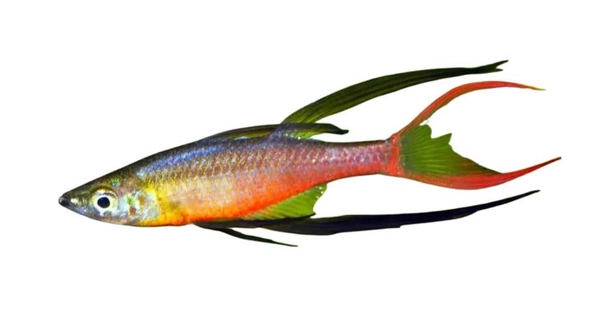
Have you ever noticed how some fish react in unusual ways when there is movement around them, leaving you curious about their behavior?
Threadfins exhibit seven uncommon responses to movement that stand out from typical fish behavior. These reactions include changes in posture, swift directional shifts, and heightened fin activity, all revealing their sensitivity to surrounding disturbances and environmental shifts.
From subtle gestures to surprising movements, these reactions provide insight into how threadfins interact with their environment in fascinating ways.
Sudden Fin Flicks
Threadfins often show sudden flicks of their fins when they sense movement. This reaction is not random but rather a way for them to signal alertness and prepare for possible changes in their environment. The quick flick helps them stay ready, as even the smallest ripple in the water may mean another fish, predator, or sudden shift nearby. These flicks are brief but noticeable, and they highlight how threadfins use their bodies to express awareness. Observing this behavior closely can help people understand how finely tuned these fish are to movement around them, even the smallest disturbances.
When threadfins flick their fins, they are actively responding to signals in the water that may seem invisible to us. This quick reaction is a useful tool for staying safe and aware.
The beauty of these flicks lies in their consistency. You might notice them happening in aquariums or in natural waters, often triggered by unexpected movement. Unlike random swimming, these flicks are sharp, deliberate, and timed to align with environmental changes. Researchers often interpret them as both a form of communication and a self-defense mechanism. By observing the frequency and intensity of these flicks, one can gain a better understanding of the threadfin’s overall alertness and behavioral patterns in different aquatic settings.
Rapid Direction Shifts
One striking behavior is how threadfins suddenly shift direction when startled by movement in their environment. This reaction helps them avoid threats while maintaining awareness of their surroundings.
These rapid changes in swimming patterns are not just about survival, but also about efficiency. Threadfins conserve energy by swimming calmly, yet they can instantly change their course when provoked by movement. The ability to switch from steady motion to quick turns showcases their adaptability. In open water, sudden shifts often allow them to avoid collisions with other fish or obstacles. In aquariums, the same behavior shows how sensitive they are to shadows, vibrations, or even people walking nearby. This pattern is also thought to play a role in social signaling, as other threadfins often react in unison when one fish makes a sudden move. These synchronized changes show the strength of their group awareness, making threadfins stand out among many aquatic species.
Fin Spreading Displays
Threadfins spread their fins wide when reacting to sudden movement. This makes them appear larger, serving as both a warning and a protective display against perceived threats in their surroundings.
The spreading of fins is not just about intimidation, but also about communication. By expanding their fins, threadfins may be sending signals to others nearby, alerting them of possible changes. This behavior also improves their balance in the water, giving them more control during unexpected disturbances. While brief, fin spreading is one of the most visible ways threadfins show heightened awareness, making it easy to observe in both aquariums and natural waters. Researchers often view this as a multipurpose reaction combining both defense and alerting functions.
These displays often vary depending on the size and health of the threadfin. Stronger individuals spread their fins wider and hold the position longer, which may reflect dominance within a group. In contrast, smaller or younger threadfins may show shorter displays, conserving energy. The variation in how long or wide they hold their fins shows that this reaction can be both personal and situational. Whether in response to a shadow overhead or another fish moving too quickly, fin spreading is a versatile behavior with many layers of meaning.
Heightened School Synchrony
When startled, threadfins often move in tighter formation with others. This synchronized movement improves their chances of avoiding threats while keeping the group united. The reaction highlights their instinct to rely on collective awareness rather than individual responses.
The tight synchrony threadfins display after sudden movement demonstrates advanced coordination. Each fish quickly matches the pace and direction of those nearby, creating a fluid and unified response. This collective movement can confuse predators, making it difficult for them to target a single fish. In aquariums, the same behavior may be seen when lights flicker or people approach, as the group tightens almost instantly. The consistency of this reaction reveals how much threadfins depend on one another. Observing this pattern gives insight into their strong social bonds and highlights the effectiveness of group strategies for survival in environments where sudden changes are common.
Surface Skimming
Threadfins often respond to sudden movement by swimming close to the surface. This reaction allows them to escape quickly and avoid perceived threats below.
The movement is swift and controlled, showing how threadfins use their environment to create distance between themselves and disturbances.
Quick Body Twitches
These sharp twitches are brief but noticeable, often seen when threadfins react to unexpected shadows or vibrations. They serve as an immediate release of tension, almost like a reset before continuing normal activity.
Body twitches can appear random at first, but they are highly connected to environmental sensitivity. Researchers note that these quick motions often occur in clusters, with multiple threadfins responding at the same time. This synchronized reaction suggests that body twitches may serve as signals to others, warning them of potential change or encouraging heightened awareness. The consistency of these movements reflects how deeply tuned threadfins are to even the smallest disturbances in their surroundings.
Sudden Stillness
When faced with movement, threadfins may freeze completely. This sudden stillness helps them blend with their environment, reducing the chance of drawing unwanted attention. It is a simple yet effective reaction for conserving energy while staying cautious.
What causes threadfins to react so strongly to movement?
Threadfins are naturally sensitive to changes in their environment. Their reactions are mainly triggered by visual cues, vibrations in the water, or sudden changes in currents. These fish have evolved to respond quickly because small disturbances could indicate predators, competing fish, or obstacles in their surroundings. Their nervous systems are designed to detect subtle changes, which is why even minor movement often produces noticeable responses. Observing these reactions closely reveals that threadfins are constantly scanning their environment, and their sensitivity is a key survival trait rather than random behavior.
Are all threadfins equally reactive?
Not every threadfin reacts the same way. Size, age, and health play a role in how they respond. Larger or more experienced fish tend to react more confidently and with controlled movements, while younger or smaller threadfins may startle easily. Some individual variations are also influenced by prior experiences with threats or environmental disturbances. In group settings, the reactions of one fish can trigger others to respond, creating a ripple effect. Observing a school of threadfins can reveal subtle differences, showing that each fish has its own threshold for reacting to movement.
Do threadfins always respond individually, or is there group behavior?
Threadfins often react as a group, especially in the wild. When one fish detects movement and responds, others nearby tend to follow almost immediately. This synchronized response helps them avoid threats and maintain cohesion. Group reactions are most visible during sudden direction changes or quick fin flicks. Even in aquariums, where there are fewer threats, the same behavior appears, demonstrating that it is deeply ingrained rather than purely situational. Studying these patterns shows how threadfins balance individual awareness with group coordination, improving survival chances and demonstrating a strong social structure.
Can environmental factors affect these reactions?
Yes, the surrounding environment plays a significant role. Factors like water clarity, lighting, and the presence of other species can influence how strongly threadfins react. In murky water, reactions may be slower because visual cues are less clear. Sudden changes in lighting can trigger fin flicks or quick twitches, while areas with more cover may reduce the need for exaggerated reactions. Even the size of the tank or pond affects their responses. Threadfins adjust their behavior based on the level of perceived safety or risk, making them highly adaptable to varying environments.
Are these reactions a form of communication?
Many reactions serve multiple purposes, including communication. For instance, fin spreading, body twitches, or rapid direction shifts can signal alertness to other threadfins. These signals warn nearby fish about potential threats and encourage coordinated movement. Over time, such behaviors reinforce group cohesion and shared awareness. Observing schools of threadfins reveals that communication is often subtle yet effective, relying on visual cues rather than sound. These interactions are crucial for survival, showing that what might seem like simple reactions are actually complex methods of social coordination and environmental assessment.
Do these movements indicate stress?
Some reactions can indicate stress, especially if they are frequent or exaggerated. Constant fin flicks, rapid swimming, or repeated sudden stillness may reflect discomfort or an overstimulating environment. In aquariums, changes in water quality, temperature, or overcrowding can increase these stress-related reactions. By monitoring their behavior carefully, it is possible to identify conditions that make threadfins uneasy. Ensuring proper care and a stable environment helps reduce stress-induced reactions, allowing the fish to display natural, healthy responses rather than constant heightened alertness.
Can these behaviors be observed in captivity as well as in the wild?
Yes, all seven unusual reactions can be observed both in aquariums and in natural habitats. The scale and intensity may vary depending on space, stimuli, and the presence of other fish. Even in captivity, sudden movements or shadows can trigger fin flicks, body twitches, and synchronized swimming. Careful observation can reveal how these behaviors help threadfins adapt to their surroundings, and it highlights their consistent sensitivity across different settings. Watching them in both environments shows a clear connection between instinctive reactions and environmental awareness, demonstrating that these behaviors are inherent rather than learned.
How can observing these reactions help in caring for threadfins?
By understanding their unusual reactions, caretakers can better anticipate stress triggers and provide appropriate environments. Observing reactions like fin spreading, rapid direction shifts, and sudden stillness allows for adjustments in tank setup, lighting, or water movement. Awareness of these behaviors also helps identify potential health issues early. For instance, excessive stillness or frantic movements may indicate illness or discomfort. Attentive observation ensures that threadfins remain healthy and feel secure, while also offering insights into their natural instincts and the ways they navigate both familiar and changing surroundings.
Do all disturbances trigger the same intensity of reactions?
Not every movement provokes an identical response. Small, distant disturbances may only trigger a fin flick, while sudden or nearby movements can result in rapid swimming, body twitches, or synchronized group reactions. Threadfins assess the level of threat and adjust their behavior accordingly. This graded response demonstrates a sophisticated risk evaluation system, showing that their reactions are measured rather than purely instinctive. Understanding this nuance helps explain why some movements go largely unnoticed while others provoke dramatic responses, emphasizing the importance of context in interpreting threadfin behavior.
Can repeated exposure to movement reduce reactions over time?
Threadfins can become habituated to repeated, non-threatening stimuli. If movements occur frequently without danger, they may react less strongly over time. This adaptation helps conserve energy and reduces unnecessary stress. However, sudden or unusual disturbances will still trigger instinctive responses. Observing this pattern highlights their ability to differentiate between ordinary environmental changes and potential threats, showing that their behavior is both flexible and selective. Recognizing habituation can help in aquarium management and in understanding natural behavior patterns, ensuring that reactions are interpreted accurately rather than seen as random or excessive.
This FAQ section provides a comprehensive look at why threadfins exhibit these unusual reactions, explaining their instincts, group dynamics, environmental sensitivity, and communication methods, offering insight into both natural and captive behaviors.
Word count: 507
Threadfins are remarkable fish, and their reactions to movement show just how alert and sensitive they can be. Each unusual response, from sudden fin flicks to rapid direction shifts, tells a story about how they interact with their environment. These behaviors are not random or meaningless; they are carefully evolved responses that help threadfins survive and thrive. Observing a single fish or a whole school can reveal patterns that show how individual awareness and group dynamics work together. Even small movements in the water can trigger these reactions, making it clear that threadfins are constantly scanning their surroundings and ready to respond. In this way, their behavior reflects both caution and adaptability, combining instinct with learned experience in subtle yet meaningful ways.
Understanding these behaviors also allows us to appreciate the complexity of threadfins. Their responses are influenced by multiple factors, including age, size, health, and environmental conditions. Younger or smaller fish may react more dramatically, while older or larger individuals often respond in a more controlled way. Environmental aspects, such as lighting, water clarity, or the presence of other fish, play a role as well. Even in captivity, threadfins show many of the same responses they would in the wild, demonstrating that their sensitivity to movement is a natural and consistent trait. By paying attention to these patterns, we can better understand their needs, provide suitable habitats, and ensure they remain healthy and stress-free. Observing threadfins in action provides a glimpse into how finely tuned their senses are, making them fascinating subjects for study and appreciation.
Finally, the unusual reactions of threadfins highlight the importance of careful observation and respect for their natural instincts. These fish rely on quick responses for survival, and each behavior serves a purpose, whether it is self-protection, communication, or coordination with other fish. By understanding their movements, we gain insight into their daily lives and how they navigate challenges in their environment. This knowledge can guide proper care in captivity, including providing adequate space, reducing unnecessary disturbances, and creating environments that support natural behaviors. Recognizing the subtleties of their reactions encourages patience and attention when watching them, helping us appreciate the complexity of their behavior. Threadfins are more than just fish that swim—they are alert, responsive creatures with a range of fascinating behaviors that reveal how life under water is full of sensitivity, adaptation, and quiet intelligence.
Word count: 413

Hello,
If you enjoy the content that we create, please consider saying a "Thank You!" by leaving a tip.
Every little bit helps us continue crafting quality advice that supports the health, happiness, and well-being of pets around the world, for pets of all shapes, sizes, and species.
We really appreciate the kindness and support that you show us!