
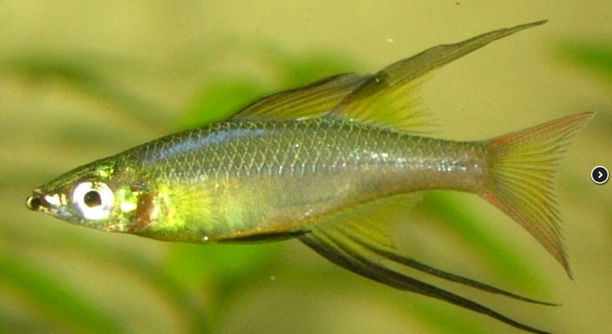
Threadfin Rainbowfish are colorful, active freshwater fish often admired for their lively movements and shimmering scales. Many hobbyists enjoy observing their behavior and wonder how these fish interact with humans in a home aquarium environment.
Threadfin Rainbowfish can be trained to accept food from a hand with patience and consistent practice. Gradually offering food while minimizing sudden movements encourages trust, allowing the fish to recognize the hand as a safe source of nourishment over time.
Learning this feeding method enhances the connection between owner and fish, improving daily interactions and promoting a more engaging aquarium experience.
Understanding Threadfin Rainbowfish Behavior
Threadfin Rainbowfish are naturally cautious and curious. They often swim in schools, which gives them a sense of security but can make them hesitant around new objects, including a hand offering food. Observing their daily habits helps identify the best times to feed them. Morning and late afternoon tend to be when they are most active and receptive. Their schooling behavior means one fish may approach first, while others watch carefully before following. Gradually, they become accustomed to human presence. Using small, consistent portions of their preferred food encourages them to associate hands with nourishment. Avoid sudden movements, loud noises, or tapping on the tank, as these actions can startle them and slow progress. Over time, patience and regular interaction will lead to the fish recognizing feeding sessions as safe, reducing stress and increasing the likelihood they will take food directly from your hand. Consistency is key to building trust.
Feeding in small increments works best. Consistency trains the fish faster.
Regular observation allows for adjustment of techniques. Small steps prevent stress and create positive reinforcement.
Steps to Teach Hand Feeding
Start by offering food in the same spot each day. Place your hand near the tank, allowing the fish to see it without touching the water initially. Gradually, introduce tiny flakes or pellets between your fingers. Avoid sudden movements to keep the fish calm. Repeat this process daily.
Patience and consistency are essential when teaching Threadfin Rainbowfish to eat from your hand. Begin by holding a small portion of their favorite food just above the water surface, letting them approach naturally. Avoid forcing interaction. Over time, they will recognize the hand as a food source. Feeding multiple times a day in small amounts helps reinforce this behavior. It is helpful to reduce other distractions in the tank, such as strong water currents or excessive movement, which may make the fish hesitant. Be attentive to their reactions; if they retreat, wait and try again later. Once they become comfortable, slowly move your hand into the water while holding food. They may nibble cautiously at first, but repeated sessions build confidence. Gradually, all fish may start accepting food from your hand, creating a more engaging and interactive feeding routine.
Common Challenges in Hand Feeding
Fish may hesitate to approach hands at first, especially in new tanks. Sudden movements or loud noises can increase their wariness. Some fish may nibble briefly and retreat, requiring repeated, gentle attempts. Avoid overfeeding, as this can reduce interest in hand feeding.
Consistency is vital when teaching Threadfin Rainbowfish. Start with very small portions of food to prevent overwhelming them. Hold the food steadily and avoid sudden gestures, allowing fish to approach at their own pace. Repetition over several days or weeks helps them associate your hand with a safe source of food. Be mindful of water temperature and tank conditions, as stressed fish are less likely to participate. Patience is essential; even a few minutes each day can gradually build trust and reduce hesitation. Observing their reactions carefully ensures adjustments can be made to maintain a calm environment for learning.
Some fish may never fully take food from a hand, but partial success is common. Adjust expectations based on individual behavior. Keep sessions short, positive, and free from distractions, ensuring the fish remain comfortable. Avoid forcing interaction, as this can create stress and set back progress. Gradually, most Threadfin Rainbowfish become more confident and may nibble consistently from the hand. Tracking progress over days and weeks provides insight into each fish’s comfort level. Rewarding small steps reinforces trust, while patience ensures a smoother experience for both the fish and owner.
Tips for Encouraging Consistent Hand Feeding
Place your hand in the same spot each time to create a predictable routine. Consistency reduces stress and builds recognition. Avoid sudden movements or tapping on the tank, which can startle the fish.
Start with short feeding sessions, ideally at the same time daily. Use small portions of preferred food and allow the fish to approach at their own pace. Gradually increase hand immersion as they gain confidence. Keep the environment calm by limiting disturbances around the tank, including vibrations, sudden light changes, or other pets. Monitor water quality and temperature to ensure optimal conditions, as stressed fish are less likely to engage. Encourage slow progress, celebrating small milestones such as a fish nibbling more confidently. Even if only a few fish participate at first, patience and repetition usually expand success to others in the tank. Over time, hand feeding becomes a predictable, positive experience, strengthening interaction and trust between the owner and fish.
Preparing the Tank for Hand Feeding
Ensure the tank is clean and free of debris before starting hand feeding. Clear water helps the fish see the food and the hand clearly. A calm environment encourages fish to approach without fear or hesitation.
Remove decorations or objects that may obstruct the feeding area. Keep lighting soft and consistent to reduce shadows and sudden changes that could startle the fish. Maintaining stable water temperature and gentle filtration supports a comfortable atmosphere. Limiting external disturbances allows the fish to focus on the hand and food, improving their responsiveness and willingness to interact.
Choosing the Right Food
Select small, easily manageable food items that float or sink slowly. Flakes, micro pellets, or frozen foods work best. Avoid large pieces that may overwhelm or scare the fish.
Consistent use of their favorite food helps build trust. Using high-quality, nutritious options ensures the fish remain healthy while learning the hand feeding process. Gradually, they will associate the hand with a reliable food source.
Timing and Routine
Feed at consistent times each day. Fish respond better when a routine is established.
Short, frequent sessions are more effective than long, infrequent ones.
FAQ
Can all Threadfin Rainbowfish learn to eat from a hand?
Not all Threadfin Rainbowfish will fully accept food from a hand. Individual temperaments vary, and some may remain cautious despite repeated efforts. However, most fish show gradual improvement when approached patiently and consistently. Even partial success, like nibbling near the hand, is a positive step.
How long does it take for them to start feeding from a hand?
The time required depends on the fish and environment. Some may respond within a few days, while others take several weeks. Short, daily sessions and consistent handling accelerate the process. Avoid rushing, as forcing interaction may cause stress and set progress back.
What type of food is best for hand feeding?
Small flakes, micro pellets, and slow-sinking frozen foods work best. These foods are easy to manage and less intimidating. Using their preferred food consistently helps the fish associate the hand with a reliable food source and encourages repeated attempts.
Should I change tank conditions for hand feeding?
Maintaining a calm, clean tank with stable temperature and gentle water flow is important. Bright lighting, sudden shadows, or loud noises can make fish hesitant. Removing obstructions from the feeding area allows clear visibility and reduces stress during hand feeding.
How often should I attempt hand feeding?
Short, frequent sessions are more effective than occasional long ones. Feeding a few times daily in small amounts encourages trust and helps fish associate the hand with food. Consistency in timing and location reinforces positive behavior.
What if some fish in the tank never approach my hand?
It’s normal for some fish to remain shy. Focus on the ones that respond, and allow others to observe without pressure. Over time, shy fish may gradually gain confidence by watching their tank mates interact with your hand.
Can overfeeding affect hand feeding success?
Yes. Overfeeding reduces motivation to approach the hand. Providing small, measured portions ensures the fish remain hungry enough to accept hand feeding while maintaining their overall health.
How do I encourage timid fish to try hand feeding?
Start with partial approaches, such as holding the food near the surface or letting it float close to the hand. Avoid sudden movements and maintain patience. Gradual exposure helps timid fish build confidence without feeling threatened.
Is it safe for the fish to take food from a hand?
Yes, when done carefully. Wash hands thoroughly to remove chemicals or lotions. Gentle movements prevent accidental injury, and offering small portions reduces the risk of choking or stress. Regular observation ensures the fish remain comfortable and safe.
Can hand feeding improve my interaction with the fish?
Absolutely. Hand feeding fosters trust, reduces fear, and allows closer observation of behavior and health. Even limited success strengthens the connection and makes routine care more enjoyable for both the fish and owner.
What should I do if the fish become stressed?
Stop the session immediately and allow them to calm. Ensure the tank environment is stable and free from disturbances. Resume hand feeding gradually once the fish appear relaxed and comfortable again. Stress can set back progress, so patience is essential.
Do younger fish learn hand feeding more easily than adults?
Younger fish are often more curious and adaptable, which can make learning quicker. Adults may take longer but can still learn with consistent practice. Individual temperament matters more than age in determining success.
Are there any signs that hand feeding is working?
Approaching the hand without hesitation, nibbling near fingers, or waiting for food indicates progress. Even small interactions are positive signs of growing trust and comfort with human presence.
How do I maintain hand feeding habits over time?
Consistency is key. Continue offering food at similar times and locations, keeping sessions short and positive. Gradual adjustments in food type or technique are acceptable, but maintaining routine reinforces trust and ongoing participation.
Can hand feeding be used to monitor fish health?
Yes. Observing feeding behavior helps identify illness, stress, or changes in appetite early. Fish that suddenly avoid hand feeding or show unusual behavior may need attention to ensure their health remains stable.
What if multiple fish compete for food from my hand?
Allowing all fish to feed simultaneously can reduce stress. Offer food slowly and evenly to prevent aggression. Some fish may need separate sessions if they are too timid to compete effectively.
Is hand feeding suitable for all tank setups?
It works best in calm, moderately stocked tanks where fish have space to approach without obstruction. Crowded or turbulent tanks may increase hesitation, making hand feeding less effective.
How do I prevent accidental bites or nips?
Threadfin Rainbowfish are generally gentle, but keeping fingers steady and offering small food pieces minimizes accidental contact. Avoid sudden movements that might startle the fish, ensuring interactions remain safe and positive.
Can hand feeding replace regular feeding routines?
Hand feeding should complement, not replace, regular feeding. Fish still need balanced nutrition provided through standard methods. Hand feeding primarily encourages interaction and trust, not a sole food source.
How do I track progress in hand feeding?
Observe the fish daily, noting which individuals approach, how long they nibble, and any hesitation. Recording small milestones helps adjust techniques and provides insight into each fish’s comfort and confidence level.
Are there any risks for beginners attempting hand feeding?
Minimal risks exist if proper care is taken. Avoid harsh chemicals on hands, sudden movements, and overfeeding. Patience and gentle handling ensure the fish remain comfortable while learning to accept food from a hand.
Can hand feeding reduce fish stress overall?
Yes. Gradual, positive interaction helps fish feel more secure in their environment. Recognizing your hand as a safe source of food can reduce fear, encourage exploration, and improve overall well-being.
Is there a specific order to train multiple fish in a tank?
Start with the most confident or curious individuals. Once they accept hand feeding, others may follow by observing. This method reduces intimidation and gradually encourages participation from shyer fish.
How do I adjust if progress stalls?
Review the environment, food type, and feeding technique. Reducing stressors, adjusting food size, or shortening sessions can help re-engage hesitant fish. Patience and consistent practice often restart progress without forcing interaction.
Can hand feeding be used with other species in the same tank?
Yes, but observe interactions carefully. Some species may be more aggressive or competitive. Ensure all fish receive adequate food and that timid individuals are not bullied or stressed during hand feeding sessions.
What are signs the fish are fully comfortable with hand feeding?
Approaching the hand confidently, eating directly from fingers without hesitation, and showing curiosity in multiple sessions indicate strong trust. Even shy individuals may begin to participate gradually once they feel safe.
How important is body language during hand feeding?
Very important. Slow, steady movements convey safety, while sudden gestures or tapping can startle fish. Observing their reactions and adjusting accordingly fosters trust and encourages consistent feeding from the hand.
Can hand feeding affect social dynamics among the fish?
Yes. More confident fish may dominate the feeding area initially. Allowing gradual participation and using multiple feeding spots helps ensure all fish have access without causing stress or aggression.
Are there alternative techniques if hand feeding fails?
If hand feeding is not fully successful, using feeding tongs, floating platforms, or slow-release feeding methods can encourage interaction while reducing stress. Patience and flexibility allow progress in other forms.
What should I do if fish suddenly stop taking food from my hand?
Pause and assess for environmental changes, stress, illness, or overfeeding. Resume sessions gradually once conditions stabilize, keeping interactions positive and stress-free. Monitoring behavior helps maintain trust and prevents regression.
How long should each hand feeding session last?
Short sessions, typically 3–5 minutes, work best. Longer sessions may stress the fish or reduce interest. Multiple brief sessions per day provide consistent reinforcement without overwhelming the fish.
Can hand feeding be combined with training other behaviors?
Yes. Hand feeding can be used to encourage swimming patterns, approach behaviors, or responding to signals. Positive reinforcement through food helps fish learn simple behaviors while strengthening trust.
Does tank size impact hand feeding success?
Moderate to larger tanks provide space for fish to approach confidently. Crowded tanks or strong currents may make them hesitant. Providing a calm, open area near the feeding spot improves participation and reduces stress.
Are there any tools to help beginners with hand feeding?
Tools like feeding tongs, small cups, or floating trays can help gradually introduce food to the hand. These allow hesitant fish to approach safely, bridging the gap between standard feeding and hand feeding.
How do I ensure nutrition is adequate during hand feeding?
Continue regular feedings using balanced, high-quality foods. Hand feeding supplements interaction but should not replace a complete diet. Monitoring intake ensures fish remain healthy while enjoying the new feeding method.
Can hand feeding improve observation of fish health?
Yes. Close interaction allows monitoring for signs of illness, injury, or abnormal behavior. Noticing subtle changes early supports timely care and contributes to long-term health.
How often should I reassess techniques?
Periodically evaluate hand positioning, food type, and session timing. Adjustments may be needed as fish gain confidence, ensuring the process remains positive and effective for all individuals.
Can hand feeding reduce aggression in community tanks?
Yes. Gradual introduction and consistent routines help fish feel secure. Sharing food evenly and minimizing competition can reduce stress-related aggression and promote peaceful interactions among tank mates.
Is hand feeding more effective with a single fish or a group?
Both can work. Single fish may learn faster without distractions, while groups may benefit from observing others. Adjust approach based on individual and group dynamics to ensure comfort and success.
Are there any seasonal considerations for hand feeding?
Stable water temperature and consistent lighting are more important than season. However, sudden environmental changes, such as temperature fluctuations or changes in natural light, may temporarily affect willingness to feed from a hand.
Can hand feeding be resumed after a break?
Yes. If sessions are paused, start slowly and rebuild trust. Fish often remember previous interactions, but gradual reintroduction ensures they remain comfortable and willing to engage again.
How do I know when to stop hand feeding?
Stop if fish show stress, illness, or aggression. Otherwise, hand feeding can continue as long as it remains safe, positive, and enjoyable for both fish and owner. Observing behavior ensures sessions remain beneficial.
Does water chemistry affect hand feeding?
Stable pH, hardness, and cleanliness are important. Poor water conditions can make fish hesitant or stressed, reducing responsiveness to hand feeding. Maintaining optimal water parameters supports comfort and participation.
Can hand feeding help with acclimating new fish?
Yes. Gentle, consistent hand feeding can build trust and reduce fear in new additions, helping them settle more quickly into the tank environment. Gradual exposure supports positive interactions.
Are there long-term benefits to hand feeding?
Hand feeding strengthens trust, reduces stress, encourages exploration, and provides better observation of health and behavior. Over time, it creates a calmer, more interactive aquarium environment for both fish and owner.
Can I use hand feeding with other freshwater species?
Yes, but adapt techniques to species-specific behavior. Some fish may be more aggressive or timid. Observing reactions and adjusting food type, placement, and session length ensures safe, effective interactions across species.
How do I handle fish that bite accidentally?
Threadfin Rainbowfish are gentle, but accidental nips may occur. Keep fingers steady, avoid sudden movements, and offer small food portions to minimize incidents. Positive reinforcement and careful handling prevent stress or injury.
What is the most important factor for successful hand feeding?
Patience and consistency are key. Understanding fish behavior, maintaining a calm environment, and offering repeated, gentle sessions ensure trust develops and feeding from a hand becomes achievable.
Can hand feeding replace observation routines?
No. While it improves interaction, regular observation of water quality, behavior, and health remains essential. Hand feeding complements, but does not substitute, routine fish care and monitoring.
Is hand feeding suitable for beginner aquarists?
Yes, with patience and preparation. Following proper techniques, maintaining calm environments, and understanding fish behavior ensures beginners can safely introduce hand feeding while supporting fish welfare.
How do I prevent dominant fish from monopolizing food?
Feed slowly, offer food in multiple spots, and allow timid fish to approach first if necessary. Observing interactions prevents stress and ensures all fish receive equal opportunity.
Can hand feeding be used as part of enrichment?
Yes. It stimulates curiosity, encourages natural behaviors, and strengthens owner-fish interaction. Providing gentle challenges through hand feeding supports mental stimulation and overall well-being.
Are there any signs the fish are stressed by hand feeding?
Rapid retreat, hiding, or refusal to eat indicates stress. Pausing sessions and reassessing technique or environment helps maintain a safe, positive experience.
How do I make hand feeding enjoyable for the fish?
Use small portions, slow movements, and calm repetition. Reward participation and maintain a consistent routine, ensuring the fish feel safe and motivated to engage with the hand.
Can hand feeding help detect early signs of disease?
Yes. Close observation during feeding reveals changes in appetite, movement, or coloration, allowing early intervention and better management of health issues.
Is it necessary to wash hands before hand feeding?
Yes. Remove lotions, soaps, or chemicals to prevent harm. Clean, dry hands reduce risk of contamination and keep feeding safe for the fish.
How do I know if hand feeding is improving trust?
Signs include fish approaching more confidently, nibbling consistently, and showing curiosity. Gradual, repeated interactions indicate growing comfort and trust in the hand feeding process.
Can hand feeding be combined with training exercises?
Yes. Positive reinforcement using hand feeding encourages approach behaviors, swimming patterns, or simple cues. Gradual, consistent training strengthens trust and enhances engagement.
What should I do if one fish outcompetes the others?
Feed slowly, offer multiple feeding points, or train shy fish separately. Ensuring all individuals receive food prevents stress and supports balanced participation.
Is hand feeding suitable for crowded tanks?
It can be challenging. Overcrowding increases stress and hesitation. Providing open space, calm water flow, and multiple feeding areas improves participation and reduces competition.
Can hand feeding improve long-term health?
Indirectly, yes. Reduced stress, consistent observation, and controlled portions support healthier fish, while engagement and positive interactions promote overall well-being.
Are there risks of dependency on hand feeding?
Fish should continue regular feeding routines. Hand feeding supplements interaction but should not replace balanced nutrition or routine meals to prevent nutritional imbalance.
Does water movement affect hand feeding success?
Strong currents or turbulent filtration can make fish hesitant. Gentle, calm water flow allows easier approach to the hand and reduces stress during feeding.
Can I track progress with photos or videos?
Yes. Recording sessions helps evaluate behavior, confidence, and progress over time, providing insight into what techniques work best for each individual.
How do I encourage participation from shy fish?
Start with partial exposure, offer food near their hiding spots, and allow observation of bolder tank mates. Gradual encouragement fosters confidence without forcing interaction.
Can hand feeding help with acclimating fish to new environments?
Yes. Consistent, gentle feeding builds trust, reduces fear, and eases adaptation to unfamiliar surroundings, supporting a smoother transition for new fish.
What should I do if hand feeding causes aggression?
Pause sessions, separate dominant individuals if needed, and feed in multiple locations. Gradual reintroduction prevents stress and promotes fair access to food.
Is there an ideal time of day for hand feeding?
Morning or late afternoon works best, when fish are naturally active. Consistent timing reinforces routine and encourages regular participation.
Can hand feeding be paused during illness?
Yes. Focus on recovery and proper nutrition through standard feeding. Resume hand feeding gradually once the fish regain strength and normal behavior.
How do I manage fish that are hesitant after a break?
Restart slowly, offering small food portions and minimizing disturbances. Gradual exposure rebuilds trust and confidence without forcing interaction.
Are hand-fed fish more interactive in general?
Often, yes. They become less fearful, more curious, and more willing to explore, making observation and care easier and more rewarding.
Can hand feeding help with breeding behavior?
Indirectly, by reducing stress and promoting comfort. Confident, calm fish are more likely to display natural behaviors, which may include mating displays or spawning activity.
How do I balance hand feeding with regular feeding schedules?
Provide hand feeding as a supplement while maintaining standard portions and timing. This ensures nutrition remains balanced while encouraging interaction.
Does the size of the fish affect hand feeding success?
Smaller, nimble fish may adapt more quickly. Larger fish are slower to approach but can learn with patience. Individual temperament is the key factor.
How do I handle hand feeding if I have multiple species?
Observe interactions, ensure equal access, and adapt techniques to each species’ behavior. Avoid competition or stress that could discourage participation.
Can hand feeding be stopped temporarily without affecting trust?
Yes. Brief pauses generally do not harm trust. Resume gradually to maintain comfort and positive association with the hand.
Are there signs that a fish has fully accepted hand feeding?
Confident approach, consistent nibbling, and curiosity during multiple sessions indicate strong trust and comfort with hand feeding.
Can hand feeding be done in a tank with strong currents?
It is more difficult. Calm areas or temporary adjustment of flow improve success, allowing fish to approach safely and confidently.
How do I encourage late bloomers?
Provide observation opportunities, small food portions, and gradual exposure. Patience ensures hesitant fish eventually feel safe enough to participate.
Does hand feeding improve overall tank dynamics?
Yes. Reduced stress, increased confidence, and observation opportunities promote calmer, more balanced interactions among fish.
Can I combine hand feeding with enrichment activities?
Yes. Offering food in new ways, gentle challenges, or movement-based cues stimulates natural behaviors and strengthens trust.
What is the most important tip for beginners?
Be patient, consistent, and gentle. Understanding fish behavior and maintaining calm, predictable routines ensures success and reduces stress for all involved.
How do I maintain progress long-term?
Continue short, regular sessions, observe behavior, and adjust techniques as needed. Consistency reinforces trust and encourages ongoing participation.
Can hand feeding benefit shy or new tank fish?
Yes. Gradual, positive exposure reduces fear, builds confidence, and encourages participation over time, even for hesitant or recently introduced fish.
Is hand feeding stressful for fish if done incorrectly?
Yes. Sudden movements, overfeeding, or forcing interaction can create stress. Proper technique ensures safety, comfort, and positive reinforcement.
How do I integrate hand feeding into daily care?
Use it as a supplement to standard feeding, schedule short sessions at consistent times, and monitor behavior for signs of comfort or stress.
Can hand feeding help detect subtle changes in health?
Yes. Close interaction reveals appetite, movement
Final Thoughts
Teaching Threadfin Rainbowfish to take food from your hand requires patience, consistency, and careful observation. These fish are naturally cautious, and their individual temperaments vary, which means results differ from one tank to another. Some fish may approach quickly, nibbling confidently within a few days, while others take weeks to respond. It is important to respect each fish’s pace and avoid forcing interaction. Small, gradual steps are more effective than long, pressured sessions. Offering tiny portions of food slowly and steadily helps the fish associate your hand with a safe source of nourishment. Over time, the repeated positive experience encourages trust, which allows more comfortable and confident interactions. Even if some fish never fully take food directly from the hand, partial engagement, such as nibbling near your fingers or following your hand, is still a positive outcome that signals growing familiarity and comfort.
Maintaining a calm environment and routine plays a crucial role in the success of hand feeding. Fish are highly sensitive to sudden movements, bright lighting, or external disturbances around the tank. Keeping water clean, monitoring temperature, and providing gentle filtration helps the fish feel secure during feeding sessions. Feeding at consistent times each day reinforces familiarity and builds confidence. Observing the fish carefully during these sessions also provides insight into their health and behavior, allowing for early detection of potential issues. It is helpful to create open spaces in the tank where fish can approach your hand without obstruction, while shy individuals may require more time and less direct exposure. Patience, along with consistent observation, ensures that hand feeding does not become a stressful experience but rather an enriching activity for the fish.
Hand feeding is more than just a technique; it strengthens the connection between owner and fish. Gradually, the fish learn to trust your presence and associate it with a positive experience. This interaction promotes a sense of security, reduces fear, and encourages natural curiosity, which can improve overall behavior and activity in the tank. The practice can also complement other forms of care, allowing closer monitoring of appetite, movement, and physical condition. By approaching this process thoughtfully and with patience, you can create a more engaging and harmonious aquarium environment. Even modest success contributes to a more interactive, enjoyable, and stress-free setting for both the fish and the owner, making the effort worthwhile.

Hello,
If you enjoy the content that we create, please consider saying a "Thank You!" by leaving a tip.
Every little bit helps us continue crafting quality advice that supports the health, happiness, and well-being of pets around the world, for pets of all shapes, sizes, and species.
We really appreciate the kindness and support that you show us!