
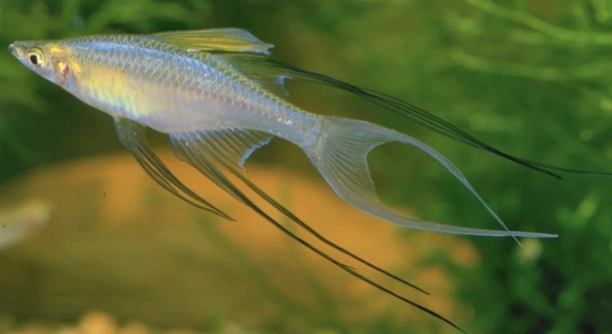
Do you enjoy observing the lively behavior of your freshwater aquarium fish? Threadfin Rainbowfish are especially captivating with their shimmering colors and energetic movements. Many aquarists notice their unusual reactions when they encounter reflective surfaces in the tank.
Threadfin Rainbowfish can recognize their reflections to a limited extent. Research indicates that they may respond to mirrors or reflective surfaces with investigative or territorial behaviors, though this recognition does not necessarily indicate self-awareness. Their responses are primarily instinctual rather than cognitive.
Understanding how these fish perceive reflections can improve tank setups and interactions. Observing their behavior carefully provides insight into their natural instincts and enriches the aquarium experience.
How Threadfin Rainbowfish React to Reflections
Threadfin Rainbowfish often show noticeable behaviors when they see their reflections. Some may swim quickly back and forth, exploring the reflective surface, while others may flare their fins or change colors. These reactions are usually instinctive and linked to territorial behavior rather than true self-recognition. The fish may interpret their reflection as another fish intruding into their space. Over time, some fish seem to grow accustomed to mirrors or reflections and may reduce their aggressive or curious responses. Observing these behaviors can reveal patterns in dominance, social interaction, and stress levels. Tank placement, lighting, and reflective materials influence the intensity of these reactions. Careful observation allows aquarists to adjust tank layouts, ensuring fish remain comfortable and healthy. Consistent monitoring helps prevent prolonged stress, which can affect feeding, swimming patterns, and overall well-being. Understanding reflection behavior also offers insight into their natural instincts and survival strategies in the wild.
These responses are largely instinctual and may not indicate conscious recognition. Fish react differently based on personality and tank environment.
Reflection behavior can serve as a tool to study interaction and aggression. It provides subtle cues about social hierarchy and helps aquarists make adjustments. Watching how fish respond over time can show which individuals are dominant or more timid. It also helps identify stress triggers or environmental factors affecting behavior. By paying attention to these subtle signals, tank setups can be optimized for both comfort and enrichment, ensuring healthier and more active fish. Recording and comparing responses under varying conditions—different lighting, tank sizes, or mirror positions—can yield valuable data about natural instincts. While reflections do not guarantee self-awareness, they offer a unique window into behavioral tendencies. Observing these patterns can improve feeding schedules, placement of decorations, and tank cleaning routines. Maintaining a stable and predictable environment reduces stress and fosters more natural behaviors. Over time, these insights allow aquarists to create conditions that closely mimic a natural habitat, improving the fish’s overall quality of life.
Factors Influencing Reflection Recognition
Tank size, lighting, and presence of other fish affect how Threadfin Rainbowfish react to reflections.
Environmental factors such as water clarity, tank decorations, and mirror placement strongly impact behavior. Clear water enhances visibility, increasing interaction with reflections. Bright or fluctuating lighting can intensify stress or curiosity. Smaller tanks may amplify territorial responses, while larger tanks provide more space to explore and retreat. The presence of other fish also changes responses; social or schooling behavior may reduce aggression, while solitary fish may react more intensely. Reflection duration plays a role as well—occasional exposure is less stressful than constant reflection. Over time, fish may habituate to their mirrored image if environmental factors remain stable. Even subtle changes, like moving decorations near a reflective surface, can alter reactions. Recognizing these influences helps aquarists create more comfortable and stimulating conditions. Properly managing these variables ensures fish are healthy, engaged, and less prone to stress-related issues. By tailoring the tank environment to the fish’s natural tendencies, their responses to reflections can be better understood and observed.
Social Behavior and Reflections
Threadfin Rainbowfish often react to reflections as if another fish is present. This can trigger displays of dominance, increased swimming activity, or fin flaring. Social interactions in the tank, including schooling tendencies, can alter these responses, reducing or amplifying their engagement with reflections.
Reflections sometimes mimic the presence of rivals or companions, influencing the fish’s social behavior. In a community tank, reactions vary depending on hierarchy, personality, and previous experiences with other fish. Dominant individuals may approach mirrors aggressively, while more timid fish may avoid them entirely. Observing these behaviors can reveal insights into natural social structures, territorial instincts, and interactions, helping to create a balanced and stress-free environment. Fish often adjust their behavior over time, either becoming accustomed to reflective surfaces or continuing to respond strongly. Tank layout, hiding spots, and presence of other species all influence how reflections affect daily routines.
Studying reflection responses also aids in identifying individual differences in temperament. Fish with bold personalities may consistently confront reflections, whereas shy fish show hesitation or avoidance. This information can guide aquarists in pairing compatible fish, reducing conflict, and enhancing overall tank harmony. Furthermore, observing these patterns provides a better understanding of environmental enrichment needs. Strategic mirror placement or occasional reflection exposure can serve as a controlled form of stimulation, preventing boredom while minimizing stress. By carefully monitoring interactions, aquarists can support natural behaviors and ensure healthier, more active fish.
Stress and Reflection Responses
Excessive exposure to reflections can cause stress in some Threadfin Rainbowfish. Signs include rapid swimming, color fading, or hiding frequently.
Stress responses vary widely depending on individual temperament, tank conditions, and social dynamics. Fish in smaller tanks or with limited hiding spaces are more likely to show prolonged stress. Environmental factors like lighting, water quality, and noise levels also contribute to how intensely fish react to reflections. Over time, constant exposure may lead to reduced feeding, lethargy, or aggressive behaviors toward tank mates. Some fish acclimate, displaying less pronounced reactions, while others remain sensitive. Monitoring these responses allows for adjustments, such as repositioning reflective surfaces or increasing environmental enrichment. Managing stress ensures fish maintain normal activity, coloration, and appetite, supporting long-term health. Consistent observation helps aquarists differentiate between temporary curiosity and persistent distress. By understanding these patterns, tank setups can be optimized to balance stimulation and comfort, promoting a healthier aquatic environment.
Mirror Placement in the Tank
Proper placement of mirrors or reflective surfaces affects how Threadfin Rainbowfish respond. Positioning reflections away from high-traffic areas can reduce stress and aggressive behavior, while occasional exposure can encourage natural curiosity without overwhelming the fish.
Using mirrors too frequently or in small tanks can increase tension. Reflections should be monitored, and exposure adjusted to prevent prolonged stress. Observation helps identify which fish tolerate reflections and which need distance. Small changes in mirror angle or location can significantly alter behavior.
Recognizing Individual Differences
Individual fish react differently to reflections. Some may display curiosity and approach slowly, while others may immediately retreat or show defensive displays. Personality and previous social experiences influence these reactions, emphasizing the need for careful observation and individualized management within the tank environment.
Behavioral Enrichment
Reflection exposure can serve as a simple form of behavioral enrichment. Controlled and limited interaction encourages activity and exploration, stimulating instincts and supporting mental and physical health in the fish.
FAQ
Do Threadfin Rainbowfish recognize themselves in mirrors?
Threadfin Rainbowfish do not appear to recognize themselves in mirrors the way some mammals or birds might. Their reactions are typically instinctive rather than reflective. They may perceive their reflection as another fish and respond with curiosity, territorial displays, or investigative swimming. While repeated exposure can lead to habituation, this does not indicate self-awareness, but rather an adjustment to a stimulus in their environment.
Why do my Threadfin Rainbowfish act aggressively near reflections?
Aggression near reflections usually stems from territorial instincts. The fish may interpret the mirrored image as an intruder competing for space or resources. Dominant individuals may chase or display fin flaring, while less assertive fish may retreat. Aggressive behavior is more pronounced in smaller tanks or when hiding spots are limited. Gradually introducing reflective surfaces or limiting exposure can reduce stress and minimize conflicts among tank mates.
Can mirror exposure stress Threadfin Rainbowfish?
Yes, prolonged exposure to reflections can increase stress. Signs include rapid swimming, hiding, fading colors, or reduced appetite. Individual temperament, tank size, and environment all influence stress levels. Providing hiding spaces, reducing mirror exposure, and monitoring behavior ensures that fish remain healthy and avoid chronic stress effects. Controlled use of reflective surfaces can stimulate curiosity without overwhelming the fish.
Do all Threadfin Rainbowfish react the same way to mirrors?
No, individual differences are significant. Some fish are naturally bold and may approach mirrors with curiosity, while shy or timid individuals may avoid reflections entirely. Personality, previous social interactions, and hierarchical position within the tank affect responses. Observing each fish helps determine appropriate mirror exposure and ensures that interactions remain positive, avoiding unnecessary stress or conflict.
How often should mirrors be introduced for enrichment?
Mirrors should be used sparingly for enrichment. Short, controlled exposure encourages activity and natural behaviors without causing prolonged stress. Gradually increasing interaction while monitoring fish responses allows them to engage safely with reflections. Overuse can lead to heightened aggression, fatigue, or stress, making moderation essential.
Can reflection exposure replace social interaction?
No, reflections cannot replace actual social interaction. While mirrors provide temporary stimulation, they do not fulfill social needs or provide real companionship. Schooling fish, in particular, require live tank mates to establish social structures, maintain normal behavior, and support mental well-being. Reflections serve only as supplemental enrichment.
What are signs that a fish is overreacting to reflections?
Overreaction can include frantic swimming, constant chasing of the reflection, hiding for extended periods, or fin damage from repeated aggression. Color fading or loss of appetite may also indicate stress. Monitoring these behaviors allows for intervention, such as removing reflective surfaces temporarily or providing more space and environmental enrichment.
Does tank setup influence reflection behavior?
Yes, tank size, decoration placement, lighting, and water clarity all affect how fish perceive and respond to reflections. Larger tanks with multiple hiding spots generally reduce aggressive responses, while clear water and bright lighting can make reflections more noticeable. Adjusting environmental factors helps control intensity of reactions and supports healthy behavior.
Are there benefits to controlled mirror exposure?
Controlled mirror exposure can encourage natural curiosity, stimulate activity, and provide enrichment. It can also help aquarists observe individual fish personalities, social hierarchy, and behavior patterns. However, careful monitoring is necessary to prevent stress or aggression, ensuring that the enrichment remains positive and beneficial.
Can reflection experiments help understand fish behavior?
Yes, observing reactions to mirrors provides insight into territorial instincts, social behavior, and individual temperament. While it does not indicate self-awareness, it allows aquarists to better understand how each fish interacts with its environment, enabling informed decisions about tank management, enrichment, and social grouping.
How long should each mirror exposure last?
Short sessions of a few minutes to half an hour are generally sufficient. Prolonged exposure can increase stress and aggression. Observing the fish closely during mirror sessions helps gauge tolerance, adjust timing, and ensure the experience remains safe and stimulating.
Is it safe to leave mirrors in the tank permanently?
Leaving mirrors permanently in the tank is not recommended. Continuous reflection can provoke chronic stress or aggressive behavior. Intermittent and controlled exposure is safer, allowing fish to interact occasionally without negatively affecting their health or social dynamics.
Do reflections influence feeding or activity levels?
Reflections can temporarily increase activity, curiosity, or exploration around the mirrored area. Some fish may become more alert and display enhanced swimming patterns. However, overexposure or stress from reflections can reduce feeding interest or cause lethargy, so monitoring responses is important to maintain normal routines.
Can reflections affect social hierarchy in the tank?
Yes, dominant fish may reinforce territorial behaviors when exposed to reflections, while submissive fish may retreat or avoid the area. Repeated exposure can subtly influence interactions among tank mates, highlighting the importance of observing behavior and ensuring that reflection exposure does not disrupt social balance.
How do reflections compare to other forms of enrichment?
Reflections are a simple, low-cost form of enrichment but are limited in scope. They provide visual stimulation and encourage movement, but do not replace environmental complexity, varied hiding spots, or live social interaction. Combining reflections with other enrichment strategies promotes balanced, healthy, and engaging conditions for Threadfin Rainbowfish.
Final Thoughts
Threadfin Rainbowfish exhibit interesting reactions to reflections, but it is important to understand that these behaviors are primarily instinctual. While they may approach, investigate, or display territorial behaviors toward a mirrored surface, this does not mean they recognize themselves. Their responses are linked to natural instincts like curiosity, social hierarchy, and territorial defense. Observing these behaviors over time can provide valuable insight into individual personalities, tendencies, and stress levels. Each fish reacts differently depending on temperament, past experiences, and the environment of the tank. Some may become accustomed to reflections quickly, showing minimal interest, while others continue to investigate or act defensively. This variation highlights the importance of paying attention to each fish rather than assuming uniform behavior.
Tank conditions play a significant role in shaping how Threadfin Rainbowfish interact with reflections. Factors like tank size, water clarity, lighting, and the presence of other fish can either reduce or amplify responses. Smaller tanks or limited hiding spaces can lead to heightened territorial displays, while larger, more enriched environments help fish manage their interactions. Reflections can also serve as a form of mild enrichment if introduced thoughtfully and monitored carefully. Controlled exposure encourages movement, stimulates natural instincts, and provides subtle mental engagement. However, it should never replace real social interactions or other forms of environmental enrichment. Careful observation allows aquarists to tailor exposure, ensuring it benefits the fish without causing prolonged stress. Regularly checking for signs of aggression, hiding, or color fading ensures that the fish are comfortable and healthy. Adjustments to placement, exposure duration, or tank conditions can help maintain balance in the aquarium.
Understanding these behaviors ultimately improves the overall care of Threadfin Rainbowfish. Monitoring how each fish reacts to reflections, along with other environmental and social factors, helps create a stable and stimulating habitat. By recognizing individual differences and adjusting conditions accordingly, aquarists can promote well-being, natural activity, and balanced social interactions. Controlled reflection exposure can provide enrichment, encourage exploration, and allow for better observation of fish personalities. When combined with proper tank maintenance, diet, and environmental complexity, this approach ensures that Threadfin Rainbowfish remain active, healthy, and engaged. Taking the time to observe and respond to these subtle behavioral cues strengthens the connection between aquarist and fish, leading to a more harmonious and well-managed aquarium. Careful attention and thoughtful management create an environment where these fish can thrive while maintaining their natural instincts and behaviors.

Hello,
If you enjoy the content that we create, please consider saying a "Thank You!" by leaving a tip.
Every little bit helps us continue crafting quality advice that supports the health, happiness, and well-being of pets around the world, for pets of all shapes, sizes, and species.
We really appreciate the kindness and support that you show us!