
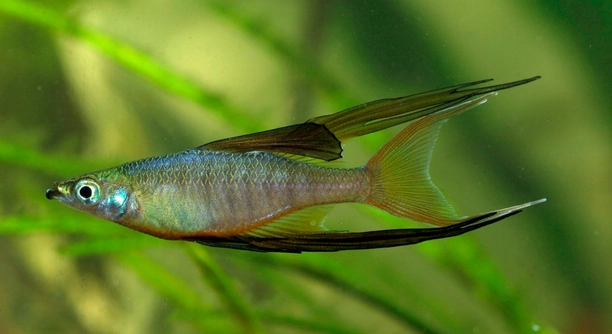
Are your threadfin showing subtle changes in behavior that seem unusual? Observing their interactions carefully can reveal signs of stress or discomfort, allowing you to respond appropriately and maintain a healthy environment for your fish.
Threadfin fish may exhibit specific behaviors when feeling threatened, including sudden darting movements, hiding, fin clamping, or reduced feeding activity. Recognizing these signs early can help prevent escalation and promote a stable aquatic environment.
Monitoring these subtle signals is essential for maintaining a calm and safe habitat for your threadfin. Awareness of these clues ensures their wellbeing and encourages a balanced ecosystem.
Sudden Darting or Erratic Swimming
Threadfin often display sudden darting or erratic swimming when they feel threatened. You may notice them moving quickly from one side of the tank to another or abruptly changing direction. These movements can indicate stress caused by a new addition to the tank, loud noises, or sudden changes in water conditions. Even subtle disturbances, like shadows moving across the tank, can trigger these reactions. Observing the frequency and intensity of these movements is important. Consistent erratic swimming may suggest the fish feels insecure or is attempting to escape perceived danger. Temporary bursts of speed are normal, but persistent behavior should be addressed. Adjusting tank decor, reducing sudden noises, and checking water parameters can help mitigate stress. Ensuring the fish has hiding spots and adequate space also reduces the likelihood of constant erratic swimming. Monitoring these behaviors over time provides insight into the fish’s comfort level and overall health.
Regularly noticing sudden darting allows early intervention, keeping your threadfin safe.
Maintaining a calm environment helps minimize stress. Avoid overcrowding the tank, and ensure all equipment operates quietly. Gradually acclimating new additions and observing interactions between fish can prevent aggression. Providing shelters and consistent feeding schedules reassures threadfin, reducing erratic swimming. Over time, they adapt better to their surroundings, and stress-related behaviors decline.
Hiding or Seeking Shelter
Threadfin tend to hide more when they feel threatened. This behavior is common when new fish are introduced or when water conditions fluctuate.
Hiding serves as a protective mechanism to feel secure. Threadfin may retreat behind plants, rocks, or decorations. Prolonged hiding, however, could indicate ongoing stress or illness. Regularly checking water temperature, pH, and cleanliness ensures the environment supports their wellbeing. Avoid sudden changes in lighting or decorations, as these can trigger hiding behaviors. Observing interactions with other fish is also essential, as dominant tank mates may intimidate threadfin, increasing their need for shelter. Consistent feeding and gentle movements around the tank reduce anxiety. Providing multiple hiding spots ensures all fish feel safe and can retreat without conflict. Over time, threadfin that feel secure will gradually explore more openly, signaling improved comfort. Monitoring hiding patterns helps track the fish’s stress levels and allows timely interventions to maintain a healthy habitat. Proper care and observation lead to more active, confident fish, making the tank environment stable and balanced.
Fin Clamping
Fin clamping is a clear sign your threadfin feels threatened. The fish keeps its fins tightly against its body instead of spreading them naturally, often when stressed or sensing danger in the tank environment.
This behavior can result from poor water quality, sudden temperature changes, or aggressive tank mates. Clamped fins reduce the fish’s ability to swim efficiently and signal discomfort. Observing fin posture regularly helps identify stress early. Improving water parameters, reducing aggression, and maintaining a calm environment encourages the fish to relax. Sometimes, simply adding plants or decorations for cover allows threadfin to feel more secure and gradually open their fins again.
Persistent fin clamping can indicate illness or prolonged stress. Monitoring feeding habits, behavior, and interactions with other fish is essential. Nutritional support and a stable environment often help reverse the condition. Creating consistent routines for feeding and tank maintenance reassures threadfin, reducing anxiety. Over time, with proper care, fin clamping diminishes, and the fish resumes normal swimming patterns, reflecting improved health and comfort in its habitat.
Reduced Feeding Activity
Reduced feeding activity often accompanies stress in threadfin. Fish may ignore food or show hesitation when approaching feeding areas, signaling discomfort or perceived threats.
Stress factors like overcrowding, poor water conditions, or aggressive tank mates can cause reduced appetite. Feeding schedules, water temperature, and tank maintenance directly affect their willingness to eat. Observing how long the fish takes to eat and noting changes in behavior can help identify underlying issues. Offering smaller, frequent meals can encourage feeding while minimizing stress. Additionally, providing hiding spaces allows fish to feel secure during feeding times, promoting more consistent eating patterns.
A sudden drop in appetite may also indicate illness or parasite infestation. Regularly checking water parameters, monitoring behavior, and maintaining proper nutrition is vital. Ensuring food is fresh and appropriate for the species supports recovery and overall health. Combining environmental adjustments with attentive care helps threadfin regain normal feeding behavior. Over time, consistent feeding and a calm tank reduce stress, allowing the fish to thrive, regain energy, and display natural behavior confidently.
Hiding Near the Bottom
Threadfin often retreat to the bottom of the tank when feeling threatened. Staying close to the substrate allows them to feel protected and reduces exposure to potential stressors in their environment.
This behavior can indicate insecurity or fear. Observing how frequently the fish remains at the bottom helps identify persistent stress and triggers, allowing timely adjustments in tank conditions.
Rapid Gill Movement
Rapid gill movement is a sign your threadfin is stressed. Increased breathing rate often occurs when oxygen levels drop or the fish senses danger.
Monitoring water oxygen levels, temperature, and flow can help address the cause. Adjusting aeration or reducing sudden disturbances helps threadfin return to normal breathing patterns.
Isolated Swimming
Threadfin may isolate themselves from the group when feeling threatened. This behavior reduces confrontation but also signals discomfort or fear in their surroundings.
Providing adequate space, consistent feeding, and gentle interactions can encourage more social behavior. Over time, isolation decreases as the fish regains confidence and security.
How can I tell if my threadfin feels threatened?
Signs your threadfin feels threatened include sudden darting, fin clamping, hiding, rapid gill movement, reduced feeding, and isolating themselves from other fish. Observing these behaviors consistently can help you identify stress early and take corrective action. Monitoring interactions with tank mates and environmental changes is also key.
What causes threadfin to display stress behaviors?
Stress in threadfin often results from poor water quality, sudden temperature shifts, overcrowding, aggressive tank mates, or changes in lighting and decorations. Even minor disturbances, such as shadows across the tank or loud noises, can trigger stress responses. Providing a stable and calm environment helps reduce these behaviors.
How can I improve my threadfin’s environment to reduce stress?
Maintaining clean water with proper filtration, stable temperature, and balanced pH is essential. Adding hiding spots like plants or decorations allows fish to feel secure. Reducing aggressive fish or overcrowding also helps. Consistent feeding schedules and gentle handling minimize stress and encourage natural behavior.
Why is my threadfin hiding more than usual?
Hiding is a natural response when a threadfin feels threatened or insecure. Prolonged hiding may indicate ongoing stress or potential illness. Checking water quality, tank conditions, and interactions with other fish can identify triggers. Providing multiple shelters ensures fish feel safe and can gradually explore the tank.
What does fin clamping indicate?
Fin clamping shows discomfort or stress. It reduces swimming efficiency and can signal poor water conditions, aggressive tank mates, or illness. Observing fin posture regularly helps detect issues early. Environmental improvements and a stable routine often allow threadfin to relax and resume normal swimming patterns.
How should I respond to reduced feeding activity?
Reduced feeding indicates stress, illness, or environmental problems. Offering smaller, frequent meals, checking water parameters, and providing hiding spots can help. Consistency in feeding times reassures fish and encourages eating. If appetite does not improve, investigate potential illness or parasites and take corrective action.
Can rapid gill movement be dangerous?
Rapid gill movement often signals stress, low oxygen, or poor water conditions. Monitoring oxygen levels, water flow, and temperature is essential. Improving aeration, reducing disturbances, and maintaining a clean tank helps threadfin return to normal breathing patterns. Persistent rapid gill movement may require further attention.
Why does my threadfin swim alone or isolate itself?
Isolation reduces confrontation and indicates discomfort or fear. Overcrowding, aggressive tank mates, or changes in the environment can trigger this behavior. Providing adequate space, hiding spots, and a calm routine encourages fish to socialize and regain confidence gradually.
How long does it take for threadfin to recover from stress?
Recovery depends on the cause and severity of stress. Environmental improvements, consistent feeding, and reducing disturbances help threadfin regain normal behavior within days to weeks. Monitoring closely ensures adjustments are effective and prevents prolonged stress, supporting the fish’s overall wellbeing.
Is it normal for threadfin to exhibit multiple stress behaviors at once?
Yes, it is common. A threatened fish may hide, clamp fins, reduce feeding, and breathe rapidly simultaneously. Identifying all behaviors helps pinpoint the source of stress and implement corrective measures. Consistency and patience in care promote recovery and long-term health.
What preventive measures help keep threadfin calm?
Maintaining clean, stable water, providing hiding spots, avoiding sudden changes, and managing tank mates are key. Regular observation allows early detection of stress signs. Ensuring proper nutrition, gentle handling, and adequate space supports a confident, healthy, and active threadfin population.
Can stress affect the long-term health of threadfin?
Prolonged stress can weaken the immune system, reduce growth, and increase susceptibility to disease. Addressing environmental factors, ensuring proper nutrition, and monitoring behavior are essential to prevent long-term health issues and maintain a thriving tank ecosystem.
How often should I monitor my threadfin for stress?
Daily observation is ideal. Watch for changes in swimming patterns, feeding, fin posture, and interactions. Regular monitoring ensures early detection of stress, enabling timely intervention before it escalates into more serious health concerns.
What role do hiding spots play in stress reduction?
Hiding spots provide security and reduce exposure to perceived threats. They allow threadfin to retreat when feeling insecure and gradually adjust to the tank. Multiple shelters reduce competition and help fish feel safe, which minimizes stress-related behaviors.
How can I tell the difference between temporary and persistent stress?
Temporary stress often resolves quickly after minor disturbances, like adjusting lighting or feeding schedules. Persistent stress shows ongoing behaviors, such as constant hiding, fin clamping, or reduced feeding. Consistent observation and environmental adjustments help differentiate between short-term reactions and chronic stress.
Are there signs that indicate severe stress in threadfin?
Severe stress may include continuous fin clamping, rapid gill movement, refusal to eat, isolation, and erratic swimming over extended periods. Addressing water quality, tank conditions, and potential illness immediately is crucial to prevent further health decline.
How do tank mates influence threadfin stress levels?
Aggressive or overly active fish can intimidate threadfin, causing hiding, fin clamping, or reduced feeding. Careful selection of compatible tank mates, observing interactions, and providing enough space and hiding areas reduce stress and encourage healthy social behavior.
Can changing the tank layout reduce stress?
Yes. Adding plants, rocks, or decorations creates secure areas and reduces exposure to perceived threats. Rearranging the tank gradually can encourage exploration while giving threadfin confidence. Sudden changes should be avoided, as they may increase stress instead of relieving it.
What should I do if my threadfin shows signs of illness along with stress?
Consult a professional or use appropriate treatment after identifying the illness. Maintaining clean water, stable conditions, and proper nutrition supports recovery. Combining medical care with stress reduction strategies ensures better outcomes and long-term health.
How important is consistent feeding for reducing stress?
Very important. Predictable feeding schedules reassure threadfin, reduce competition, and encourage normal behavior. Providing high-quality, appropriate food supports energy levels and overall health, helping fish cope with environmental stressors effectively.
How can I maintain long-term calm in my threadfin population?
Ensure stable water conditions, provide hiding spots, choose compatible tank mates, and maintain consistent routines. Regular monitoring for stress behaviors allows early intervention. Combining attentive care, proper nutrition, and a balanced environment helps threadfin remain confident, active, and healthy over time.
Observing your threadfin closely is essential for maintaining a healthy and balanced aquarium. These fish communicate discomfort and stress through subtle behaviors, and understanding these signals allows you to provide the right care. Paying attention to changes in swimming patterns, feeding habits, fin posture, and social interactions gives a clear picture of their wellbeing. Even small shifts, like darting suddenly or hiding more than usual, are important indicators. Acting on these observations early helps prevent stress from escalating and protects your fish from potential health problems. Regular monitoring is not only about noticing problems but also about maintaining consistency in their environment. Threadfin thrive in stable conditions where water quality, temperature, and tank setup remain predictable. By creating a calm and structured habitat, you reduce the chances of sudden stressors affecting their behavior. Consistency in care builds confidence in the fish, encouraging them to explore their surroundings and interact naturally with tank mates.
Proper tank management is equally critical in reducing stress. Ensuring water is clean, oxygen levels are adequate, and the pH is stable contributes directly to their comfort. Providing hiding spots such as plants, rocks, or decorations allows threadfin to feel secure and minimizes defensive behaviors. Overcrowding should be avoided, as too many fish can lead to competition and territorial disputes. Similarly, introducing new fish gradually helps existing threadfin adjust without feeling threatened. Feeding schedules should be regular and predictable, with nutritious, species-appropriate food. Small, frequent meals can help reduce anxiety and ensure all fish receive enough nutrition. Paying attention to interactions between fish also allows you to identify any aggression that could contribute to stress. When multiple stressors are minimized, threadfin display healthier behavior, improved appetite, and more confident swimming. Observing their responses to adjustments in the environment provides feedback on what is effective and what needs improvement.
Understanding and addressing stress in threadfin is an ongoing process that requires patience and attention. Subtle clues, if ignored, can develop into persistent issues affecting their long-term health. By monitoring behavior and maintaining stable, supportive conditions, you can ensure that your fish remain active, comfortable, and secure. Regular care, including water checks, proper feeding, and attention to social dynamics, creates an environment where threadfin can thrive. Even minor improvements in tank management can have a noticeable effect on reducing stress and encouraging natural behavior. Ultimately, being proactive about these signs and responding appropriately strengthens the health and confidence of your threadfin. A well-maintained tank, thoughtful monitoring, and consistent care support both the physical and psychological wellbeing of your fish. Observing changes, adjusting conditions, and providing a secure habitat are all part of ensuring a thriving aquarium. By staying attentive and responsive, you can create a stable environment where threadfin feel safe, reducing stress and promoting long-term health.

Hello,
If you enjoy the content that we create, please consider saying a "Thank You!" by leaving a tip.
Every little bit helps us continue crafting quality advice that supports the health, happiness, and well-being of pets around the world, for pets of all shapes, sizes, and species.
We really appreciate the kindness and support that you show us!