
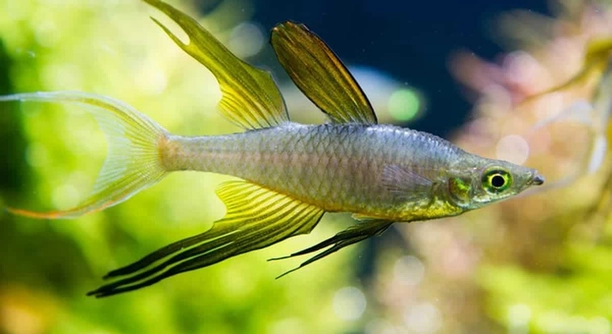
Moving threadfins to a new tank can be stressful for both the fish and their owner. Even careful preparations may not prevent signs of anxiety, restlessness, or hiding behavior. Understanding how to help them adjust is essential.
Providing a calm environment is crucial after a tank move. Minimizing sudden changes, maintaining stable water parameters, and limiting disturbances allows threadfins to recover from stress. Gradual acclimation, consistent feeding schedules, and monitoring behavior reduce the risk of illness or injury.
Learning to recognize stress cues and applying simple calming techniques will help your threadfins settle more comfortably in their new environment. Consistent care ensures their adjustment is smoother and safer.
Preparing the Tank Before the Move
Before moving threadfins, it is important to prepare their new tank properly. Ensure the water temperature, pH, and salinity match the original tank. Clean decorations and substrate carefully, avoiding strong chemicals that could stress the fish. Add hiding spots like rocks or plants to make the environment feel safe. Lighting should be gentle at first, avoiding sudden bright lights. Checking the filtration system is essential to maintain water quality. Introduce the new tank slowly by letting water circulate and stabilize for at least 24 hours. Avoid overcrowding the tank to give each fish enough space. Monitoring water parameters during this period helps prevent stress from sudden changes. A well-prepared tank reduces anxiety and makes the transition smoother. Taking these steps shows consideration for the fish’s comfort and long-term health, making the adaptation period less challenging and safer.
Proper preparation of the tank significantly reduces stress for threadfins during relocation, ensuring their environment remains stable and safe.
Once the tank is ready, it is easier to guide threadfins into their new space. Gradually acclimating them and keeping routines familiar helps them settle faster. Observing their behavior closely during the first days is important to detect signs of stress early.
Gradual Acclimation to the New Environment
Introducing threadfins slowly helps them adjust without shock. Start by floating their transport bag in the new tank for temperature equalization.
Gradual acclimation reduces stress by allowing fish to get used to differences in water chemistry, lighting, and surroundings. Slowly adding small amounts of tank water to the transport bag over 30–60 minutes helps threadfins adjust. Releasing them carefully prevents injury, especially near decorations or the substrate. Maintaining a calm environment during this period is essential, avoiding sudden movements or loud noises. Feeding lightly during the first day encourages normal behavior without overloading their system. Monitoring for erratic swimming, hiding, or loss of appetite gives early signs of stress. By paying attention to these details, the adaptation process is smoother. Supporting the fish with a stable environment and consistent routines strengthens their immunity and reduces risk of disease. This careful acclimation ensures that threadfins recover quickly and feel secure in their new surroundings. Regular observation after the initial move is recommended to adjust lighting, water flow, and feeding schedules if needed.
Minimizing Disturbances
Threadfins are sensitive to sudden movements and loud noises around their tank. Limiting activity near the tank for the first few days helps them feel safe. Avoid tapping the glass, moving decorations, or rearranging equipment during this adjustment period.
Reducing disturbances creates a calm environment where threadfins can settle comfortably. Sudden changes in light, noise, or water flow can trigger stress behaviors such as darting, hiding, or refusing food. Keeping consistent routines, like feeding at the same time each day, adds predictability that reassures the fish. Even small changes, like opening the tank lid abruptly, can increase anxiety. Maintaining a quiet space and avoiding unnecessary handling ensures threadfins focus on exploring and adapting rather than reacting to stressors. A peaceful environment during these first days supports their overall health and helps them regain confidence in their new surroundings.
Observing threadfins without interfering lets you identify which areas of the tank they prefer and which decorations make them feel secure. Adjusting placement subtly can guide them toward comfortable hiding spots without causing additional stress.
Monitoring Water Quality Closely
Stable water conditions are crucial for threadfins after a move. Frequent testing of temperature, pH, and ammonia levels prevents sudden stress.
Threadfins are highly sensitive to changes in water chemistry, and fluctuations can lead to illness or unusual behavior. After a tank move, it is important to test water parameters daily for the first week. Even minor shifts in temperature or pH can trigger stress responses like rapid gill movement, hiding, or loss of appetite. Ensuring ammonia, nitrite, and nitrate levels remain safe helps prevent long-term health issues. Using reliable testing kits and partial water changes if necessary maintains stability. Monitoring water quality also allows adjustments to filtration and aeration to support optimal conditions. Gradual changes are safer than sudden corrections, and consistent testing builds confidence that the environment remains suitable for threadfins.
Maintaining water quality over time involves checking both chemical and physical parameters. Clean filters regularly, remove debris, and monitor water flow to reduce stress. This consistent care supports the fish’s immune system and encourages natural behavior, making recovery after relocation smoother and more reliable.
Providing Hiding Spots
Threadfins feel more secure when they have places to hide. Adding rocks, plants, or small caves helps reduce stress after a move. These spots allow them to rest and observe their surroundings safely.
Hiding areas also encourage natural behavior. Fish that feel exposed may become more restless or aggressive. By providing cover, you help them regain confidence and adapt more quickly to the new tank environment.
Adjusting Feeding Routines
Feeding threadfins lightly and consistently after a move supports their recovery. Offer small portions multiple times a day rather than a single large meal. Avoid overfeeding, which can strain their digestive system and degrade water quality.
Gradually reintroducing familiar foods helps them recognize safe nutrition sources in the new tank. Observing their appetite and adjusting the type or amount of food allows for better management of stress and energy levels. Incorporating live or frozen options can encourage activity and exploration while keeping them nourished. Maintaining a stable feeding schedule reduces anxiety and promotes healthy growth, aiding in overall adaptation to their new environment. Consistency in diet reinforces routine and supports immune function.
Gentle Observation
Watching threadfins quietly lets you notice early stress signs without adding pressure. Avoid sudden movements or tapping the glass, as this can increase anxiety.
Limiting Light Exposure
Reducing light intensity during the first days helps threadfins adjust more comfortably. Gradual increases prevent overstimulation and promote calmer behavior.
FAQ
How long does it take for threadfins to adjust after a tank move?
Threadfins typically need about one to two weeks to fully adjust to a new environment. Some individuals may settle faster, while others take longer, depending on stress levels and tank conditions. Patience is key during this period.
What are the signs that threadfins are stressed after moving?
Common signs include hiding more than usual, rapid gill movement, erratic swimming, loss of appetite, or staying near the tank bottom. Watching for these behaviors helps identify stress early and allows timely adjustments to care routines.
Can I use decorations from the old tank?
Yes, but make sure they are thoroughly cleaned without harsh chemicals. Using familiar decorations can provide comfort, as threadfins recognize their scents and textures, helping reduce anxiety.
Is it okay to feed them normally right after the move?
It’s best to feed lightly for the first few days. Overfeeding can cause digestive issues and degrade water quality, which increases stress. Small, frequent meals help maintain energy without overwhelming the fish.
How often should I test water parameters?
Daily testing for the first week after a move is recommended. Focus on temperature, pH, ammonia, nitrite, and nitrate levels. Once stable, testing can become less frequent but should remain consistent to prevent surprises.
Do threadfins need hiding spots in the new tank?
Absolutely. Plants, rocks, and caves provide security and allow them to retreat if stressed. Lack of cover can make fish feel exposed, leading to prolonged anxiety and abnormal behavior.
Should I handle them during the first few days?
Handling should be minimized. Even gentle contact can increase stress and slow acclimation. Only intervene if absolutely necessary, such as removing debris or treating health issues.
How do I reduce stress from light and noise?
Dim lighting for the first few days and avoid loud or sudden noises near the tank. Consistent ambient conditions encourage calm behavior and faster adaptation.
What role does water flow play in calming threadfins?
Moderate and steady water flow is ideal. Too strong currents can exhaust fish, while stagnant water reduces oxygen levels. Adjust flow carefully, ensuring it supports their comfort without causing agitation.
Can stress affect their immune system?
Yes, prolonged stress weakens immunity, making threadfins more prone to infections. Maintaining stable conditions, proper diet, and minimal disturbances supports their health and recovery.
Is it helpful to keep a routine during adjustment?
Maintaining consistent feeding times, light cycles, and minimal changes in the tank environment reassures threadfins. Predictability helps reduce stress and encourages normal behavior patterns.
What if a fish refuses food for several days?
Slightly reduced appetite is normal initially. If refusal continues beyond three days, check water quality, hiding spots, and health. Offering familiar or live food may encourage feeding without adding pressure.
How can I safely reintroduce them to a fully lit tank?
Increase lighting gradually over several days. Start with dimmed lights and slowly return to the normal schedule, monitoring behavior to ensure they remain calm and active.
Do multiple threadfins stress each other in a new tank?
They may show temporary territorial behavior, especially if space is limited. Ensure sufficient hiding spots and open swimming areas to reduce conflicts and allow each fish to feel secure.
How do I know if they are fully adjusted?
Threadfins that explore the tank, eat consistently, and interact with their environment normally are generally considered settled. Continued observation ensures ongoing comfort and health.
Can adding new fish during this period be harmful?
It’s best to wait until threadfins are fully acclimated. Introducing new fish too early can trigger stress, aggression, and competition for resources, slowing adjustment for both the original and new residents.
Should I worry about temperature fluctuations?
Yes, sudden temperature changes can be very stressful. Keep water temperature stable within their preferred range, using heaters or chillers if necessary. Monitoring daily helps prevent accidental shocks.
Is using a water conditioner important after moving?
Water conditioners remove harmful chlorine, chloramine, and heavy metals, which could increase stress or cause illness. Using them ensures the new tank environment is safe and supportive for recovery.
How can I encourage natural behavior during adjustment?
Provide hiding spots, moderate water flow, and light routines. Offering varied food, observing quietly, and minimizing disturbances encourages exploration, activity, and normal swimming patterns.
What should I do if stress persists beyond two weeks?
Recheck water quality, tank setup, and diet. Consider consulting an aquatic specialist if unusual behaviors continue. Persistent stress may indicate underlying issues that need attention for long-term health.
Can I use plants or live decorations to help them calm?
Live plants provide cover, improve water quality, and create a familiar environment. Their natural presence reduces stress and encourages fish to explore safely while supporting oxygen levels.
Does tank size affect adjustment?
Yes, overcrowding increases stress and limits hiding spaces. A properly sized tank with room to swim and explore helps threadfins acclimate more quickly and reduces aggressive behavior.
Are there signs of illness linked to stress?
Yes. Stress can trigger fin clamping, lethargy, white spots, or unusual swimming patterns. Monitoring for these signs early allows timely intervention and prevents severe health issues.
How important is patience during this period?
Patience is crucial. Rushing interventions, overfeeding, or frequent handling can worsen stress. Consistent, calm care ensures threadfins settle comfortably and remain healthy in their new environment.
Is quarantine necessary before a tank move?
If the fish are healthy and the new tank is prepared properly, quarantine is not always required. However, isolating any new or sick fish before introduction helps prevent disease spread and reduces stress for the established fish.
Can I play background sounds to calm them?
Gentle, consistent background noise can mask sudden sounds, but avoid loud music or sudden changes. Natural ambient sounds, like soft bubbling from filters, are usually sufficient to maintain a calm environment.
Does water hardness affect adjustment?
Yes, water hardness impacts comfort and stress levels. Matching the new tank’s hardness to the original environment helps threadfins feel secure and supports overall health during adaptation.
Are there supplements that help reduce stress?
Certain stress-reducing supplements, like aquarium-safe vitamins or herbal additives, can support immune function and calm behavior. Always follow manufacturer instructions and avoid overdosing, which can harm water quality and fish health.
Can rearranging the tank help them settle?
Minimal adjustments can encourage exploration, but avoid major changes in the first week. Once stress levels drop, subtle rearrangements provide new hiding spots and enrichment without causing anxiety.
How do I know if feeding routines are sufficient?
Threadfins that eat all offered food without leaving excess and maintain energy levels indicate proper feeding. Adjust portions if food is consistently left uneaten or if fish show lethargy or increased hiding.
Should I monitor individual fish separately?
Yes, observing each fish helps identify stress or illness early. Not all threadfins adjust at the same pace, so paying attention to individual behavior ensures proper care and reduces risks of unnoticed health issues.
Is water movement from the filter stressful?
Moderate flow is beneficial, but strong currents can exhaust fish. Positioning the filter or adjusting flow helps threadfins swim comfortably without overexertion, supporting calm adaptation.
How important is oxygenation during this period?
Adequate oxygen levels reduce stress and support metabolism. Using aeration devices or maintaining surface agitation ensures fish remain healthy and recover faster from the move.
What should I do if a fish hides constantly?
Provide additional cover, reduce disturbances, and observe quietly. Extended hiding may indicate stress or illness, so monitor feeding and behavior to determine if further intervention is necessary.
Can temperature swings overnight affect adjustment?
Yes, sudden drops or rises in temperature increase stress. Using heaters with thermostats or monitoring overnight changes prevents shocks and supports steady acclimation.
Is a dimmed night light helpful?
A gentle night light provides orientation without overstimulation. Complete darkness may confuse or startle fish when lights return, while a dim glow helps them feel secure.
Should I remove uneaten food promptly?
Yes, leftover food decomposes and impacts water quality, which stresses threadfins. Removing uneaten portions after feeding keeps the tank clean and minimizes water fluctuations.
How do I know when to return to normal routines?
Once threadfins explore actively, feed normally, and exhibit calm behavior consistently, you can gradually restore full lighting, water flow, and normal handling practices. Observation ensures adjustments are made at the right pace.
Are there environmental cues that help them feel safe?
Stable water conditions, predictable feeding, gentle lighting, and reliable hiding spots all signal a secure environment, encouraging exploration and normal behavior patterns.
Is monitoring behavior more important than water tests?
Both are essential. Water tests ensure the environment is physically safe, while behavior monitoring reveals how the fish respond emotionally. Combined, they provide a complete picture of adjustment success.
Can stress affect long-term growth?
Prolonged stress slows growth and may cause deformities or susceptibility to disease. Maintaining calm conditions, proper diet, and minimal disturbances supports healthy development over time.
How do I maintain calm once they are settled?
Keep consistent routines, avoid sudden changes, and monitor water quality. Subtle enrichment like plants or rocks can be added gradually to prevent boredom without creating new stress.
What are the most common mistakes during adjustment?
Overhandling, overfeeding, sudden light changes, and ignoring water parameters are frequent errors. Avoiding these mistakes helps threadfins settle safely and reduces the risk of long-term health issues.
How often should I observe them after the first week?
Daily observation remains important for at least two more weeks. Watching for behavior changes, appetite, and interaction with the environment ensures ongoing well-being.
Are there any signs that indicate full recovery from stress?
Active swimming, normal feeding, exploring hiding spots, and interaction with tank mates all indicate threadfins have adjusted. Consistent calm behavior shows they are comfortable and healthy.
Can environmental enrichment help after settling?
Yes, adding plants, rocks, or gentle water currents encourages exploration and natural behavior without triggering stress. Gradual introduction ensures continued comfort.
Is it normal for some fish to adapt slower than others?
Yes, individual temperament affects adjustment. Monitoring each fish separately and providing consistent care ensures even the more timid individuals settle safely.
How important is patience in long-term care?
Patience allows fish to acclimate at their own pace, reduces risk of stress-related illness, and supports healthy growth. Rushing interventions often causes more harm than good.
Do I need to separate aggressive fish during adjustment?
Temporary separation may be necessary if aggression persists. Ensure enough hiding spots and space first, but separating only if repeated stress or injury occurs maintains overall tank stability.
Can seasonal changes affect adaptation?
Sudden shifts in room temperature or lighting can influence water conditions and stress levels. Monitor and adjust accordingly to maintain a consistent environment year-round.
Is it helpful to take notes during adjustment?
Yes, recording feeding times, behavior patterns, and water tests helps track progress and detect subtle changes. Documentation supports better decision-making for long-term care.
How do I prevent future stress after the move?
Consistent routines, stable water parameters, minimal sudden changes, and sufficient space all contribute. Gradual adjustments to new conditions over time reduce the likelihood of repeated stress episodes.
Can stress lead to aggression between threadfins?
Yes, stressed fish may show defensive or territorial behavior. Providing hiding spots and enough swimming space minimizes conflict and ensures a calmer tank environment.
Is it necessary to adjust filtration after a move?
Yes, ensure filtration provides clean, oxygenated water without creating excessive currents. Properly balanced filtration supports comfort and recovery.
How long should I maintain gentle observation?
At least the first two weeks, gradually reducing intensity as fish demonstrate normal behavior. Continuous monitoring helps detect any delayed stress responses early.
Are there any signs of permanent stress damage?
Chronic stress can lead to stunted growth, weakened immunity, or abnormal behavior patterns. Early intervention reduces the likelihood of long-term effects.
How do I balance enrichment and calm?
Introduce decorations or mild water movement gradually, observing how fish react. Adjust slowly to avoid overstimulation while promoting exploration.
Is temperature consistency more important than light schedules?
Both are important, but sudden temperature fluctuations are more likely to trigger stress and health issues. Maintaining stable heat supports overall adjustment.
Should I adjust pH gradually if it’s different from the previous tank?
Yes, sudden pH changes cause stress. Use gradual adjustments over several days to match their previous environment safely.
How do I know if water supplements are needed?
Test water quality and observe fish behavior. Supplements may help if mineral levels differ significantly, but unnecessary use can create imbalances.
Can new plants cause stress?
Yes, unfamiliar plants may release substances or change water conditions. Introduce slowly and observe behavior before adding more.
How important is social observation among threadfins?
Watching interactions helps detect hierarchy issues or early aggression. Adjusting space or hiding spots can prevent prolonged stress.
Is it normal for threadfins to hide in groups initially?
Yes, huddling together provides a sense of security. Over time, they will explore individually as confidence grows.
Can water conditioners reduce stress?
Yes, by neutralizing harmful chemicals and stabilizing water quality, conditioners create a safer environment for adjustment.
What is the best way to handle leftover food and debris?
Remove uneaten food and vacuum the substrate regularly. Clean water reduces stress and prevents spikes in ammonia or nitrate levels.
Is observing at different times of day useful?
Yes, fish may behave differently depending on lighting and activity. Observing at multiple times helps track overall adjustment.
How can I support timid threadfins?
Provide extra hiding spots, minimize disturbances, and maintain consistent feeding. Gentle observation encourages confidence without forcing interaction.
Are there stress signs that are easy to miss?
Subtle signs like clamped fins, slight color changes, or mild inactivity can indicate stress. Close attention ensures early intervention.
Can using a net during adjustment increase stress?
Yes, handling or chasing fish with a net should be avoided unless necessary for health or safety.
How do I encourage natural schooling behavior?
Provide enough space and consistent water conditions. Avoid overcrowding or frequent changes that disrupt group dynamics.
Should I document water tests and observations?
Yes, keeping records helps detect trends, compare parameters, and notice behavioral changes, making long-term care easier and safer.
Can stress affect reproduction?
Yes, stressed threadfins may delay spawning or show reduced fertility. Stable conditions and calm surroundings are essential for breeding readiness.
How do I maintain calm water flow?
Adjust filter output or use deflectors to create gentle currents. Observe fish to ensure swimming remains comfortable.
Is diet variety important during adjustment?
Yes, offering familiar foods alongside occasional live or frozen options encourages feeding and natural behavior while minimizing stress.
How often should partial water changes be done?
Small, regular water changes help
Final Thoughts
Adjusting threadfins to a new tank can feel overwhelming at first, but taking things step by step makes it much easier. Every fish is different, so some may settle quickly while others take their time. Watching their behavior closely helps you understand their needs. Simple actions like keeping water stable, providing hiding spots, and feeding carefully go a long way. Stress can affect health, appetite, and activity, so maintaining calm conditions from the start is important. Even small changes in lighting, temperature, or water flow can make a difference, so consistency matters more than anything else during the first few weeks. Patience is key, and it’s okay if things don’t go perfectly right away.
Observation is one of the most important tools in helping threadfins adjust. Noticing subtle signs, such as hiding, changes in swimming, or loss of appetite, allows you to respond early. Sometimes all that’s needed is giving them space or adjusting the water flow. Providing familiar decorations or plants can comfort them, but too many new items at once may cause stress. Feeding small amounts more often rather than one large meal helps keep energy levels stable without overloading the tank. Keeping track of water parameters, like temperature, pH, and ammonia levels, ensures the environment is safe. Even if the water looks clean, testing regularly gives peace of mind and helps prevent health problems.
Long-term care depends on maintaining the routines that helped them settle initially. Gradually returning to normal lighting and water flow after a few days ensures they adapt without stress. Once they start exploring, feeding regularly, and interacting with the environment naturally, you know they are settling in. Even after they are comfortable, it’s important to continue observing them and keeping their tank stable. Changes should be introduced slowly, and any new fish or decorations added with caution. A calm, consistent environment not only supports health but also encourages natural behaviors, making the tank a safe and enjoyable place for your threadfins. Over time, the patience and care invested during the adjustment period pay off, resulting in happy, active fish that thrive in their new home.
Word count: 411

Hello,
If you enjoy the content that we create, please consider saying a "Thank You!" by leaving a tip.
Every little bit helps us continue crafting quality advice that supports the health, happiness, and well-being of pets around the world, for pets of all shapes, sizes, and species.
We really appreciate the kindness and support that you show us!