
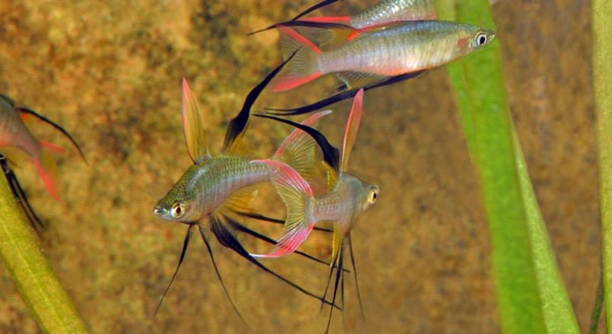
Do your threadfins sometimes struggle when introduced to new lighting in their tank? Adjusting to sudden changes can be stressful for them, affecting behavior and overall health. Lighting plays a bigger role in their comfort than many realize.
Threadfins adjust to new lighting through gradual exposure and environmental modifications. Properly dimming lights, maintaining consistent photoperiods, and providing shaded areas allow them to acclimate naturally, reducing stress while supporting their normal feeding, activity, and social behaviors.
Understanding these adjustments can improve your threadfins’ well-being and reduce stress-related issues. Following the right steps ensures a smoother transition in their environment.
Gradual Light Transition
Sudden changes in lighting can stress threadfins, causing them to hide or reduce feeding. Introducing new lighting gradually helps them adapt naturally. Start by dimming the current lights for a few hours, then slowly increase brightness over several days. Observe their behavior closely. If they appear restless or avoid certain areas, slow down the adjustment. Using timers can help maintain a consistent schedule without daily manual adjustments. Small changes, like adjusting light intensity by 10–15 percent each day, can make a significant difference. Providing shaded zones with plants or decorations gives threadfins safe areas to retreat, which supports comfort and reduces stress. Consistent observation ensures they are coping well. Over time, threadfins will begin exploring the entire tank confidently as their eyes adjust to the new lighting environment, reducing erratic swimming and stress-related behaviors. Patience and careful monitoring are key in this process.
Gradual light changes reduce stress and allow threadfins to adjust naturally without compromising health or activity levels.
Providing shaded areas, consistent timing, and small increments in brightness ensures threadfins adapt smoothly and remain active.
Monitor Behavior Patterns
Threadfins show clear signs when lighting changes are too abrupt. Watch for reduced movement, hiding, or changes in feeding habits. Tracking these behaviors daily helps you determine whether the adjustments are too fast. Noticing subtle changes in swimming patterns or fin position can indicate discomfort. Responding quickly prevents prolonged stress.
Behavioral observation is essential in managing lighting adjustments. Tracking daily changes allows for timely interventions.
Consistent monitoring provides insight into how your threadfins cope with light changes. Adjustments in brightness, timing, or shaded areas can be made based on observed behavior. Over time, you will notice increased confidence, regular feeding, and smoother swimming patterns, showing they have acclimated successfully. This proactive approach prevents stress-related health problems and helps maintain a stable, comfortable environment for your threadfins. Recording patterns also helps predict responses to future changes, making tank management easier. Ultimately, monitoring ensures your fish remain healthy, active, and stress-free while adapting to new lighting conditions.
Provide Hiding Spots
Threadfins feel more secure when they have places to hide. Adding plants, rocks, or decorations creates shaded areas that help them cope with brighter lighting and reduce stress.
Hiding spots allow threadfins to control their exposure to light, moving in and out as they adjust. These areas are particularly important during the first few days of a new lighting setup. Natural elements like tall plants or small caves mimic their preferred environment, encouraging normal behavior. When fish feel safe, they continue feeding and swimming naturally. Observing which areas they use most can help refine tank arrangements, ensuring they have comfortable zones throughout the aquarium. Properly placed hiding spots improve confidence and reduce erratic movements under strong lighting.
Consistent use of hiding areas ensures threadfins gradually explore the full tank. Over time, they rely less on shaded spaces, showing they have adapted successfully. Adjusting placement and size of these shelters can further enhance their comfort while maintaining natural behaviors.
Adjust Photoperiod Gradually
Keeping a stable light schedule helps threadfins acclimate. Start with shorter periods of new lighting and increase exposure slowly over several days.
Gradually extending the photoperiod allows their internal rhythms to adapt without overwhelming them. Abrupt changes can lead to stress, affecting feeding and social interactions. Use timers to maintain consistent light and dark cycles, avoiding sudden shifts. Observing their activity during each phase helps determine if adjustments are appropriate. Threadfins will slowly extend their active periods as they grow accustomed to the light. Consistency is more effective than intensity changes.
Patience during photoperiod adjustments ensures threadfins maintain healthy behavior patterns. Monitoring daily responses and making small, timed increases in light exposure allows for a controlled and safe transition. Properly managed cycles also support natural feeding and rest patterns, reducing the risk of stress-related issues. Over time, a stable photoperiod helps fish develop predictable routines, promoting confidence and well-being in the tank environment.
Use Dimmer Lights
Dimming lights during the first hours of exposure helps threadfins adjust. Gradually increasing brightness prevents sudden stress and allows them to explore the tank without feeling threatened.
Low-intensity lighting can be paired with shaded areas to give threadfins control over their environment. They often move between brighter and darker zones while acclimating.
Observe Feeding Patterns
Threadfins’ feeding habits indicate how well they are adapting. Reduced appetite or hesitation near food can signal stress from lighting changes. Monitoring feeding closely ensures timely adjustments in light intensity or hiding spots. Maintaining a regular feeding schedule supports their recovery and confidence.
Maintain Consistent Temperature
Stable water temperature supports overall comfort. Sudden fluctuations can worsen stress from new lighting, affecting behavior and feeding. Regular checks prevent unnecessary complications and help threadfins adapt smoothly to environmental changes.
FAQ
How long does it take for threadfins to adjust to new lighting?
Threadfins typically take a few days to a couple of weeks to fully adjust, depending on the intensity of the new lighting and their prior exposure. Gradual increases in brightness and providing shaded areas can help speed up the adjustment period. Patience is important, as forcing rapid changes may increase stress and reduce feeding activity. Observing behavior daily, including swimming patterns and use of hiding spots, helps determine if they are adapting appropriately.
Can too much light harm threadfins?
Yes, excessive light can cause stress, leading to hiding, erratic swimming, and loss of appetite. Strong or direct lighting without shaded areas can overwhelm threadfins, especially if they are not accustomed to it. Adjusting intensity gradually and providing refuges in the tank reduces the risk of stress-related health problems. Maintaining a consistent photoperiod with timers ensures threadfins experience predictable lighting conditions that align with their natural rhythms. Over time, this helps maintain normal activity levels and feeding behavior.
Is it necessary to add plants or decorations for lighting adjustments?
Adding plants or decorative elements is highly beneficial. They offer shaded areas that allow threadfins to regulate their exposure to new lighting. Plants and decorations mimic natural environments, providing comfort and security, which reduces stress during adaptation. Observing which areas are used most can guide placement and ensure the tank setup supports gradual acclimation. Properly arranged hiding spots also encourage exploration over time, helping threadfins become more confident as they adjust to the lighting.
How can I tell if my threadfins are stressed by lighting?
Signs of stress include hiding for long periods, reduced feeding, rapid gill movement, and erratic swimming. Observing their interactions with other fish and their use of shaded areas can indicate whether the lighting is too intense or abrupt. Immediate steps such as dimming lights, adding hiding spots, or slowing photoperiod changes can help reduce stress and improve their overall well-being. Regular monitoring ensures you can make timely adjustments and maintain a stable environment.
Should the photoperiod be adjusted gradually or all at once?
Photoperiod changes should always be gradual. Increasing the duration of new lighting in small increments allows threadfins to adapt without stress. Sudden shifts in light and dark periods can disrupt feeding and rest patterns, negatively affecting their behavior. Using timers ensures consistent, repeatable cycles that mimic natural conditions, supporting normal activity and long-term health. Gradual adjustment also helps fish build confidence, reducing reliance on hiding spots over time.
Can dimmer lights alone be enough for adaptation?
Dimmer lights help but are most effective when combined with shaded areas and consistent photoperiods. Threadfins need both control over brightness and safe zones to explore gradually. Dimmed lighting reduces initial stress, while shaded areas allow them to retreat if they feel overwhelmed. A stable environment with proper timing and hiding spots ensures a smoother transition and promotes natural behavior during adjustment.
What role does water temperature play in adjusting to new lighting?
Stable water temperature supports comfort and reduces additional stress. Sudden fluctuations can exacerbate stress from lighting changes, affecting appetite and activity. Maintaining consistent temperature, along with gradual lighting adjustments, creates a stable environment that promotes adaptation. Regular checks prevent unexpected shocks and support overall health, helping threadfins adjust more efficiently to their new lighting conditions.
How can I encourage feeding during the adjustment period?
Feeding at the same time each day under low to moderate light helps threadfins feel secure. Placing food near shaded areas encourages exploration and reduces hesitation. Small, frequent feedings can maintain appetite while they adapt, ensuring they receive proper nutrition without overwhelming them. Observing which feeding locations are preferred helps optimize tank setup and lighting conditions to support natural feeding behaviors.
Is monitoring behavior enough to ensure proper adaptation?
Yes, observing swimming patterns, hiding behavior, and feeding provides clear insight into their comfort levels. Behavioral monitoring allows you to make timely adjustments in light intensity, photoperiod, or tank arrangement. Tracking changes over time ensures threadfins acclimate without stress and maintain healthy, natural behaviors throughout the adaptation process.
Final Thoughts
Adjusting threadfins to new lighting requires patience and careful observation. Sudden changes in light intensity can stress them, affecting feeding habits and overall behavior. Gradual adjustments, such as dimming lights initially and slowly increasing brightness, help threadfins acclimate naturally. Providing shaded areas with plants or decorations gives them control over their environment, allowing them to retreat when needed. Observing how they explore the tank and interact with other fish helps you understand whether they are adapting well. Consistency in light schedules and tank setup reduces confusion and supports their natural daily rhythms. Over time, threadfins become more confident and active, demonstrating that the gradual approach is effective.
Maintaining a stable environment goes beyond lighting alone. Water temperature, tank layout, and feeding schedules all play a role in helping threadfins adjust comfortably. Sudden temperature fluctuations can increase stress, while consistent feeding routines encourage normal behavior. Using timers for lighting ensures predictable photoperiods, which threadfins rely on for activity and rest. Hiding spots not only offer protection but also help reduce anxiety during the adjustment period. Observing subtle signs, such as changes in swimming patterns, fin movement, or reluctance to feed, allows you to intervene promptly if necessary. Proper planning and monitoring make the transition smoother and support their overall health.
Successful adaptation depends on understanding the needs of threadfins and responding thoughtfully. By combining gradual light changes, shaded areas, consistent routines, and close observation, you create a supportive environment that reduces stress. Each fish may respond differently, so patience is key. Over time, they will explore the entire tank confidently, maintain regular feeding patterns, and display natural social behavior. The effort put into careful adjustments not only improves their well-being but also creates a visually balanced and harmonious aquarium. Prioritizing their comfort ensures that threadfins thrive under new lighting conditions, making your tank a healthier and more enjoyable space for both the fish and their keeper.

Hello,
If you enjoy the content that we create, please consider saying a "Thank You!" by leaving a tip.
Every little bit helps us continue crafting quality advice that supports the health, happiness, and well-being of pets around the world, for pets of all shapes, sizes, and species.
We really appreciate the kindness and support that you show us!