
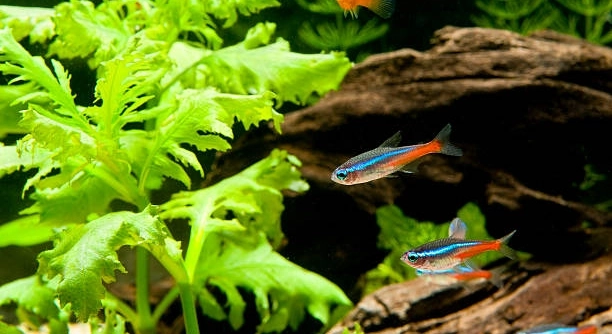
Tetras and bettas are popular choices for home aquariums, admired for their colors and lively behavior. Many aquarium enthusiasts consider keeping these fish together but often wonder about their compatibility in the same tank.
Tetras can coexist with bettas under specific conditions, such as adequate tank size, proper water parameters, and careful selection of tetra species. However, aggression and territorial behavior from bettas may pose challenges to peaceful coexistence.
Understanding the dynamics between these fish can help create a balanced environment. The following points will guide you through essential considerations for keeping tetras and bettas together.
Understanding Betta Behavior
Bettas are known for their vibrant colors and distinct personalities. They tend to be territorial and can display aggressive behavior, especially toward fish that invade their space or have long fins resembling other bettas. This natural aggression can create tension in a shared tank. However, not all bettas act the same way; some are more tolerant than others. It is important to observe your betta closely before introducing tetras. Providing plenty of hiding spots and visual barriers in the aquarium can help reduce stress and aggression. Bettas also prefer calm waters, so choosing peaceful tetra species is vital. Proper tank size and careful monitoring are necessary to maintain harmony. With these factors in place, bettas and tetras can sometimes live together without frequent conflicts, but patience and caution are essential.
Aggression varies widely among bettas, so assessing your fish’s temperament is key before mixing species.
Introducing tetras to a tank with a betta requires careful selection of species that won’t provoke aggression. Smaller, fast-moving tetras like neon tetras often fare better, as their quick movements keep them out of the betta’s direct line of sight. Avoid larger or fin-nipping species, which can trigger defensive behavior. Maintaining a spacious tank helps reduce territorial disputes by allowing each fish to claim its own area. Regular observation during the first few weeks will help catch any signs of stress or aggression early. If conflicts arise, it may be necessary to separate the fish to ensure their well-being. Setting up a tank that mimics their natural habitat with plants and hiding spots also encourages peaceful coexistence. This thoughtful approach helps support a balanced environment for both bettas and tetras.
Ideal Tank Setup for Coexistence
Tank size plays a crucial role when keeping bettas and tetras together. A minimum of 10 gallons is recommended, though larger tanks offer more space to reduce territorial behavior. The tank should have plenty of plants and decorations to create hiding spaces and break up sight lines between fish. Bettas like to rest near the surface, so floating plants can provide cover and reduce stress. Maintaining clean, stable water conditions with a gentle filter is essential, as bettas prefer slow currents. Water temperature should be between 76 and 82 degrees Fahrenheit to accommodate both species comfortably. Regular water changes and monitoring parameters such as pH and ammonia levels are important to keep the environment healthy. Careful planning of the tank setup can greatly improve the chances of peaceful coexistence.
Proper tank setup reduces stress and minimizes aggressive encounters between fish.
Balancing tank conditions for bettas and tetras means creating an environment suited to both species. Bettas thrive in warmer, still waters, while most tetras prefer similar temperatures but can tolerate moderate currents. Choosing a filter that produces gentle water flow prevents stress, especially for bettas. The use of live plants not only provides shelter but also helps maintain water quality by absorbing nitrates. Decorations and plants placed strategically allow fish to avoid each other when needed. Lighting should be moderate, as overly bright conditions can increase aggression. Feeding habits must also be considered; both species require a balanced diet but different feeding spots may help prevent competition. Overall, the tank setup should promote comfort and security for all inhabitants to encourage harmony.
Choosing Compatible Tetra Species
Not all tetras are suitable tank mates for bettas. Small, peaceful species like neon tetras or ember tetras are better choices. Avoid aggressive or fin-nipping tetras that may provoke the betta.
Neon tetras are popular because they are small, fast, and generally peaceful. Their bright colors and schooling behavior help distract bettas and reduce aggression. Ember tetras are similar in temperament and size, making them another good option. Larger or more aggressive species, such as serpae tetras, can trigger defensive behavior in bettas. When selecting tetras, consider their activity level and fin shape, since long fins may be mistaken by the betta as a rival. Introducing tetras gradually and monitoring interactions is essential to ensure compatibility and prevent stress.
Some tetras may coexist better because they stay in groups and move quickly, making it difficult for bettas to focus on them. This schooling behavior helps create a peaceful environment.
Monitoring and Managing Aggression
Aggression can arise even with careful planning. Watch for signs like chasing, fin nipping, or hiding. Early detection is key to preventing harm.
If the betta shows persistent aggression, try rearranging the tank decorations to break sight lines. Adding more plants and hiding places gives tetras a chance to escape stressful encounters. Feeding fish separately or in different parts of the tank can reduce competition and tension. Sometimes, it may be necessary to remove the betta or tetras temporarily to calm the situation. Keep water conditions stable to lower stress levels, which often trigger aggressive behavior. Understanding individual fish behavior and being ready to adjust the environment ensures both species can live peacefully together.
Feeding Habits of Bettas and Tetras
Bettas are carnivores and prefer protein-rich diets, such as pellets, flakes, and live or frozen foods. Tetras are omnivores and need a balanced diet of flakes, flakes with plant matter, and occasional protein.
Feeding both species separately helps prevent competition and ensures each fish gets the right nutrition. Overfeeding should be avoided to maintain water quality and fish health.
Water Parameters to Maintain
Both bettas and tetras thrive in similar water conditions: a temperature between 76°F and 82°F, a pH range of 6.5 to 7.5, and soft to moderately hard water. Consistency is important to avoid stressing the fish.
Regular testing and gradual changes in water conditions help keep both species healthy and reduce the risk of illness or aggression caused by stress.
Signs of Stress or Illness
Watch for dull colors, lethargy, or unusual hiding behavior as signs of stress. Loss of appetite and frayed fins may indicate illness.
Early detection allows for prompt treatment and improves chances of recovery. Maintaining a clean, stable tank reduces stress-related health issues.
FAQ
Can bettas and tetras live together peacefully?
Yes, bettas and tetras can live together peacefully if the tank is properly set up. Choosing peaceful tetra species, providing enough space, and adding plants and hiding spots help reduce stress and aggression. Monitoring their behavior regularly is important to catch problems early.
Which tetra species are best to keep with bettas?
Neon tetras and ember tetras are often the best choices. They are small, fast, and tend to school, which distracts bettas and prevents targeting. Avoid aggressive or fin-nipping tetras like serpae tetras, as they may provoke the betta’s territorial instincts.
What size tank is recommended for bettas and tetras?
A minimum tank size of 10 gallons is recommended. Larger tanks are better because they give each fish more space, reducing competition and aggression. More space also allows for plenty of plants and hiding places, which help keep the fish comfortable.
How can I reduce aggression from my betta?
To reduce aggression, add plants and decorations that break up sight lines and provide hiding spots. Feeding fish separately and keeping the tank clean lowers stress. Rearranging the tank layout periodically can help prevent the betta from staking out territory.
Are there any signs to watch for that show my fish are stressed?
Signs of stress include faded colors, hiding often, lethargy, and loss of appetite. Fin damage or unusual behavior like rapid breathing or darting may also indicate stress. Early detection is key to preventing illness or aggression.
What water conditions work best for both species?
Both bettas and tetras prefer water temperatures between 76°F and 82°F, with a pH of 6.5 to 7.5. Soft to moderately hard water is ideal. Stability in these conditions is more important than hitting exact numbers, so avoid sudden changes.
Can I keep other fish with bettas and tetras?
It’s possible but tricky. Avoid fish with long fins or aggressive behavior that may upset the betta. Peaceful schooling fish or bottom dwellers like corydoras catfish can sometimes be added, but always research each species’ compatibility.
How often should I feed my bettas and tetras?
Feed small amounts once or twice daily, only what they can eat in a few minutes. Overfeeding leads to poor water quality, which stresses fish. Bettas need protein-rich food, while tetras benefit from a varied diet including flakes and some plant matter.
What should I do if my betta attacks the tetras?
If attacks happen frequently, try rearranging the tank to break the betta’s territory. Increase hiding places for tetras or separate the fish temporarily. If aggression continues, it might be best to house the betta alone to prevent injury.
How can I introduce tetras to a tank with a betta?
Introduce tetras slowly and in groups, preferably when the betta is calm. Adding them all at once helps reduce focus on any single fish. Watch closely for signs of aggression and be ready to intervene if necessary. Having plenty of plants and hiding spots also eases introductions.
Keeping tetras and bettas together can be rewarding but requires careful planning and attention. Both species have different needs and behaviors that must be considered to create a peaceful aquarium. Bettas are territorial and may show aggression, while tetras prefer to swim in groups and are generally more social. Finding the right balance between their natural instincts is essential for coexistence. Choosing peaceful tetra species and providing a spacious tank with plenty of hiding places reduces the chances of conflict. It is important to remember that every fish is an individual, and some bettas may be more tolerant than others.
Proper tank setup plays a crucial role in helping these fish live together. A tank of at least 10 gallons with a gentle filter and stable water parameters supports their health and comfort. Plants and decorations that break up the tank space give the fish places to retreat when they feel threatened or stressed. Feeding them the right diet separately helps reduce competition and ensures each fish stays healthy. Regular monitoring is needed to notice early signs of stress or aggression so you can address any problems before they escalate. Maintaining good water quality through consistent cleaning and water changes also keeps both species happy and healthy.
Ultimately, success depends on understanding the behavior and needs of both bettas and tetras. Patience and observation are key. If problems arise, adjusting the tank layout or separating fish temporarily can help restore peace. While some bettas and tetras live well together, others may not be compatible. It is important to prioritize the well-being of the fish over appearance or desire to keep multiple species in one tank. With the right care and setup, many aquarists find that these fish can share a space peacefully, creating a vibrant and lively aquarium environment.

Hello,
If you enjoy the content that we create, please consider saying a "Thank You!" by leaving a tip.
Every little bit helps us continue crafting quality advice that supports the health, happiness, and well-being of pets around the world, for pets of all shapes, sizes, and species.
We really appreciate the kindness and support that you show us!