
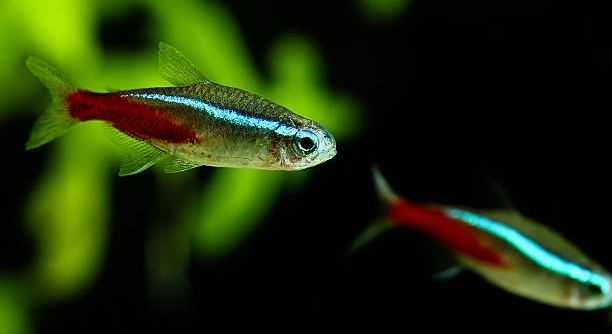
Do your tetras seem a little too interested in the new fish you’ve just added to the tank, almost chasing them nonstop?
Tetras often chase newcomers due to territorial behavior, stress, or attempts to establish dominance. This behavior is especially common in small tanks or when the school feels disrupted by new additions.
Understanding why this happens can help you reduce stress for all your fish and create a calmer, more balanced aquarium environment.
Common Reasons Behind the Chasing Behavior
When tetras chase new fish, it often comes down to how they react to changes in their space. These small fish are naturally active and live in groups, which means they rely on social structure to feel secure. Adding a new fish can disrupt their group dynamics. This can lead to chasing as a way to re-establish order. It’s not always aggression—sometimes it’s just confusion or curiosity. Tank size and layout also play a role. If the space feels too small or lacks hiding spots, tensions may rise quickly. Water conditions and feeding routines may also add stress, making fish more prone to odd behaviors. Even a slight change in lighting or water flow can affect their comfort. Watching closely can help you figure out if the chasing is playful, territorial, or stress-related.
Keep an eye on patterns—how long the chasing lasts, and whether there are signs of injury or distress.
If your tetras have lived together for a while, they’ve likely formed a pecking order. A new fish disrupts that, especially if it’s smaller or looks different. This can spark a round of chasing, usually until things settle. Some tetras are more aggressive than others, and different species can act in unpredictable ways. If your tank is already crowded or lacks enough swimming room, aggression can quickly escalate. A lack of cover—like plants or caves—may leave new fish feeling exposed and vulnerable. Also, if the newcomer is sick or weak, the others might single it out. Feeding time can also make things worse if the new fish struggles to get food. By looking at each of these factors, you can get a better sense of what’s going on and take steps to calm things down.
How to Help Stop the Chasing
Start by checking your tank size and ensuring there’s plenty of room for all the fish to swim comfortably and freely.
Try rearranging the decorations or adding more plants and hiding spots. This can help break up sight lines and make the space feel new for all fish, which may reduce territorial behavior. Introduce new tetras in small groups instead of one at a time, as this prevents the current group from singling out a lone newcomer. Make sure the water quality is stable, with appropriate filtration and regular testing. If your tetras are from different species, research their compatibility beforehand—some types just don’t mix well. Feeding all fish at once, and maybe in different spots, can help lower competition. In some cases, giving it time is all it takes. The fish may settle down as they get used to one another. But if chasing continues for more than a few days or injuries occur, you might need to separate fish temporarily or rehome one for safety.
Tips for Introducing New Tetras
Float the bag with the new fish in the tank for 15–20 minutes to match the temperature. Then slowly add small amounts of tank water into the bag every few minutes before releasing them.
Use a quarantine tank first, even if the new tetras look healthy. This helps prevent disease from spreading and gives the new fish time to build strength. After a couple of weeks, if they seem healthy and active, begin the slow acclimation process. Once they’re ready for the main tank, release them during feeding time. This can distract the current group and lower tension. It also helps if the lights are dimmed, which makes all fish feel calmer. Try adding more than one new tetra at once to split the attention of the existing group. This keeps a single fish from being overwhelmed or isolated during the introduction.
Rearranging tank decorations before introducing new tetras can make a big difference. When the environment feels new to all fish, territorial behavior often fades. Adding plants, rocks, or driftwood provides natural cover and hiding spaces, especially important for newcomers. It reduces stress and gives them areas to rest if they’re being chased. Try spreading out decorations across the tank to break up open space. This creates sight barriers, which can interrupt chasing. Avoid releasing new fish near strong water flow or close to the dominant group’s favorite spot. If possible, feed the tank just before the new tetras are added—this keeps energy levels lower and eases tension during the process.
When to Be Concerned
Chasing becomes a problem when it turns into constant bullying or leads to injuries. Torn fins, loss of appetite, or hiding all the time are signs the new fish is stressed. If things don’t settle after a few days, action is needed.
Fish that are constantly hiding or swimming near the surface may be in distress. If you notice the same fish being targeted over and over again, it’s a sign that the group dynamics are off. In some cases, the tank may be overcrowded, or a particular fish might just not be compatible. Separating the aggressive fish temporarily can help shift behavior. You can also try adding more hiding places or even dividing the tank with mesh for a short time. Sometimes, no matter what changes you make, some fish just won’t get along. In that case, it may be best to rehome one for the safety of the rest. Keep monitoring water conditions, since stress can also make fish more prone to illness.
The Role of Tank Size and Space
A small tank can cause stress and lead to aggressive chasing. Tetras are active swimmers and need room to form a comfortable group. When space is limited, they may feel trapped or threatened, especially when new fish are added.
A crowded tank also raises ammonia levels faster, which adds to stress. Without enough space, tetras are more likely to compete for territory and resources. This can turn even calm fish into aggressive ones, especially during feeding or changes in lighting.
Schooling Behavior and Group Dynamics
Tetras feel safest in groups, and most types do best in schools of six or more. When kept in smaller numbers, they may become nervous and display more aggressive behavior. Adding just one or two new tetras can make the group feel unbalanced, which may trigger chasing. To prevent this, try to keep group sizes even and add new fish in sets. This helps avoid one being singled out. Tetras often chase to figure out their social order, but in a balanced, calm group, this usually settles down on its own without injuries or constant stress.
Final Thoughts on Managing Chasing
Stable water conditions, a balanced group, and enough space all make a big difference. Small changes can lead to calmer, happier fish.
FAQ
Why do my tetras chase new fish immediately after adding them?
Tetras chase new fish because they feel their social group is being disrupted. They use chasing to establish dominance or test the newcomer. It’s a natural response to protect territory or maintain hierarchy, especially in smaller tanks or when the newcomer looks or behaves differently.
Is this chasing harmful to the new fish?
Chasing is not always harmful, but if it continues nonstop or leads to visible injuries like torn fins or stress signs such as hiding and loss of appetite, it can become dangerous. Persistent bullying weakens fish and makes them more prone to illness.
How long does chasing usually last?
Chasing typically lasts a few hours to a couple of days as fish adjust to the new group member. If it continues beyond a week or escalates, it may signal problems with tank size, group balance, or compatibility that need addressing.
Can I prevent chasing by choosing certain types of tetras?
Yes, some tetra species are more peaceful than others. Neon tetras and ember tetras tend to be calmer, while serpae tetras and black neon tetras can be more aggressive. Researching species compatibility helps reduce chasing behavior.
What should I do if chasing turns into constant bullying?
If chasing causes injuries or constant stress, separate the fish immediately. Use a divider or move the newcomer to a quarantine tank until the group calms down. Adding more hiding spots and rearranging decorations can also help reduce aggression.
Does tank size affect chasing behavior?
Absolutely. Small tanks limit swimming space and make fish feel crowded, which increases territorial disputes and chasing. A larger tank with plenty of swimming room and hiding spaces reduces stress and aggressive behavior.
How important is water quality in controlling chasing?
Water quality plays a key role. Poor water conditions stress fish, making them more aggressive. Regular testing and maintenance of pH, ammonia, nitrites, and nitrates are essential. Clean water keeps fish healthy and calmer.
Can feeding routines influence chasing?
Yes. If food is scarce or given unevenly, fish may become aggressive to secure their share. Feeding smaller amounts several times a day and spreading food throughout the tank helps reduce competition and chasing.
Should I add new tetras in groups or one by one?
Adding new tetras in groups of three or more helps split the focus of the existing fish. Introducing a single fish makes it easier for the group to target the newcomer, increasing chasing and stress.
Is it normal for tetras to chase each other even without new fish?
Some chasing is normal within tetra groups as they maintain social order. This behavior usually doesn’t cause harm and fades quickly. Problems arise when chasing is constant, intense, or injures fish.
How can tank decorations help reduce chasing?
Decorations create visual barriers and hiding spots. This helps break up line of sight, reduces territorial disputes, and gives chased fish a place to retreat. Plants, rocks, and driftwood are effective choices.
Can lighting affect chasing behavior?
Bright or harsh lighting can stress tetras and increase chasing. Dimmer lighting or a gradual light cycle helps fish feel safer and less likely to act aggressively.
What signs show that chasing has become a serious problem?
Look for torn fins, constant hiding, loss of appetite, or pale coloration in the chased fish. If aggressive behavior continues without improvement, intervention is necessary to protect the health of all fish.
Is rehoming a fish ever necessary?
Sometimes yes. If certain fish don’t get along despite efforts to adjust the environment or group, rehoming one fish may be the best option to keep peace and protect their well-being.
How long should I quarantine new fish before adding them?
A 2 to 4 week quarantine period is ideal. It allows time to monitor health, treat any illness, and let new fish adjust before entering the main tank, reducing stress and disease risks.
Does the age or size of new fish affect chasing?
New fish that are smaller, younger, or weaker are more likely to be chased. Matching sizes and maturity levels when adding new tetras helps reduce bullying and stress.
Can adding more plants reduce chasing?
Yes, plants provide shelter and break up space, making fish feel secure. Dense planting lowers visibility between fish, which can decrease chasing and aggression.
Are certain times better for adding new tetras?
Adding new fish during feeding time or when the tank lights are dimmer can reduce chasing. Fish are less focused on territory and more distracted, easing introductions.
What role does fish personality play in chasing?
Individual temperaments vary. Some tetras are naturally more aggressive or shy. Knowing your fish’s behavior helps anticipate and manage chasing before it escalates.
How can I tell if chasing is just normal behavior or a problem?
Normal chasing is brief and doesn’t cause injuries or stress. Problem chasing is constant, targets one fish repeatedly, and leads to visible damage or hiding. Monitoring closely is key to deciding when to act.
Final Thoughts
Watching your tetras chase newcomers can be worrying, but it is often a natural part of how these fish interact and settle into their group. Tetras rely on social order to feel safe, and adding new fish shakes up that balance. This causes them to chase as they try to figure out who belongs and who doesn’t. In most cases, this behavior calms down after a few days once the new fish find their place. It’s important to remember that chasing is not always a sign of aggression but rather a way for the group to adjust. Still, paying attention to the intensity and duration of the chasing is essential, so problems do not develop.
Several key factors help reduce chasing and keep your tank peaceful. Tank size is one of the most important. A spacious aquarium with enough room to swim freely allows fish to avoid each other when needed. Also, creating hiding places with plants and decorations gives new fish a safe spot to retreat to when feeling overwhelmed. Feeding practices matter too—feeding small amounts often and spreading food throughout the tank helps lower competition. Introducing new fish slowly and in groups rather than one at a time can also make a big difference. Taking these steps gives your tetras a better chance to get used to newcomers without stress or aggression.
Finally, good water quality and regular maintenance support fish health and calm behavior. Stress from poor water conditions often makes chasing worse or causes health problems that make fish more vulnerable. If chasing turns into bullying or causes injuries, acting quickly to separate the fish or add more cover is necessary. Sometimes, despite all efforts, certain fish just don’t get along, and rehoming one may be the best solution. Understanding these factors and being patient as your tetras adjust will help you create a calmer, happier aquarium for all your fish.

Hello,
If you enjoy the content that we create, please consider saying a "Thank You!" by leaving a tip.
Every little bit helps us continue crafting quality advice that supports the health, happiness, and well-being of pets around the world, for pets of all shapes, sizes, and species.
We really appreciate the kindness and support that you show us!