
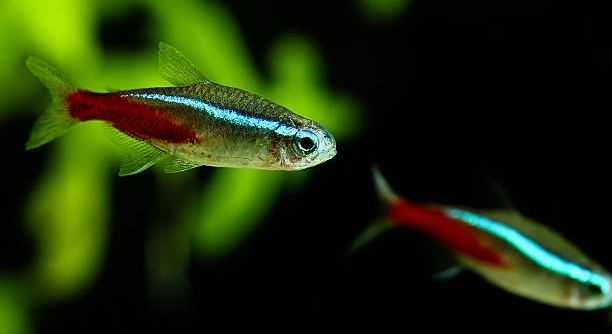
Are your tetra fish showing unusual behavior or signs of distress? Temperature plays a crucial role in their health and well-being. Keeping them in the right environment is essential for their comfort and longevity.
Tetras exposed to water that is too cold may display slowed movement, loss of appetite, and color fading. Cold stress weakens their immune system, making them more susceptible to diseases and reducing overall activity levels.
Recognizing these signs early can help you provide better care for your fish and improve their living conditions in your aquarium.
How Cold Water Affects Your Tetra’s Health
When water temperature drops below the ideal range for tetras, their metabolism slows down significantly. This causes them to move less and eat less, which can lead to malnutrition over time. Cold water also stresses their immune system, making it harder for them to fight off infections. You might notice your tetras hiding more often or clustering near heaters if the temperature is too low. Their vibrant colors may fade as well, which is a clear sign that something is wrong. Maintaining stable temperature is important because sudden drops can shock the fish, causing long-term damage or even death. Tetras thrive best in water that stays between 72 and 80 degrees Fahrenheit. Using a reliable aquarium heater and thermometer can help keep the temperature steady and avoid these health problems. Proper care improves their lifespan and overall happiness in the tank.
Keeping water temperature consistent helps your tetra stay healthy and active, preventing many common cold-related issues.
It is important to regularly monitor your aquarium’s temperature and adjust heating equipment as needed. If you notice signs like lethargy or faded colors, check the temperature immediately. Making small changes early on can prevent serious health problems. You might also want to test the water for other factors like pH and ammonia, since poor water quality can worsen cold stress. Remember, a stable environment keeps your tetra strong and vibrant, giving you a healthy and lively aquarium to enjoy. Regular maintenance, including partial water changes and heater checks, plays a big role in this process. This simple care routine can make a huge difference in preventing cold-related stress for your fish.
Common Signs Your Tetra Is Too Cold
Signs your tetra is too cold include slow swimming, loss of appetite, pale coloration, and hiding. These behaviors indicate distress and the need for temperature adjustment.
Slow movement and reduced activity are early indicators of cold stress. Your tetra may appear sluggish or stay near the bottom of the tank. Appetite loss follows because their metabolism is not working properly. Pale or dull colors show poor health, as cold water limits circulation and energy. You may also see your fish clustering near warmer areas like heaters or filter outlets. In more severe cases, tetras might gasp for air near the surface or develop fungal infections. These symptoms require prompt action to raise the temperature to a safe level. Observing your fish closely helps catch problems before they worsen, ensuring they remain healthy and active.
Adjusting tank temperature gradually is key to avoid shock and help your tetra recover smoothly.
Adjusting the Tank Temperature
Keeping the tank temperature stable is essential for your tetra’s well-being. Sudden temperature changes can cause stress and health issues. Use an aquarium heater to maintain the ideal range between 72 and 80 degrees Fahrenheit.
When adjusting the temperature, do it gradually to avoid shocking your fish. A change of about 1 to 2 degrees per hour is safe. Rapid temperature shifts can weaken their immune system and cause illness. Use a reliable thermometer to monitor water temperature regularly, especially during seasonal changes or when the room temperature fluctuates. Consistency is key to preventing cold stress and keeping your tetra comfortable.
If you notice signs of cold stress, slowly increase the water temperature over several hours. Avoid sudden spikes. Also, ensure your heater is functioning correctly and replace it if needed. Proper temperature control prevents many health issues and creates a more stable environment, allowing your tetra to thrive.
Preventing Cold Stress in Your Tetra
Cold stress can be avoided by maintaining stable water temperature and good water quality. Avoid placing your aquarium near drafty windows or air conditioners.
Regular monitoring of tank temperature helps catch issues early. Using a heater with a built-in thermostat provides automatic control, keeping the temperature steady. Keep the tank clean and perform regular water changes to prevent other stress factors. Providing hiding places reduces anxiety during temperature shifts. Ensure your filter is working efficiently to maintain oxygen levels, as cold water holds less oxygen, which can further stress your fish. Proper care limits cold stress and promotes a healthy, active tetra.
Signs of Lethargy in Cold Tetras
Lethargy is a common symptom when tetras are too cold. You may notice them resting at the bottom or staying still for long periods. This behavior signals their metabolism is slowed by low temperatures.
Lethargic tetras are less responsive to stimuli and may not swim actively. Their energy levels drop significantly, making it clear that the water is too cold.
Faded Colors and Cold Stress
Cold water reduces blood flow and energy, causing tetras’ bright colors to fade. This dull appearance is a warning sign of poor health related to temperature.
How Temperature Affects Appetite
Tetras eat less when water is too cold. Their slowed metabolism means they don’t feel as hungry, which can lead to weight loss and weaker immune defenses.
Importance of Consistent Heating
Keeping the heater stable prevents temperature drops that stress tetras. Sudden cold spells can cause immediate health problems.
FAQ
How cold is too cold for tetra fish?
Tetras thrive best in water temperatures between 72 and 80 degrees Fahrenheit. When the temperature drops below 70 degrees, they begin to experience stress. Prolonged exposure to temperatures under 68 degrees can be harmful and lead to health problems, including slowed metabolism and weakened immunity.
What are the immediate signs that my tetra is too cold?
Immediate signs include lethargy, slow swimming, loss of appetite, and pale or faded colors. You might also notice your fish hiding more often or clustering near heaters or warmer areas in the tank. These behaviors suggest the temperature needs adjustment.
Can cold water cause diseases in tetras?
Yes, cold water weakens a tetra’s immune system, making them more susceptible to infections like fungal or bacterial diseases. Cold stress also slows down their ability to fight off parasites. Maintaining proper temperature helps prevent these illnesses.
How quickly should I raise the temperature if my tank is too cold?
Temperature should be raised gradually, about 1 to 2 degrees per hour. Sudden temperature changes can shock your fish and cause additional stress or injury. Use a heater with a thermostat to make slow, controlled adjustments safely.
What equipment do I need to keep my tetra tank temperature stable?
A reliable aquarium heater with an accurate thermostat is essential. A good thermometer helps you monitor the water regularly. In cooler environments, a heater guard prevents fish from getting too close and risking burns. Automatic temperature controllers are useful for precise regulation.
Can tetras survive in cooler water if it is stable?
Tetras tolerate a small range of cooler temperatures, but prolonged exposure to temperatures below 70 degrees is not ideal. Even if the temperature is stable, cooler water slows their metabolism and weakens their immune system, increasing vulnerability to disease.
How often should I check my aquarium’s temperature?
It’s best to check the temperature daily, especially in rooms with varying climate or during seasonal changes. Frequent checks help catch any heater malfunctions early and ensure the environment stays within the ideal range.
Is it normal for tetras to hide near the heater?
Yes, when they feel cold, tetras often gather near heaters or warmer spots in the tank. This behavior indicates they are seeking warmth, so it’s a sign the water temperature might be too low overall.
What else can cause similar symptoms besides cold water?
Poor water quality, high ammonia or nitrate levels, overcrowding, and infections can cause lethargy, loss of appetite, and faded colors. Regular water testing and tank maintenance help rule out these causes and keep your fish healthy.
Can I use a regular room heater to warm my aquarium?
No, room heaters do not warm water effectively and can cause dangerous temperature fluctuations. Aquarium heaters designed specifically for fish tanks provide stable, controlled heating that is safe for aquatic life.
What should I do if my tetra shows cold stress symptoms?
Immediately check the water temperature and increase it gradually if needed. Test water quality and perform a partial water change if necessary. Observe your fish closely for any signs of illness and consult a vet or aquarium specialist if symptoms persist.
Is it okay if the temperature fluctuates a little during the day?
Small fluctuations within a 2-degree range are usually fine, but larger or frequent swings can stress tetras. Maintaining stable conditions is best for their health and reduces the risk of cold-related problems.
Can multiple heaters improve temperature stability?
Using two smaller heaters can provide more even heat distribution and backup in case one fails. However, both should be monitored closely to avoid overheating. Multiple heaters are useful for larger tanks or cooler rooms.
How do I prevent cold stress during winter months?
Keep your tank away from drafty windows and doors. Use a quality heater with a thermostat, monitor temperature often, and avoid placing the tank in rooms with cold air circulation. Adding insulation to the tank’s exterior can help maintain warmth.
Do tetras need different temperatures if kept with other fish?
Yes, tetras prefer warmer water than some cold-water species. When mixing fish, choose species with overlapping temperature needs to avoid stressing any of the fish. Adjust the heater to suit the most temperature-sensitive species in your tank.
Final Thoughts
Maintaining the right temperature for your tetra fish is one of the most important parts of caring for them. Tetras are sensitive to cold water, which can cause many health problems if left unaddressed. Ensuring the water stays between 72 and 80 degrees Fahrenheit helps your fish stay active, healthy, and vibrant. Using a reliable heater and regularly checking the water temperature will help you avoid sudden temperature drops that can stress or harm your tetras. Consistency is key when it comes to their environment, as sudden changes can be more damaging than a steady, slightly lower temperature.
Cold water slows down your tetra’s metabolism, which affects how much they eat and how active they are. This can lead to a loss of appetite, lethargy, and faded colors, all signs that your fish are not comfortable. When the immune system is weakened due to cold stress, your tetras become more vulnerable to infections and diseases. Watching your fish carefully for changes in behavior or appearance will help you spot problems early. It is also important to maintain good water quality by doing regular water changes and tank maintenance, as poor conditions can add to the stress caused by cold temperatures.
Taking care of your tetra means more than just feeding them and keeping the tank clean. Temperature control plays a major role in their overall well-being. Making small efforts like placing your tank away from cold drafts and using a heater with a thermostat can prevent many issues. When tetras live in a stable environment, they show their natural bright colors and energetic behavior. By understanding the signs of cold stress and how to respond, you can ensure your fish live longer and happier lives. Paying close attention to temperature and making gradual adjustments when needed will help your tetra thrive in your aquarium.

Hello,
If you enjoy the content that we create, please consider saying a "Thank You!" by leaving a tip.
Every little bit helps us continue crafting quality advice that supports the health, happiness, and well-being of pets around the world, for pets of all shapes, sizes, and species.
We really appreciate the kindness and support that you show us!