
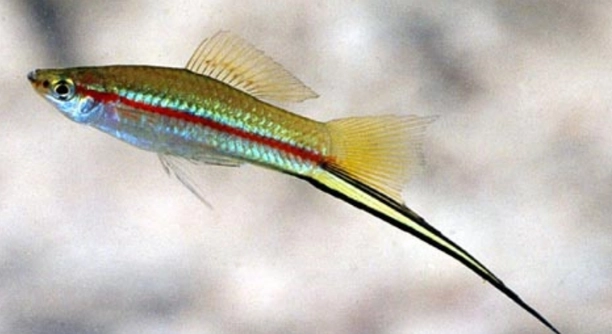
Swordtails are popular aquarium fish, admired for their vibrant colors and energetic swimming. However, many aquarium enthusiasts wonder if these fish can feel pain. This question has sparked ongoing debates among scientists and animal lovers alike.
Research suggests that swordtails, like other fish, have the ability to experience pain. They possess nervous systems that can detect harmful stimuli, and studies show that they react to injury or distress. However, the complexity of their experience is still debated.
Understanding how swordtails experience pain can help improve their care in captivity. This information can also shed light on broader animal welfare issues, leading to better practices in how we treat and manage aquatic life.
What We Know About Fish Pain Perception
Swordtails, like most fish, have a nervous system that can sense harmful stimuli. Their bodies react to damage or injury in ways that suggest they might feel pain. Research on fish pain is not as advanced as studies on other animals, but there’s enough evidence to believe that fish can experience distress. They have pain receptors, and when they are injured, they show clear signs of discomfort, such as rapid swimming or rubbing against objects. These reactions are similar to how mammals respond to pain, though the experience itself is still a topic of discussion.
Fish do not have the same brain structures as mammals, so it’s hard to say if they feel pain in the same way we do. Some scientists argue that their reactions are simply reflexes, while others believe that fish have a more complex experience of suffering.
The idea that fish can feel pain challenges how we think about treating animals in aquariums or fisheries. Understanding their responses to injury or stress could lead to more humane treatment in both home tanks and commercial environments. People who care for fish should take steps to minimize stress, ensuring these creatures are kept in environments that prevent unnecessary harm. With proper care and attention, swordtails and other fish can thrive, avoiding distressing experiences whenever possible.
The Role of Pain Receptors
Fish have specialized receptors, called nociceptors, that can detect damaging stimuli. These receptors are found in their skin, muscles, and organs, making it possible for swordtails to sense injury or stress. This plays a key role in how they react to pain.
In addition to nociceptors, fish also have an immune response to injuries. When injured, they release chemicals that signal distress, similar to how mammals respond to damage. These signals could suggest a level of discomfort that’s more than just a reflex.
What Makes Swordtails React to Stress?
Swordtails often display specific behaviors when stressed. These behaviors include rapid swimming, darting around their tank, and hiding more frequently. This suggests that stress can affect their overall well-being. While it may seem like normal fish behavior, it could indicate they are experiencing more than just discomfort. Stress might also contribute to a weakened immune system, making them more vulnerable to diseases.
Fish, including swordtails, may also exhibit physical signs like fin clamping or shaking when stressed. These responses are often linked to poor water conditions, aggressive tankmates, or sudden changes in their environment. When a swordtail feels threatened, its stress hormones increase, making them less able to cope with other challenges.
Understanding the sources of stress is essential for providing a better living environment for swordtails. Poor water quality, overcrowding, or improper tank conditions can all increase their stress levels. By identifying and addressing these factors, you can ensure your fish live a healthier and happier life, minimizing potential pain or discomfort caused by environmental stress.
Pain and the Ethical Debate
The ethical debate surrounding fish pain centers on whether they can truly experience suffering the way humans or other animals do. Some researchers argue that because swordtails and other fish lack certain brain structures, their capacity for conscious pain might be limited. On the other hand, the evidence of pain receptors and their reactions to harm strongly suggests they do feel discomfort.
Fish like swordtails could experience a level of pain that we might not fully understand. As more studies are conducted, we might find that their experience of pain is more complex than we realize. For now, the ethical implications of keeping fish in captivity should be considered carefully, especially when it comes to how they are treated.
How Fish Are Tested for Pain
Researchers test pain in fish by exposing them to noxious stimuli, such as heat or electric shocks, and observing their responses. These tests help determine how fish react to different types of pain. Most studies measure behavioral changes like rapid swimming, rubbing, or hiding after the stimulus.
These behavioral changes indicate that fish are aware of discomfort. However, since fish do not vocalize pain the way mammals do, it’s difficult to fully understand their emotional experience. Still, the reactions observed in these studies suggest that swordtails may indeed feel pain, even if we can’t be sure of the depth of their awareness.
Keeping Swordtails Healthy and Stress-Free
To prevent stress and pain in swordtails, it’s crucial to maintain stable water conditions. Temperature, pH, and oxygen levels should be consistent and within the ideal range for swordtails. Regular water changes also help reduce the buildup of toxins that can stress the fish.
Ensuring that swordtails have enough space to swim freely and avoiding overcrowding is also important. Fish need to feel safe in their environment, with plenty of hiding spots and compatible tankmates to reduce anxiety. Keeping stress at bay can promote a healthier, happier swordtail.
The Importance of Proper Care
Swordtails are sensitive creatures that require attentive care. Poor water conditions or improper tank setups can contribute to stress, which could lead to potential suffering. Being mindful of their needs ensures that these fish thrive in their aquarium homes without unnecessary distress. Proper care makes a big difference in their well-being.
FAQ
Do swordtails feel pain like mammals do?
While it’s difficult to say if swordtails experience pain exactly as mammals do, research shows that they do react to harmful stimuli, which suggests they feel some form of discomfort. Fish have pain receptors and can respond to injury by changing their behavior. Their reactions to physical damage, like swimming erratically or rubbing against objects, are similar to how other animals respond to injury. However, since fish brains are structured differently, we can’t be entirely certain they feel pain with the same emotional complexity as mammals.
What signs indicate that a swordtail is in pain?
Swordtails in pain often display behaviors like erratic swimming, shaking, or rubbing against objects in their tank. They may also stop eating or show unusual postures, like clamping their fins to their bodies. These signs are often associated with physical injury or stress. If these behaviors persist, it’s a good idea to check water conditions and ensure no other tankmates are causing harm.
Can swordtails feel emotional stress?
Yes, swordtails can experience stress, which can affect their physical health. Emotional stress in fish can come from poor water quality, overcrowding, or conflicts with tankmates. Swordtails may also become stressed by sudden changes in their environment, such as fluctuating water temperatures or new decorations. This stress can weaken their immune system, making them more susceptible to diseases and other health issues.
What is the best way to prevent pain or stress in swordtails?
Maintaining stable water conditions is key to preventing stress and pain. Regular water changes, proper filtration, and checking water parameters like pH, temperature, and ammonia levels can keep your swordtail healthy. Additionally, ensuring that your swordtail has enough space to swim and avoiding overcrowding can help reduce stress. Providing hiding spots and choosing tankmates that are peaceful can also make a big difference.
Do swordtails suffer from the same types of stress as other fish?
Yes, swordtails experience many of the same types of stress as other fish. They can suffer from water quality issues, tankmate aggression, or environmental changes. Swordtails are particularly sensitive to poor water conditions, as they are used to clean, well-oxygenated water in the wild. High levels of toxins like ammonia or nitrites can cause them significant stress, leading to behavioral changes and health problems.
Is it necessary to separate swordtails when they show signs of aggression?
Yes, it’s important to separate aggressive swordtails from others in the tank. While swordtails are generally peaceful, they can become territorial, especially during breeding or when overcrowded. Male swordtails may show aggression towards each other or towards other species. If aggression is observed, it’s best to provide more space or separate the aggressive fish to reduce stress and prevent injuries.
Can swordtails be kept with other species of fish?
Swordtails are peaceful fish that can generally be kept with other species, as long as the tankmates are not overly aggressive. They do well with other calm, small to medium-sized fish that share similar water requirements. Avoid pairing swordtails with overly territorial or aggressive species, as this can cause stress or even physical harm. Additionally, make sure that the tank is large enough to accommodate all the fish comfortably.
How can I tell if my swordtail is sick or just stressed?
Stress and illness in swordtails can sometimes look similar, but there are key differences. Stressed swordtails may exhibit erratic swimming or hiding, while sick fish often show more severe signs like fading color, swollen bodies, or lesions. A sick swordtail may also stop eating or develop abnormal swimming patterns. If you notice these symptoms, it’s important to check the water quality first and then consult a veterinarian or fish expert for a diagnosis.
Is it okay to use medication for pain in swordtails?
Using medication to treat swordtails for pain is not typically recommended unless prescribed by a veterinarian. Most fish medications are designed to treat specific conditions like bacterial infections or parasites, not pain. However, if a swordtail is injured or stressed due to poor water conditions, addressing the root cause of the issue—such as improving water quality or changing tank conditions—can help reduce their discomfort. Always consult with a professional before administering any medication to your fish.
How can I help a swordtail recover from stress or injury?
To help a swordtail recover from stress or injury, start by ensuring the tank conditions are optimal. Perform water changes, check temperature, and adjust filtration if necessary. For injured fish, make sure there is minimal physical stress, like keeping the tank peaceful and ensuring no aggressive tankmates. Adding aquarium salt (in small amounts) can also aid in healing, as it can reduce stress and help the fish recover faster.
Are there any special diets for swordtails that can help them heal?
While swordtails don’t need a special diet to recover from stress or injury, offering a nutritious, balanced diet can support their overall health. High-quality flakes or pellets are great options, but it’s also good to provide occasional live or frozen food like brine shrimp or daphnia for extra nutrients. A healthy diet can boost their immune system and help them heal faster. Avoid overfeeding, as this can lead to poor water quality, which may exacerbate stress.
Final Thoughts
Understanding whether swordtails feel pain is not as simple as it might seem. While fish, including swordtails, have pain receptors and show reactions to injury or stress, the complexity of their emotional experience remains unclear. Scientific studies suggest that fish can experience discomfort, but we cannot yet fully compare their experience of pain to that of mammals. Their reactions, such as rapid swimming, rubbing against objects, or changes in behavior, indicate that they feel something when harmed. However, since fish have different brain structures than mammals, it’s still debated whether they experience pain the same way we do.
Despite the uncertainties surrounding fish pain, one thing is clear: swordtails, like all animals, deserve proper care and respect. Creating an environment where they feel safe and comfortable is essential for their well-being. This means maintaining clean water, providing enough space, and avoiding aggressive tankmates. Swordtails can thrive in an aquarium if their basic needs are met and they’re not subjected to unnecessary stress. For those who keep swordtails as pets, being attentive to their behavior and environment is crucial in ensuring that they live healthy, happy lives.
Ultimately, while we may not fully understand how swordtails experience pain, it’s important to treat them with the same consideration we give to other pets. Offering them a peaceful, stable environment, free from stress and harm, is the best way to ensure they remain healthy and content. As we continue to learn more about the complex ways fish interact with their surroundings, it’s important to adopt practices that promote their well-being, treating them as sentient beings deserving of care and respect. This approach not only improves their quality of life but also helps aquarium enthusiasts make more informed decisions about their fish’s needs.

Hello,
If you enjoy the content that we create, please consider saying a "Thank You!" by leaving a tip.
Every little bit helps us continue crafting quality advice that supports the health, happiness, and well-being of pets around the world, for pets of all shapes, sizes, and species.
We really appreciate the kindness and support that you show us!