
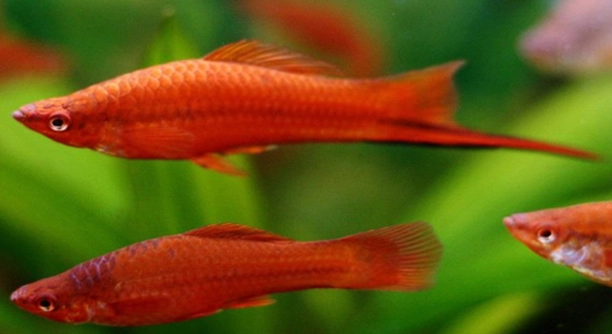
Have you ever noticed your swordtail fish acting strangely or showing signs of illness that you didn’t quite understand? These beautiful aquarium pets can face a range of health issues if not properly cared for.
Swordtail fish are prone to several common diseases, including fin rot, ich, and swim bladder disorders. These health problems often arise due to poor water quality, stress, or inadequate diet. Preventative care and early detection are key to keeping your fish healthy.
Understanding the early signs and knowing how to prevent these issues can help your swordtails stay vibrant and active for years to come.
Fin Rot in Swordtails
Fin rot is one of the most noticeable diseases in swordtail fish. It usually starts with fraying or discoloration at the edges of the fins. Over time, the damage can progress and lead to tissue loss if not treated quickly. This condition often results from poor water quality, overcrowded tanks, or a weakened immune system due to stress. To help prevent it, keep your tank clean and well-maintained. Regular water changes and a proper filtration system go a long way in protecting your fish. It’s also important to quarantine new fish before adding them to the main tank to avoid spreading infections. If fin rot appears, remove the infected fish and treat the water with antibacterial solutions. Look for signs like clamped fins, loss of color, or sluggish behavior, as these can point to the early stages. Catching it early improves the chances of a full recovery.
Avoiding dirty water is the first step in keeping fin rot from becoming an issue in your tank.
If you’ve already spotted mild symptoms, you can treat it with over-the-counter medications. Alongside treatment, improving your tank’s overall conditions—like checking your water parameters and reducing stressors—can help your fish recover. Be sure not to delay treatment, as it can spread quickly.
Ich in Swordtails
Ich, also known as white spot disease, is another common illness that can affect swordtail fish. It’s caused by a parasite and spreads fast, especially in tanks with fluctuating temperatures or poor conditions.
This disease shows up as tiny white spots on the body, fins, and gills. Infected fish may scratch against objects, have trouble breathing, or show a loss of appetite. Once identified, increase the tank temperature slowly to around 82°F, which helps speed up the parasite’s life cycle and makes treatment more effective. Use a reliable ich medication as directed, and continue treatment for a few days even after symptoms disappear to ensure the parasite is fully eliminated. During this time, it’s best to keep lights low and avoid disturbing the fish. Keep the tank clean and monitor all fish for symptoms. Quarantine any new fish before adding them to your tank to prevent future outbreaks.
Swim Bladder Disorder in Swordtails
Swim bladder disorder affects your swordtail’s ability to swim properly. You might notice them floating sideways, sinking to the bottom, or struggling to stay upright. It’s often linked to overfeeding, constipation, or sudden changes in water temperature.
Feeding your swordtail too much or offering food that’s too dry can cause digestive issues that lead to swim bladder problems. Try fasting your fish for 24 to 48 hours, then offer a small portion of a cooked, peeled pea to relieve possible constipation. Keep the water clean and stable, as rapid temperature changes can stress your fish and worsen the condition. If symptoms persist, isolate the affected fish to prevent injury and monitor its progress closely. Using high-quality, varied food and avoiding overfeeding can help prevent this issue from returning.
Consistency in tank maintenance is key. Check the heater and thermometer regularly, and avoid overcrowding, which can increase stress and digestive problems in swordtails. Stick to a feeding schedule with small, manageable portions. Also, look for signs of bloating or difficulty swimming early on, and act right away. Some fish may recover quickly, while others need a little extra care and time. Providing a calm and well-balanced environment helps your fish heal and stay active.
Fungal Infections in Swordtails
Fungal infections usually appear as white, cotton-like patches on the body or fins. These infections often develop after an injury or when the water is not clean enough. Early treatment is important to stop the spread and help recovery.
You can treat mild fungal infections with antifungal medications found in most pet stores. Clean the tank, remove any waste, and improve water circulation to create better conditions. Quarantining the affected fish helps protect the others and speeds up healing.
Velvet Disease in Swordtails
Velvet disease, caused by a parasite, gives your swordtail a dusty, gold or rust-colored coating. It’s highly contagious and spreads quickly in poor tank conditions. Affected fish may scratch against decorations, breathe quickly, or show signs of stress. Treatment includes dimming the lights, raising the water temperature gradually, and using copper-based medications. Remove carbon from filters before treating to avoid reducing effectiveness. Quarantine new fish to prevent outbreaks, and keep your tank well-maintained. Regular water changes, proper filtration, and avoiding sudden changes in temperature or pH are key to avoiding future cases of velvet.
Popeye in Swordtails
Popeye causes one or both eyes to swell and bulge outward. It’s often linked to bacterial infections or poor water conditions. Catching it early and improving tank cleanliness helps prevent long-term damage to your swordtail’s vision.
FAQ
How do I prevent swordtail diseases?
Maintaining clean, stable water conditions is the best way to prevent most diseases. Regular water changes, proper filtration, and consistent tank temperature are essential. Avoid overcrowding, as it can lead to stress and make fish more susceptible to illness. Also, quarantine new fish before introducing them to your tank to avoid introducing potential diseases. A balanced diet with high-quality food can boost your swordtail’s immune system, helping it fight off infections. Ensure your tank is equipped with appropriate plants and decorations, which provide hiding spots and reduce stress for your fish.
What should I do if my swordtail has fin rot?
If you notice signs of fin rot, remove the infected fish and treat the water with antibacterial medication immediately. Ensure your tank’s water quality is optimal, as poor water conditions are often the cause of fin rot. Regularly test the water’s pH, ammonia, nitrite, and nitrate levels to keep everything in check. You should also reduce stress factors such as tankmates that may be aggressive or cause territorial disputes. In severe cases, quarantining the fish for more focused treatment might be necessary.
Can swordtail diseases be passed to other fish?
Yes, many swordtail diseases are contagious and can easily spread to other fish, especially if water conditions are poor or if the infected fish are kept with others in the same tank. Quarantining any new fish before introducing them to your tank is essential in preventing the spread of disease. It’s also a good idea to separate any sick fish from the healthy ones as soon as symptoms appear to limit the risk of contamination. This is particularly important for highly contagious diseases like ich and velvet.
Why is my swordtail’s color fading?
A fading color could be a sign of stress, poor water quality, or disease. Swordtails are sensitive to changes in their environment, such as water temperature, pH, or ammonia levels. Ensure the water is properly filtered and clean. Stress from aggressive tankmates or overcrowding can also cause this issue. In some cases, the fading color could indicate a health problem, like a parasitic infection or a bacterial issue. Monitor your fish closely for other symptoms and take action accordingly.
How can I treat ich in swordtails?
Ich is treated with heat and medication. Increase the water temperature gradually to about 82°F (28°C), as the parasite’s life cycle speeds up in warmer water. Add an ich treatment (available at pet stores) and remove the activated carbon from your filter to prevent the medication from being absorbed. Keep your tank clean and make sure to complete the full treatment cycle to ensure the parasite is completely eradicated. You should also quarantine infected fish to prevent the disease from spreading.
How often should I change the water in my swordtail tank?
Water changes should be done regularly, about 25% of the tank’s volume once a week. In a heavily stocked tank, you may need to increase this to 30-50% to maintain good water quality. Consistent water changes remove toxins and help maintain the right pH, ammonia, and nitrate levels. Test your water weekly to ensure it remains within ideal parameters for swordtails. Keeping the tank’s water quality stable is one of the most important factors in preventing diseases and keeping your fish healthy.
Can swordtails live with other fish?
Swordtails are generally peaceful and can live with other fish that have similar care needs, such as guppies, platies, and tetras. However, they may not do well with overly aggressive or fin-nipping species. When choosing tankmates, make sure to research their behavior and environmental needs. Overcrowding can also lead to stress and health problems. If you notice any aggressive behavior, it’s best to separate the fish before injuries occur. Proper tank size and hiding spots are essential for keeping swordtails and their tankmates happy and healthy.
What is the best diet for swordtail fish?
Swordtails thrive on a varied diet that includes high-quality flake food, frozen or live foods like brine shrimp, and occasional vegetable matter such as blanched peas or spinach. Offering a mix of protein and plant-based food ensures a balanced diet. Overfeeding can lead to digestive problems, including swim bladder issues. Feed small portions 2-3 times a day, making sure to remove any uneaten food after a few minutes. This helps keep your tank clean and prevents water quality from deteriorating.
How can I treat swim bladder disorder in swordtails?
Swim bladder disorder can often be caused by constipation or overfeeding. If you suspect swim bladder issues, fast your fish for a couple of days and then offer a small portion of blanched, peeled peas. This can help relieve constipation. Adjust the feeding schedule to avoid overfeeding, and ensure the water temperature is stable. If the problem persists, consider isolating the fish in a separate tank and adjusting the diet accordingly. Medications are available for more severe cases, but improving tank conditions and diet is key to long-term prevention.
What are the signs of a healthy swordtail fish?
Healthy swordtails have vibrant, bright colors, clear eyes, and active, swimming behavior. They should eat readily and have no visible signs of disease, such as lesions, fins clamped against the body, or abnormal swimming patterns. Their fins should be intact, not ragged or discolored. Healthy swordtails also have a strong appetite and will actively interact with their environment. Maintaining stable water conditions, providing a proper diet, and avoiding overcrowding are all essential factors in keeping your swordtail in good health.
Final Thoughts
Caring for swordtail fish involves paying close attention to their environment, diet, and health. By maintaining clean water, providing a balanced diet, and keeping your tank well-maintained, you can help your swordtails thrive. Regularly testing water quality and performing routine maintenance can prevent many common issues. Understanding the signs of stress or illness early on allows for quick action, preventing more serious problems down the line. Swordtails are relatively hardy, but like all fish, they need the right care to stay healthy.
If you do notice any signs of disease, acting quickly is key. Many common swordtail ailments can be treated effectively with medication or simple adjustments to their environment. For instance, adjusting the water temperature for certain conditions, fasting your fish for a day or two, or offering specific foods can often provide a solution. Quarantining sick fish and maintaining good hygiene practices in the tank can also limit the spread of diseases to other fish. Prevention remains the best approach, and staying vigilant can keep your swordtails healthy for a long time.
Ultimately, the success of your swordtail care depends on creating a stable and healthy environment. They are peaceful, active fish that enjoy the company of others, but they still require a bit of attention to detail. By taking the time to monitor their health, keeping their habitat in top condition, and preventing common issues before they arise, you can enjoy the beauty of swordtails in your aquarium. With the right care and attention, swordtails can live happy and healthy lives, becoming a vibrant addition to your tank.

Hello,
If you enjoy the content that we create, please consider saying a "Thank You!" by leaving a tip.
Every little bit helps us continue crafting quality advice that supports the health, happiness, and well-being of pets around the world, for pets of all shapes, sizes, and species.
We really appreciate the kindness and support that you show us!