
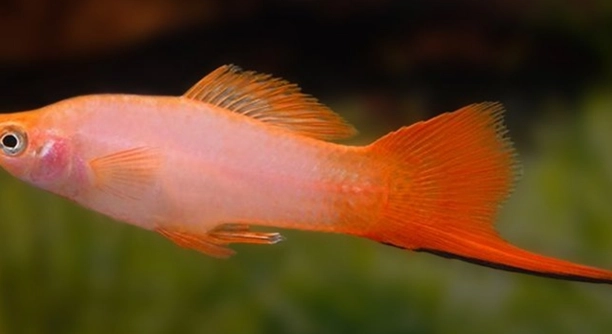
Swordtails are a popular choice for aquarium enthusiasts, but beginners often make common mistakes while caring for them. These errors can affect their health and the overall environment of your tank. Learning from these mistakes will ensure your swordtails thrive.
The most common mistakes beginners make with swordtails include improper water conditions, overfeeding, poor tank mates, and inadequate tank size. These factors can lead to stress, disease, or early death in swordtails. Understanding these errors is key to success.
Correcting these issues can improve your swordtails’ well-being. By making small adjustments, you can ensure a healthier and more vibrant aquarium for them.
Mistake 1: Poor Water Conditions
Swordtails are sensitive to water conditions, and even small changes in water quality can affect their health. Water temperature, pH, and hardness are essential to their well-being. Beginners often overlook these factors, resulting in stressed fish. The ideal temperature for swordtails is between 72°F and 78°F, with a pH of 7.0 to 8.0. If the water is too acidic or too alkaline, swordtails may become ill, leading to potential disease outbreaks. Regular water changes, maintaining a filter, and monitoring water quality will help keep swordtails in a comfortable environment.
Water changes are critical for swordtail care. Changing 25-30% of the water every week ensures that toxins, nitrates, and other harmful substances do not build up. A clean, stable environment prevents stress and promotes healthy growth. Maintaining proper water conditions is essential for swordtails to thrive.
Small adjustments to water quality can make a big difference in your swordtails’ health. Regular monitoring will ensure that your fish remain happy and vibrant.
Mistake 2: Overfeeding Swordtails
Feeding swordtails properly can be tricky. Many beginners tend to overfeed their fish, thinking it helps them grow faster or keeps them satisfied. However, swordtails can become overweight, and uneaten food can pollute the tank. Swordtails only need a small amount of food each day. Overfeeding leads to poor water quality and can result in bloating or other digestive issues for the fish.
To avoid overfeeding, offer small portions of food that the swordtails can consume within a few minutes. Remove any excess food after feeding to prevent it from decomposing in the water. Stick to a consistent feeding schedule to keep your swordtails healthy. A varied diet of high-quality flakes, pellets, and occasional live or frozen food can keep your fish strong without overfeeding.
Proper feeding is vital for your swordtails’ health. It’s essential to strike the right balance between providing enough food and preventing overfeeding.
Mistake 3: Choosing the Wrong Tank Mates
Swordtails are peaceful fish but can struggle with aggressive tank mates. Beginners often choose species without considering their temperament, leading to stress or fights. Swordtails are best kept with other non-aggressive fish such as tetras, guppies, or peaceful barbs. Avoid housing them with fin-nippers or overly territorial species.
When selecting tank mates, consider each species’ activity level and space needs. Swordtails are active swimmers, so providing plenty of room for everyone to move freely is essential. A crowded tank can increase stress, causing health problems. Researching the compatibility of species before introducing them to the tank will create a peaceful environment.
Properly matched tank mates make for a harmonious aquarium. Ensure that each fish can coexist without conflict to maintain a calm and thriving tank. Keeping swordtails with compatible species reduces aggression and promotes a healthier environment.
Mistake 4: Underestimating Tank Size
Swordtails need space to swim and thrive. Beginners often make the mistake of underestimating the tank size required for a healthy swordtail environment. A 20-gallon tank is the minimum recommended size for a small group of swordtails. Smaller tanks restrict movement and lead to overcrowding, causing stress.
Overcrowded tanks can quickly lead to poor water quality, which affects the health of the swordtails and other fish. When setting up an aquarium, always plan for future growth. The more space available, the less stressful the environment will be for your swordtails. A larger tank also makes it easier to maintain water quality.
Adequate space promotes better fish health and happier swordtails. A spacious tank provides room for swimming, helps maintain water quality, and reduces stress for your fish. Make sure to choose a tank that meets both immediate and future needs.
Mistake 5: Ignoring Regular Maintenance
Neglecting regular maintenance can quickly lead to problems in your aquarium. Swordtails rely on clean water and healthy conditions, which require consistent care. Skipping water changes, not cleaning the filter, or letting debris build up in the tank can result in water quality issues, which harm the fish.
Regular maintenance, like cleaning the filter and vacuuming the substrate, helps keep the water quality high. Water changes should be done weekly to remove waste and toxins. Keeping the tank clean prevents stress and disease, ensuring swordtails live a long, healthy life. Don’t overlook the importance of upkeep.
Consistent maintenance is the key to a thriving tank. By dedicating time to regular cleaning, you will prevent future problems and provide a healthier environment for your swordtails.
Mistake 6: Not Quarantining New Fish
Introducing new fish without quarantining them is a mistake many beginners make. New fish can carry diseases or parasites that could spread to your swordtails. Quarantining any new fish for at least two weeks in a separate tank will help prevent this from happening.
A quarantine tank doesn’t have to be anything fancy. It just needs to be a safe, isolated space where new fish can be observed for signs of illness. If the fish is healthy after two weeks, you can safely introduce it to your main tank. This simple step can save your swordtails from illness.
Quarantining new fish ensures the health of your entire tank. Preventing the introduction of diseases will keep your swordtails safe and your aquarium thriving.
Mistake 7: Overlooking Breeding Control
Swordtails are livebearers, meaning they reproduce easily in captivity. Beginners often fail to manage breeding, leading to an overcrowded tank. If you don’t control the population, you may end up with too many fish, which can increase stress and reduce water quality.
Controlling breeding can be done by separating males from females or using breeding traps to prevent unwanted fry. Overpopulation can lead to poor water conditions, so it’s crucial to manage the number of fish. If you don’t want baby swordtails, consider keeping only one gender in the tank.
Proper breeding control will prevent overcrowding and keep your tank’s environment healthy. This ensures your swordtails remain in optimal conditions for a longer lifespan.
FAQ
How often should I feed my swordtails?
Swordtails should be fed once or twice a day. Offer small portions that they can eat within a few minutes. Avoid overfeeding, as uneaten food can pollute the water and lead to health issues. A varied diet of flakes, pellets, and occasional live food will keep them healthy.
What water temperature is best for swordtails?
Swordtails thrive in water temperatures between 72°F and 78°F (22°C to 26°C). Consistent water temperatures are crucial for their well-being. Avoid sudden temperature fluctuations, as they can cause stress and make swordtails more vulnerable to disease.
Do swordtails need a filter?
Yes, swordtails require a filter to maintain water quality. A filter helps remove toxins, debris, and waste, creating a clean environment for your fish. Make sure the filter is appropriately sized for your tank. Regular cleaning of the filter is essential for its efficiency.
Can swordtails live with other species?
Swordtails are peaceful fish but should be kept with non-aggressive tank mates. Avoid housing them with fin-nipping species or aggressive fish. Good companions include tetras, guppies, and peaceful barbs. Ensure the tank has enough space for everyone to avoid territorial issues.
How do I prevent swordtail diseases?
Maintaining clean water, proper feeding, and ensuring your swordtails have compatible tank mates will help prevent diseases. Regular water changes, filter cleaning, and quarantining new fish will reduce the risk of illness. Watch for signs of illness like abnormal swimming or discoloration.
Why are my swordtails not breeding?
Several factors can prevent swordtails from breeding, such as water temperature, tank size, or stress. Ensure the water is within the right temperature range and that the fish have enough space. Also, check if there’s an appropriate male-to-female ratio for breeding.
Are swordtails easy to care for?
Swordtails are relatively easy to care for, making them great for beginners. However, maintaining water quality, feeding them properly, and choosing the right tank mates are essential for their health. With the right care, swordtails can live for several years in a well-maintained tank.
How do I tell the difference between male and female swordtails?
Male swordtails are smaller and have a long, sword-like extension on their tails. Females are larger and lack the tail extension. Male swordtails are also more colorful and active. These differences make it easy to tell them apart once they mature.
What size tank do swordtails need?
Swordtails need a minimum of a 20-gallon tank. If you plan to keep more than one swordtail, or if you have other fish in the tank, a larger tank will provide enough space. Overcrowding can lead to stress and poor water quality.
Can swordtails live with other livebearers?
Yes, swordtails can live with other livebearers such as guppies and mollies. They are peaceful fish and generally get along with other species. However, be cautious when mixing species with different temperaments, and make sure there is enough space to avoid aggression.
Why is my swordtail acting lethargic?
Lethargy in swordtails can be a sign of stress, poor water conditions, or illness. Check the water quality and ensure it is within the proper temperature, pH, and hardness ranges. If the water conditions are fine and the fish continues to be lethargic, check for signs of disease.
How do I handle swordtail fry?
If your swordtails breed and you have fry, you can either let them grow in the main tank or move them to a separate breeding tank. If left in the main tank, provide plenty of hiding spots for the fry to avoid being eaten.
Can swordtails live with plants?
Swordtails can live with plants. They enjoy swimming around plants, and live plants help improve the water quality. Just make sure the plants are not too large or invasive, as swordtails need plenty of swimming space.
How long do swordtails live?
Swordtails typically live for about 3 to 5 years with proper care. They can live longer if they are kept in optimal conditions with stable water quality, a balanced diet, and minimal stress.
What should I do if my swordtail is pregnant?
If your female swordtail is pregnant, provide a quiet and stress-free environment. You can either separate her in a breeding tank or let her give birth in the main tank. Ensure there are plenty of plants or decorations for the fry to hide from other fish.
Do swordtails need special lighting?
Swordtails do not require special lighting. A standard aquarium light is sufficient for them. However, ensure the light cycle is consistent, with about 10 to 12 hours of light per day to simulate a natural day-night cycle. Avoid excessive lighting, as it can cause algae growth.
Can swordtails be kept with shrimp?
Swordtails can be kept with shrimp, but be cautious with small or baby shrimp. Swordtails might chase or eat small shrimp, especially if they are newly introduced. Larger shrimp species, like Amano shrimp, are generally safe to keep with swordtails.
How do I care for a pregnant swordtail?
Pregnant swordtails should be provided with a calm, low-stress environment. Ensure the water quality is excellent, and feed them a nutritious diet. If you’re worried about the fry, consider placing the female in a breeding box or separate tank for the birth.
Final Thoughts
Caring for swordtails can be a rewarding experience, especially for beginners. These fish are relatively easy to maintain as long as you provide the right environment and proper care. Swordtails thrive in stable water conditions, and ensuring they are fed a balanced diet and housed with suitable tank mates will keep them healthy. Regular maintenance, including water changes and filter cleaning, is essential for preventing disease and stress. By following these simple steps, you can enjoy a thriving aquarium and happy swordtails for years to come.
One of the key aspects of swordtail care is understanding their behavior and needs. These fish are social and peaceful, but they can also be sensitive to changes in their environment. Maintaining the right water temperature and pH is crucial to avoid stress and health problems. Additionally, monitoring their breeding habits and controlling the population can help prevent overcrowding, which can lead to poor water quality and stress. By keeping these factors in mind, you’ll be able to maintain a healthy, balanced tank for your swordtails.
In summary, swordtails make great pets for those willing to put in the effort to care for them. By following the guidelines for feeding, tank maintenance, and water quality, swordtails can thrive in a well-kept aquarium. With attention to detail and a bit of patience, you will be able to enjoy these colorful and active fish in your tank for years to come. Keep the environment stable, monitor their health regularly, and make adjustments as needed to ensure they stay happy and healthy.

Hello,
If you enjoy the content that we create, please consider saying a "Thank You!" by leaving a tip.
Every little bit helps us continue crafting quality advice that supports the health, happiness, and well-being of pets around the world, for pets of all shapes, sizes, and species.
We really appreciate the kindness and support that you show us!