
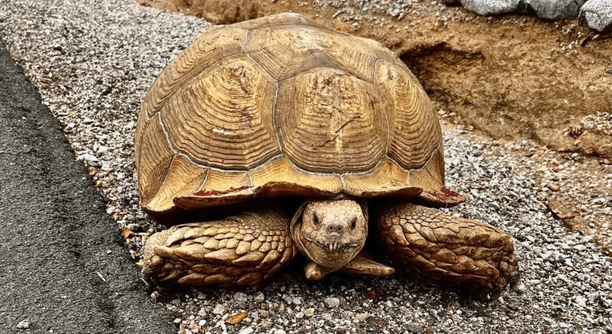
Sulcata tortoises are herbivores with specific dietary needs, and their meals consist mostly of grasses, leaves, and weeds. Offering them a variety of healthy foods is essential for their well-being. Understanding what treats are safe for them is key.
Sulcata tortoises can eat strawberries in moderation. While these fruits are not toxic, they should only be offered occasionally as a treat due to their high sugar content. Too much fruit can upset their digestive system.
It’s important to know the right balance when feeding strawberries to your sulcata tortoise. Keep reading to learn more about the appropriate amount for their diet and how to safely incorporate them.
What Are the Benefits of Strawberries for Sulcata Tortoises?
Strawberries offer a bit of variety for your sulcata tortoise’s diet. Rich in vitamin C and antioxidants, they can contribute to their overall health when given sparingly. These nutrients can help boost their immune system and support their skin health. However, due to the high sugar content, strawberries should only be treated as an occasional snack. They’re not a necessary part of their daily meals but can serve as a tasty treat to mix things up.
Though strawberries are nutritious, it’s important to avoid overfeeding. When feeding your sulcata tortoise strawberries, it’s best to cut them into small, manageable pieces to prevent choking hazards. Make sure to remove any leaves and stems, which could be harmful. Additionally, only serve strawberries once or twice a week, alongside their regular diet of grass, weeds, and other vegetables. This will ensure they get the nutritional variety they need without the potential risks of too much sugar.
Offering strawberries on occasion will keep things interesting without harming your tortoise’s health. Just remember, moderation is key.
Risks of Too Many Strawberries
While strawberries are a fun addition to their diet, they come with some risks. Overfeeding fruit, especially strawberries, can lead to digestive issues in sulcata tortoises. Too much sugar can upset their stomach and lead to diarrhea or other gastrointestinal problems.
Excessive fruit also can replace the important fiber from grasses and other vegetables, which is essential for their digestive health. It’s easy to get excited about treating your tortoise, but it’s crucial to maintain a balanced diet. Avoid offering fruit daily to keep your tortoise healthy and happy. Stick to small portions and ensure that fruits don’t take over their regular, more suitable meals.
How to Safely Feed Strawberries to Your Sulcata Tortoise
When offering strawberries to your sulcata tortoise, wash them thoroughly to remove pesticides and other chemicals. Cut them into small pieces to avoid choking hazards. Offer only a small portion to ensure it doesn’t replace their main food source. Always monitor them after feeding, especially the first few times.
Feeding strawberries too often can lead to digestive problems, so it’s best to limit them to once or twice a week. Stick to smaller pieces, avoiding large amounts of fruit at one time. You can also mix strawberries with other tortoise-safe vegetables to make the meal more balanced. This ensures they still get the nutrients they need from other sources, rather than just sugar from the fruit.
Always watch for signs of upset stomachs or changes in behavior after feeding strawberries. If your tortoise shows discomfort, reduce the amount of fruit offered or eliminate it for a while. Their health should be the top priority.
Alternatives to Strawberries for Sulcata Tortoises
If you’re looking for other treat options, consider safe fruits like melons or mangoes. These fruits also provide some sweetness and nutritional value. However, they should still be offered sparingly. Leafy greens such as collard greens, dandelion greens, and kale make great alternatives for adding variety to their diet.
These vegetables provide more fiber and nutrients that are essential for digestion and overall health. Fresh grass and weeds are also excellent staples that your sulcata tortoise should have daily. These natural food sources closely mimic what they would eat in the wild. Combining these options with the occasional fruit or berry can ensure they get a well-rounded diet.
How Much Strawberry is Safe for Sulcata Tortoises?
For sulcata tortoises, the safe amount of strawberry is about one or two small pieces per week. This should be the maximum to avoid overloading their diet with sugar. Make sure strawberries are just an occasional treat and not a regular part of their meals.
A small amount of strawberry helps satisfy your tortoise’s sweet cravings without affecting their health. It’s important to focus on their main diet of grasses, weeds, and vegetables. Always ensure they have enough fiber to promote proper digestion. Excess fruit can lead to health issues over time.
Signs of Overfeeding Strawberries
Overfeeding strawberries can lead to digestive issues like diarrhea or bloating. You might also notice changes in their behavior, like a lack of interest in their regular food. If you observe these signs, it’s time to reduce the fruit intake and return to a more balanced diet.
Regularly monitor their health after introducing new foods, including strawberries. Adjust portions if needed to avoid causing digestive upset. Watch their activity level and overall behavior to ensure they’re still thriving. If you notice any unusual signs, consult a vet to rule out any health concerns.
Best Time to Offer Strawberries
Strawberries should be offered after their main meals, like grass or vegetables, to avoid filling them up with too much fruit. Giving them as a treat after they’ve eaten helps ensure they still get the nutrition they need from their primary food sources.
FAQ
Can sulcata tortoises eat strawberries every day?
No, sulcata tortoises should not eat strawberries every day. Although they are not toxic, strawberries are high in sugar, which can upset their digestive system if consumed in large amounts. Offering strawberries once or twice a week is enough to avoid health issues while still providing a tasty treat.
What happens if a sulcata tortoise eats too many strawberries?
Eating too many strawberries can lead to digestive problems such as diarrhea or bloating. The high sugar content in the fruit can disrupt their natural digestive balance, leading to more serious health concerns if overfed regularly. It’s important to stick to the recommended portion size and offer strawberries as an occasional treat.
Are there any fruits that are better for sulcata tortoises than strawberries?
Yes, other fruits like melons, mangoes, and papayas are better options for sulcata tortoises in small amounts. They offer vitamins and hydration but contain less sugar than strawberries. However, fruits should still be given sparingly, as their main diet should focus on fibrous plants like grasses and leafy greens.
Can sulcata tortoises eat strawberry leaves or stems?
No, sulcata tortoises should not eat strawberry leaves or stems. These parts of the strawberry plant may contain harmful substances like pesticides, and they are not suitable for their digestive system. Always remove the leaves and stems before offering the fruit to your tortoise.
What is the best way to feed strawberries to my sulcata tortoise?
The best way to feed strawberries to your sulcata tortoise is to wash the fruit thoroughly to remove any pesticides. Then, cut it into small, manageable pieces to prevent choking. Always offer the fruit as a treat after their main meal of grasses or vegetables, not as a substitute for their primary diet.
How do I know if my sulcata tortoise is eating too much fruit?
If your sulcata tortoise is eating too much fruit, you may notice symptoms such as lethargy, diarrhea, or a lack of interest in their regular food. A healthy tortoise should have a balanced diet of grasses and weeds. If you observe any changes in their health, reduce the fruit intake and consult a vet if necessary.
Can sulcata tortoises eat other types of berries?
Yes, sulcata tortoises can eat other types of berries, such as blueberries and raspberries, in moderation. Like strawberries, these berries should only be offered occasionally as treats due to their sugar content. Always remember to remove any stems or leaves before offering them.
How can I make strawberries more appealing to my sulcata tortoise?
To make strawberries more appealing, try chopping them into smaller pieces and mixing them with other tortoise-safe vegetables or fruits. This will create a more balanced treat and provide variety in their diet. However, remember to keep fruit portions small to avoid overfeeding.
Are there any risks to feeding strawberries with the skin on?
There is no major risk in feeding strawberries with the skin on, as long as they are thoroughly washed. The skin contains fiber and nutrients that can be beneficial, but it’s crucial to ensure the fruit is clean of any harmful chemicals. Always wash the fruit well before offering it to your tortoise.
How often should I offer strawberries to my sulcata tortoise?
Strawberries should be offered once or twice a week, with portions being small and manageable. They should never replace the main food sources such as grass, weeds, and leafy greens. Moderation is key, as too much fruit can lead to digestive issues and an unbalanced diet.
Can strawberries be a substitute for their main food?
No, strawberries should not be a substitute for the primary diet of your sulcata tortoise. They are high in sugar and lack the necessary nutrients and fiber that your tortoise needs. Their main food should be grasses, weeds, and vegetables to ensure they receive a balanced, healthy diet.
Final Thoughts
Strawberries can be a fun and tasty treat for your sulcata tortoise when given in moderation. While they enjoy the sweet taste, it’s important to remember that fruit should only be an occasional part of their diet. Sulcata tortoises need a balanced diet that primarily consists of grasses, weeds, and vegetables, which provide the fiber and nutrients essential for their health. Offering strawberries too often can lead to digestive problems, so it’s best to stick to small portions.
Understanding how to safely include strawberries in your tortoise’s diet will help keep them healthy and happy. Always wash the fruit thoroughly to remove any pesticides and cut it into small pieces to avoid choking hazards. You should also pay attention to how your tortoise responds to new foods, as some may have sensitive stomachs. If you notice any unusual symptoms like diarrhea or lack of appetite, it’s best to cut back on the fruit and focus on their main food sources.
In the end, the key is moderation. A couple of small pieces of strawberry once or twice a week can add variety to your sulcata’s diet without compromising their health. Always keep in mind that their well-being depends on a diet rich in natural vegetation and fiber. By being mindful of their food intake and offering the right balance, you can ensure your tortoise lives a long, healthy life.

Hello,
If you enjoy the content that we create, please consider saying a "Thank You!" by leaving a tip.
Every little bit helps us continue crafting quality advice that supports the health, happiness, and well-being of pets around the world, for pets of all shapes, sizes, and species.
We really appreciate the kindness and support that you show us!