
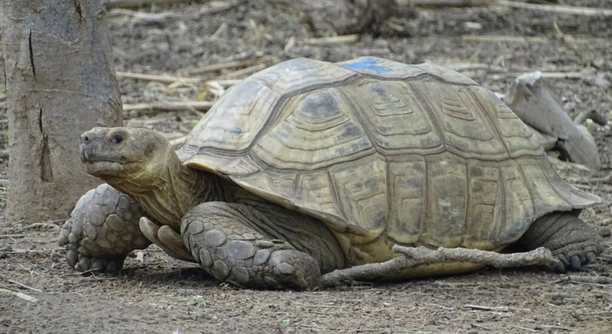
Sulcata tortoises are fascinating creatures that require special care and attention. Understanding what stresses them out can help you create a healthier and happier environment for these gentle reptiles. Knowing the right steps is essential for their well-being.
Various factors can cause stress to sulcata tortoises, such as sudden temperature changes, inadequate shelter, lack of proper nutrition, and overcrowding. These stressors can negatively impact their health, leading to behavioral changes, weight loss, and decreased activity.
Taking simple precautions, like ensuring proper habitat conditions and diet, can significantly reduce stress. A little effort goes a long way in ensuring their comfort and long-term health.
Temperature Fluctuations
Sudden changes in temperature can stress out a sulcata tortoise, as they are highly sensitive to environmental shifts. Their natural habitat in Africa has consistent warmth, so if their environment gets too hot or too cold, they may become lethargic, stop eating, or even refuse to move. It’s important to maintain a stable temperature in their enclosure.
A reliable heat source, like a heat lamp or a ceramic heater, can provide consistent warmth. Using a thermometer to monitor the temperature is also crucial to avoid extremes. Try to keep the temperature between 85°F and 95°F during the day and a little cooler at night, around 70°F.
By controlling their surroundings and ensuring their basking areas are properly heated, you can help prevent stress from temperature fluctuations. This stability promotes normal activity and digestion, keeping your tortoise healthy and active. If there are any issues, adjusting the environment promptly can make a noticeable difference in their behavior.
Inadequate Shelter
A sulcata tortoise’s shelter must offer protection from the elements.
An enclosure that is too small or poorly designed can leave your tortoise feeling insecure and stressed. A proper shelter needs to provide enough space to move freely, along with areas to retreat for rest and safety. It’s essential to create an environment where they feel comfortable. A sturdy enclosure with appropriate hiding spots will help them feel secure and reduce stress.
Overcrowding in the Enclosure
Too many tortoises in one space can create tension and stress. Each sulcata needs its own area to roam, bask, and eat. Overcrowding leads to competition, aggression, and a lack of resources.
To avoid this, make sure the enclosure is spacious enough for each tortoise. If you have multiple sulcatas, a larger setup with plenty of hiding spots and basking areas is necessary. This reduces territorial disputes and helps each tortoise feel secure. Offering a separate space for eating can also prevent competition for food. Ensuring each tortoise has enough room to move freely is key to their well-being.
Providing enough space and resources for each sulcata tortoise will make a significant difference. A peaceful and spacious environment keeps them calm, allowing them to enjoy their time outside of their shells. Healthy tortoises are less stressed and thrive in conditions where they can feel independent.
Lack of Proper Diet
A poor diet can stress a sulcata tortoise and negatively impact its health. These tortoises need a balanced diet rich in fiber and calcium. Not getting enough of the right nutrients can lead to malnutrition, slow growth, and even shell deformities.
To prevent stress from a lack of proper nutrition, focus on providing high-fiber grasses, hay, and leafy greens like dandelion and clover. It’s also essential to offer a calcium supplement to support shell health. Avoid feeding them too many fruits or vegetables high in sugar, as this can upset their digestive system. Make sure to vary their diet to ensure a well-rounded intake of nutrients.
When fed the right foods, sulcata tortoises will show better activity levels and improved overall health. Providing the correct nutrition reduces the risk of long-term health issues and keeps your tortoise feeling its best.
Unstable Humidity Levels
Sulcata tortoises prefer dry environments with low humidity. High humidity can cause respiratory issues and skin problems, which add stress to your tortoise. Keeping the humidity in check is important for their health.
To maintain the right level, keep the humidity around 30-50%. Use a hygrometer to monitor the levels regularly. If humidity gets too high, increase ventilation by adding holes or fans to the enclosure. Avoid misting too often, as this can trap moisture. Proper airflow and dry conditions are key to ensuring your tortoise stays comfortable.
Stress from Handling
Excessive handling can be stressful for sulcata tortoises. They are naturally solitary animals and may not enjoy constant human interaction.
Tortoises need time to roam and explore on their own. Constant handling can disrupt their natural behavior, causing anxiety. If you need to handle them, do so gently and only for short periods. Allow them to have quiet, uninterrupted time in their enclosure. Keeping handling to a minimum helps reduce stress.
Inadequate Lighting
Sulcata tortoises need access to UVB lighting to maintain their health. Without it, they can develop metabolic bone disease, which causes stress and long-term damage.
A good UVB light provides the essential rays that help them metabolize calcium. Make sure the light is on for about 12 hours a day, mimicking natural daylight. Position it correctly, so your tortoise can bask under it for maximum benefits. Regularly replace the bulb to ensure it remains effective.
FAQ
What are the signs of stress in a sulcata tortoise?
Stress in a sulcata tortoise can show through changes in behavior. They may become more lethargic, stop eating, or retreat into their shells for extended periods. You might also notice excessive digging, pacing, or a decrease in activity. Changes in their usual behavior should be a red flag that something isn’t right.
How can I reduce stress in my sulcata tortoise?
Start by ensuring that their environment is stable. This means maintaining the right temperature, humidity, and light conditions. Make sure their enclosure is spacious enough and free from overcrowding. A balanced diet with proper calcium and fiber is also crucial for reducing stress and promoting overall well-being.
Can I keep more than one sulcata tortoise together?
It’s not ideal to keep multiple sulcata tortoises in the same enclosure unless it’s large enough for them to coexist peacefully. Overcrowding leads to territorial issues, and they can become stressed by constant competition for food and space. If you do choose to house more than one, make sure they have plenty of separate areas to call their own.
What temperature is best for my sulcata tortoise?
A sulcata tortoise thrives in temperatures between 85°F and 95°F during the day. At night, temperatures should drop slightly to around 70°F. Using a reliable heat source, like a heat lamp, can help maintain these temperatures. Be sure to monitor the enclosure regularly with a thermometer to avoid temperature fluctuations that could cause stress.
How often should I feed my sulcata tortoise?
Sulcata tortoises are herbivores that need a high-fiber diet. Feed them daily with a variety of grasses, hay, and leafy greens. You can occasionally add other vegetation, but avoid high-sugar foods. Overfeeding can lead to obesity and other health issues. Make sure food is fresh and clean to avoid introducing bacteria.
Is it necessary to provide calcium supplements for my sulcata tortoise?
Yes, calcium is essential for sulcata tortoises to maintain strong shells and bones. Without proper calcium intake, they are at risk of developing metabolic bone disease. You can provide calcium by dusting their food with a calcium supplement. Be sure to get one that is specifically designed for reptiles to ensure they’re getting the right amount.
How do I know if my sulcata tortoise is dehydrated?
Dehydration can cause stress and health problems in sulcata tortoises. Signs include a dry, wrinkled shell, lethargy, and reduced appetite. You may also notice them drinking more water than usual. Make sure your tortoise always has access to clean, fresh water, and consider soaking them in shallow water for a few minutes to encourage hydration.
What should I do if my sulcata tortoise isn’t eating?
If your tortoise isn’t eating, first check its environment. Ensure the temperature, humidity, and lighting are all correct. Stress from overcrowding, improper diet, or illness can also cause a loss of appetite. If they continue to refuse food, consult a vet familiar with reptiles to rule out underlying health issues.
Can my sulcata tortoise live outside?
Yes, sulcata tortoises can live outdoors if the climate is suitable. They thrive in warm, dry environments with plenty of space to roam. If you live in a temperate climate, make sure they have access to a sheltered area to protect them from extreme weather. Be sure the area is secure to prevent escape.
How long do sulcata tortoises live?
Sulcata tortoises can live for over 50 years with proper care. Some may even live to be over 100 years old. They grow large and need consistent care throughout their lives. If you’re adopting one, it’s important to commit to their long-term well-being, as they require attention and space for decades.
What type of lighting does a sulcata tortoise need?
Sulcata tortoises need UVB lighting to help them absorb calcium and maintain healthy bones. Use a UVB light that provides full-spectrum light for 12 hours a day. Ensure the light is positioned properly so that your tortoise can bask under it. Replace the bulb regularly, as the UVB rays lose effectiveness over time.
How much space does a sulcata tortoise need?
Sulcata tortoises need a large area to move around freely. As they grow, they can reach sizes of up to 30 inches, so the enclosure should be at least 100 square feet for one adult tortoise. The larger the space, the better, to allow for natural movement and activity.
What should I do if my sulcata tortoise is digging excessively?
Excessive digging can be a sign of stress, but it can also be a natural behavior. If your tortoise digs constantly, check its environment to ensure there are no temperature, humidity, or overcrowding issues. Make sure they have access to a hiding spot and adequate space to roam.
Can sulcata tortoises live with other animals?
Sulcata tortoises are best kept alone in their enclosure. They are territorial and can become stressed if housed with other animals, including other tortoises. If you want to introduce another pet to your tortoise’s environment, do so with caution, but be aware that the best setup is usually a solo living space for each tortoise.
How can I make my sulcata tortoise feel more comfortable in its enclosure?
To make your tortoise feel comfortable, focus on providing a spacious, secure environment with the right temperature, humidity, and lighting. Add natural elements like rocks and logs for climbing and hiding. Ensure they have clean water and access to plenty of high-fiber food. Keeping the environment stable and clean will help reduce stress.
Final Thoughts
Caring for a sulcata tortoise requires understanding their needs and making sure they feel comfortable in their environment. This means providing the right habitat, maintaining a proper diet, and keeping an eye on their overall health. Stress can impact their well-being, so it’s essential to address any signs of discomfort early. By creating a safe, secure, and stimulating environment, you can help your sulcata tortoise live a long and healthy life.
It’s important to remember that each tortoise is unique, and their needs may change over time. Regular monitoring and adjustment to their habitat are key to making sure they are thriving. Be patient as they settle into their surroundings, especially if you have recently adopted one. Over time, you’ll learn to recognize their patterns and identify when something is wrong, which will help you act quickly if any stress or health issues arise.
Whether you’re a new tortoise owner or have had one for years, maintaining a balance of care is essential. A sulcata tortoise can live for decades, so the commitment to their care should be a long-term one. With the right attention and love, your sulcata tortoise can enjoy a happy, healthy life. By continuing to educate yourself and adjust your care routine as needed, you’ll ensure your tortoise is stress-free and comfortable in their home.

Hello,
If you enjoy the content that we create, please consider saying a "Thank You!" by leaving a tip.
Every little bit helps us continue crafting quality advice that supports the health, happiness, and well-being of pets around the world, for pets of all shapes, sizes, and species.
We really appreciate the kindness and support that you show us!